
The Power of Collective Defiance: Felipe Bustos Sierra’s Everybody to Kenmure Street
In the spring of 2021, a nondescript residential street in the Pollokshields neighborhood of Glasgow became the unlikely stage for a cinematic display of human solidarity. When a Home Office immigration enforcement van arrived to detain two local men for alleged visa violations, the community did not look away. Instead, they surrounded the vehicle, chanting and physically blocking its path for eight hours. The standoff ended in a rare victory: the two men were released, and the van was forced to retreat.
This extraordinary day is the subject of filmmaker Felipe Bustos Sierra’s documentary, Everybody to Kenmure Street. While the event itself unfolded in a single afternoon, the film transcends the immediacy of the news cycle, offering a profound meditation on the historical, social, and political threads that knit a community together. Through a combination of intimate interviews and on-the-ground footage, Sierra captures not just an act of protest, but the culmination of a neighborhood’s long-standing commitment to mutual aid and sanctuary.
A Neighborhood of Refuge: The Context of Pollokshields
To understand why the residents of Kenmure Street acted with such synchronized resolve, one must look at the unique demographic and cultural landscape of Pollokshields. It is, by all accounts, the most diverse neighborhood in Scotland. With a population where an estimated 86 different languages are spoken, the area has long functioned as a vital node of arrival and settlement for refugees and migrants fleeing persecution.
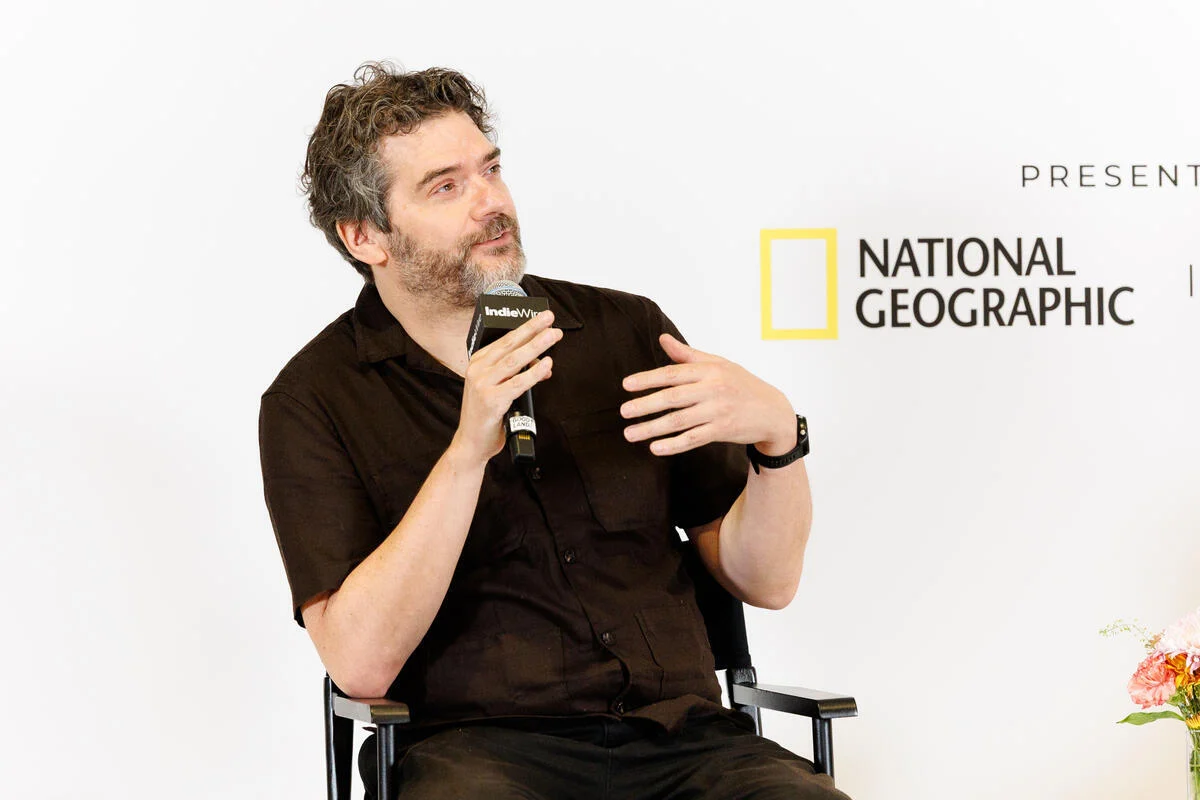
During an appearance at IndieWire’s "Art of the Doc" event in Los Angeles, director Felipe Bustos Sierra emphasized that the protest was not an isolated phenomenon. "Pollokshields has always been seen as something of a safe haven," Sierra noted. "When you have a community that is defined by its diversity, you also have a community that is acutely aware of the precarity faced by its neighbors. The Kenmure Street protests might have seemed like a spur-of-the-moment reaction, but they were, in many ways, a manifestation of a deeply ingrained local ethos."
The film argues that the residents were not merely reacting to an immigration van; they were reacting to the systematic erosion of their neighbors’ safety. The protest served as a physical manifestation of a collective memory—a transmission of values that prioritizes the protection of the vulnerable over the strict dictates of bureaucratic enforcement.
Chronology of a Stand: The Eight-Hour Standoff
The events of May 13, 2021, began early in the morning, coinciding with the Eid al-Fitr holiday, which marks the end of Ramadan. As news of the detention spread via social media and word of mouth, residents began to gather. What started as a handful of concerned neighbors quickly ballooned into a crowd of hundreds.

The Escalation
By midday, the immigration van was completely surrounded. Protesters sat on the pavement, linked arms, and stood in the path of the vehicle, effectively paralyzing the operation. The atmosphere was tense but disciplined. As hours passed, the crowd grew more diverse, ranging from local activists and religious leaders to elderly residents and students.
The Turning Point
As the afternoon wore on, the police presence increased, but the protesters refused to disperse. The crowd chanted, "These are our neighbors, let them go." The optics of a heavy-handed immigration raid taking place during a major religious celebration in a diverse community galvanized public support across Scotland and beyond.
The Resolution
After eight hours of sustained pressure and public scrutiny, the authorities conceded. The two men were released from the van, and the vehicle was permitted to leave the street, accompanied by the cheers of the residents. The event became a defining moment in British immigration activism, proving that, under the right conditions, direct action could yield tangible results against state machinery.
Data and Demographics: The Fabric of Resistance
Pollokshields is more than just a geographic location; it is a microcosm of modern Scotland’s evolving identity. The sheer linguistic diversity—86 languages—represents a unique social experiment in coexistence. However, this diversity also means that the neighborhood is frequently subjected to disproportionate levels of state monitoring and immigration enforcement.
According to community advocacy groups, the Kenmure Street protest was a catalyst for a broader national conversation regarding the UK’s "hostile environment" policy. The film highlights the intersectional nature of the protest, noting that the participants were not a monolithic group. Instead, the resistance was powered by:
- Intergenerational Participation: The inclusion of both youth activists and older residents who had lived through decades of social change in Glasgow.
- Intersectionality: The protest saw a convergence of labor rights advocates, racial justice organizations, and religious groups, all finding common ground in the defense of their neighbors.
- Media Amplification: The role of digital technology and social media was pivotal, allowing the neighborhood to broadcast its struggle in real-time, preventing the situation from being obscured by official narratives.
The Director’s Perspective: "A Transmission of Knowledge"
In his conversation with IndieWire’s Chris O’Falt, Sierra delved into the psychological origins of the protest. He noted that many of the participants, when interviewed, expressed a profound sense of hopelessness regarding the political climate in the UK. Yet, that individual hopelessness was overridden by a shared duty.

"It came out of all these early conversations," Sierra explained. "When I was asking people what actually made you take your body to the street—which is what was necessary—they often talked about having no hope. But they had that specific connection to Glasgow’s history. It was always variations of fighting for women’s rights, civil rights, queer rights, housing conditions, working conditions. This shared humanity, we had to find a way to put it in the film."
Sierra’s filmmaking process involved a careful excavation of these historical roots. He posits that the protest was not just an act of defiance, but a "transmission of knowledge of history and of care." For the residents of Kenmure Street, the act of protecting their neighbors was not a radical deviation from their past, but a continuation of it.
The Implications: A Model for Future Activism
The success at Kenmure Street has sparked intense debate regarding the role of community-led resistance in a democratic society. Critics of the protest argued that it interfered with the rule of law, while supporters framed it as an act of civil disobedience necessary to uphold human rights when the law fails to do so.
Lessons for Social Movements
- Localization of Activism: The film underscores that the most effective protests are often those that are deeply rooted in a specific, known community. The "neighbor" factor provided a moral clarity that broad, abstract policy protests often lack.
- The Power of Physical Presence: In an era of digital activism, Everybody to Kenmure Street serves as a reminder of the raw power of the human body. The physical presence of a crowd creates a barrier that is difficult for authorities to ignore or bypass without risking significant public backlash.
- The "Hostile Environment" Counter-Narrative: The documentary provides a visual counter-narrative to the UK government’s immigration policies, shifting the focus from "illegal detention" to "community belonging."
Conclusion: A Portrait of Resilience
Felipe Bustos Sierra has crafted more than a documentary; he has produced an archive of resistance. Everybody to Kenmure Street serves as a testament to the idea that when state power acts against the interest of the community, the community reserves the right to intercede.
As the film concludes, the viewer is left with the realization that the events on that Glasgow street were not merely about the fate of two men, but about the preservation of a social contract. By documenting this moment, Sierra ensures that the lessons of the protest—the importance of vigilance, the necessity of collective action, and the enduring power of empathy—will continue to resonate long after the crowds have left the street.
The story of Kenmure Street remains a beacon for those who believe that a neighborhood is defined not by its borders, but by the people who choose to look out for one another. In a world that often demands silence and compliance, the people of Pollokshields chose to stand their ground, and in doing so, they changed the narrative of what is possible in the face of injustice.
