
The Resilient Legacy of Battlestar Galactica: Why a 22-Year-Old Sci-Fi Masterpiece is Dominating the Charts Again
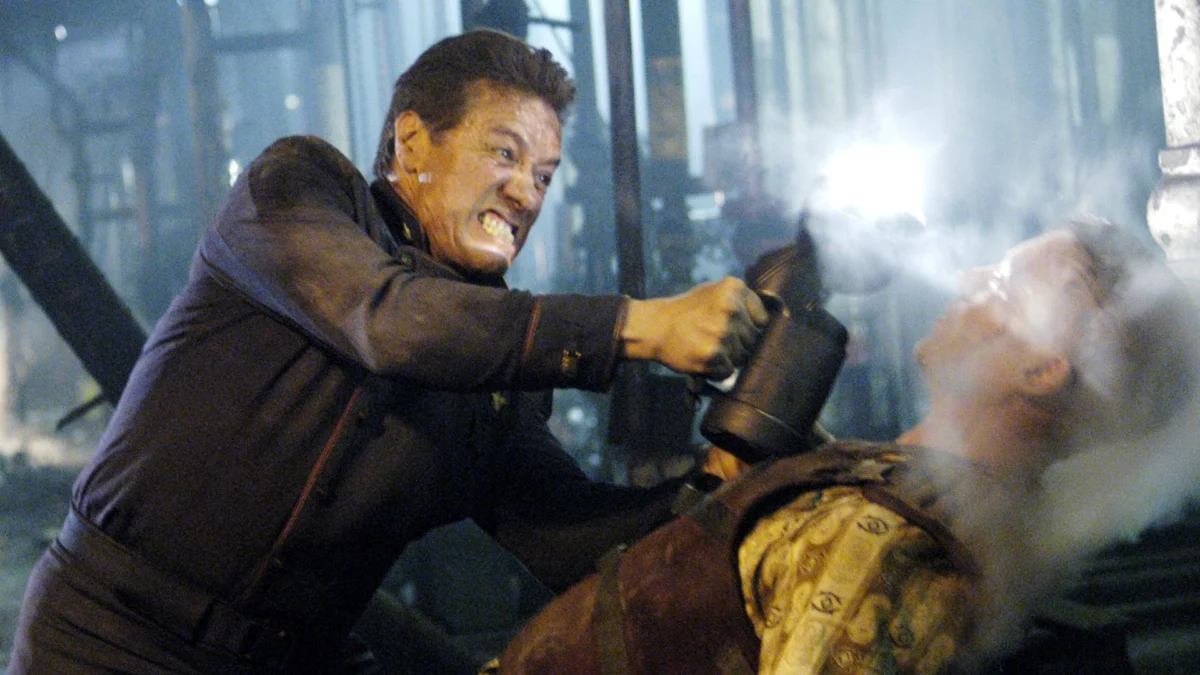
In the landscape of modern television, few genres possess the longevity or the cultural staying power of science fiction. While franchises like Star Trek, Doctor Who, and The Twilight Zone have long anchored the genre’s hall of fame, a specific, gritty reimagining has once again asserted its dominance in the digital zeitgeist. More than two decades after its initial debut, the 2004 reboot of Battlestar Galactica is currently enjoying a remarkable resurgence on the Apple TV Store, proving that high-concept, character-driven storytelling never truly goes out of style.
As of late October 2026, the series—produced by Ronald D. Moore—sits comfortably as the eighth most popular television series on the Apple Store in the United States. Perhaps even more telling of its enduring appeal is its consistency: the show has maintained a spot on the digital charts for 84 consecutive days. This resurgence is not occurring in a vacuum; it is part of a broader, curious trend on the Apple platform that has seen classic sci-fi and speculative fiction titles like Twin Peaks and The Twilight Zone climb the rankings, signaling a hunger for prestige genre storytelling among contemporary audiences.
The Evolution of a Sci-Fi Titan: From 1978 to 2004
To understand the magnitude of Battlestar Galactica’s current success, one must look at its complicated history. The franchise first emerged in 1978 under the stewardship of Glen A. Larson. While that original iteration held a certain campy charm and became a cult favorite for its era, it struggled to maintain the critical consensus required to be considered a "great" of the medium.
Everything changed in 2004. Ronald D. Moore, a visionary writer and producer known for his work on Star Trek: The Next Generation and Deep Space Nine, was tasked with reimagining the concept. He did not simply polish the original; he stripped it down to its chassis and rebuilt it into a searing, post-9/11 meditation on humanity, survival, and the moral ambiguity of war.
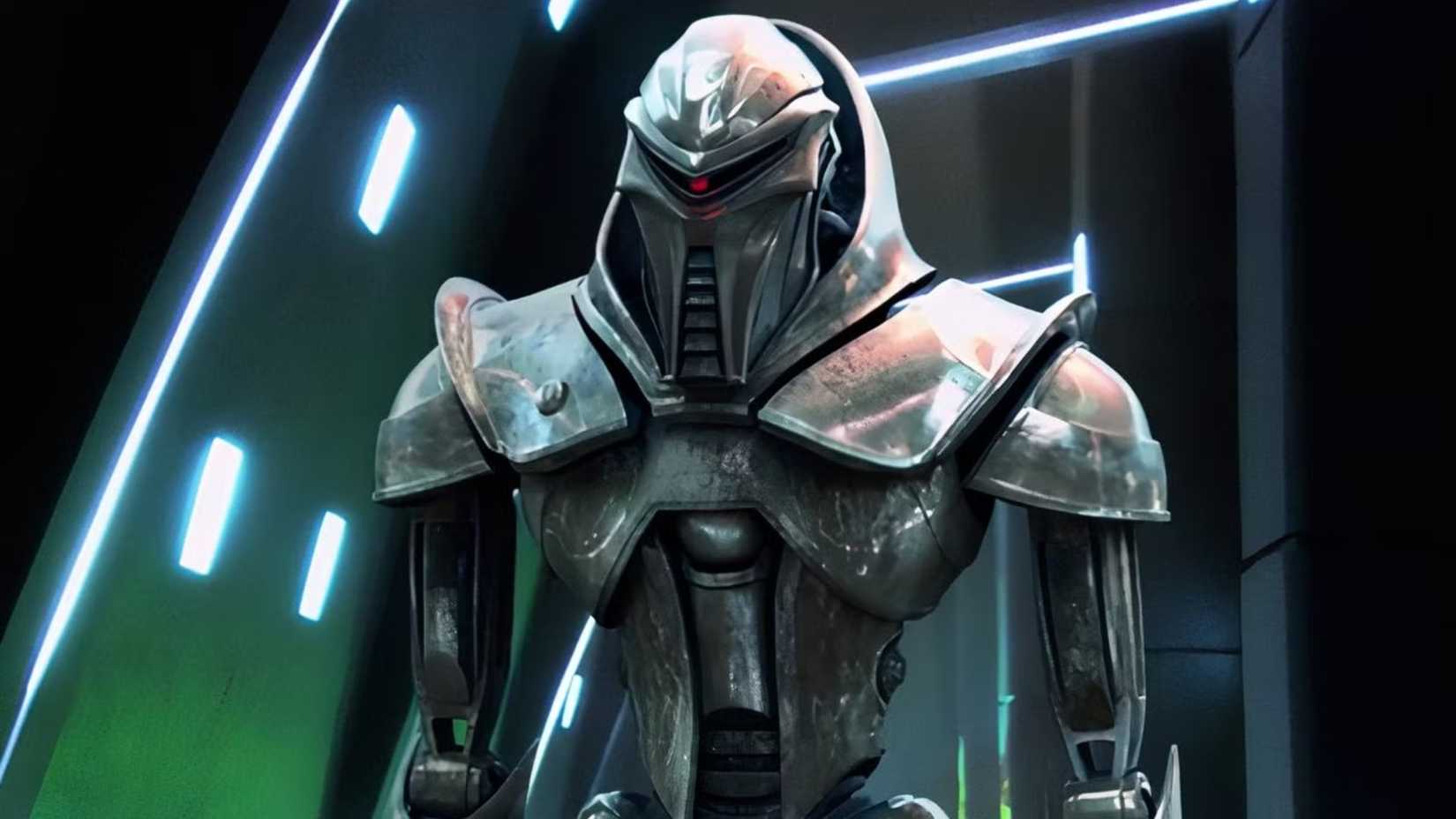
The premise was deceptively simple: The Cylons—a cybernetic race created by humanity—return after decades of silence to launch a devastating nuclear strike, effectively wiping out the Twelve Colonies. The remaining survivors, led by the battle-worn battleship Galactica and its commander, William Adama (Edward James Olmos), embark on a desperate quest to find the fabled thirteenth colony: Earth.
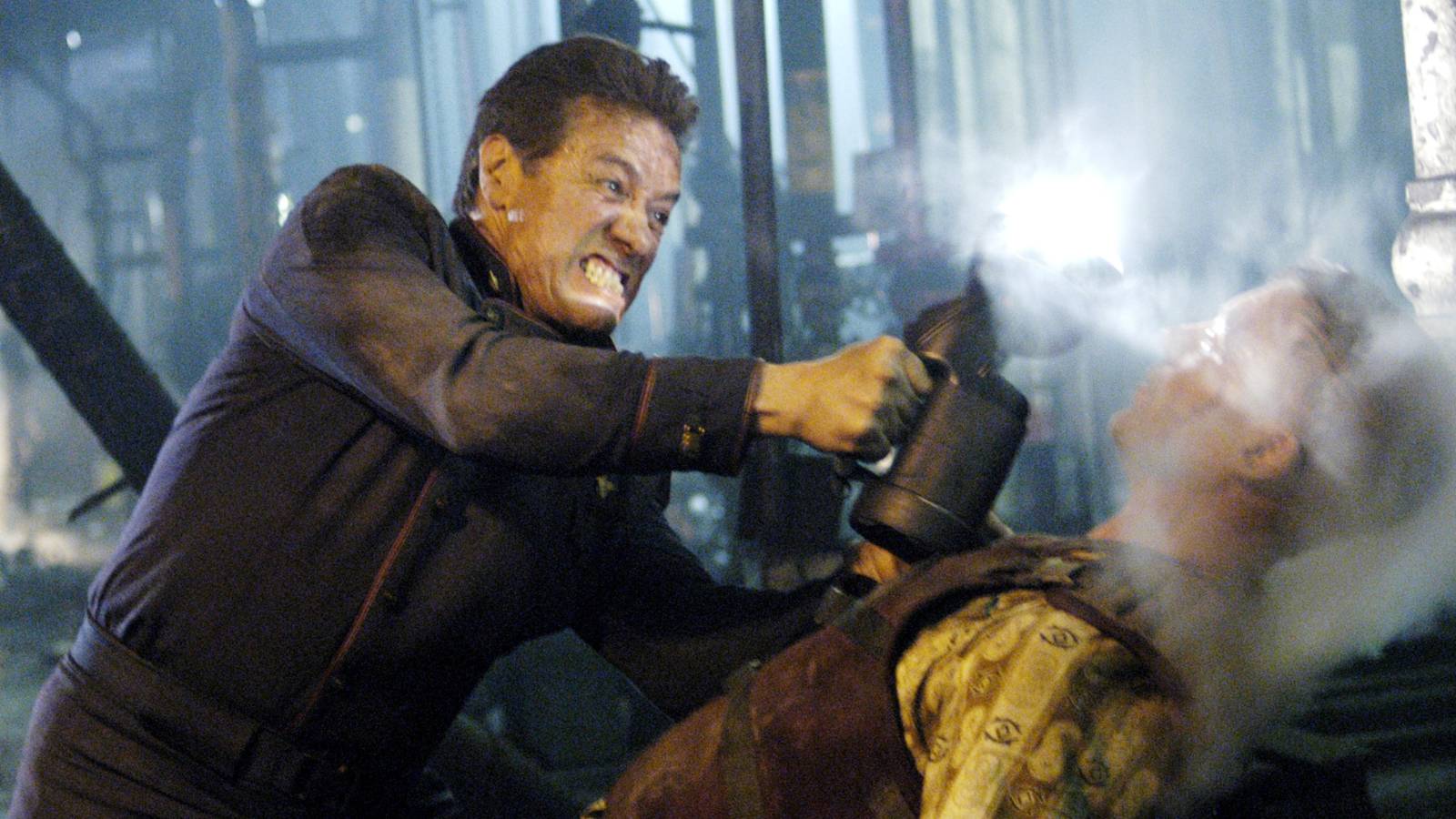
Unlike its predecessor, the 2004 series opted for a documentary-style aesthetic, utilizing handheld cameras, rapid zooms, and a jarringly realistic tone. This creative choice elevated the show from a space opera to a psychological drama. It didn’t just outshine the original; it rendered the original a mere blueprint for a much more sophisticated architectural feat.
A Near-Perfect Critical Trajectory
Battlestar Galactica did more than just capture the imagination of fans; it captivated the critical establishment in a way few sci-fi shows ever do. It holds a staggering 95% approval rating on Rotten Tomatoes, with the second and third seasons achieving a flawless 100% score.
The consistency of the writing, led by a powerhouse team including Michael Taylor, Jane Espenson, and Mark Verheiden, ensured that the show never fell into the trap of "monster-of-the-week" stagnation. Instead, it focused on the existential dread of its characters. The cast, featuring stellar performances from Katee Sackhoff (Starbuck), Mary McDonnell (President Laura Roslin), and James Callis (the morally complex Gaius Baltar), became the beating heart of the series.
Critics have long pointed to the show’s "prestige" quality. It was a rare unicorn in the early 2000s: a show that could balance intense space battles with deep, philosophical debates regarding religion, politics, and the nature of consciousness. The fact that the audience score (94%) mirrors the critical consensus is a testament to the show’s accessibility; it was both intellectually demanding and immensely entertaining.
Chronology of a Revival: Why Now?
The current surge in popularity can be attributed to several factors converging in late 2026. Firstly, there is the "prestige streaming" effect. As newer sci-fi productions struggle to capture the complex, long-form narrative arcs that fans crave, audiences are returning to the "gold standard" of the 2000s.

The digital chart data from the Apple Store provides a fascinating snapshot of current consumer habits. When we look at the list of top-performing shows alongside Battlestar Galactica, we see a pattern:
- Twin Peaks (The quintessential mystery-thriller)
- From (Modern horror-mystery)
- The Twilight Zone (The gold standard for anthology sci-fi)
- Ash vs Evil Dead (Genre-bending dark fantasy)
The inclusion of Battlestar Galactica in this list suggests that the modern viewer is less concerned with "freshness" and more concerned with "substance." In an era of content saturation, viewers are looking for shows that have already been vetted by time—shows that offer a complete, satisfying narrative arc from start to finish.
Supporting Data: The Anatomy of Success
Beyond the raw numbers on the Apple Store, the show’s enduring success is evidenced by its impact on the industry. It was one of the first shows to successfully utilize a serialized format that demanded total viewer attention.
- Production Context: The series ran from 2004 to 2009, totaling 75 episodes across four seasons.
- Critical Metrics: A consistent 95% critical average on major review aggregators, with seasons 2 and 3 maintaining 100%.
- The "Ronald D. Moore" Factor: Moore’s influence on the industry cannot be overstated; the success of Galactica paved the way for a more serious, mature approach to science fiction television, directly influencing shows like The Expanse and Foundation.
The show’s refusal to hold the viewer’s hand—often placing characters in irredeemable situations—created a level of emotional investment that is difficult to replicate. Whether it was the mystery of the "Final Five" Cylons or the political maneuvering aboard the Galactica, the show treated its audience as intelligent participants in the narrative.
Official Responses and Industry Implications
While there hasn’t been a recent official "reboot" announcement, the industry has taken note of the show’s digital performance. Edward James Olmos, the show’s Commander Adama, has frequently engaged with the public regarding the show’s themes, even recently discussing how the show’s warnings about artificial intelligence feel more relevant today than they did in 2004.
Industry analysts suggest that the success of the 2004 series on digital storefronts is a wake-up call for streaming platforms. It proves that there is a massive, untapped audience for "hard" science fiction that prioritizes human drama over spectacle. For networks and studios, the data confirms that back-catalog content is not just filler; it is a primary driver of subscription and purchase activity when the content is of high enough caliber.
Implications for the Future of Sci-Fi
The implications of Battlestar Galactica dominating the charts in 2026 are profound. It suggests that the "streaming fatigue" felt by many subscribers is leading them back to established classics. It also suggests that the current generation of showrunners could benefit from studying the pacing and character-driven focus of Moore’s work.
As we look toward the future, the question is not whether Battlestar Galactica will remain a staple of the genre—that is already assured. The question is whether the industry will learn from this resurgence. We are currently living in a time where the lines between human and synthetic intelligence are blurring, mirroring the central conflict of the series. Perhaps the reason the show has found a new audience in 2026 is that the reality of our world is finally catching up to the terrifying, beautiful vision that Ronald D. Moore and his team painted 22 years ago.
In the final assessment, Battlestar Galactica remains the definitive sci-fi experience. It is a masterclass in tension, a triumph of writing, and a permanent fixture in the history of television. Whether you are a long-time fan rewatching the series or a new viewer discovering the desperate flight of the Galactica for the first time, one thing is clear: the show is, and likely always will be, "So say we all."
