
The Rise and Fall of Under the Dome: How CBS’s Stephen King Adaptation Lost Its Way
Main Facts
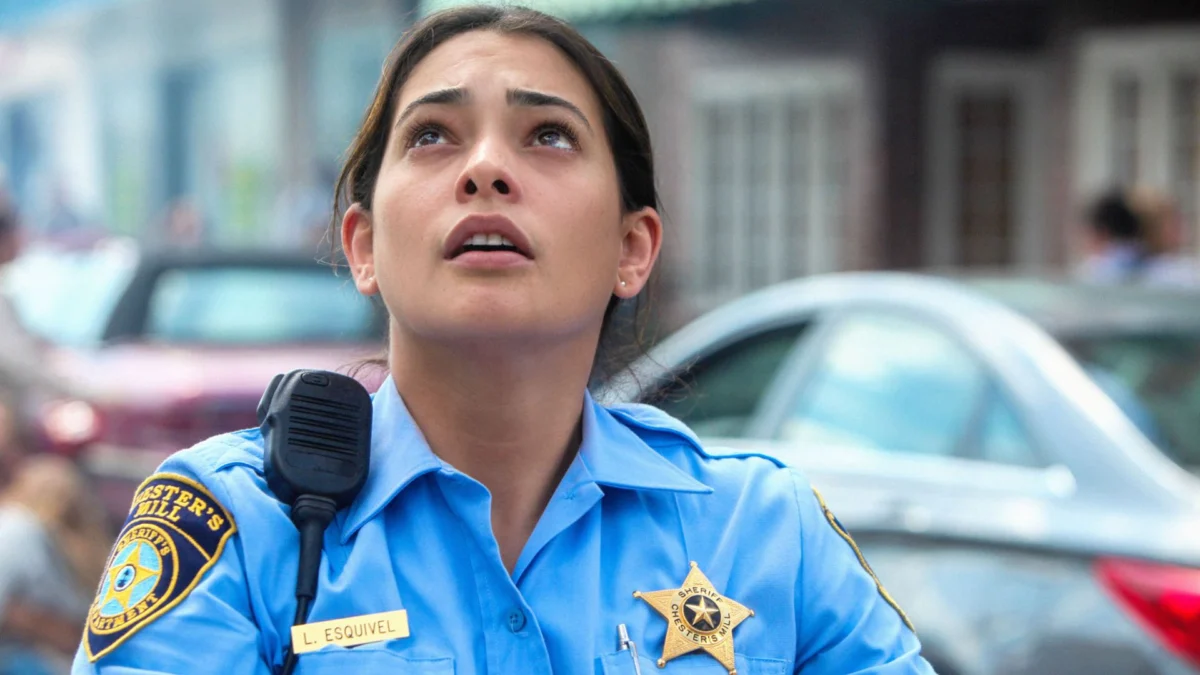
When CBS premiered its high-concept sci-fi thriller Under the Dome in the summer of 2013, television audiences were treated to one of the most compelling and heavily marketed premises in network history. Based on legendary horror and suspense author Stephen King’s 2009 bestselling novel of the same name, the three-season series chronicled the harrowing ordeal of Chester’s Mill—a sleepy, unsuspecting small town in Maine that is suddenly and inexplicably cut off from the rest of the world by an invisible, indestructible, and seemingly impenetrable barrier.
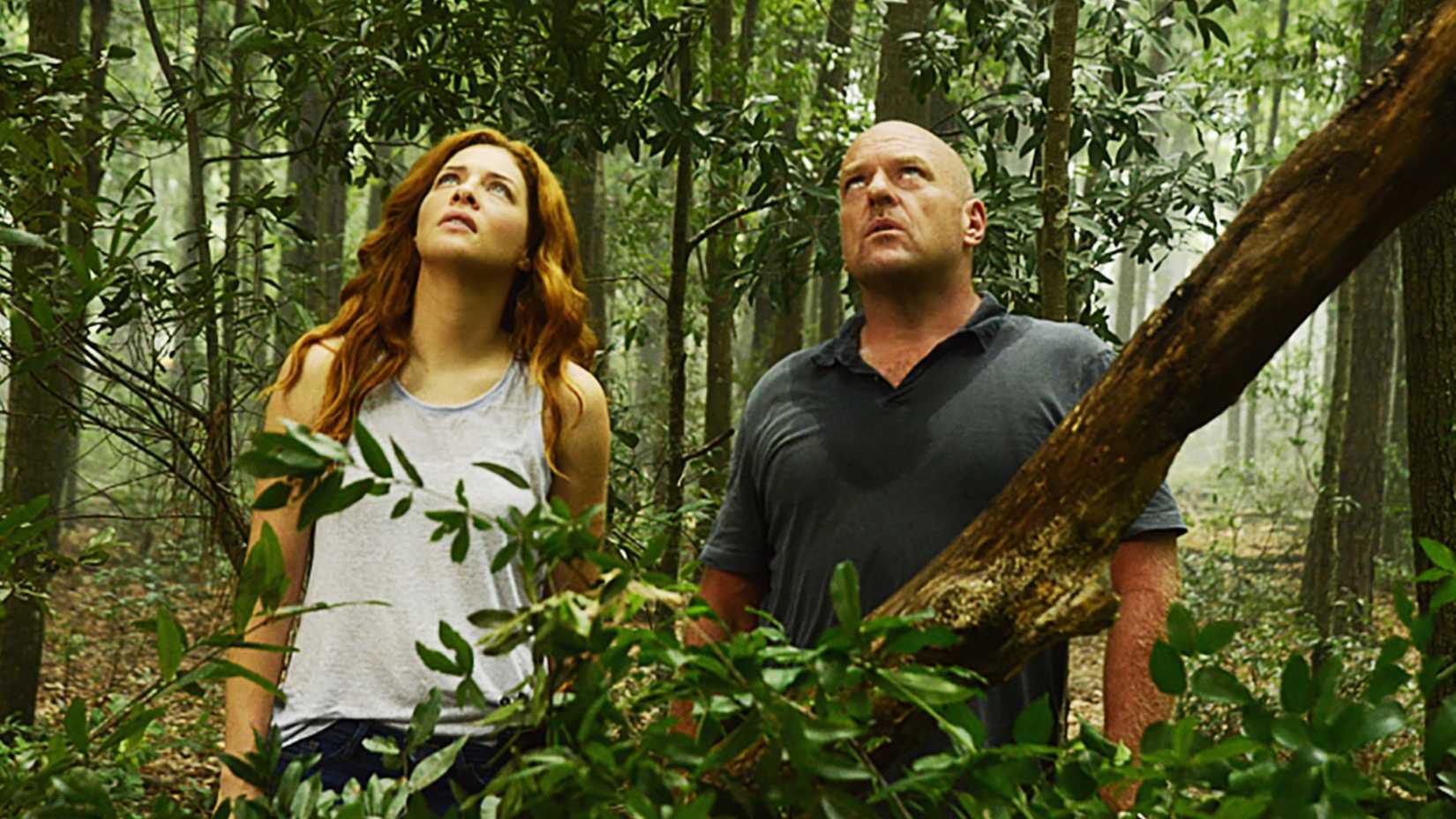
Executive produced by cinematic titan Steven Spielberg alongside author Stephen King, the show boasted an impressive ensemble cast, including Mike Vogel as military veteran Dale "Barbie" Barbara, Rachelle Lefevre as local reporter Julia Shumway, and Breaking Bad breakout star Dean Norris as the manipulative local politician James "Big Jim" Rennie.
Initially, Under the Dome was an undisputed ratings juggernaut. It captured the public’s imagination by blending high-stakes science fiction with claustrophobic small-town drama, examining human nature under absolute pressure. However, despite its blockbuster opening season, the series rapidly unraveled over its 39-episode run. By the time it concluded its three-season arc in 2015, it had transitioned from a promising prestige thriller into a cautionary tale of narrative drift, pacing issues, and the classic "mystery box" television trap.
Chronology: From Bestseller to Broadcast to Bureaucratic Decline
The Genesis and the Page (2009)
Stephen King published Under the Dome in November 2009, a massive 1,074-page epic that he had previously attempted to write twice in the 1970s and 1980s. While not typically grouped alongside his earliest breakout classics like Carrie, The Shining, or It, the novel was an immediate commercial success, hitting the top of bestseller lists and receiving largely favorable reviews for its allegorical look at totalitarianism, resource scarcity, and societal breakdown.
The Phenomenal Premiere (Summer 2013)
Recognizing the massive multimedia potential, CBS bypassed the traditional pilot process and gave Under the Dome a direct-to-series order. Spearheaded by showrunner Neal Baer, the series debuted on June 24, 2013. It immediately shattered records, drawing over 13.5 million viewers—making it the most-watched summer drama premiere on any broadcast network since 2000. Season 1 functioned as a masterclass in propulsive plotting, offering genuine surprises, chilling atmospheric dread, and cliffhangers that kept viewers guessing week after week.
The Sophomore Slump and Narrative Fracturing (2014)
As Under the Dome entered its second season, cracks began to show. Freed from the constraints of King’s original narrative path (since the first season had already burned through major plot points of the book), the writing room leaned heavily into convoluted mythologies, unearned character turns, and sci-fi tropes that felt increasingly detached from the grounded small-town horror that initially drew audiences in. Ratings began a steady, undeniable descent as viewers grew frustrated by perpetual obfuscation rather than genuine narrative progression.

The Final Curtain and Cancellation (2015)
By Season 3, the show had fully lost its grip on critical and popular favor. The introduction of bizarre alien concepts, subterranean resistance movements, and rushed character redemptions alienated the remaining core audience. In August 2015, CBS officially announced that the show would be canceled, with the series finale airing on September 10, 2015, wrapping up the dome’s mystery with a whimper rather than a bang.
Supporting Data and Production Metrics
To understand the trajectory of Under the Dome, one must look at the quantitative metrics tracking its broadcast run:
- Premiere Highs: Season 1 averaged roughly 11.2 million viewers per episode when factoring in Live+7 DVR playback, making it a monumental financial win for CBS in a traditionally low-viewership window (summer).
- The Ratings Slide: By the conclusion of Season 2, viewership had dropped to an average of around 7-8 million total viewers. Season 3 saw an even steeper decline, with live viewing figures dipping below 4 million for several episodes.
- Critical Reception Divergence: While Season 1 garnered a respectable approval rating on aggregator sites like Rotten Tomatoes (holding around 83% fresh early on), Season 2 and Season 3 plummeted significantly, with the final season sitting firmly in "rotten" territory due to perceived narrative incoherence.
- Creative Shifts: Showrunner Neal Baer and his team faced the unique challenge of sustaining a weekly serialized drama on a traditional broadcast network, requiring 13 episodes per season—a format that frequently forced writers to pad the narrative with filler episodes rather than focusing on tight, streamlined storytelling.
Official Responses and Industry Context
In the wake of the show’s cancellation, producers, network executives, and critics offered varied explanations for why Under the Dome ultimately failed to sustain its historic early momentum.

Network representatives initially praised the show’s adventurous spirit, emphasizing the difficulty of translating a sprawling, thousand-page novel into an ongoing television format. Showrunner Neal Baer frequently defended the show’s creative liberties, noting that a faithful adaptation of the book’s pitch-black, deeply cynical ending (where nearly the entire town dies) would have made a multi-season broadcast television run impossible.
However, industry analysts were quick to point out external cultural factors. Airing just a few years after the deeply divisive series finale of ABC’s Lost in 2010, Under the Dome arrived at a time when television audiences had grown profoundly skeptical of high-concept mystery boxes. Viewers were increasingly unwilling to invest emotional capital into shows that seemed to manufacture endless questions without any intention of delivering satisfying, logical answers.
This pattern—starting with a brilliant, tightly wound premise that gradually dissolves into narrative chaos—subsequently plagued other high-profile sci-fi properties of the era, most notably HBO’s ambitious Westworld reboot.
Implications for Modern Sci-Fi Television
The legacy of Under the Dome serves as a vital case study for contemporary television production, offering several key takeaways for streaming platforms and traditional networks alike as they continue to adapt sprawling speculative fiction.
- The Trap of Endless Serialization: The series demonstrated the dangers of stretching a contained premise past its natural expiration date. While networks naturally desire long-running franchises, high-concept thrillers often benefit more from limited series formats or predetermined, finite episode counts (a lesson modern streaming platforms have largely adopted).
- Book-to-Screen Departures: While deviations from source material are standard practice in adaptations, altering core rules established in a beloved novel can alienate built-in fanbases. When Under the Dome strayed too far from King’s foundational themes, it lost the thematic grounding that made the premise work in the first place.
- The Evolution of the Audience: Today’s television consumers demand tighter plotting, intentional pacing, and clear narrative destinations. The commercial rise of prestige limited series proves that audiences prefer concise, well-executed storytelling over the protracted, wheel-spinning mysteries that ultimately brought down Chester’s Mill.
Ultimately, while Under the Dome may not hold the untouchable, pristine legacy of The X-Files or the cultural milestone status of early Twin Peaks, its meteoric rise and subsequent stumbles remain an unforgettable chapter in 2010s television history—a reminder of how difficult it is to keep a massive sci-fi narrative anchored when the pressure to perform becomes as inescapable as the dome itself.
