
The Science of the Clone: Deconstructing the Visual Effects Behind X-24 in ‘Logan’

The 2017 film Logan, directed by James Mangold, is widely regarded as a watershed moment for the superhero genre. By trading the high-gloss aesthetic of typical comic book blockbusters for the gritty, visceral textures of a neo-Western, the film grounded its stakes in human fragility. However, the film’s most challenging technical hurdle was not its somber tone, but the creation of its primary antagonist: X-24.
A feral, younger clone of the protagonist, X-24 represented a significant digital feat. Brought to life through a combination of performance capture, digital prosthetics, and the seamless integration work of Image Engine, the character serves as a masterclass in modern visual effects.
Main Facts: The Concept of the Digital Double
At the heart of the X-24 narrative is the "uncanny valley"—the phenomenon where a digital replica of a human looks almost real, but triggers a sense of unease. To avoid this, the production team, led by VFX Supervisor Chas Jarrett, chose not to rely on a purely computer-generated model. Instead, the team utilized a complex hybrid approach.
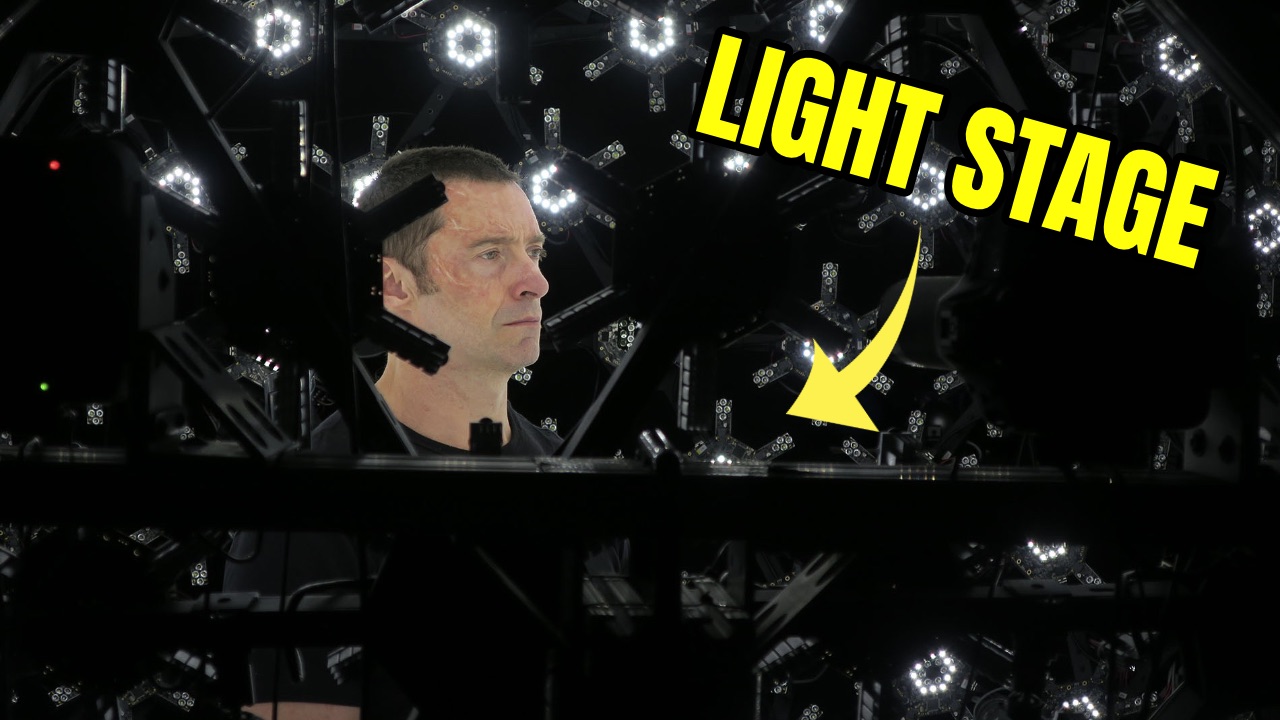
The actor Hugh Jackman, who portrayed both Logan and X-24, was required to perform the movements for both characters. For the scenes where the two iterations of Wolverine engage in combat, the production employed a stand-in—actor Daniel Bernhardt—who served as the physical reference for X-24. Image Engine then performed the heavy lifting of replacing Bernhardt’s performance with a high-fidelity digital version of a younger Hugh Jackman. This required thousands of hours of frame-by-frame digital sculpting, texture painting, and lighting matching to ensure that the clone felt as tangible as the aging Logan standing across from him.
Chronology: From Concept to Screen
The development of X-24 followed a rigorous production schedule that prioritized realism over spectacle:
- Pre-Production Scanning (Early 2016): Hugh Jackman underwent extensive facial scanning to create a "digital asset" that captured his likeness from the X-Men films of the early 2000s. This archival data served as the foundation for the X-24 model.
- On-Set Photography and Performance Capture: During the principal photography, Daniel Bernhardt wore tracking markers during complex action sequences. This allowed Image Engine to track the motion of the fight scenes accurately.
- Post-Production Compositing (Late 2016): Once the plates were locked, the VFX team began the laborious process of "digital grafting." They replaced the head and limbs of the stand-in with the younger, CG-rendered version of Jackman, ensuring that the skin pores, stubble, and even the subtle muscle twitches matched the film’s lighting environment.
- Final Color Grading and Integration (Early 2017): The final step involved blending the digital character into the film’s desaturated, high-contrast color palette, ensuring that the CG skin reacted appropriately to the harsh sunlight and the blood-soaked environments of the film’s climax.
Supporting Data: The Technical Complexity of Digital Skin
The visual fidelity of X-24 was not achieved by magic, but by the relentless pursuit of physical accuracy. Image Engine utilized specialized subsurface scattering shaders—a technical process that simulates how light penetrates human skin and scatters beneath the surface.

According to behind-the-scenes data, the team focused on:
- Micro-geometry: Every pore, scar, and wrinkle was hand-sculpted in ZBrush.
- Dynamic Lighting: The model was subjected to HDR lighting captures from the set, ensuring that when X-24 stood in the shadows of the forest or the glare of the desert, the digital skin reflected the environment with 99% accuracy.
- Muscle Deformation: Unlike earlier digital doubles that often suffered from "stiff" movement, X-24’s musculature was built with a physics-based simulation that accounted for the strain of combat, allowing for natural vein popping and skin stretching during exertion.
Official Responses and Creative Intent
In interviews regarding the production of Logan, director James Mangold emphasized that he did not want X-24 to feel like a "video game character." His directive to the VFX team was simple: "Make it look like a stunt man, not a polygon."
Image Engine’s involvement was critical in fulfilling this mandate. By treating X-24 as a physical entity rather than a digital creation, the studio ensured that the audience remained focused on the emotional weight of the confrontation rather than the technical construction of the villain. The use of practical effects—such as makeup and blood rigs on the set—provided the "base reality" that allowed the digital VFX to blend seamlessly. This hybrid approach allowed the film to bypass the common critique of modern blockbusters: that they rely too heavily on "CGI bloat."

Implications: The Future of Digital Doubles
The success of X-24 in Logan signaled a shift in the film industry’s approach to aging and character replacement. By proving that a younger version of a legendary character could be rendered with enough nuance to stand toe-to-toe with the actual actor in the same frame, the industry opened the door for new narrative possibilities.
However, the creation of X-24 also sparked ongoing ethical debates regarding the "digital immortality" of actors. While Logan used these tools to serve a specific, grounded narrative, the capability to recreate actors at any age raises questions about consent and the future of performance art.
From a technical standpoint, the work done on Logan serves as a benchmark for boutique VFX houses. It demonstrated that even with a limited budget compared to massive studio franchises, meticulous attention to detail can produce results that define the visual language of a generation.

Conclusion: A Legacy of Craftsmanship
As the industry continues to evolve, the lessons learned during the creation of X-24 remain relevant. It is a reminder that the best visual effects are often those that go unnoticed. By focusing on the interplay between the human actor and the digital clone, Image Engine created a villain that was not only a technical marvel but a deeply threatening presence that elevated the film’s final act.
In a cinematic landscape increasingly dominated by generative AI and automated processes, the manual, painstaking craftsmanship that went into X-24 serves as a testament to the enduring power of human artistry. The character of X-24 is more than just a clone; he is a milestone in the history of visual effects, proving that when technology is wielded with creative intent, the line between reality and illusion can disappear entirely.
For those interested in the deep history of visual effects, Ian Failes’ book, "WOAH! Great Moments in Effects History Vol. 1," provides an exhaustive look into the pioneers who paved the way for characters like X-24. You can find more information and resources on mastering these techniques through the befores & afters community and their ongoing coverage of the craft.
