
When the Page Becomes a Blueprint: 5 Times Fantasy Masterpieces Transcended Their Books on Screen
LOS ANGELES — In the vast ecosystem of literary adaptations, the phrase "the book was better than the movie" functions almost as an unwritten law of pop culture. For nearly as long as cinema has existed as a storytelling medium, filmmakers have attempted to capture the bound-paper magic of legendary fantasy literature, frequently falling short of the immersive depth, rich prose, and imaginative heights established by their source material.
Yet, exceptions to this rule exist—rare, brilliant anomalies where visionary directors, meticulous screenwriters, and sublime visual artists take already-exceptional fantasy books and elevate them into cinematic masterpieces that arguably surpass the written word.
Whether transforming a poignant Young Adult exploration of grief into a towering visual feat or turning a witty meta-satire into an immortal swashbuckling classic, the cinema possesses a unique, sensorial toolkit. Through breathtaking visual storytelling, tighter narrative structures, and visceral auditory landscapes, these five cinematic adaptations proved that a page can sometimes serve merely as a blueprint for something even greater.
Main Facts: The Intersection of Literature and Cinema
The journey from a printed fantasy novel to a high-end cinematic adaptation is fraught with creative friction. However, specific milestones in film history have demonstrated that adaptation can be an act of elevation rather than mere translation.
- The Medium Advantage: While literature relies on internal monologue and imaginative co-creation, film utilizes sound design, performance, score, and cinematography to forge an immediate, shared emotional impact.
- Authorial Collaboration: Several of the most successful adaptations featured direct involvement from the original authors (such as William Goldman and Patrick Ness), ensuring thematic fidelity while embracing cinematic expansion.
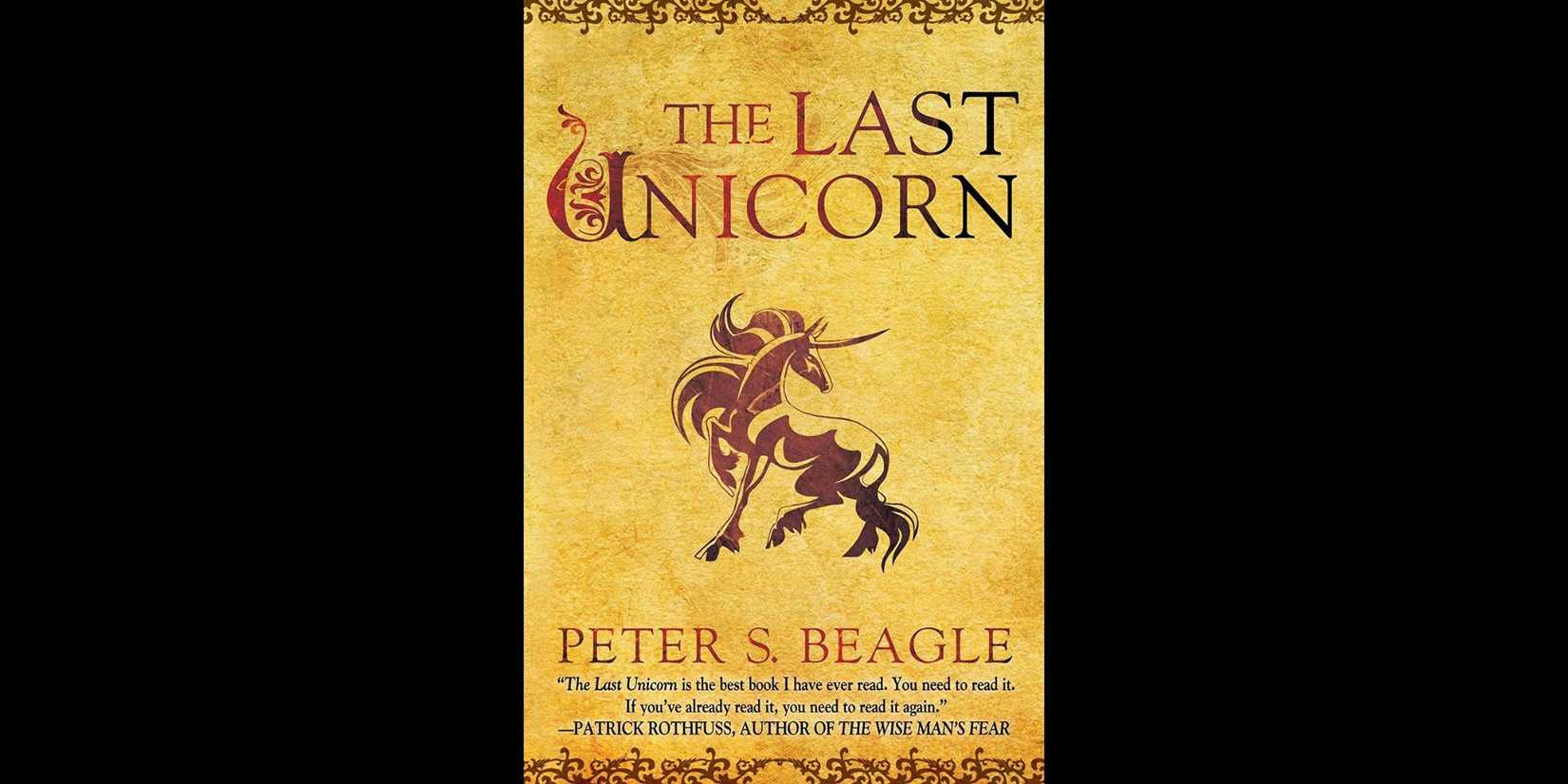
- Animation as Liberation: For dense, surreal, or deeply metaphorical works—such as Peter S. Beagle’s The Last Unicorn or Hayao Miyazaki’s take on Diana Wynne Jones’ Howl’s Moving Castle—animation provided the only logical medium to bypass the physical limitations of live-action filmmaking, allowing pure imagination to take physical form.
Chronology of Adaptation: From Page to Screen
The evolution of how Hollywood and international studios have approached "untouchable" fantasy masterpieces spans over half a century, tracing a path from hand-drawn cult classics to modern stop-motion marvels.
1. The Last Unicorn (Book: 1968 / Film: 1982)
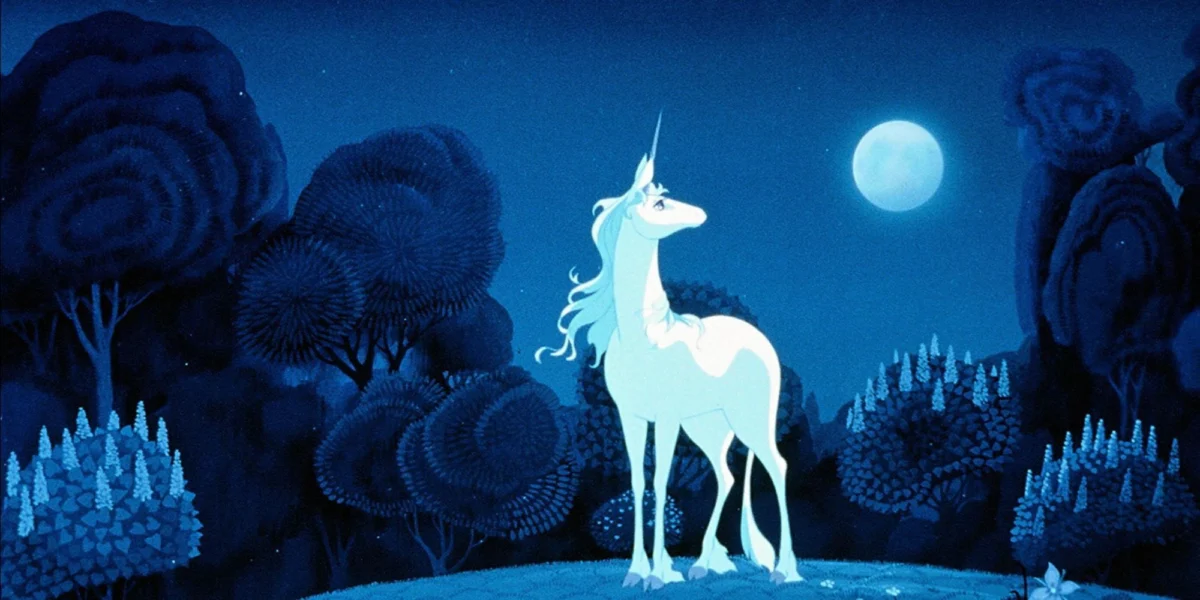
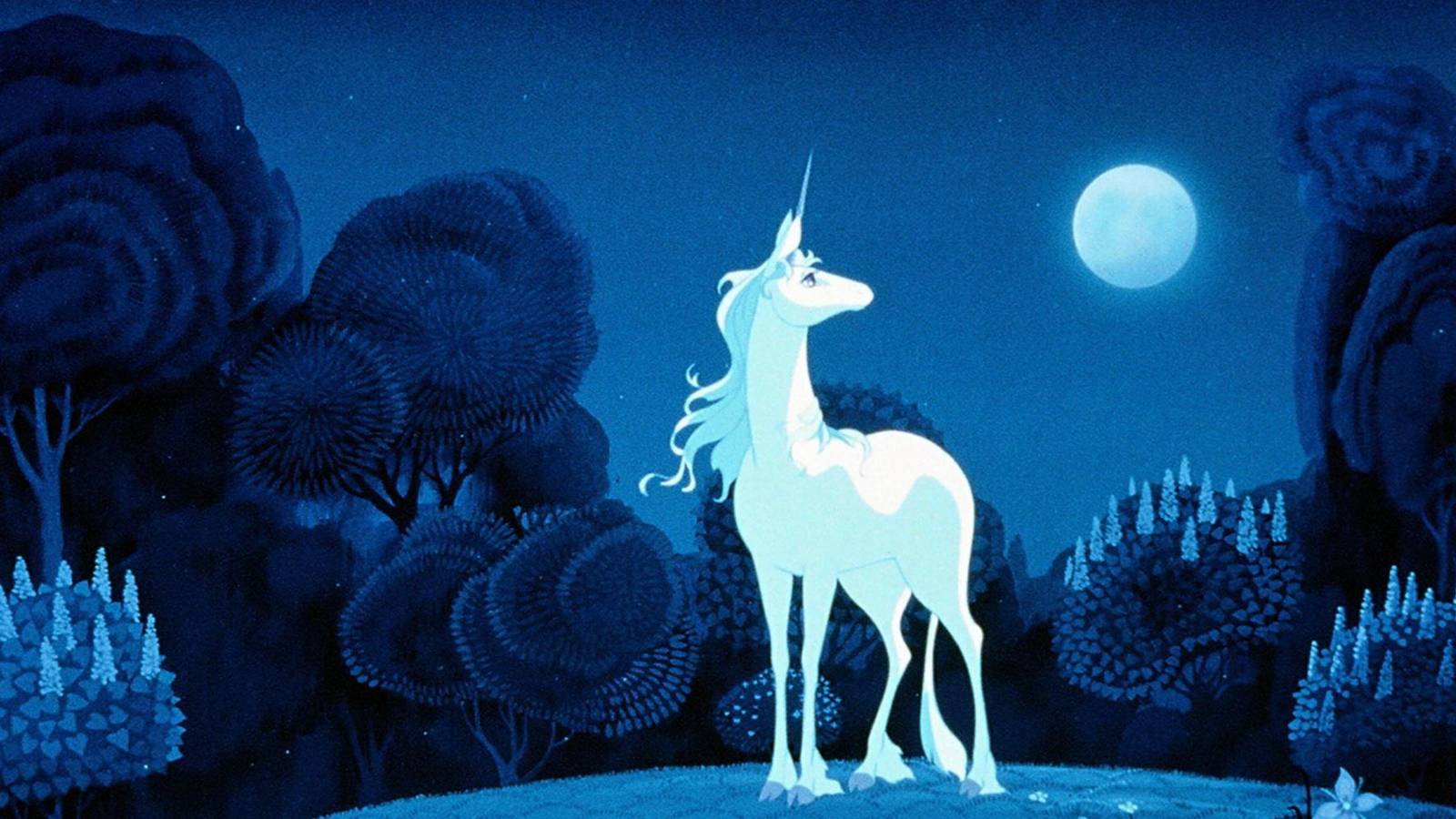
Peter S. Beagle’s poetic, philosophically dense novel reshaped modern fairy tale storytelling when it hit shelves in 1968. Recognizing that live-action could never capture the surreal, melancholic weight of the prose, Beagle penned the screenplay for Arthur Rankin Jr. and Jules Bass’s animated adaptation. Produced in Tokyo by an animation team that would later form the bedrock of Studio Ghibli, the film cultivated a devoted cult following that viewed the movie’s atmospheric visuals and haunting score as the definitive iteration of the tale.

2. The Princess Bride (Book: 1973 / Film: 1987)
Before William Goldman became one of Hollywood’s most revered screenwriters, he crafted a satirical, genre-bending novel born from a bedtime story request by his daughters. Fourteen years later, director Rob Reiner collaborated with Goldman to adapt the book into a live-action feature. By casting Cary Elwes, Robin Wright, and Mandy Patinkin, the cinematic adaptation breathed human warmth and iconic comedic timing into the text, instantly cementing itself as a towering cultural touchstone.
3. Howl’s Moving Castle (Book: 1986 / Film: 2004)
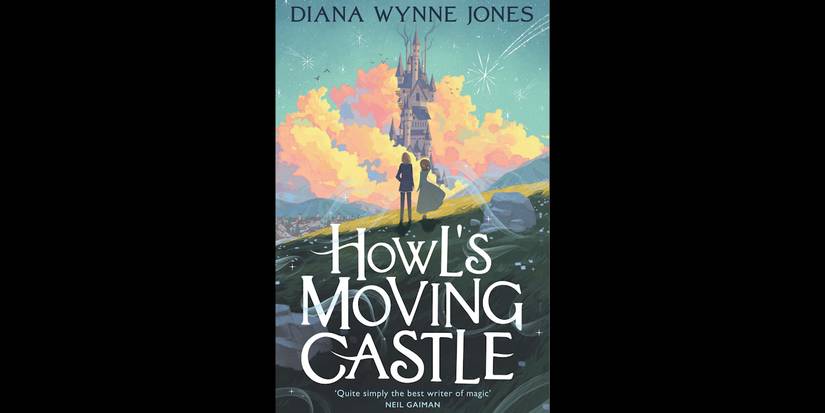
British literary icon Diana Wynne Jones published her sharply witty, convention-subverting masterpiece in 1986. Nearly two decades later, master animator Hayao Miyazaki encountered the book, latching onto the hypnotic central image of a castle stomping across the countryside. Miyazaki transformed Jones’ intricate novel into an anti-war anime epic infused with lush romance, breathtaking vistas, and an unforgettable score by Joe Hisaishi.
4. Coraline (Book: 2002 / Film: 2009)
Neil Gaiman originally conceived his chilling horror-fantasy novella as a bedtime story for his young daughters. Initially met with skepticism from early editors who feared the manuscript was too frightening for children, the book eventually became a literary success. When director Henry Selick—renowned for The Nightmare Before Christmas—teamed up with Gaiman, he expanded the narrative structure through painstaking stop-motion animation, creating a gothic, visually staggering cinematic milestone.
5. A Monster Calls (Book: 2011 / Film: 2016)
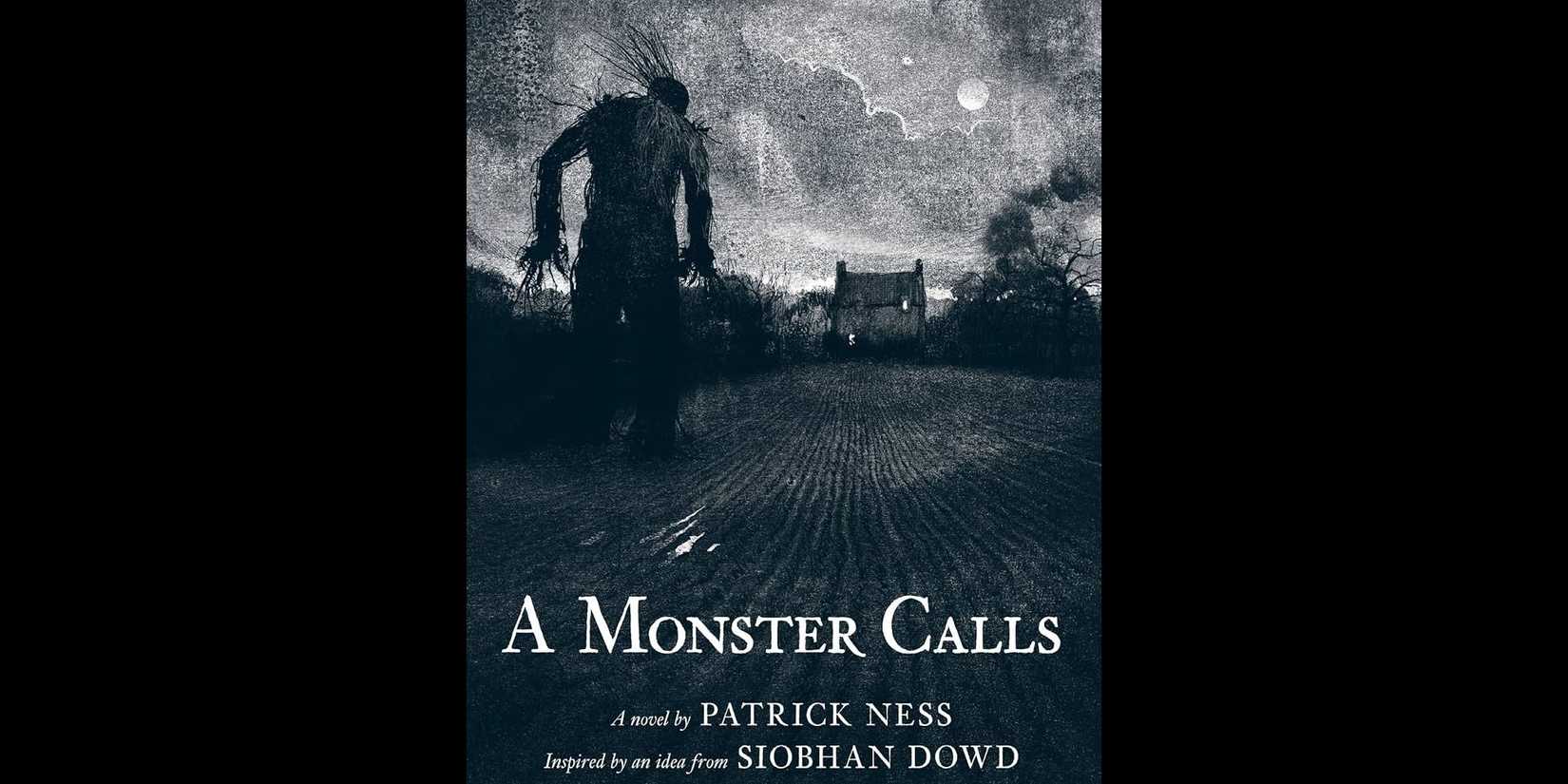
Conceived originally by British author and activist Siobhan Dowd during her battle with terminal cancer, the story was finished by Patrick Ness following Dowd’s passing in 2007. Published in 2011 to widespread acclaim, Ness himself adapted the screenplay for director J.A. Bayona’s 2016 film. By integrating visceral CGI, evocative animated segments, and gut-wrenching performances, the film successfully amplified the emotional and thematic core of the novel.
Supporting Data & Cultural Impact
While box office returns vary across these titles—some were immediate commercial successes like The Princess Bride, while others like The Last Unicorn and A Monster Calls found their flowers as beloved cult masterpieces and hidden-gem critical darlings—their cultural longevity speaks volumes.
- Critical Consensus: Review aggregates across platforms like Letterboxd and Rotten Tomatoes consistently rank films like Coraline and Howl’s Moving Castle significantly higher in public consciousness than their already-acclaimed literary counterparts, largely due to their distinct visual identities.
- Genre Redefinition: Works like The Princess Bride proved that fantasy could successfully cross-pollinate with meta-commentary and comedy without losing its high-stakes emotional gravity.
- Generational Bridging: Stop-motion and traditional animation adaptations (Coraline, The Last Unicorn) act as crucial gateway texts, introducing young audiences to complex themes of mortality, grief, and existential dread through stunning, accessible visual mediums.
Official Perspectives and Behind-the-Scenes Insights
The success of these transitions often hinged on a delicate balance between respecting the original author’s intent and granting the filmmaker the autonomy to reinvent the material.
When Henry Selick took on Coraline, he recognized that a literal, page-by-page translation would fail to harness the medium of stop-motion. By expanding the secondary characters and intensifying the tactile, handmade dread of the Other World, Selick created a symbiotic relationship with Gaiman’s text. Gaiman frequently noted that the film stands shoulder-to-shoulder with his book precisely because it dares to be its own distinct artistic entity.
Similarly, when Patrick Ness transitioned from novelist to screenwriter for A Monster Calls, he approached the adaptation not as a prison guard protecting his prose, but as an architect tasked with building a sturdier emotional house. Working alongside J.A. Bayona, Ness utilized the cinematic canvas—specifically the symbolic weight of the monster and the striking watercolor-esque animation interludes—to externalize the internal trauma of young Conor O’Malley in ways ink on paper simply cannot replicate.
Implications for the Future of Adaptation
The enduring triumph of these five adaptations offers a vital lesson for the entertainment industry: true adaptation is not an act of mimicry, but of translation. As Hollywood continues to mine fantasy literature for intellectual property—turning massive book series into sprawling streaming franchises—the temptation to treat source material as a sacred, unalterable script often leads to bloated, unimaginative filmmaking.
The films that stand the test of time, much like The Princess Bride or Howl’s Moving Castle, are those where filmmakers treat the book not as a master to be obeyed, but as a spark to ignite an entirely new fire. By leveraging the specific strengths of cinema—sound, scale, performance, and movement—these creators proved that when the right book meets the right director, the screen can indeed outshine the page.
