
Oppo Find X10 Pro Max Redefines Mobile Videography With Industry-First Triple 200MP Camera System and 8K OpenGate Recording
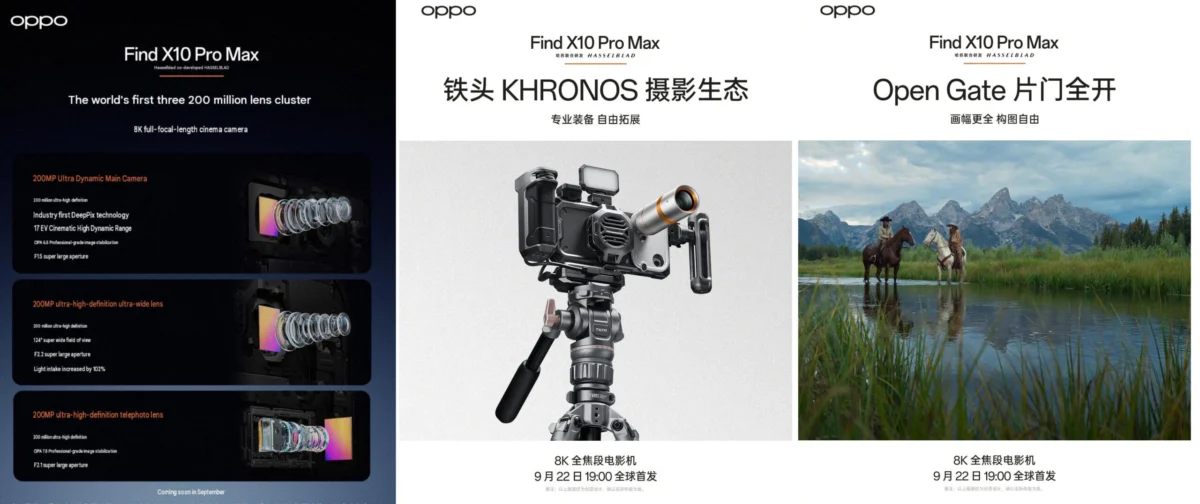
BEIJING — In a landmark release that blurs the boundaries between professional cinema hardware and pocket-sized mobile devices, Oppo has officially launched its flagship Oppo Find X10 Pro Max in China. The device introduces an unprecedented triple 200-megapixel camera cluster engineered to meet the rigorous demands of professional photographers and videographers.
The unveiling comes amid an escalating war for mobile imaging supremacy. While competitors like Honor are turning heads with cinematic camera islands—such as the upcoming Honor Magic9 Pro Max featuring dual 200MP and 50MP sensors—Oppo has leapfrogged the competition by outfitting its top-tier flagship with three uniform 200MP sensors across its wide, telephoto, and ultra-wide lenses.
Designed in deep partnership with iconic camera maker Hasselblad, the Find X10 series is structured to serve as a comprehensive mobile studio. Alongside the Pro Max, the lineup includes the entry-level Find X10 E, featuring a Hasselblad ultra-high-resolution imaging system, and the standard Find X10, which introduces a dual 200MP setup to a non-pro device for the first time. However, it is the Pro Max that commands the spotlight, positioning itself not merely as a smartphone, but as a serious filmmaking tool.
Main Facts: A New Paradigm in Computational and Optical Photography
The core narrative of the Oppo Find X10 Pro Max is its hardware configuration, which breaks away from traditional asymmetrical smartphone camera arrays.
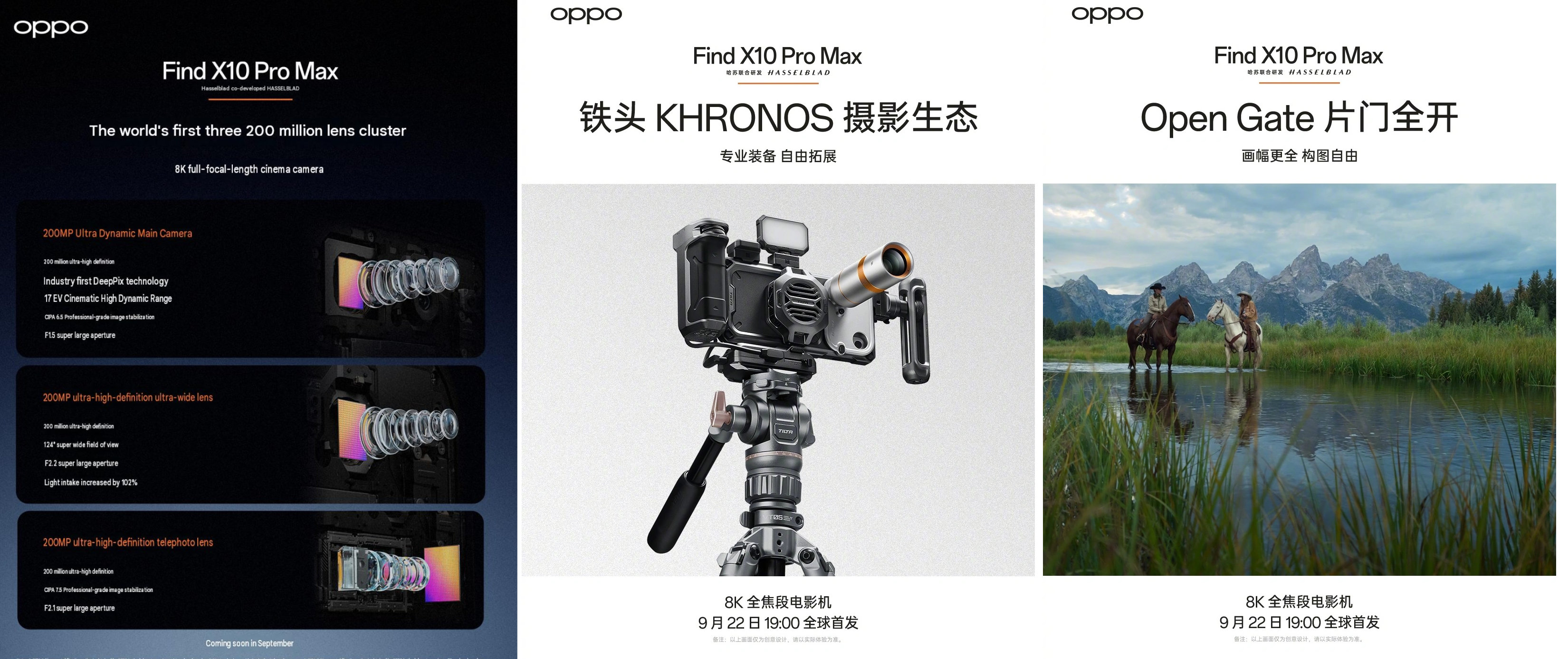
- Industry-First Triple 200MP Setup: The Pro Max swaps the 50MP ultra-wide sensor seen on previous generations for a 200MP powerhouse. This means the wide, ultra-wide, and telephoto lenses are all powered by ultra-high-resolution 200MP architecture.
- The Samsung ISOCELL HPC Sensor: Moving away from the Sony Lytia sensors of the past, the main wide camera on the Pro Max utilizes Samsung’s newly minted, mass-produced ISOCELL HPC 1/3-inch sensor.
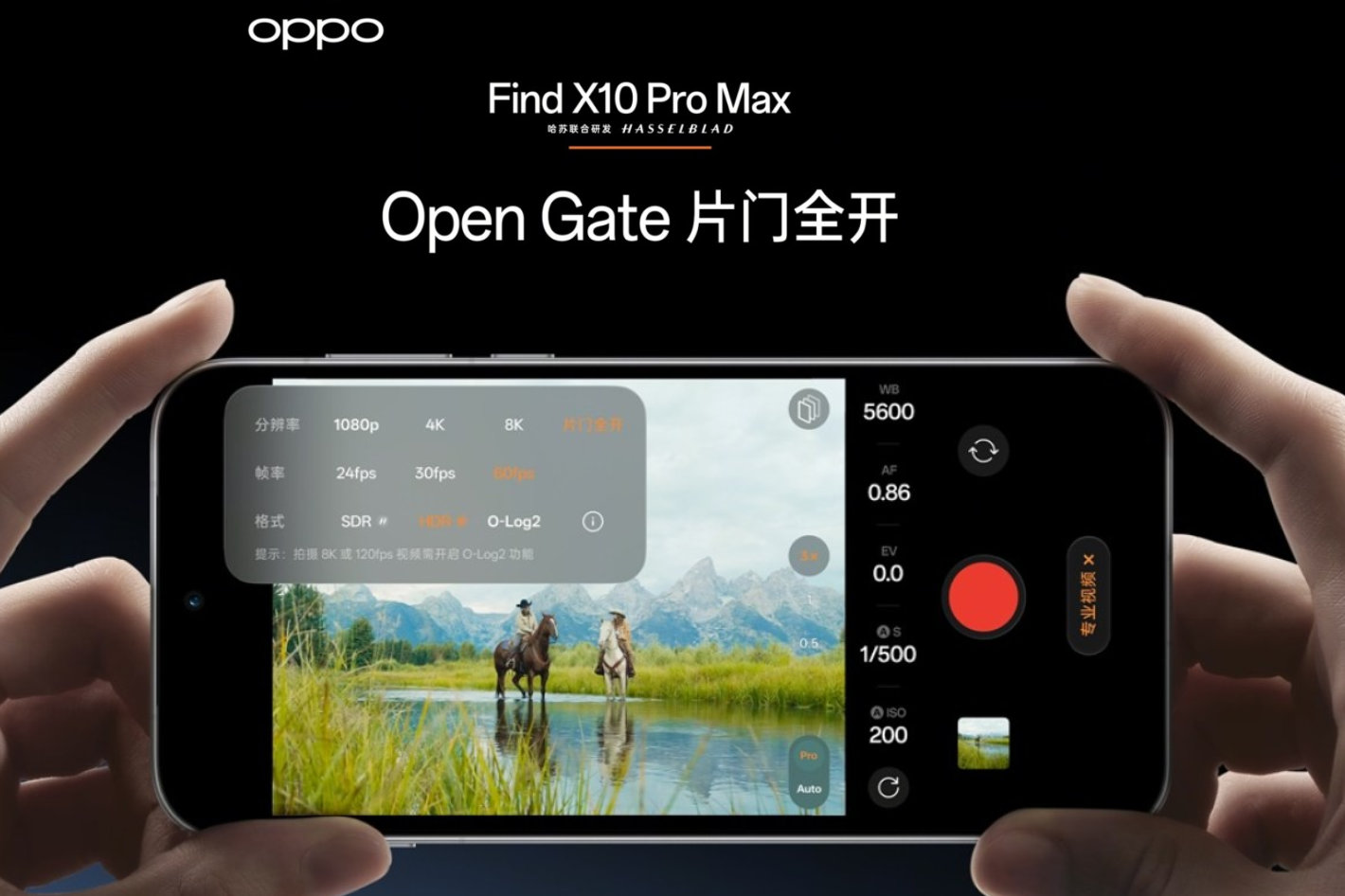
- Cinematic Capabilities: The device supports 8K Log recording across its entire focal range and introduces OpenGate capture in a 4:3 aspect ratio across all lenses, giving creators maximum flexibility for post-production reframing.
- Professional App Integration: Native support for the Blackmagic Camera app brings professional-grade workflows—including O-Log2 and OpenGate recording—directly into the hands of mobile creators.
- Under the Hood: Powered by the cutting-edge MediaTek Dimensity 9600 Pro, the phone is among the first to market with this high-performance silicon.
- Global Availability & Pricing: Launched initially in China, the Find X10 Pro Max will see a global rollout. Configurations range from 12GB to 16GB of RAM and storage options spanning 256GB to 1TB. The top-tier 16GB/1TB model is priced at 8,999 yuan (approximately $1,340 USD).
Chronology: The Evolution from the Find X9 Ultra to the X10 Series
To understand the magnitude of the Oppo Find X10 Pro Max, one must look at the rapid, aggressive trajectory of Oppo’s engineering choices over the past few generations.
The Foundation: The Oppo Find X9 Ultra
The predecessor to the current lineup, the Find X9 Ultra, set a high bar for mobile photography through its Hasselblad Master Camera System. It utilized a mixed-sensor array:
- A 50MP ultra-wide (14mm, 1/1.95-inch sensor)
- A 200MP main wide camera (23mm, 1/1.12-inch Sony Lytia 901 sensor)
- A 200MP 3x telephoto (70mm, 1/1.28-inch sensor)
- A 50MP 10x telephoto (230mm)
Driven by Oppo’s proprietary LUMO Image Engine, the X9 Ultra promised the equivalent of eight professional lenses in a pocket-sized device, offering focal lengths ranging from macro up to 460mm through seamless digital and optical transitions.
The Pivot: The Oppo Find X10 Series Launch
Fast-forward to today, and Oppo has restructured its portfolio into a three-tiered ecosystem:
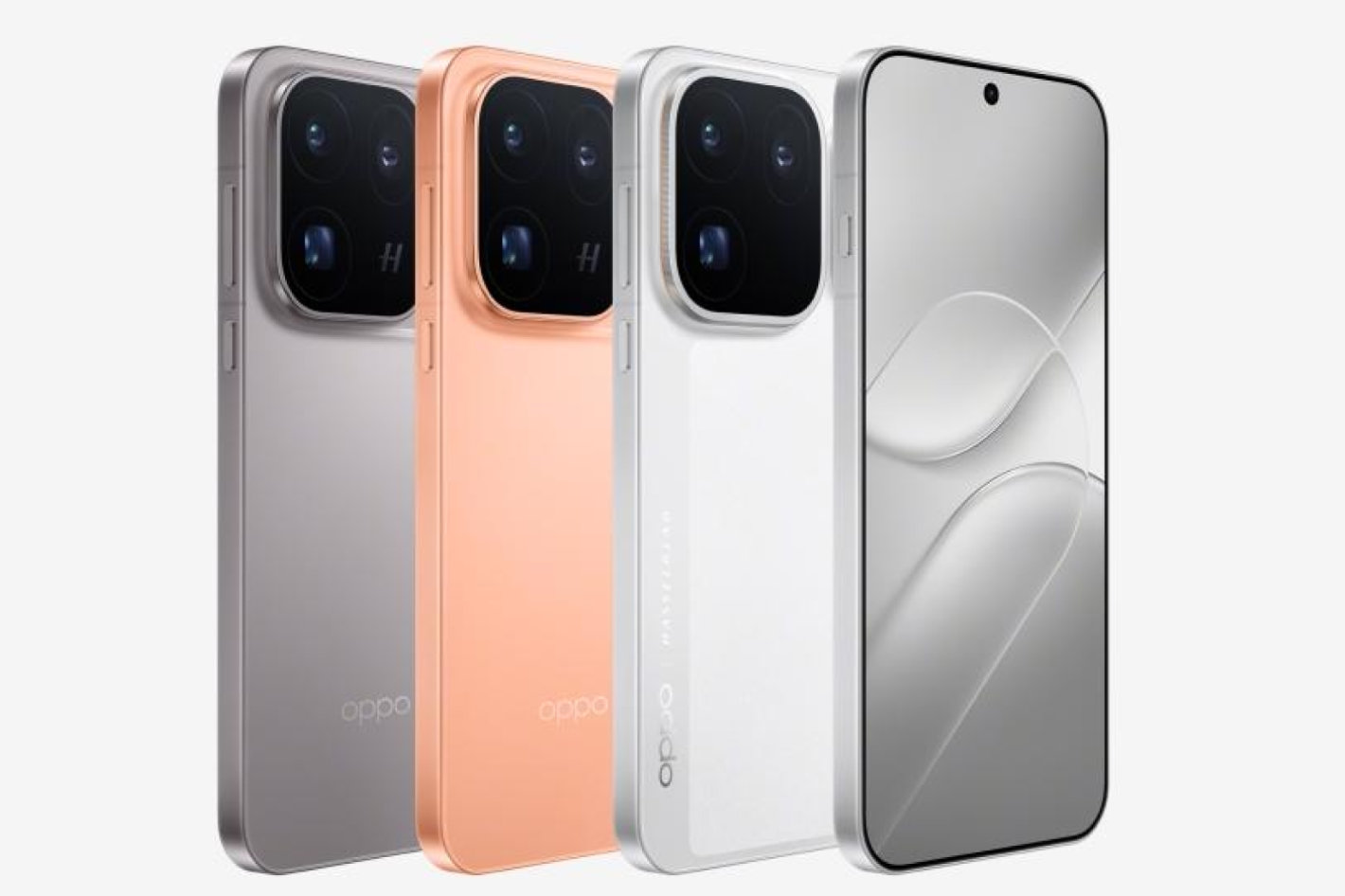
- Oppo Find X10 E: The accessible entry point equipped with baseline Hasselblad tuning.
- Oppo Find X10: The standard edition that normalizes dual 200MP sensors for mainstream consumers.
- Oppo Find X10 Pro Max: The ultimate flagship engineered specifically to shatter hardware limitations by unifying sensor resolutions across the primary optical spectrum.
Alongside the device launch, Oppo confirmed ecosystem expansion, announcing dedicated Tilta accessories (following up on the popular Khronos Creator Kit) and a customized Hasselblad teleconverter kit compatible with both the Pro Max and standard Find X10 models.
Supporting Data: Deep Dive into the Samsung ISOCELL HPC Sensor
The architectural shift in the Find X10 Pro Max is anchored by Samsung’s advanced ISOCELL HPC image sensor. Technical data released by Samsung highlights several groundbreaking engineering achievements:
DeepPix Technology and Enhanced HDR
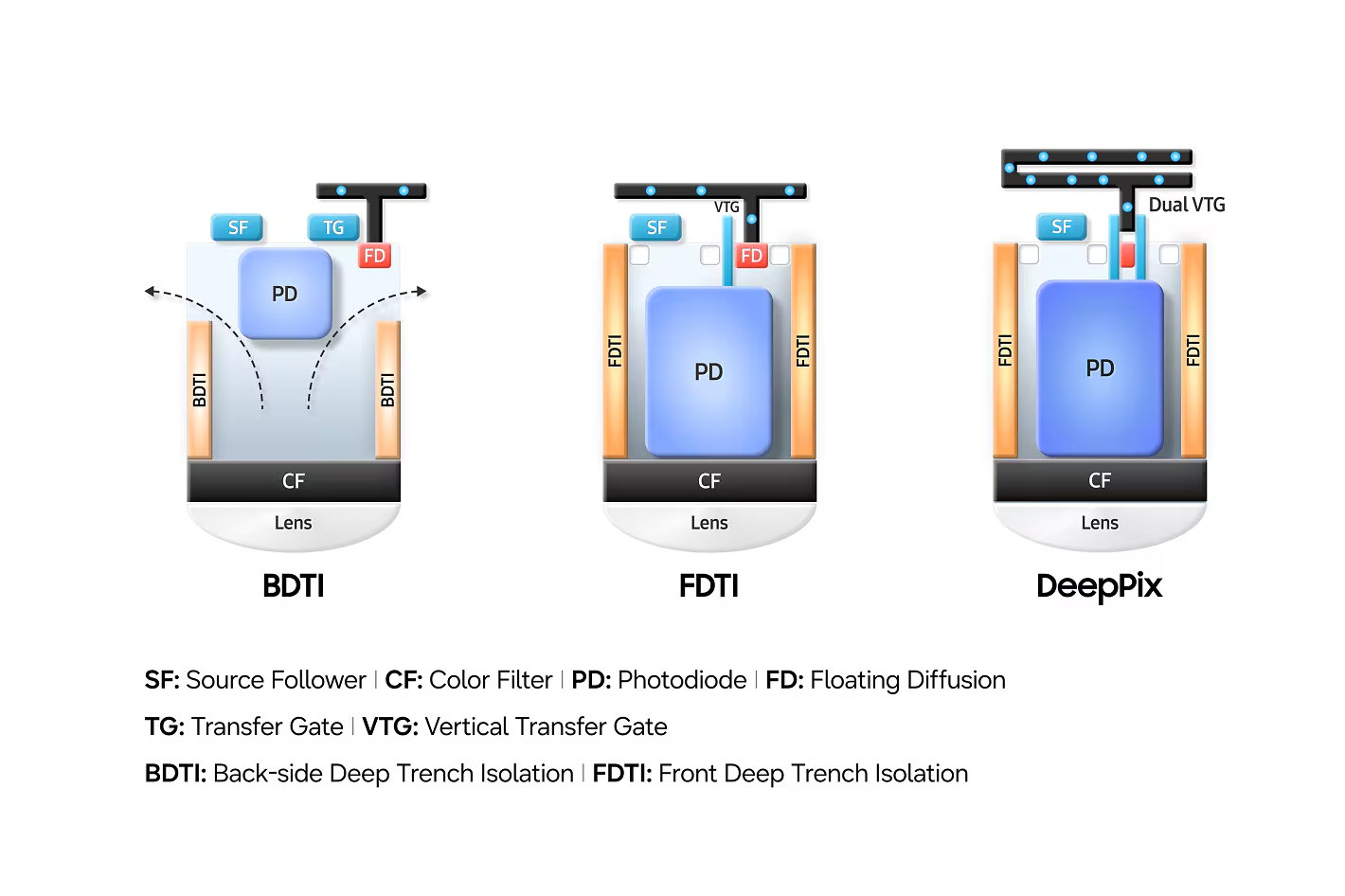
The ISOCELL HPC introduces Samsung’s DeepPix technology, fundamentally altering how light is captured at a sub-pixel level. Traditional sensors struggle with high-contrast environments, often blowing out highlights or crushing shadows. The ISOCELL HPC addresses this by supporting single-frame 16-bit HDR.
According to Samsung’s whitepapers, this capability delivers up to four times richer color expression compared to conventional HDR architectures. Whether shooting under harsh midday sunlight or navigating difficult backlit cinematic scenes, the sensor preserves subtle tonal graduations and natural skin tones without introducing artificial sharpening artifacts.
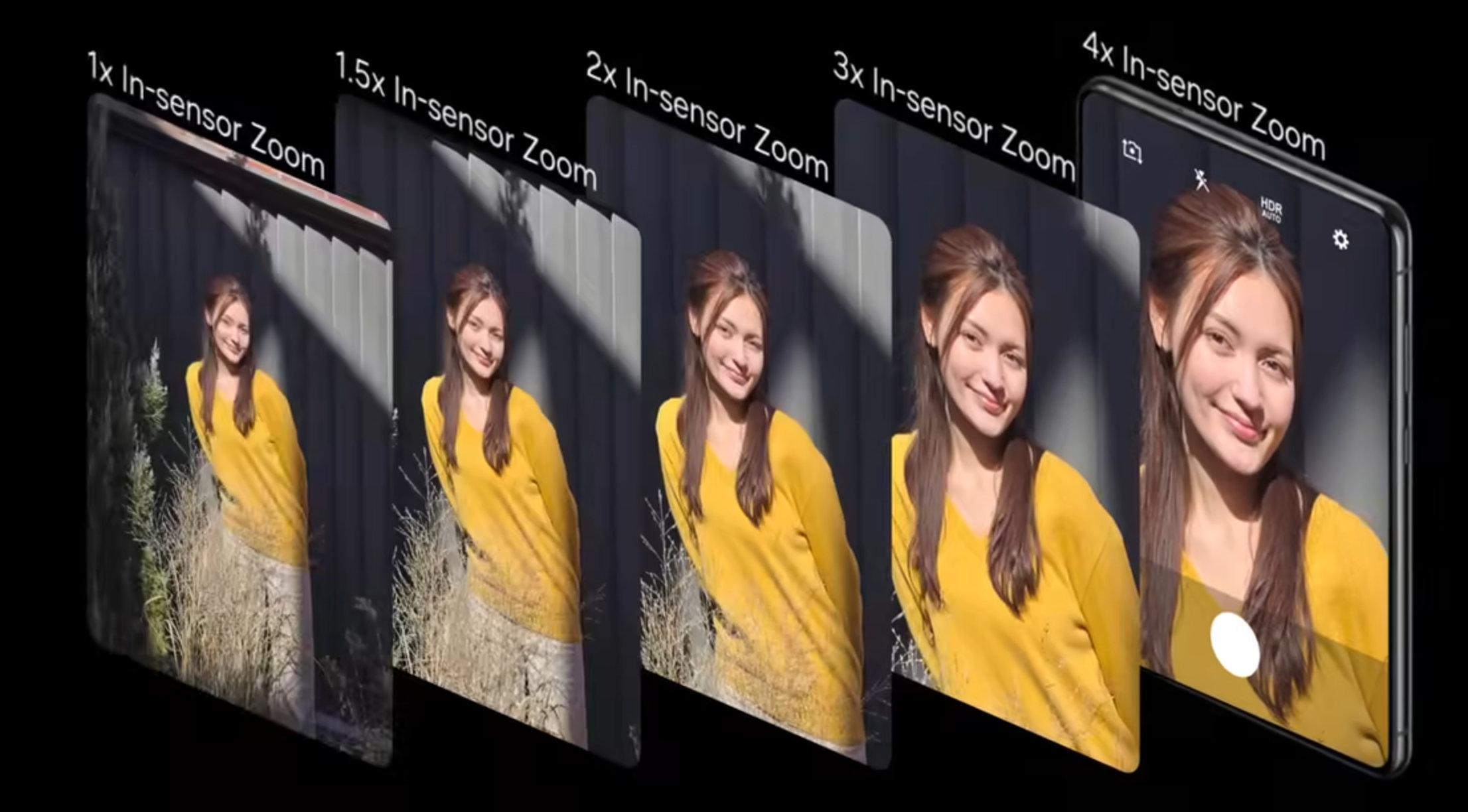
Extended In-Sensor Zoom HDR
Historically, advanced HDR processing on mobile devices has been restricted to primary, native focal lengths. If a user zoomed in digitally or switched lenses, HDR performance frequently degraded.
The ISOCELL HPC changes this dynamic by extending single-frame HDR across multiple native and in-sensor zoom ratios: 1x, 1.5x, 2x, 3x, and 4x. By integrating intelligent in-sensor downscaling algorithms, the camera maintains pristine dynamic range and exposure consistency across the entire zoom spectrum.
High Frame Rate Video Capabilities
For videographers requiring slow-motion footage, the sensor supports 4K video capture at up to 180 frames per second (fps). This allows creators to capture buttery-smooth cinematic b-roll with high-resolution clarity, bridging the gap between action cinematography and dramatic artistic expression.
Official Responses and Industry Perspectives
Oppo and its strategic partners have framed the Find X10 Pro Max as a watershed moment for mobile content creation.
"Our mission with the Find X-series has never been about simply increasing megapixel counts for marketing metrics," noted an Oppo product spokesperson during the launch event in China. "It is about providing directors, videographers, and visual artists with uncompromising tools. By unifying our primary optical array around three 200MP sensors and introducing comprehensive 8K OpenGate recording, we are eliminating the friction between professional cinema gear and mobile capture."
The collaboration with Blackmagic Design has also drawn significant praise from digital filmmakers. By bringing native integration for the Blackmagic Camera app—including professional monitoring tools, O-Log2 color profiles, and OpenGate formatting—Oppo is actively courting independent filmmakers who utilize smartphones as B-cameras or primary crash-cams on professional sets.
Furthermore, Samsung’s engineering division has emphasized the collaborative nature of modern sensor deployment. By placing the ISOCELL HPC into a mobile chassis designed for heavy-duty video workflows, Samsung sees the Find X10 Pro Max as the ideal showcase for DeepPix technology in the wild.
Implications: What the Find X10 Pro Max Means for the Future of Filmmaking
The release of the Oppo Find X10 Pro Max sends clear shockwaves through both the smartphone and professional cinematography industries. Several key implications emerge from this launch:
1. The Normalization of Ultra-High-Resolution Multi-Camera Arrays
For years, manufacturers relied on a single primary ultra-high-resolution sensor supplemented by lower-resolution secondary and tertiary lenses (often 12MP or 50MP) for ultra-wide and telephoto duties. Oppo’s decision to implement three 200MP sensors establishes a new baseline expectation for flagship devices. Consumers and professionals will increasingly demand uniform image quality across every lens switch, reducing the visual degradation traditionally experienced when jumping from a wide shot to an ultra-wide or telephoto perspective.
2. The Convergence of Mobile and Cinema Workflows
With features like 8K Log recording, OpenGate 4:3 capture, and direct Blackmagic Camera app integration, mobile devices are no longer treated as casual snapshot tools. Filmmakers can shoot footage on a smartphone that matches the color science, aspect ratio flexibility, and dynamic range required for seamless integration into high-end Hollywood or commercial post-production pipelines. The inclusion of professional rigging support—such as Tilta accessory compatibility and Hasselblad teleconverter kits—further solidifies the device’s place on a professional film set.
3. Heightened Competition in the Ultra-Premium Flagship Segment
As brands like Oppo and Honor push the envelope with specialized camera islands, massive sensor footprints, and advanced computational engines, the battleground for consumer loyalty has shifted decisively toward imaging performance. With the Find X10 Pro Max launching globally at competitive price points relative to its hardware payload, rival manufacturers will be forced to accelerate their own multi-sensor innovations.
Conclusion
The Oppo Find X10 Pro Max represents a bold evolutionary leap for mobile photography. By combining Samsung’s state-of-the-art ISOCELL HPC sensor, Hasselblad’s legendary color science, professional-grade software partnerships, and an uncompromising triple 200MP hardware layout, Oppo has delivered a device that doesn’t just mimic professional cameras—it proudly stands alongside them.
