
Withholding the Monster: How DC Studios’ Clayface Is Reviving the Art of Cinematic Dread Ahead of Its October 2026 Release
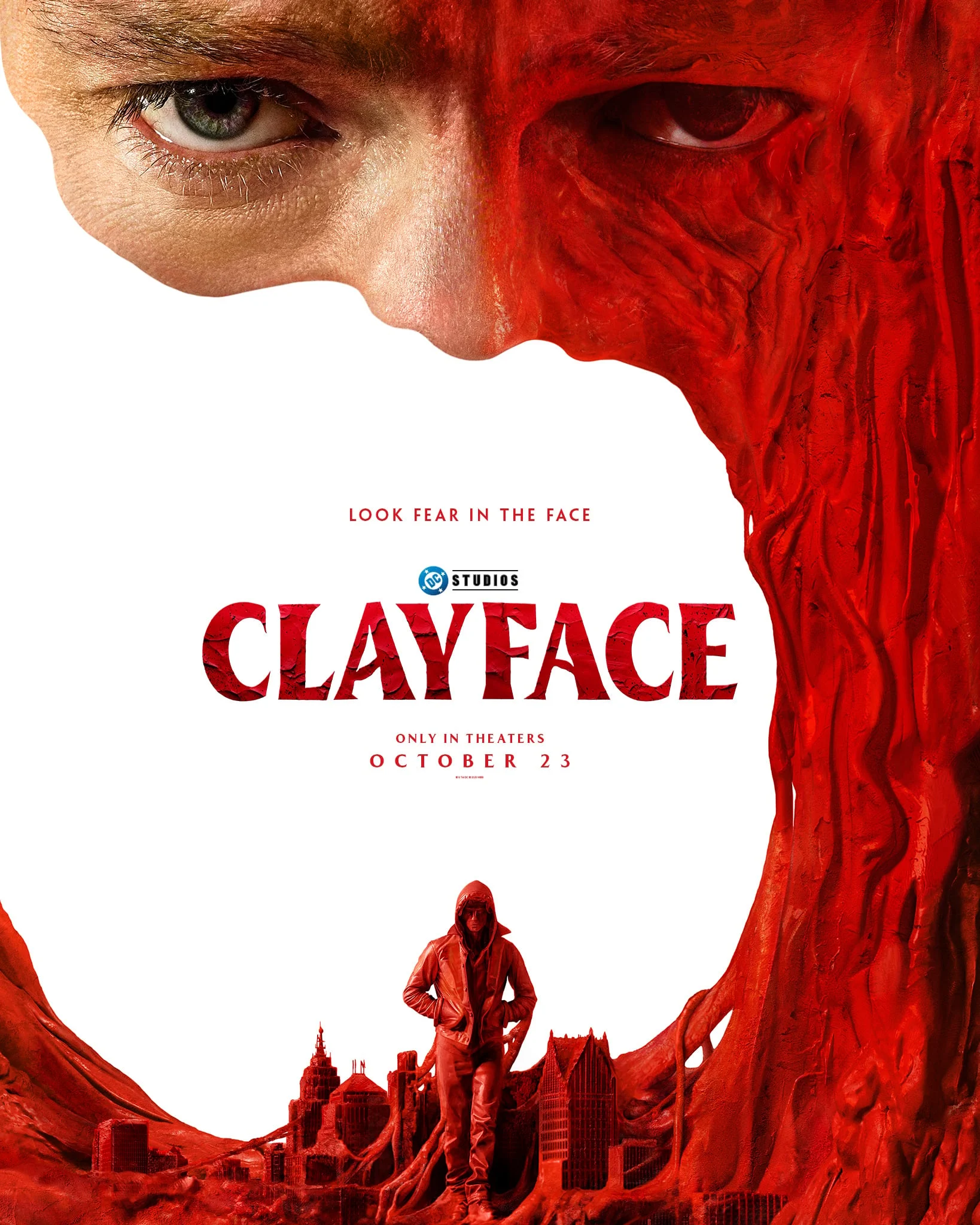
As the October 23, 2026 release date rapidly approaches, the marketing campaign for DC Studios’ upcoming feature Clayface has taken a chillingly disciplined turn. Eschewing the conventional superhero blockbuster playbook—which typically relies on plastering the definitive, fully rendered CGI monstrosity across every billboard, bus stop, and YouTube pre-roll ad available—director James Watkins and Warner Bros. Pictures are choosing a path far more aligned with classic monster movies. They are refusing to show the shark.
A newly debuted thirty-second television spot, circulating primarily across the film’s official social media channels, offers the clearest look yet at the psychological and physical unraveling of its protagonist, Matt Hagen. Yet, true to form, the promotional rollout continues to draw a hard line just short of revealing the title character’s final form. For a cinematic landscape increasingly accustomed to spoiler-heavy trailers that outline a film’s entire narrative arc from beginning to end, Clayface represents a refreshing, terrifying gamble on ambiguity.
1. Main Facts: The Anatomy of a Modern Body-Horror Paradigm Shift
At its core, Clayface represents a monumental shift for the modern comic-book adaptation. Scheduled to land in theaters on October 23, 2026, the film carries an official R-rating from the Motion Picture Association for strong bloody violence, gore, language, some nudity, and brief drug use. Notably, this makes it the very first R-rated feature within James Gunn’s newly minted DC Universe (DCU).
The narrative centers on Matt Hagen—portrayed by Tom Rhys Harries—whose life and livelihood implode as his body begins a horrifying, irreversible mutation. The catalyst for this biological nightmare arrives via an experimental scientific treatment administered by a character played by Naomi Ackie. Rounding out the stellar supporting cast are Max Minghella, David Dencik, and Eddie Marsan.

Behind the camera, the production boasts an enviable pedigree rooted in modern psychological and visceral horror. Directed by James Watkins (Eden Lake, The Woman in Black, Speak No Evil), the screenplay is penned by horror auteur Mike Flanagan alongside Hossein Amini, based on an original story by Flanagan. The film is produced by a heavyweight creative coalition including Matt Reeves, Lynn Harris, James Gunn, and Peter Safran.
2. Chronology: Tracking the Descent into Madness
The path to the October 2026 theatrical release has been meticulously paced, building a slow-burn sense of unease that mirrors the agonizing progression of Hagen’s condition:
- July 2026: The official full-length trailer for Clayface drops, stunning genre fans by leaning entirely into visceral, Cronenberg-esque body horror rather than traditional superhero spectacle. The trailer establishes the grim, grounded tone and introduces Naomi Ackie’s scientist character, setting the psychological register for the entire marketing campaign.
- August 2026: In a feature interview with Empire magazine, director James Watkins confirms a deliberate studio strategy: the final, fully realized Clayface monster will not appear in any promotional material prior to the film’s release. Lead actor Tom Rhys Harries adds fuel to the fire, describing the mysterious final creature design simply as "f—ing sick."
- September 2026: DC Studios unveils the official theatrical poster, leaning heavily into minimalist, skin-crawling iconography rather than an action-heavy character portrait.
- Late September / Early October 2026: A new thirty-second TV spot hits social media channels. It marks the first time marketing material shows Matt Hagen actively losing an argument with his own physical form in a crowded public space.
3. Supporting Data: The Visual Language of Decay
The recent thirty-second television spot is a masterclass in economic tension. Set inside a dimly lit club, the clip positions Tom Rhys Harries opposite a female companion whose visceral, horrified reaction does the heavy lifting for the audience. As Hagen attempts to maintain a semblance of a normal conversation, his facial features visibly slide out of position, melting and shifting against his will.
The money shot of the spot arrives when Hagen’s hand suddenly begins to boil and mutate outward from the individual fingers. The stylistic debt to the infamous hospital ward transformation sequence in Katsuhiro Otomo’s landmark anime masterpiece Akira is entirely deliberate. It is an overt stylistic nod to industrial, flesh-ripping mutation that signals a stark departure from standard cinematic universe gloss.

Crucially, the marketing materials focus exclusively on the "symptoms" rather than the "diagnosis." By prioritizing tight framing on hands, shifting skin, and trembling facial structures, the campaign weaponizes audience imagination. As Watkins noted in his Empire interview, showing too much too soon defangs a monster. By keeping the finished creature shrouded in mystery, the production team ensures that audiences will enter theaters entirely unshielded from the shock of the final transformation.
4. Official Responses: Crafting Dread Through Discipline
The decision to withhold the monster has not been packaged in a standard corporate press release; rather, it has trickled out through curated editorial features, most notably in Empire. This organic distribution underscores a calculated shift in how DC Studios is positioning its darker, more niche properties within the broader DCU.
When speaking to Empire, James Watkins invoked the golden rule of monster filmmaking popularized by Steven Spielberg on Jaws: you do not show the shark until you absolutely have to. In an era where visual effects are often overworked, leaked, or scrutinized online years before a film hits screens, maintaining this level of discipline is an increasingly rare commercial choice.
Tom Rhys Harries echoed this sentiment in his brief remarks to the magazine. Asked to elaborate on the look of the creature, Harries declined to spoil the surprise, offering only a succinct, enthusiastic endorsement: "f—ing sick."

This restraint has left critics and fans alike speculating on one major, unconfirmed technical question: Is the final transformation achieved primarily through practical creature effects, computer-generated imagery (CGI), or a hybrid of both? Given the tight-lipped approach from DC Studios, this crucial piece of the puzzle will likely remain unanswered until the film opens on October 23.
5. Implications: What Clayface Means for the Future of the DCU and Horror Cinema
The release of Clayface carries profound implications for both James Gunn’s evolving DC Universe and the contemporary horror landscape.
A Safe Harbor for Auteurs
By bringing in heavy-hitting horror talent like James Watkins and Mike Flanagan, DC Studios is signaling that the DCU will not be constrained by a single, homogenized house style. Allowing filmmakers known for psychological cruelty (Eden Lake), Gothic atmosphere (The Woman in Black), and devastating social discomfort (Speak No Evil) to tackle a classic comic book rogue opens the door for a wider spectrum of cinematic tones. If Clayface succeeds critically and commercially, it proves that comic adaptations can authentically cross over into prestige, hard-R adult horror without alienating core audiences.
Redefining Superhero Marketing
For years, the blockbuster marketing playbook has been dictated by spoiler culture and the relentless demand for spectacle. Studios routinely burn through their best visual effects shots in early trailers, leaving audiences with a sense of déjà vu by opening weekend. Clayface is testing a different hypothesis: that modern audiences are fatigued by over-exposure and crave genuine mystery. By weaponizing dread, focusing on micro-level body horror, and keeping its titular monster locked away in the dark, the film’s promotional campaign reminds viewers of the anxiety of the unknown.

Navigating a Crowded October
Opening near the back end of an intensely crowded October horror slate, Clayface faces stiff competition at the box office. However, its unique positioning—bridging the gap between superhero IP and high-end indie-style body horror—gives it a distinct competitive edge. It is not merely trying to be the scariest movie of the fall; it is trying to redefine what a comic book movie is permitted to look, feel, and sound like.
As the clock ticks down to October 23, 2026, the question is no longer whether audiences are ready for a monster movie set within the DC ecosystem. The real question is whether Matt Hagen’s final, hidden form will live up to the agonizing, expertly crafted buildup that has kept horror fans guessing for months. Until then, the studio is content to let our imaginations do the bleeding for them.
