
The Pattinson Blueprint: How Robert Pattinson Redefined Modern Stardom in 2026

In an era where the concept of the "movie star" is increasingly debated—often dismissed as an obsolete relic of the 20th century—Robert Pattinson stands as a singular, defiant exception. As the calendar turns toward the final quarter of 2026, it has become undeniable that Pattinson is not merely participating in the film industry; he is orchestrating a masterclass in how to maintain global superstardom while simultaneously curating a filmography of uncompromising artistic integrity.
While 2026 has been a banner year for many of Hollywood’s elite—with stars like Zendaya, Anne Hathaway, and Tom Holland anchoring multiple high-profile projects—Pattinson’s trajectory is distinct. He has successfully bridged the chasm between the blockbuster titan and the avant-garde character actor. From his turn in The Drama and his haunting performance in The Odyssey to the impending release of Dune: Part Three and the critical darling Primetime, Pattinson is, quite simply, having the best year of any actor in modern memory.
The Evolution: From Heartthrob to Auteur Muse
To understand the weight of Pattinson’s current status, one must look back at the crucible of his early career. Rising to global prominence as Edward Cullen in the Twilight saga (2008–2012), Pattinson was initially boxed into the narrow category of the "teen idol." For many actors of that era, such a mantle would have been a career ceiling. Instead, Pattinson treated it as a financial springboard, immediately pivoting away from mainstream comfort to dismantle his own image.
He began this intentional deconstruction by seeking out the most demanding, experimental directors working today. His two-film collaboration with David Cronenberg—Cosmopolis (2012) and Maps to the Stars (2014)—signaled to the industry that Pattinson was not interested in being a traditional leading man. This was not a temporary detour; it was a permanent change in direction. By the time he reached the mid-2020s, he had built a resume that read like a "who’s who" of contemporary visionary cinema, including projects with the Safdie brothers, Claire Denis, Robert Eggers, and Lynn Ramsey.

A Chronology of a Career-Defining Year
The year 2026 has served as the culmination of over a decade of disciplined choices.
- Early 2026: Pattinson set the tone with his participation in the critically lauded The Drama, a film that challenged audiences with its raw, uncomfortable narrative.
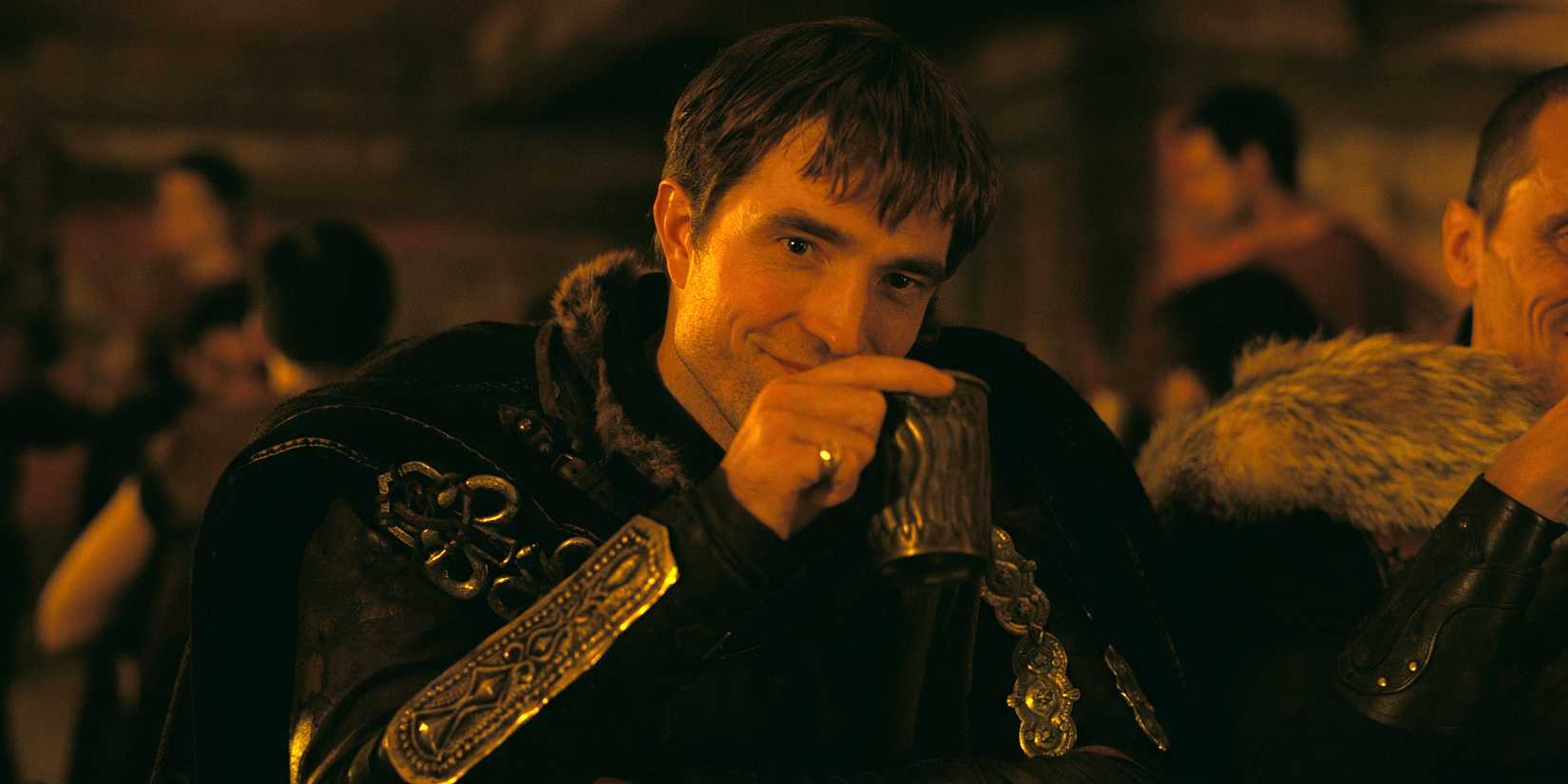
- Mid-2026: His performance as Antinous in The Odyssey cemented his reputation as an actor capable of bringing profound gravitas to epic, large-scale storytelling.
- Late September 2026: The release of Primetime, directed by documentarian Lance Oppenheim, sees Pattinson portraying the infamous Chris Hansen. The buzz surrounding this performance has already positioned him as a frontrunner for the upcoming Academy Awards, marking a potential shift from "critical darling" to "awards season powerhouse."
- Year-End 2026: The cinematic landscape will conclude with the release of Dune: Part Three, the final installment of the decade’s most significant sci-fi saga, where Pattinson is expected to command the screen in a pivotal role.
The "Unglamorous" Strategy: Why Critics Are Taking Notice
One of the most defining characteristics of a Robert Pattinson performance is his willingness to be unlikable. In a town that rewards vanity, Pattinson consistently chooses roles that force him to shed his natural charisma.
In The Drama and The Odyssey, he avoids the common traps of "heroic" acting. His characters are often defined by envy, paranoia, and a slithering, self-destructive ambition. This mirrors his earlier, iconic work in Good Time (2017) and The Lighthouse (2019), where he played men teetering on the edge of total psychological collapse. Even in projects like Bong Joon-ho’s Mickey 17, where he occupies the center of a massive production, Pattinson chooses to play the "oddball"—a vulnerable, bumbling presence rather than the stoic, iron-jawed protagonist audiences might expect.
The Batman Factor: Balancing "The One for Them"
Critics often point to his role as Bruce Wayne in Matt Reeves’ The Batman as evidence of a standard blockbuster career. However, even here, Pattinson defies the norm. Rather than signing onto a sprawling, interconnected cinematic universe that mandates years of contractually obligated appearances, he has opted for a standalone, auteur-driven franchise. He has managed to maintain the profile of a household name while refusing to become a cog in a larger corporate machine. This is the "Pattinson Formula": leverage the massive visibility of a superhero franchise to secure the creative freedom required for his more esoteric, risky, and daring artistic endeavors.

Supporting Data: The Commercial and Critical Synthesis
The effectiveness of this strategy is best evidenced by the box office and critical reception data of 2026. The Batman sequel production updates continue to generate massive engagement, keeping his name at the top of the cultural conversation. Simultaneously, the box office returns for his independent-leaning projects—projects that, historically, would have struggled to find a wide audience—have seen a significant uptick.
Industry analysts note that Pattinson’s "brand" has effectively become a seal of quality. Audiences are now conditioned to expect that any project with his name attached will offer something more intellectually or emotionally challenging than the standard multiplex fare. This has not only elevated the filmmakers he works with but has effectively created a new, sustainable business model for the 40-and-under acting demographic.
Official Responses and Industry Implications
The industry response to Pattinson’s 2026 run has been overwhelmingly positive. Filmmakers who have worked with him consistently highlight his "lack of ego" and his "obsessive preparation." In a recent roundtable discussion regarding the future of the medium, several top-tier directors cited Pattinson as the primary example of how a star can maintain long-term relevance without sacrificing artistic integrity.
"He’s not just an actor; he’s a curator," noted one prominent producer. "He understands that to stay relevant in 2026, you cannot simply be a face on a poster. You have to be an engine for the project’s identity."
The implications of this for the future of Hollywood are profound. Pattinson is proving that the "movie star" is not dead; rather, the definition of what makes a movie star has shifted. The modern star must be a partner in the artistic process, an advocate for auteur-driven narratives, and a bridge between the niche and the mainstream.
Conclusion: The Prime of a Modern Icon
As we look at the trajectory of Robert Pattinson’s career, it becomes clear that 2026 is not merely a "good year." It is the establishment of a new standard. By refusing to follow the path of the traditional, guarded A-lister, Pattinson has carved out a space that is entirely his own.
He has navigated the transition from teen idol to prestige actor with a level of grace and intelligence that is rarely seen. Whether he is donning the cowl of the Dark Knight or portraying a complex, controversial figure in a Lance Oppenheim drama, he remains consistently committed to the craft.
We are not just watching an actor work; we are witnessing the solidification of a legacy. Robert Pattinson has successfully navigated the turbulent waters of modern fame, emerging as a figure who is as commercially viable as he is artistically daring. If 2026 is any indication, we are merely entering the prime of a career that will likely serve as the blueprint for the next generation of performers who aspire to be both stars and artists. In a world that often demands we choose between the two, Robert Pattinson has shown that, with enough vision and defiance, you can have both.
