
The Evolution of a Leading Man: Ranking the 5 Definitive TV Performances of Joel Kinnaman
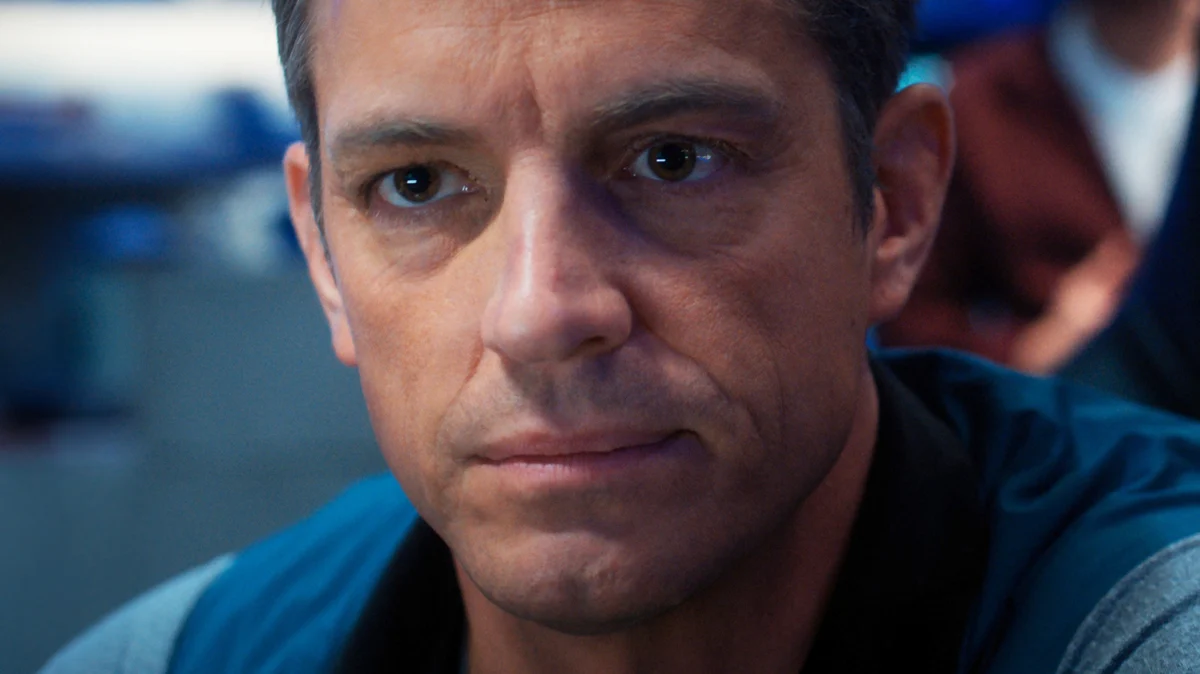
For years, the career of Swedish-American actor Joel Kinnaman seemed to exist in a state of professional purgatory. Despite his undeniable screen presence, his transition into the Hollywood blockbuster ecosystem—most notably through his role as Rick Flag Jr. in the DC Extended Universe’s Suicide Squad—often left him relegated to B-grade thriller territory. Projects like 2019’s The Informer and 2024’s The Silent Hour failed to capitalize on the raw, kinetic energy that defined his early work.
However, a retrospective of his career reveals a distinct truth: Joel Kinnaman is a creature of the small screen. While his filmography has seen recent sparks of promise with action-thrillers like the Prime Video hit Icefall, it is within the serialized, long-form storytelling of prestige television that Kinnaman has truly carved out his legacy. From his early days as a child actor on the Swedish soap Storstad to his current tenure as a titan of science fiction, Kinnaman has proven that he possesses the range to carry complex, multi-layered narratives. As he prepares to lead the upcoming Prime Video thriller Bishop, we look back at his television career to rank the five performances that define his artistic trajectory.
The Foundation: A Chronology of Excellence
Kinnaman’s journey is one of deliberate evolution. Born in Stockholm, he began his professional life early, appearing in 22 episodes of Storstad at the age of 11. This foundational experience in a high-turnover environment taught him the value of consistency—a trait that would later become his hallmark in American prestige dramas.
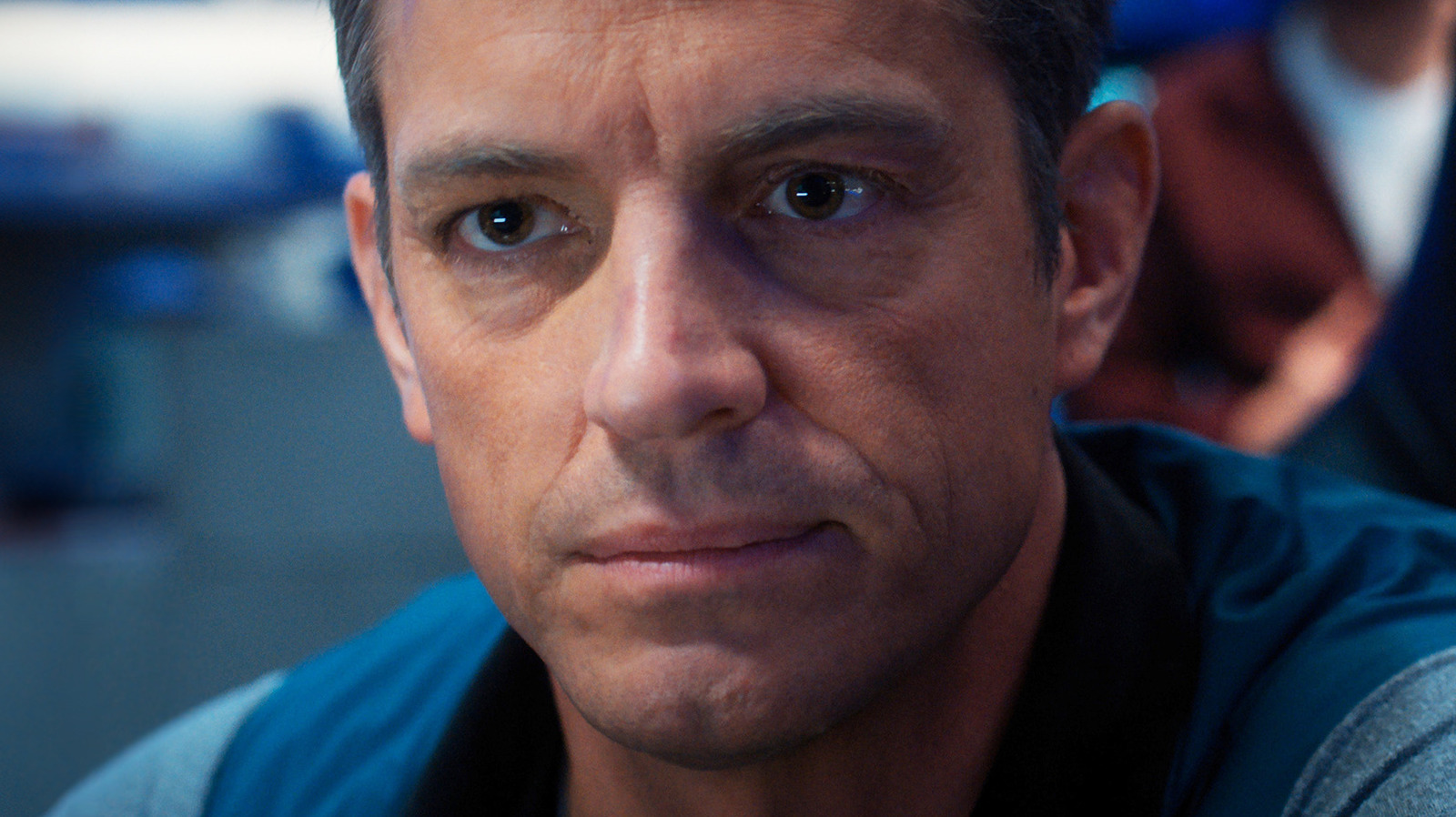
Following his breakthrough in international crime thrillers, Kinnaman did not simply chase roles; he pursued character arcs that demanded evolution over time. Whether it was the gritty, street-hardened Detective Stephen Holder or the aspirational, decades-spanning odyssey of Edward Baldwin, Kinnaman has consistently prioritized the "long game" of character development. His career, marked by a departure from the blockbuster machine, suggests a deliberate pivot toward material that demands psychological depth rather than mere spectacle.
The Ranking: Defining the Small Screen Legacy
5. Altered Carbon (Netflix)
Netflix’s ambitious 2018 adaptation of Richard K. Morgan’s cyberpunk classic, Altered Carbon, served as a masterclass in world-building, anchored by Kinnaman’s stoic, noir-infused performance as Takeshi "Tak" Kovacs. Set in the year 2384, the series presents a future where human consciousness can be uploaded to digital stacks and re-sleeved into new bodies.
Kinnaman’s portrayal of Kovacs—a former super-soldier "Envoy" re-sleeved into the body of a disgraced police officer—required him to navigate a dual identity. He played a man from the past grappling with a cold, hyper-technological future. While the series only lasted two seasons—with Anthony Mackie taking over the role in the second—Kinnaman’s first season remains the gold standard for the show’s gritty, neon-drenched aesthetic. It was a role that demanded physicality and a weary, world-beating cynicism, proving that Kinnaman could hold the center of a massive, high-budget sci-fi production.
4. Hanna (Prime Video)
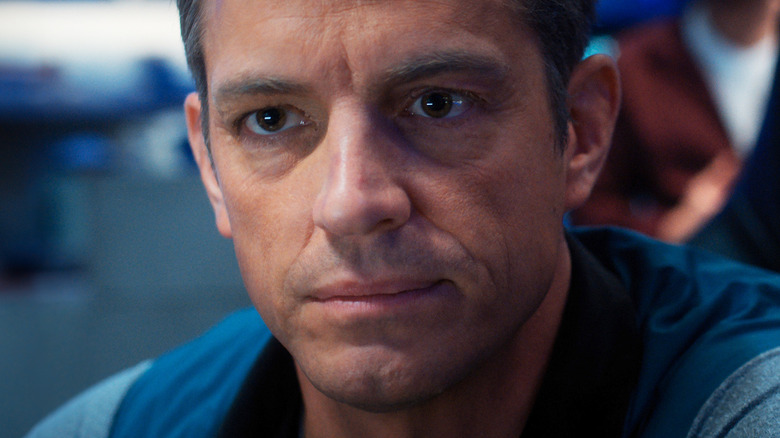
In 2019, Prime Video breathed new life into Joe Wright’s 2011 film Hanna by expanding it into a multi-season series. Kinnaman stepped into the role of Erik Heller, the ex-CIA operative and surrogate father to the titular super-soldier.
The series deepened the moral ambiguity of the original premise. Kinnaman’s Erik was not a black-and-white hero; he was a man haunted by the DNA-enhancement program he helped facilitate, desperate to protect the girl he raised in the isolation of the Polish wilderness. His chemistry with co-star Esme Creed-Miles provided the emotional scaffolding for the show. Their bond, defined by secrets and an impending sense of doom, allowed Kinnaman to showcase a more vulnerable, paternal side that contrasted sharply with his typical "hard-man" roles.
3. Jo Nesbø’s Detective Hole (Netflix)
The adaptation of Jo Nesbø’s The Devil’s Star represents a high-water mark for Kinnaman’s return to his Nordic roots. After the critical failure of the 2017 The Snowman film adaptation, the Detective Hole series finally gave fans of the author the dark, methodical pacing the source material demanded.

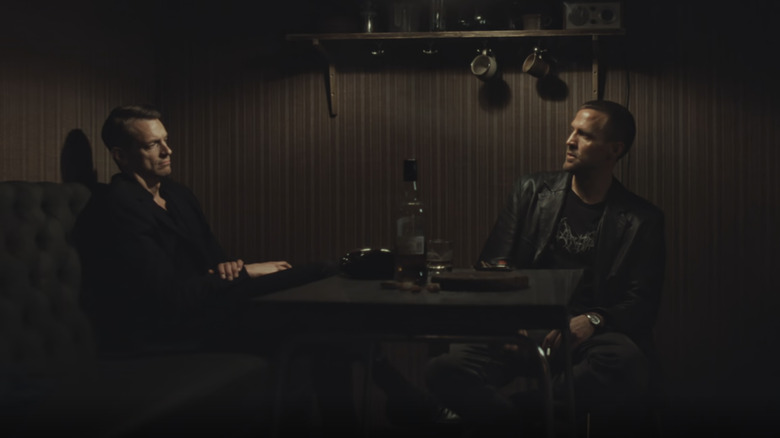
Kinnaman’s portrayal of the crooked cop Tom Waaler is a study in "slick evil." As the antagonist to Tobias Santelmann’s Harry Hole, Kinnaman plays a man who is as charming as he is corrupt. It is a performance that leans into the tropes of Scandi-noir while subverting them with a modern, cold-blooded edge. By delivering lines in his native tongue and navigating the nuances of the Norwegian legal-thriller genre, Kinnaman demonstrated a comfort level that he rarely finds in American productions. With Nick Cave and Warren Ellis providing a haunting score, this project serves as a testament to Kinnaman’s ability to elevate genre television into high art.
2. For All Mankind (Apple TV+)
If Altered Carbon was a physical test, For All Mankind has been an endurance marathon. As Edward Baldwin, the NASA astronaut-turned-Helios leader, Kinnaman has been given the rare opportunity to play a single character across five decades.
The role is an actor’s dream—and a logistical nightmare. Across five seasons, we have seen Baldwin at 40, 50, 60, 70, and 80 years old. Kinnaman’s performance is the heartbeat of this alternate-history epic. Even when the show struggled with the limitations of aging prosthetics in its later seasons, Kinnaman’s performance remained entirely grounded in reality. He captured the crushing grief of a father who has lost his son, the hubris of a pioneer who refuses to retire, and the shifting ideology of a man caught between the Cold War and the privatization of space. For All Mankind is arguably the definitive sci-fi show of the 2020s, and it simply would not function without Kinnaman’s unwavering commitment to Baldwin’s complicated, often frustrating humanity.
1. The Killing (AMC)
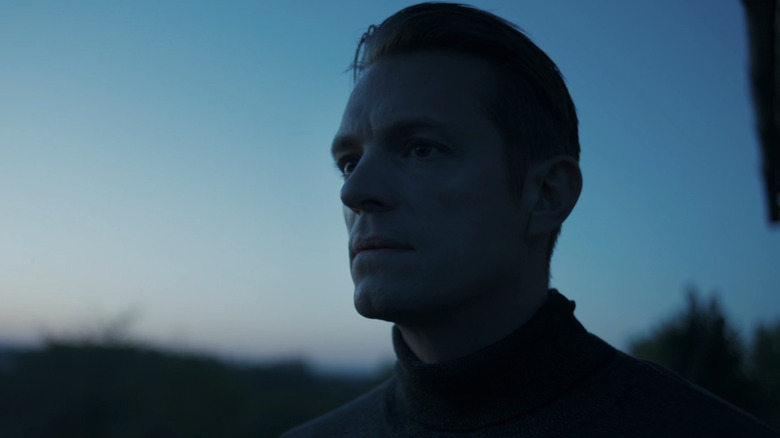
At the summit of this list stands The Killing. In the role of Stephen Holder, a Seattle homicide detective with a troubled past and a penchant for wearing his heart on his sleeve, Kinnaman found his definitive performance.
The character of Holder was a gamble. In the first season, he was written as an enigma—the audience was intentionally kept in the dark about his morality, his addiction, and his loyalties. Kinnaman had to navigate this ambiguity without losing the audience’s trust. As the series progressed, we watched Holder transform from a drug-addled, street-smart wildcard into a disciplined, professional sergeant and, eventually, a man struggling with the responsibilities of fatherhood.
The evolution of Stephen Holder is a masterclass in character writing and acting. Kinnaman’s ability to bridge the gap between the character’s abrasive exterior and his desperate need for redemption made The Killing one of the most compelling crime dramas of the 2010s. It remains the gold standard against which all his subsequent work must be measured.
Implications: The Future of the "Prestige Lead"
The trajectory of Joel Kinnaman’s career suggests a broader trend in Hollywood: the shift of high-caliber talent from the silver screen to the long-form narrative structure of streaming television. By choosing roles that allow for deep, character-focused storytelling, Kinnaman has avoided the pitfalls of typecasting that often plague action stars.
His recent foray into Imperfect Women—while a noted disappointment—serves as a reminder that even high-profile projects can falter. However, his upcoming work on Bishop suggests that his appetite for complex, character-driven thrillers remains insatiable. As he continues to choose roles that challenge his range, Kinnaman is cementing his reputation not just as a reliable lead, but as one of the most consistent and versatile actors in the television landscape.
The lessons of his career are clear: true stardom is no longer found in the opening weekend of a superhero sequel, but in the slow-burn development of a character over forty hours of television. Joel Kinnaman has found his home, and audiences are better for it.
