
The Bus That Couldn’t Slow Down: How Tom Hanks Was Almost Cast in the Defining 1990s Action Thriller ‘Speed’
Main Facts
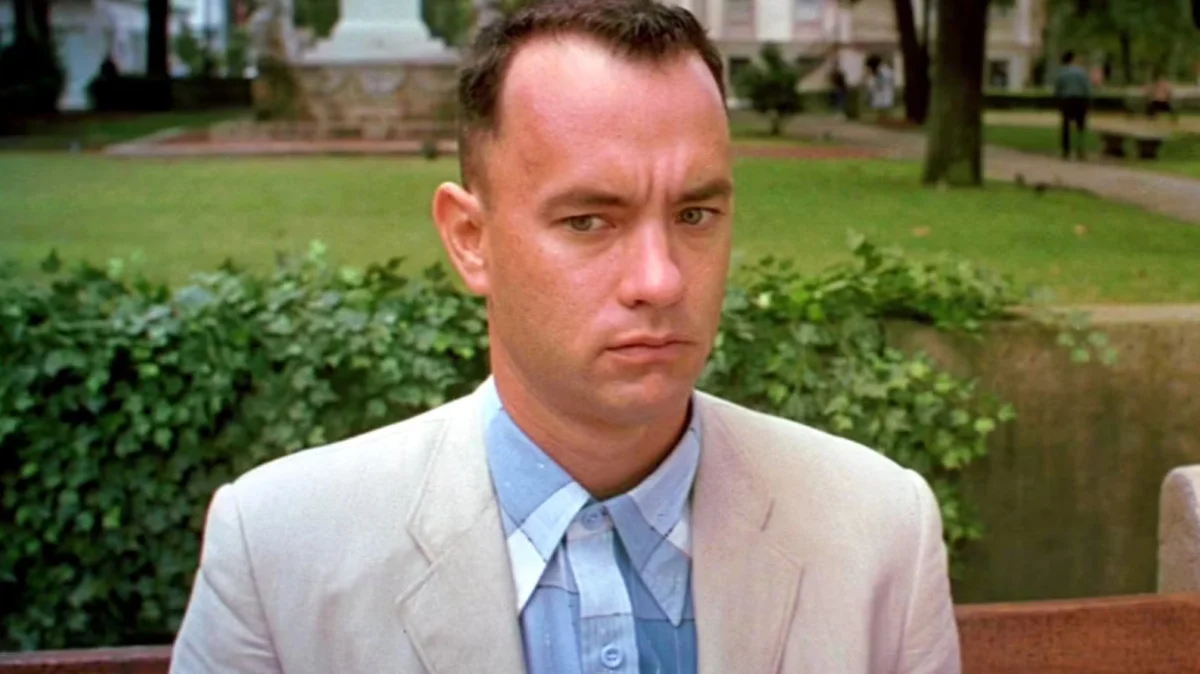
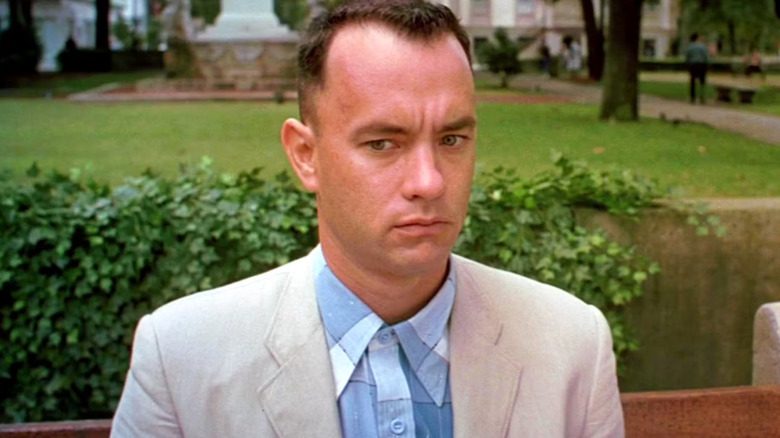
In the landscape of 1994 cinema, two distinct cultural behemoths ruled the box office, each defining a very different corner of the entertainment industry. Robert Zemeckis’s Forrest Gump captured the nation’s heart as a nostalgic, feel-good epic, grossing over $329 million domestically and sweeping the Academy Awards with six Oscars, including a Best Actor win for Tom Hanks. Simultaneously, Jan de Bont’s high-octane thriller Speed redefined the modern action genre, presenting a breathless, high-concept premise: a Los Angeles police officer must board a city bus rigged with explosives that will detonate if the vehicle drops below 50 miles per hour.
The film launched Keanu Reeves into genuine action-star superstardom, turned Sandra Bullock into an overnight household name, and featured a chillingly magnetic villain performance by Dennis Hopper. It grossed roughly $121 million domestically and secured Academy Awards for sound and sound effects editing.
Yet, cinematic history could have looked vastly different. According to revelations by Speed screenwriter Graham Yost during a 2014 retrospective interview with Entertainment Weekly, the film’s casting directors and studio executives did not initially envision Reeves for the lead role of LAPD bomb squad officer Jack Traven. Instead, the production exhaustively combed through Hollywood’s A-list roster, setting their sights on some of the biggest box-office draws of the era—including Tom Hanks.
While the mental image of Hanks navigating an explosive-rigged municipal transit vehicle through the streets of Los Angeles might initially elicit a chuckle, the revelation underscores the high-stakes, star-driven machinery of 1990s Hollywood studio casting, where bankability often outweighed creative alignment.
Chronology: The Road to the Bus
To understand how Speed materialized into the cultural phenomenon it became, one must trace the winding, unorthodox casting timeline that led from Hollywood royalty to a motorcycle-riding Reeves.
The Standard Hollywood A-List Sweep
In the upper echelons of major studio filmmaking, standard casting protocol often relies on a descending hierarchy of fame. Before creative suitability or genre pedigree is deeply evaluated, casting directors typically run down a master list of the highest-earning, most bankable movie stars currently working.
Graham Yost confirmed this reality when discussing the genesis of Speed. When asked whether Keanu Reeves was the first choice to headline the project, Yost admitted frankly:
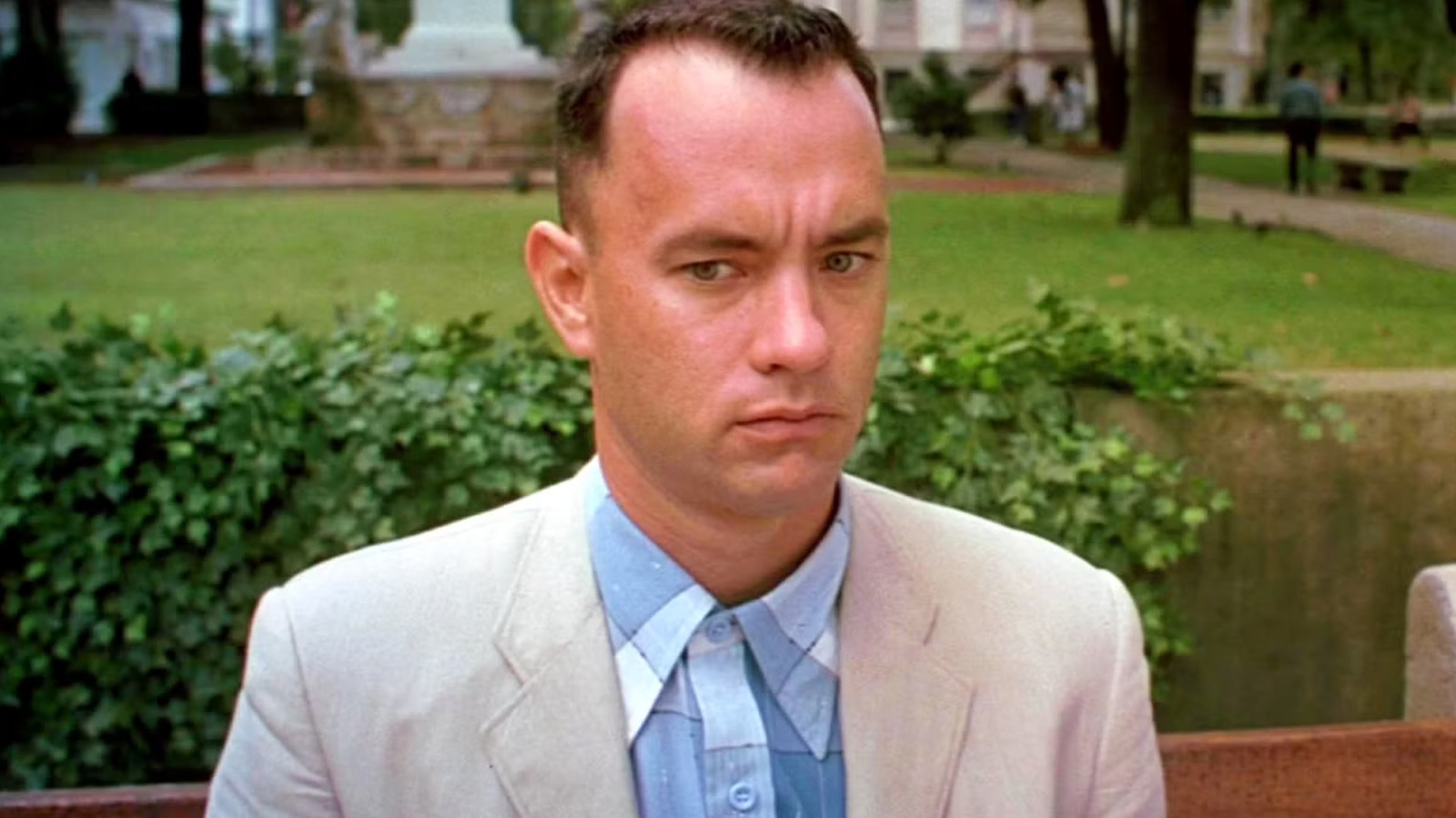
"Oh God, no. Keanu would totally know that and cop to it. We went to the Toms first — you know, you go to Tom Cruise and Tom Hanks — and I think Wesley Snipes and Woody Harrelson, who were going to do Money Train. We went down many different avenues."
At the time, Tom Cruise was already a proven action powerhouse via films like Top Gun and Days of Thunder, though he had not yet tackled the espionage realm of Mission: Impossible. Tom Hanks, meanwhile, was riding a monumental wave of critical and commercial goodwill, transitioning from beloved comedic leads into the dramatic heavyweights that would define his career. Approaching actors of this caliber was standard operating procedure for a studio greenlighting a high-budget action spec script. Ultimately, Hanks and Cruise were passed over—likely due to prohibitive salary demands, scheduling conflicts with projects like Forrest Gump, or simple disinterest in a high-octane thriller centered on public transportation.
The Studio Exec’s Child and the Motorcycle Audition
With the top-tier megastars unavailable or uninterested, the production needed to pivot. The eventual choice of Keanu Reeves came about through an unexpectedly casual route. As Yost recalled, the suggestion for Reeves came from "someone’s kid at the studio" who noted that the young actor was currently "hot."
While the initial reaction from the creative team leaned on skepticism—reminding themselves of Reeves’ comedic roots in Bill & Ted’s Excellent Adventure—they quickly recalled his dramatic turn in 1989’s Parenthood and decided to take a meeting.
Reeves arrived at the studio on a motorcycle. Standing tall, possessing a lean frame, sporting a sharp, modern haircut, and carrying the physical credibility he had recently established in Kathryn Bigelow’s surfing-and-bank-robbing action film Point Break (1991), Reeves immediately projected the casual authority and physical presence the filmmakers needed. He didn’t just look like a heartthrob; he looked like a cop.
Supporting Data: The 1994 Box Office Landscape
To fully contextualize why the studios pursued Hanks while settling on Reeves, it is helpful to examine the financial and critical standing of the key players and films during the watershed year of 1994.
| Film / Project | Key Star(s) | Domestic Box Office (approx.) | Critical Accolades / Major Milestones |
|---|---|---|---|
| Forrest Gump | Tom Hanks, Robin Wright | $329+ Million | Won 6 Academy Awards, including Best Picture and Best Actor for Hanks. |
| Speed | Keanu Reeves, Sandra Bullock, Dennis Hopper | $121 Million | Won 2 Academy Awards (Sound, Sound Effects Editing); defined the 90s action sub-genre. |
| Point Break (1991) | Keanu Reeves, Patrick Swayze | $83.5 Million | Established Reeves’ physical capability to handle firearms and action choreography. |
| Money Train (1995) | Wesley Snipes, Woody Harrelson | $35.4 Million | An action-thriller vehicle that actively competed for stars being considered for Speed. |
The data illustrates a volatile studio ecosystem. While Hanks was commanding massive box-office returns through character-driven dramas and comedies, action cinema was undergoing a transition. The muscular, indestructible action heroes of the 1980s (typified by Arnold Schwarzenegger and Sylvester Stallone) were giving way to vulnerable, everyday-hero archetypes—a shift that Speed capitalized on brilliantly by casting a lean, relatable actor like Reeves.
Official Responses and Industry Insights
The revelation that Tom Hanks was considered for Speed sheds light on the inner workings of 1994 Hollywood greenlight processes. Industry veterans have long noted that spec scripts—such as Graham Yost’s original pitch, which was heavily rewritten by Joss Whedon to punch up the snappy dialogue—attract interest through high-concept hooks rather than fully fleshed-out character profiles.
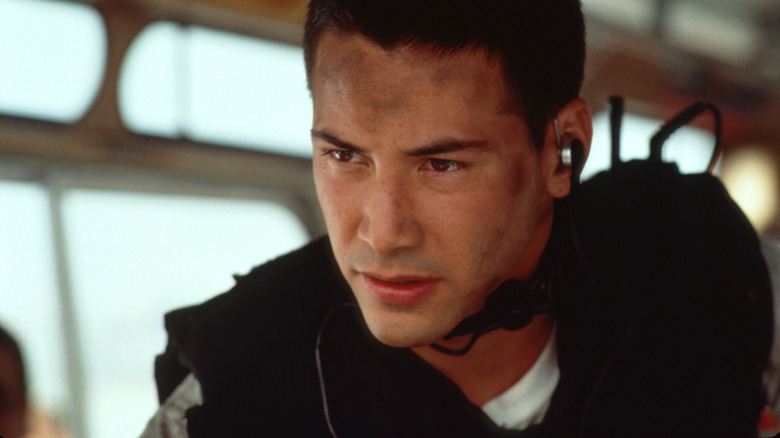
When scripts are sent out to agents, studio executives dictate casting parameters based on international marketability. Tom Hanks represented safety, prestige, and universal audience appeal. However, placing Hanks in the role of Jack Traven would have fundamentally altered the DNA of the film. Hanks excelled at portraying vulnerable, deeply moral, everyman figures who find themselves swept up in extraordinary historical or emotional circumstances (e.g., Philadelphia, Forrest Gump, Apollo 13).
In contrast, Speed required a kinetic, physical urgency—a protagonist who could leap between moving vehicles, crawl underneath a careening bus, and project a gritty, deadpan intensity. Keanu Reeves embraced this vulnerability, playing Traven not as an invincible commando, but as a resourceful, hyper-focused cop flying by the seat of his pants.
Implications: What If Tom Hanks Had Starred in Speed?
Speculating on alternate casting scenarios is a favorite pastime for cinephiles, but the hypothetical casting of Tom Hanks in Speed carries fascinating implications for 1990s cinema history:
- The Trajectory of Keanu Reeves: Without Speed cementing his status as a viable, bankable leading man for high-concept studio thrillers, Reeves’ career path in the mid-to-late ’90s would have looked drastically different. Films like The Matrix (1999) relied heavily on the audience’s established acceptance of Reeves as an action hero.
- The Tone of the Film: A Tom Hanks-led Speed likely would have leaned heavier into comedic banter and situational panic, given Hanks’ distinct persona at the time. The breathless, sweat-soaked tension that Jan de Bont and Keanu Reeves cultivated might have been replaced with a more lighthearted, wisecracking tone akin to Hanks’ later work in Turner & Hooch or The Money Pit, albeit within a high-stakes thriller framework.
- The Award Season Paradox: 1994 already belonged to Tom Hanks. Had he also fronted one of the biggest summer blockbusters of the decade, his ubiquity in pop culture would have reached unprecedented levels, potentially eclipsing his historic back-to-back Best Actor Oscar run (Philadelphia in 1994, Forrest Gump in 1995).
Ultimately, Hollywood’s chaotic casting machinery worked out for the best. Tom Hanks secured his legacy as one of history’s greatest dramatic actors, while Keanu Reeves boarded the bus, kept the speedometer above 50, and delivered a cinematic masterclass that remains the gold standard of 1990s action cinema.
