The Temple of the People’s Art: Inside the Long-Awaited Launch of the Lucas Museum of Narrative Art
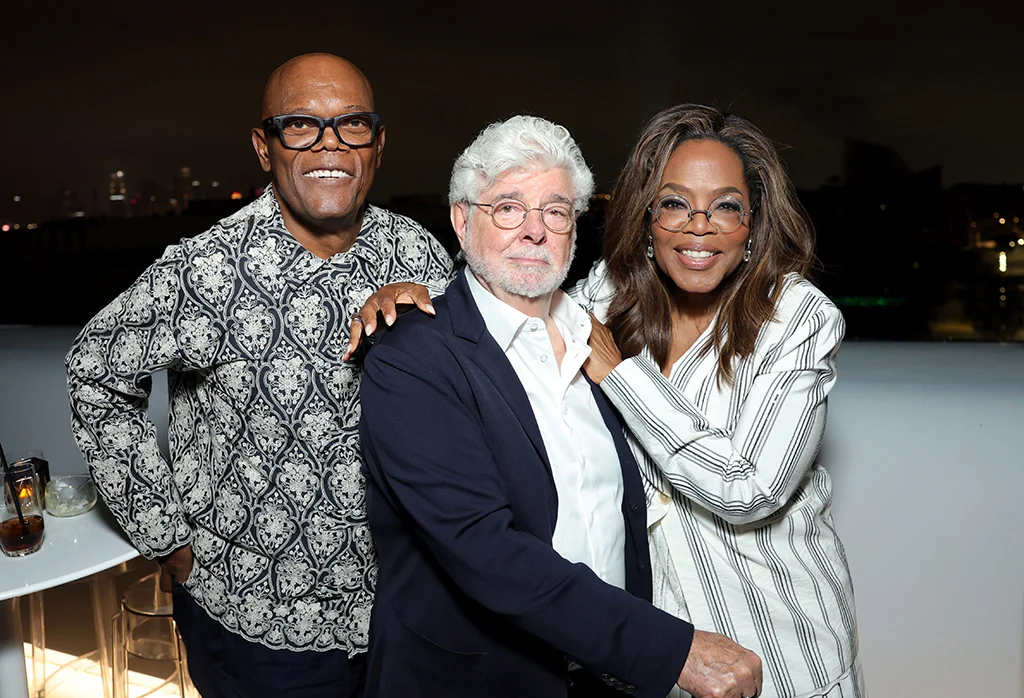
LOS ANGELES — For nearly two decades, the visionaries behind one of the most ambitious cultural projects of the 21st century faced logistical hurdles, site relocations, and monumental design challenges. Today, that vision has materialized into reality. Founded by legendary filmmaker George Lucas and his wife, businesswoman and philanthropist Mellody Hobson, the Lucas Museum of Narrative Art (LMNA) has officially opened its doors, establishing a permanent home for the power, history, and evolution of visual storytelling.
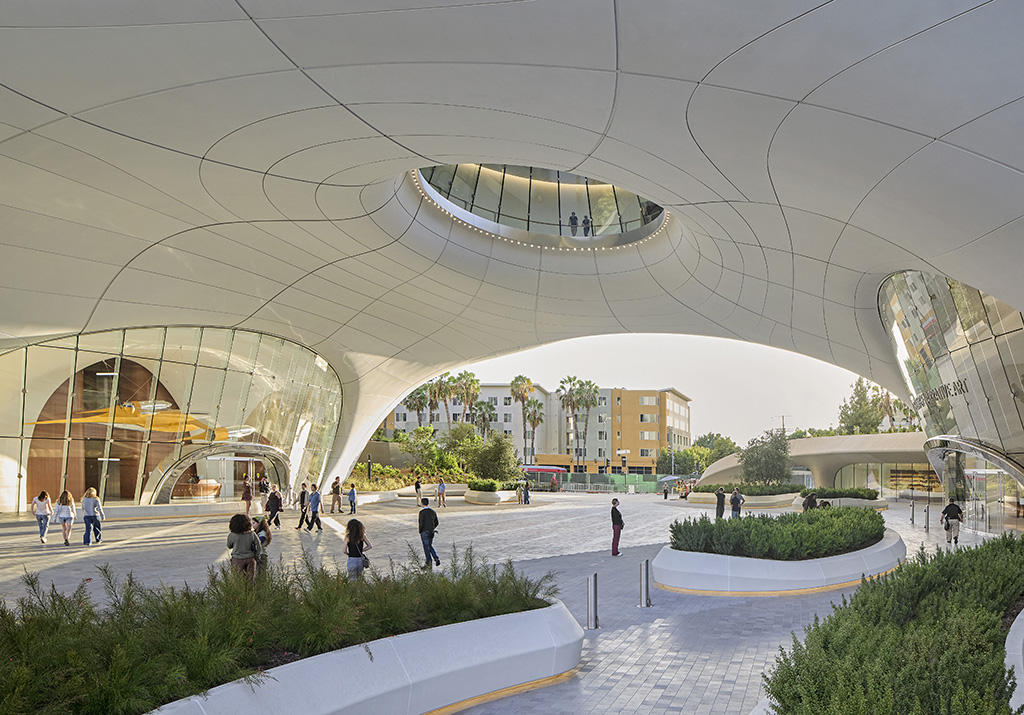
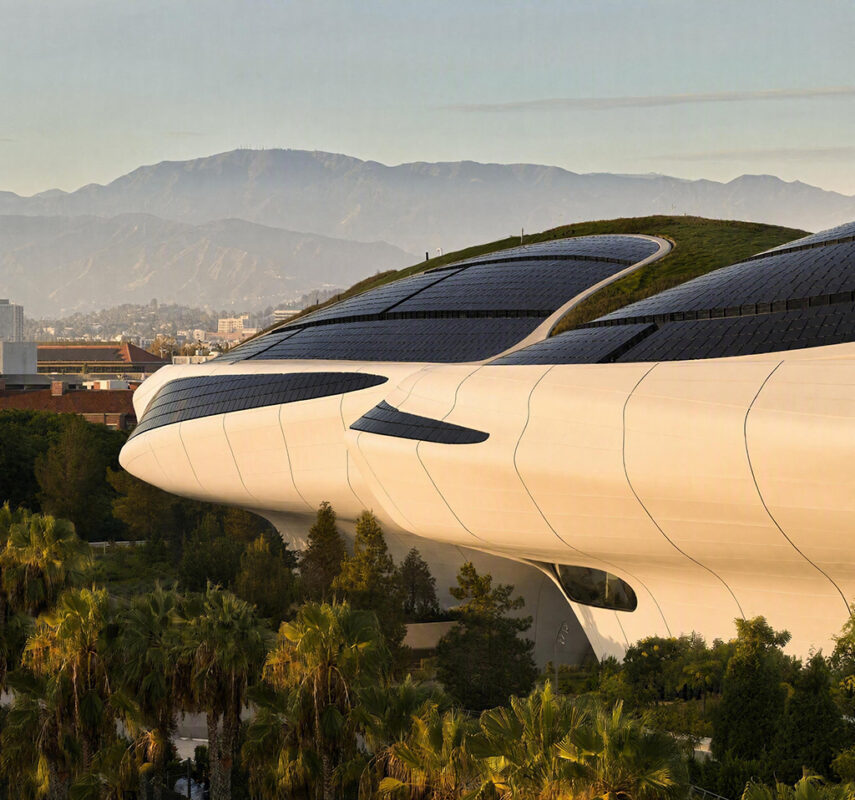
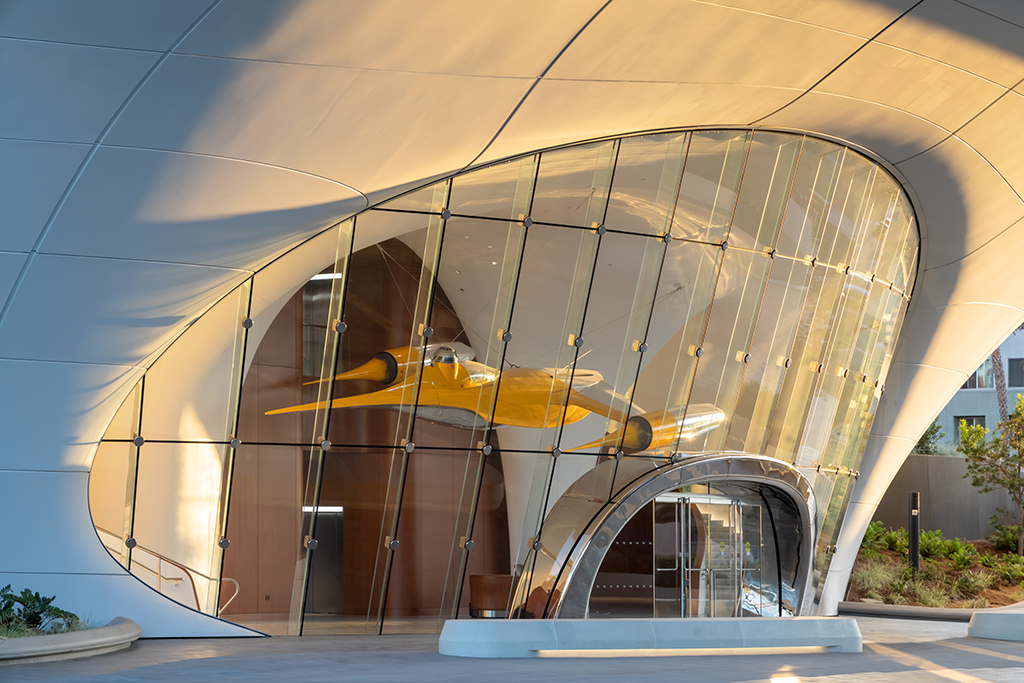
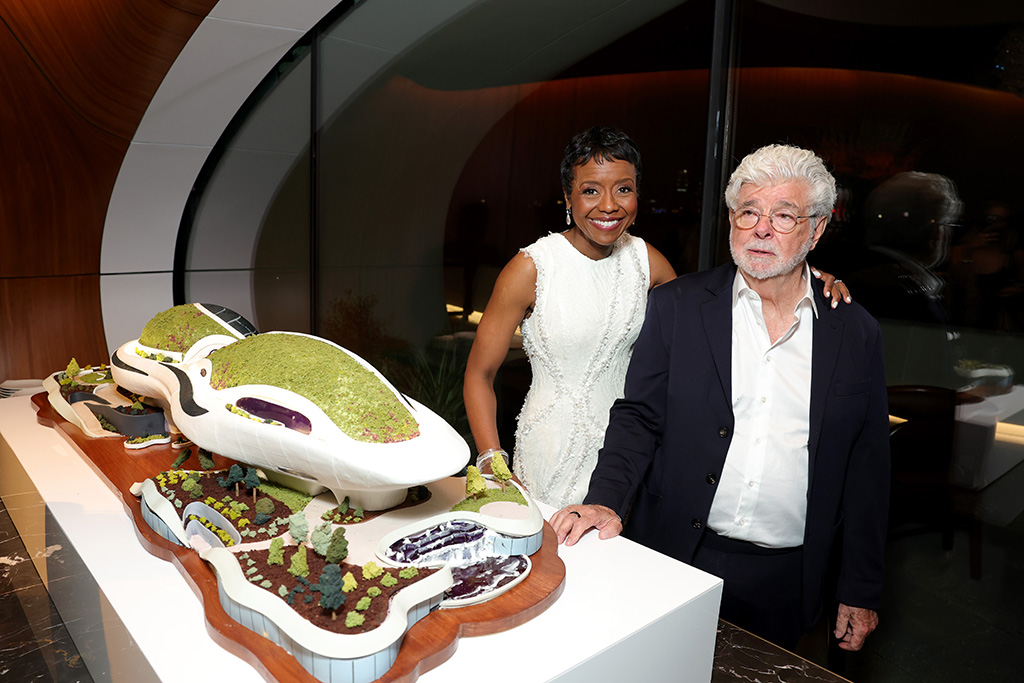
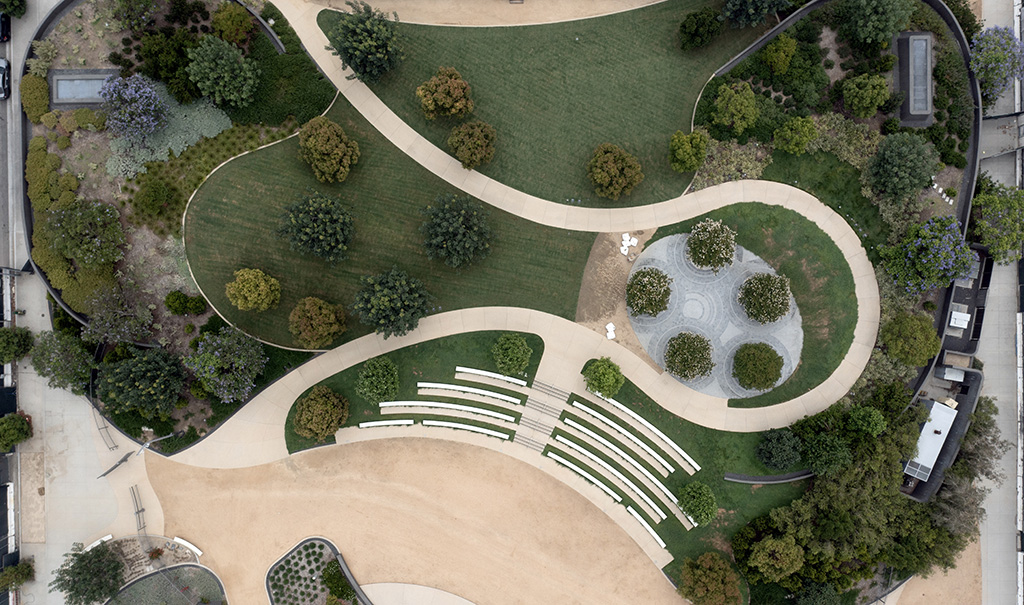
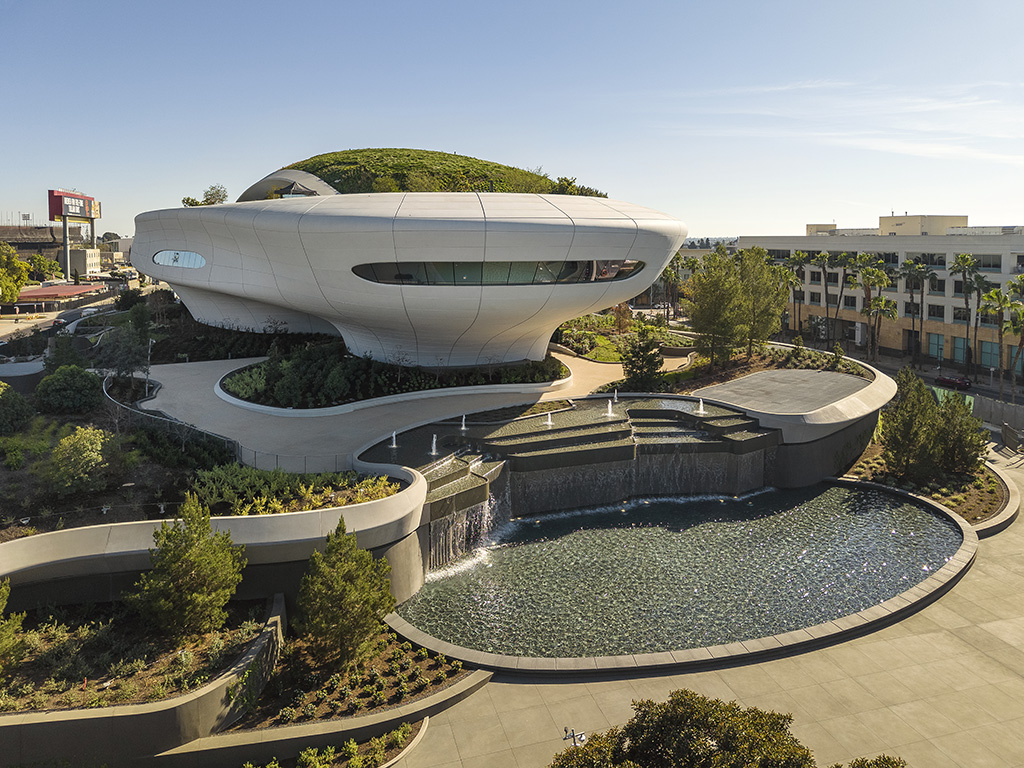
Nestled in the heart of Los Angeles’ historic Exposition Park—right next door to the University of Southern California (USC), Lucas’s film-school alma mater—the sprawling 13-acre campus serves as a monumental tribute to the art that shapes human culture. Featuring a striking 300,000-square-foot main building designed by Ma Yansong of MAD Architects in collaboration with Stantec, alongside a verdant 13-acre public park designed by Mia Lehrer of Studio-MLA, the museum has been described by its founders as a "temple of the people’s art."
Main Facts: A Monument to Visual Storytelling
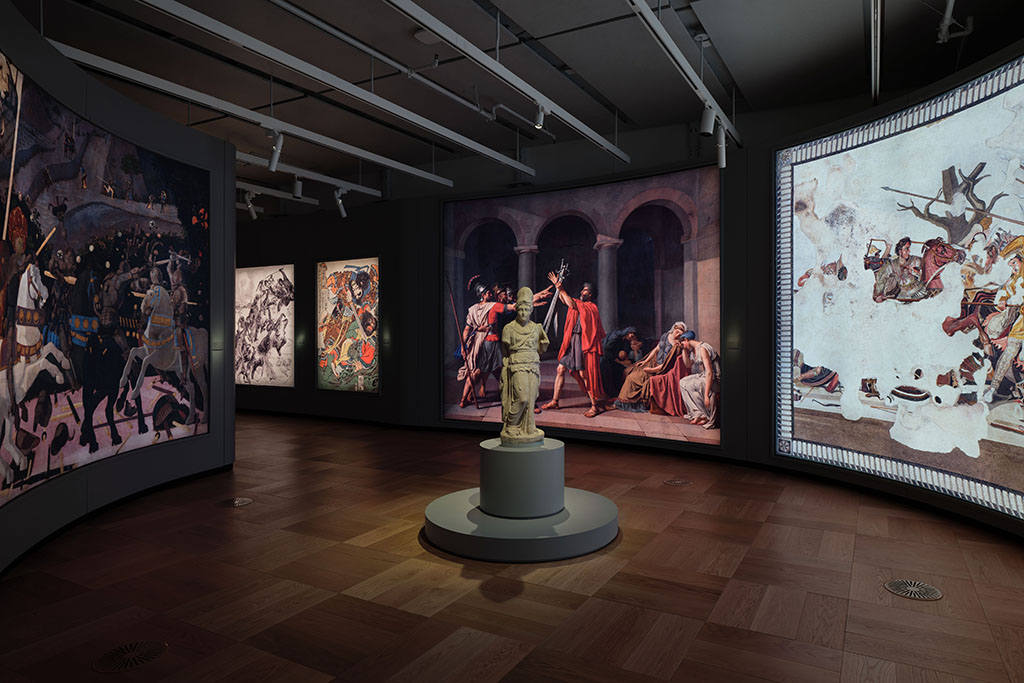
The Lucas Museum of Narrative Art breaks traditional curatorial molds by bridging the gap between "high art" and popular culture. Rather than separating fine art from commercial illustration, comic books, photography, and cinema, the institution displays them on equal footing, examining how humanity communicates universal truths across generations and mediums.
The Collection: The museum draws upon a staggering repository of more than 40,000 works of popular and pioneering art.
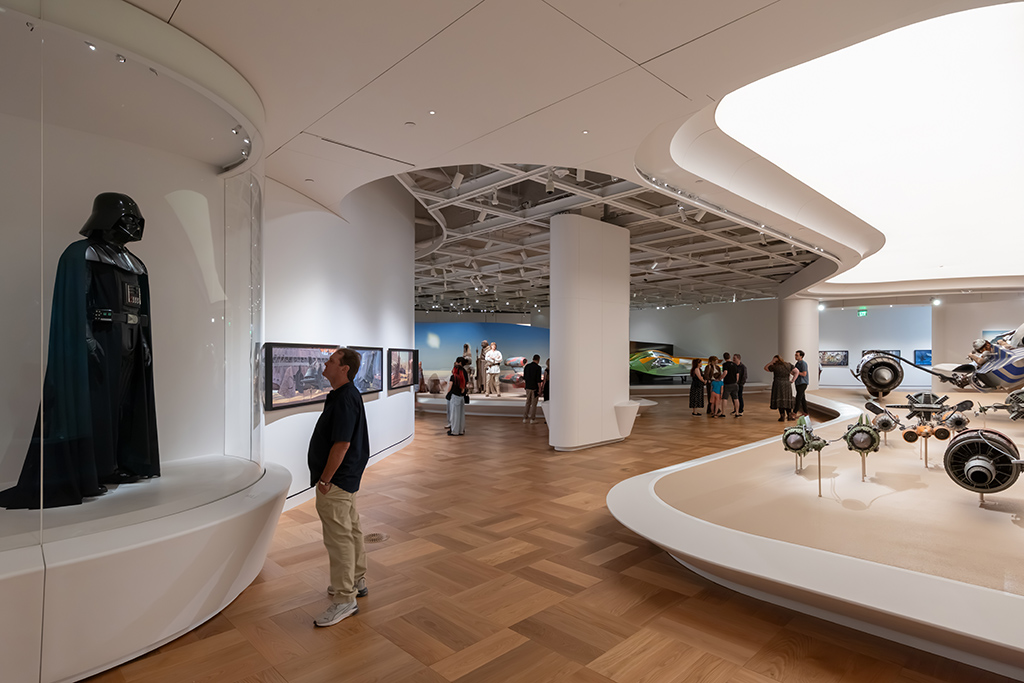
Inaugural Exhibitions: Visitors can explore over 1,200 objects spanning 33 galleries across approximately 100,000 square feet of gallery space.
Diverse Mediums: The permanent and inaugural collections feature everything from canonical oil paintings (Norman Rockwell, N.C. Wyeth, Frida Kahlo, Thomas Hart Benton) to iconic comic art and graphic novels (Jack Kirby, Moebius, Frank Miller, R. Crumb, Frank Frazetta), monumental murals (Diego Rivera, Judith Baca, JR), historical photography (Dorothea Lange, Gordon Parks, Robert Capa), and rich cinematic archives.
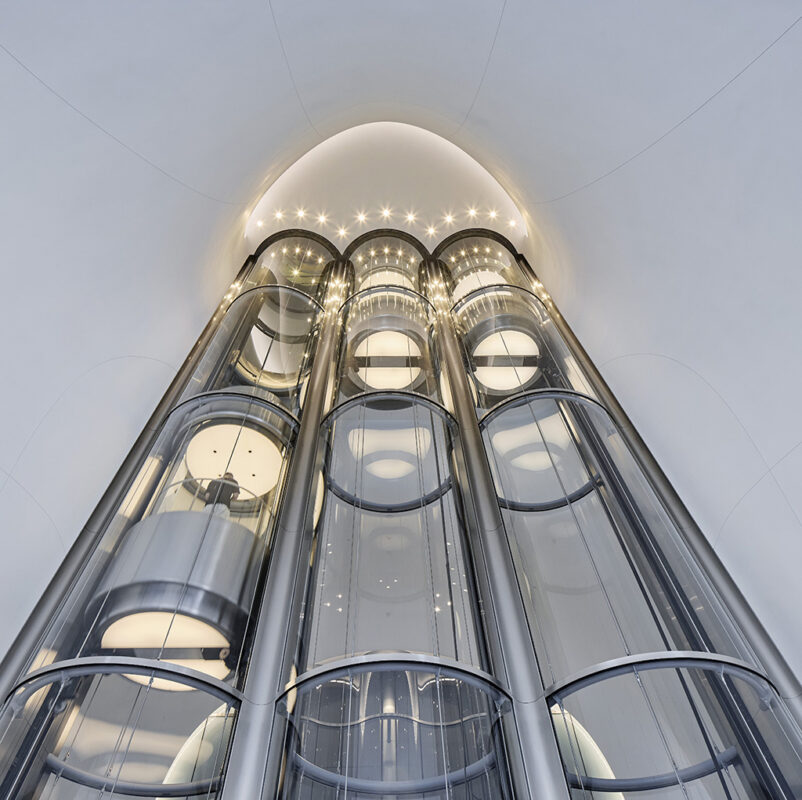
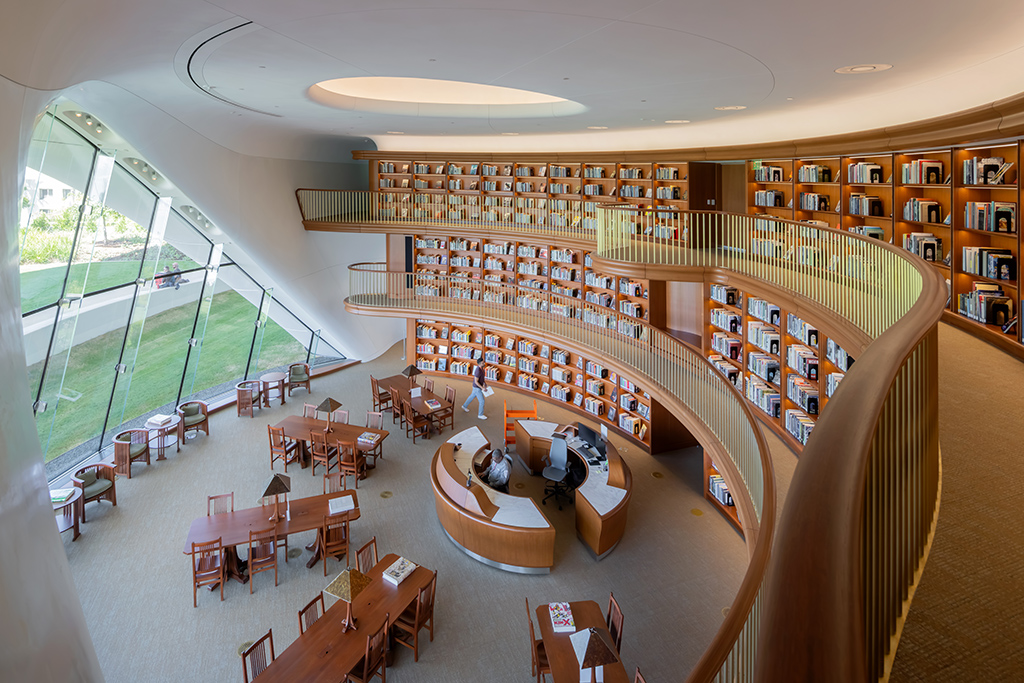
Architecture and Amenities: Beyond the galleries, the campus houses a quiet, light-filled research library, advanced educational facilities, drop-in state-of-the-art cinemas, and pneumatic-style glass elevators that offer visitors a futuristic ascent into the heart of the structure.
"Campbell’s influence really comes through in the way the museum looks at universal themes that people keep returning to over time in narrative art," says Ryan Linkof, Lucas Museum Senior Curator and Head of Film Programs, linking the institution’s curatorial philosophy to mythologist Joseph Campbell. "Across the 33 galleries, visitors will see themes such as family, love, and childhood that appear across cultures and generations."
Chronology: A Two-Decade Journey to Exposition Park
The path to opening the Lucas Museum of Narrative Art was as cinematic and winding as any Hollywood epic. The genesis of the project stretches back nearly twenty years, born out of a deeply personal dilemma faced by George Lucas: what to do with a rapidly expanding, world-class collection of narrative art that he had spent decades acquiring. Selling pieces off was never an option for the filmmaker, who felt strongly that the collection belonged in the public sphere.
Early Ambitions in San Francisco (The Presidio): Initially, Lucas envisioned establishing the museum in San Francisco, targeting the historic Presidio as an ideal backdrop for the institution. However, after facing local design opposition and regulatory pushback, those plans stalled.
The Chicago Interlude: The project then shifted its gaze to the Midwest. In 2014, Chicago was selected as the prospective site, specifically a lakefront parking lot near McCormick Place. Despite initial high-profile backing and architectural designs, the initiative met fierce legal challenges from local open-space advocacy groups, ultimately leading Lucas and Hobson to abandon the Chicago site in 2016.
The Return to Los Angeles: Seeking a welcoming environment that celebrated cinematic and artistic innovation, the founders turned to Los Angeles. Securing a prominent footprint in Exposition Park placed the museum in an established cultural hub alongside the Natural History Museum, the California Science Center, and the Coliseum.
Construction and Realization: Working alongside MAD Architects, Stantec, and Studio-MLA, construction broke ground on a futuristic, organically curved building meant to evoke the emotional fluidity of storytelling. Following years of meticulous curation, interior outfitting, and landscaping, the museum has finally welcomed its first wave of the public in late 2026.
Supporting Data: Inside the Galleries and Theaters
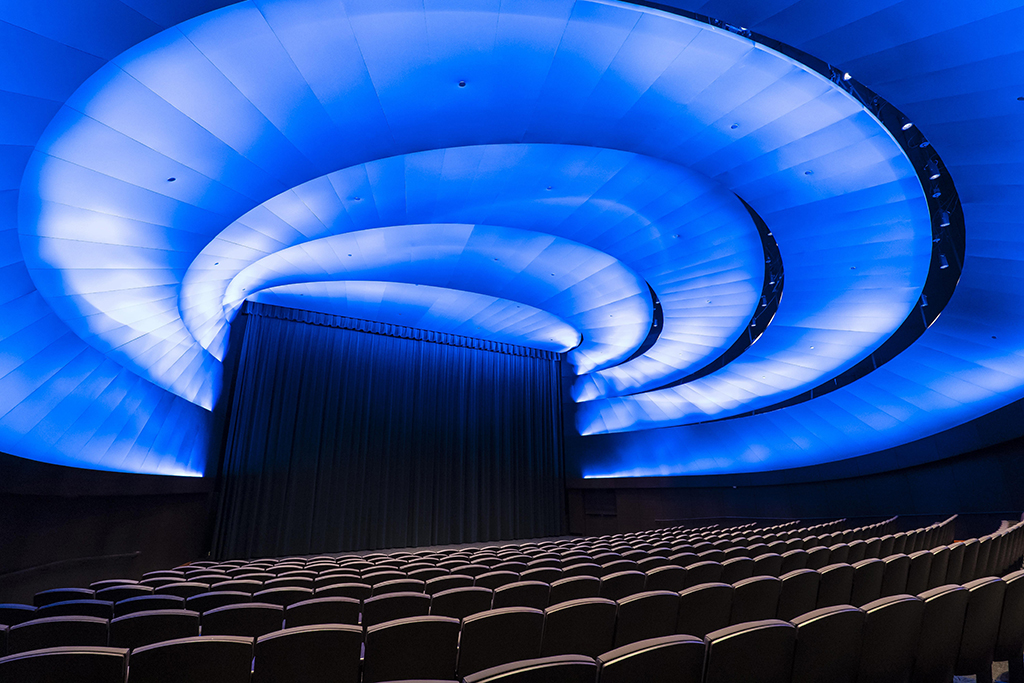
The scale of the Lucas Museum is reflected not just in its square footage, but in the exhaustive depth of its programming. Film and moving images occupy a foundational role within the institution, anchored by two custom-built, state-of-the-art cinematic spaces: the Robert Flaherty Theater and the Slavko Vorkapich Theater.
The Robert Flaherty Theater
Named in honor of the pioneering documentary filmmaker (1884–1951), this venue is dedicated to capturing reality, the artistic process, and the mechanics of storytelling. Screenings include:
Episodes of Seeing is Believing: The Story of Narrative Art, a brand-new documentary series commissioned specifically for the museum and directed by Robin Dashwood.
Segments of the acclaimed 2024 television series The Power of Film, created by Howard Suber, Doug Pray, and Laura Gabbert.
Biographical and analytical documentaries covering legendary creators featured in the museum’s galleries, including Norman Rockwell, Jim Lee, Charles Schulz, Maurice Sendak, Diego Rivera, J.C. Leyendecker, Weegee, and Ron Mann’s Comic Book Confidential.
The Slavko Vorkapich Theater
Dedicated to "the emotion of motion," this theater celebrates the structural alchemy of cinema—montage, special effects, animation, and experimental film. Vorkapich was a master of Hollywood montage sequences during the 1920s through the 1940s. The theater’s continuous loop includes:
Vorkapich’s own dazzling montage works and early silent masterpieces by Georges Méliès, Émile Cohl, W.K.L. Dickson, and Edwin S. Porter.
Groundbreaking animations by Winsor McCay, Walt Disney, and Max and Dave Fleischer.
Avant-garde experiments by Man Ray, László Moholy-Nagy, Norman McLaren, Stan Brakhage, and Kenneth Anger.
Abstract "visual music" pieces by Mary Ellen Bute, Oskar Fischinger, and Jordan Belson.
Modern milestones, including anime selections from Cowboy Bebop, episodes of Star Wars: Visions, and rare student films directed by George Lucas between 1965 and 1969.
Unlike traditional museums where films require scheduled ticketing and strict time commitments, both theaters operate on a flexible, drop-in, gallery-style format. Visitors can drift in for a quick five-minute montage or stay for an hour-long documentary, lowering the barrier to entry for complex or avant-garde media.
Official Responses and Curation Insights
For film historians and Star Wars aficionados alike, the museum offers unprecedented access to rare archives. Curators have emphasized that the institution is designed to shine a light on overlooked innovators just as much as household names.
"One exciting thing about the museum is that it gives more visibility to filmmakers and visual artists who really pushed the medium forward, even if they’re not household names," notes Ryan Linkof. "In the Slavko Vorkapich Theater, we highlight cinematic experimentation and innovation, with short films from the earliest days of cinema through today… These films are rarely screened theatrically, so showing this work in a dedicated theater helps give these artists the spotlight and context they deserve."
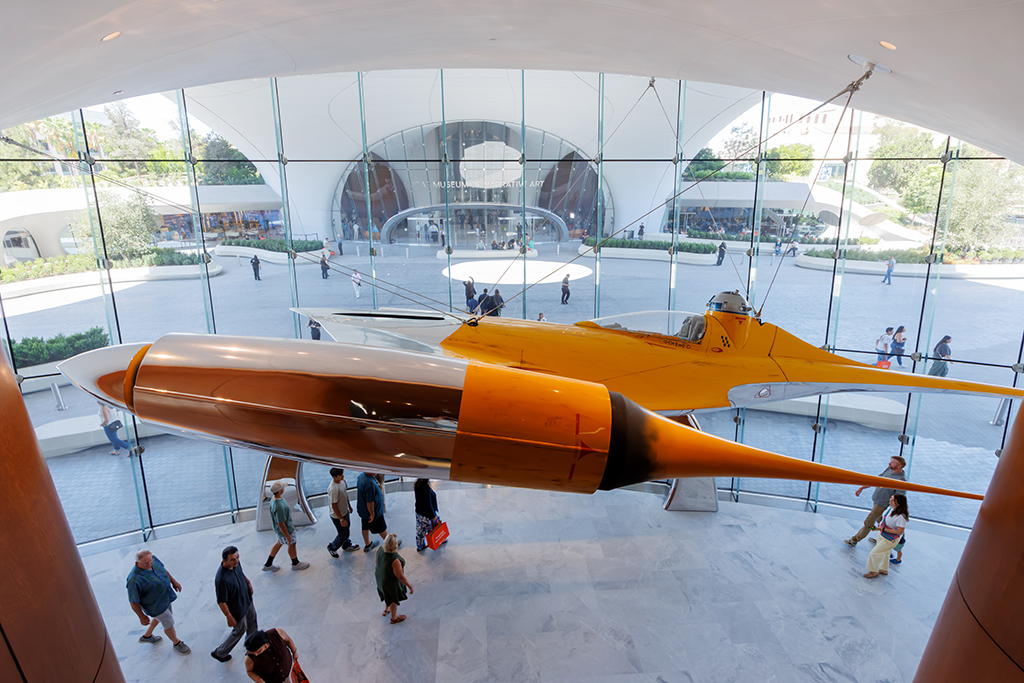
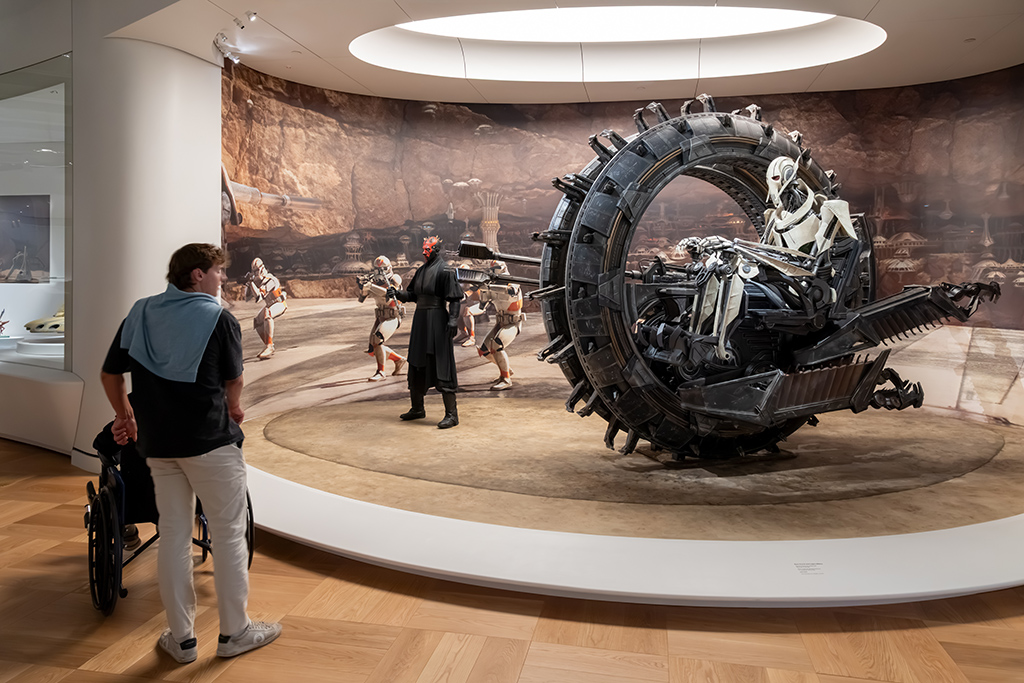
Linkof also points out the massive draw for Star Wars fans, who will find deep-cut treasures woven into the exhibits. Alongside the headlining Star Wars in Motion exhibition—which displays iconic, screen-used artifacts from the Lucas Archives like Darth Vader’s suit from Revenge of the Sith and a life-size Naboo N-1 Starfighter hanging in the lobby—fans can view George Lucas’s early college student films, episodes of the famously unreleased animated series Star Wars Detours (created with Seth Green and Matt Senreich), and immersive anime storytelling from Star Wars: Visions.
Co-founder Mellody Hobson has repeatedly stressed that the museum is engineered to be an inclusive civic anchor. By combining free public park space designed by Mia Lehrer with accessible community programs, the institution deliberately breaks down the intimidating, elitist barriers often associated with traditional fine art museums.
Implications: Redefining the Cultural Landscape of Los Angeles
The opening of the Lucas Museum of Narrative Art carries profound implications for the global art world, the city of Los Angeles, and the ongoing academic evaluation of popular culture.
Legitimizing Pop Culture and Illustration: For decades, elite art institutions marginalized commercial art, comic books, sci-fi concept art, and cinematic special effects as lesser commercial byproducts. By housing Norman Rockwell paintings, Jack Kirby ink panels, and digital film assets under one roof, LMNA permanently alters the art historical canon, validating narrative illustration as a pinnacle of human expression.
Transforming Exposition Park: The addition of a 13-acre park and a world-class architectural marvel revitalizes Exposition Park into an even more potent epicenter for education, science, history, and art in South Los Angeles. Its proximity to USC ensures a steady pipeline of inspired film and fine art students engaging directly with history.
A New Blueprint for Museum Engagement: By utilizing a continuous, gallery-integrated screening format for cinema rather than rigid theater schedules, the Lucas Museum offers a blueprint for how future cultural institutions can display time-based media. It treats film not as an isolated event, but as an organic thread in the broader tapestry of human storytelling.
As visitors ride the pneumatic glass elevators up to the main galleries, walking past towering starfighters and centuries-old masterpieces alike, they bear witness to the realization of George Lucas’s ultimate dream: a place where the myths of the past, the technology of the present, and the stories of everyday people merge into a single, cohesive narrative.