
From the Vaults to the Box Office: How Phil Hartman’s Lost 1986 Indie No Picnic Became a Modern New York Phenomenon
Introduction and Main Facts
In the spring of 2025, an unlikely cinematic miracle unfolded at New York City’s Film Forum. No Picnic, a gritty, noir-inflected punk comedy shot in 1985 and 1986, emerged from a nearly 35-year hiatus to become a runaway box office smash. Directed by downtown cinephile, restorer, and entrepreneur Phil Hartman—best known for co-founding the legendary Cajun-inspired NoHo bar Great Jones Cafe and the iconic Two Boots Pizza empire—the film is Hartman’s first and only completed feature.
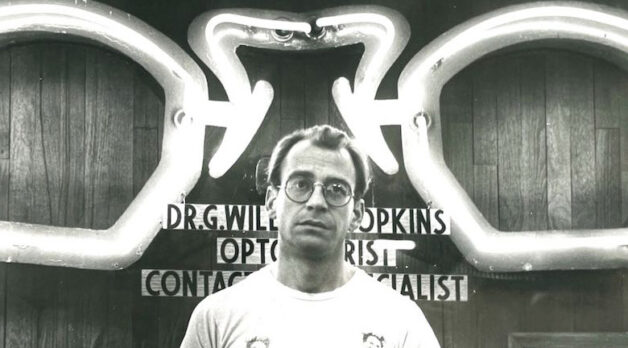
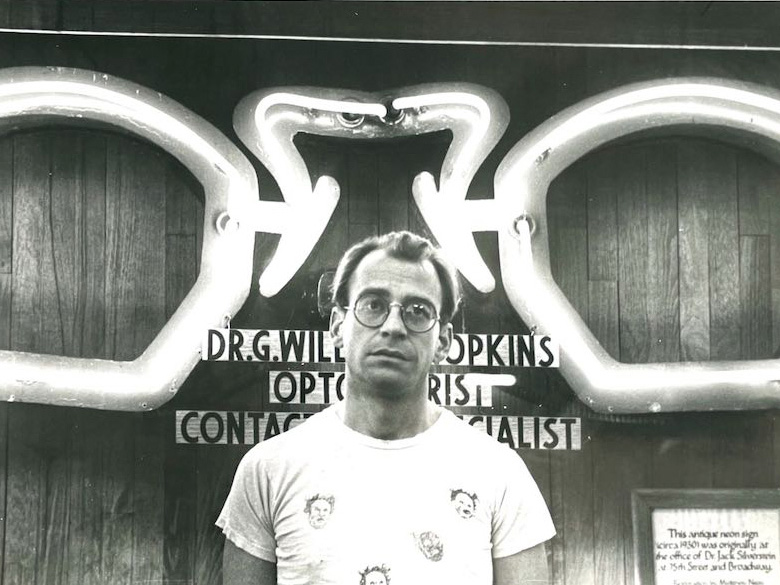
Photographed on lustrous black-and-white 16mm by the revered experimental filmmaker Peter Hutton, No Picnic presents an ethnographic, episodic ramble through the pre-gentrification Lower East Side and East Village. For decades, the film was practically a ghost, available only through dusty VHS tapes and DVDs shelved behind the counter at the Two Boots Video Store.
However, following a meticulous restoration overseen by Jake Perlin of The Film Desk, the film landed a theatrical run at the Film Forum that stunned industry veterans. Over a triumphant 12-week engagement, No Picnic grossed $123,000, surpassing legendary repertory runs of the decade like Federico Fellini’s 8½ ($120,000) and Akira Kurosawa’s The Seven Samurai ($103,000), while nearly matching Satyajit Ray’s Days and Nights in the Forest ($127,000).
More than just a nostalgic throwback, the film’s resurgence has struck a profound chord with a new generation of urbanites. Blending sharp observational humor with a documentary-style urgency, No Picnic captures a lost New York whose economic anxieties, struggles for affordable housing, and fierce independent spirit mirror the hyper-gentrified landscape of the city today.
Chronology of a Masterpiece: From Production to Rebirth
1985–1987: The Genesis on the Lower East Side
The story of No Picnic begins in the mid-1980s, fueled by the eclectic downtown creative economy. Phil Hartman used profits from the Great Jones Cafe to fund his directorial debut. Gathering a crew that included cinematographer Peter Hutton, Hartman raced against time to capture a vanishing neighborhood.
"We were racing around to catch Adam Purple’s garden, Bleecker Bob Records, the Atlas Barber Shop, and all these places that were in danger of going," Hartman recalled of the production.
The film features an underground dream-team cast and crew. David Brisbin stars as Mac, a 30-something former musician scraping by. The ensemble features memorable performances and cameos by future luminaries like Luis Guzmán, Steve Buscemi, filmmaker Lewis Klahr, and iconic musician Richard Hell as an irate neighbor. Post-production support came from Wim Wenders’s New York-based production company, Gray City Films, alongside capital from Hartman’s newly launched Two Boots Pizza venture.
1987–1990: Sundance, Anthology, and the First Wave
No Picnic premiered at the Sundance Film Festival, where it captured the cinematography award. Gray City Films initially hoped to acquire and reopen the floundering St. Mark’s Cinema (briefly glimpsed in the film), but the company folded before plans materialized.
The film found a natural home when legendary avant-garde filmmaker Jonas Mekas stepped in to screen it at Anthology Film Archives on Second Avenue and Second Street. In the summer of 1990, the film received a rave review from critic Manohla Dargis, then writing for The Village Voice. Dargis praised it as "one movie about the East Village that gets it right," propelling the film to a record-setting six-week run at Anthology.
1990–2025: The Two Boots Era and Dormancy
Following its initial brief splash, No Picnic receded into the shadows for three and a half decades. Hartman became consumed by the sprawling success of Two Boots, which eventually housed the Pioneer Theater—a 99-seat repertory cinema operating from 2000 until rising rents forced its closure in 2008. During this period, No Picnic lived a quiet, cult existence, preserved primarily on VHS and DVD formats at the Two Boots Video Store.
2025–2026: The Restoration and Film Forum Triumph
The revival of No Picnic began through a network of New York indie film royalty. Hartman was a close friend of Morris Engel, co-director of the pioneering 1948 neorealist landmark The Little Fugitive. Morris Engel’s daughter, archivist Mary Engel, introduced Hartman and his film to Jake Perlin, head of cinematic preservation and distribution company The Film Desk. Coincidentally, Perlin had studied under Hutton at Bard College and was an alumnus of the Pioneer Theater.
Perlin spearheaded the restoration of No Picnic, which premiered in January at the Museum of Modern Art (MoMA) as part of the "To Save and Project" series. MoMA curator Joshua Siegel hailed it as "a priceless artifact of New York’s pre-gentrification East Village."
Buoyed by a packed house during a major snowstorm, Film Forum repertory director Bruce Goldstein offered a slot in a broader tenement-themed film series. Pushed by repertory programming manager Stephanie Gross and Perlin, Film Forum took a gamble on a standalone theatrical run. Opening on Friday, April 17, alongside the Bronx-set indie Mad Bills to Pay, No Picnic immediately sold out nearly all its screenings. It cleared $28,000 in its opening week, added another $16,000 in week two, and eventually soared past the $50,000 mark before closing out at an astonishing $123,000 total gross.
Supporting Data and Financial Metrics
The commercial and cultural success of No Picnic’s 2025 theatrical run places it in rare air for repertory cinema at the Film Forum.
- Box Office Totals: Grossed over $28,000 in its opening week; pulled in an additional $16,000 in week two; and cleared a cumulative $123,000 by the end of its 12-week run.
- Comparative Standings: Outperformed legendary repertory runs at the venue, including Federico Fellini’s 8½ ($120,000) and Akira Kurosawa’s The Seven Samurai ($103,000), while trailing just behind Satyajit Ray’s Days and Nights in the Forest ($127,000).
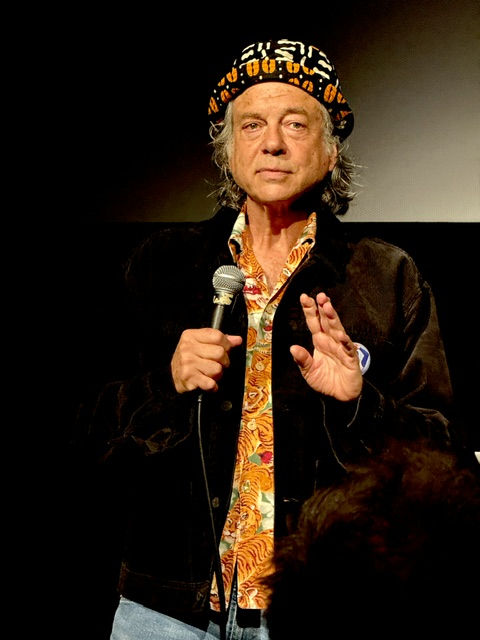
- Audience Shift: Initially drew crowds matching Hartman’s and the cast’s demographic cohort, eventually evolving into an intergenerational phenomenon where older patrons brought their children, and younger cinephiles packed the auditorium independently.
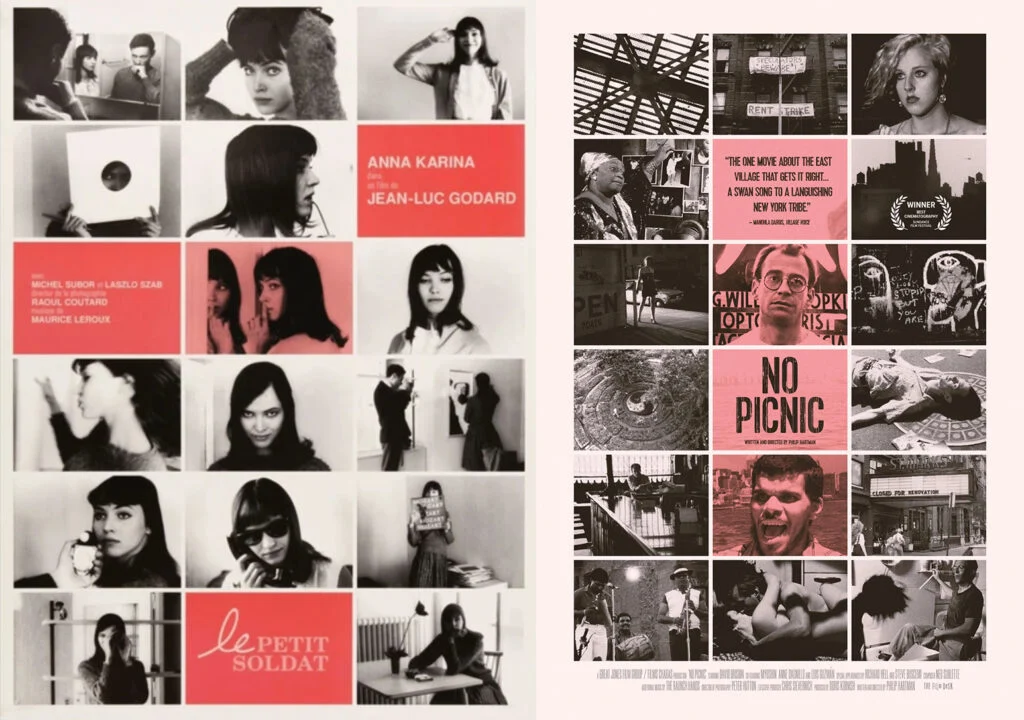
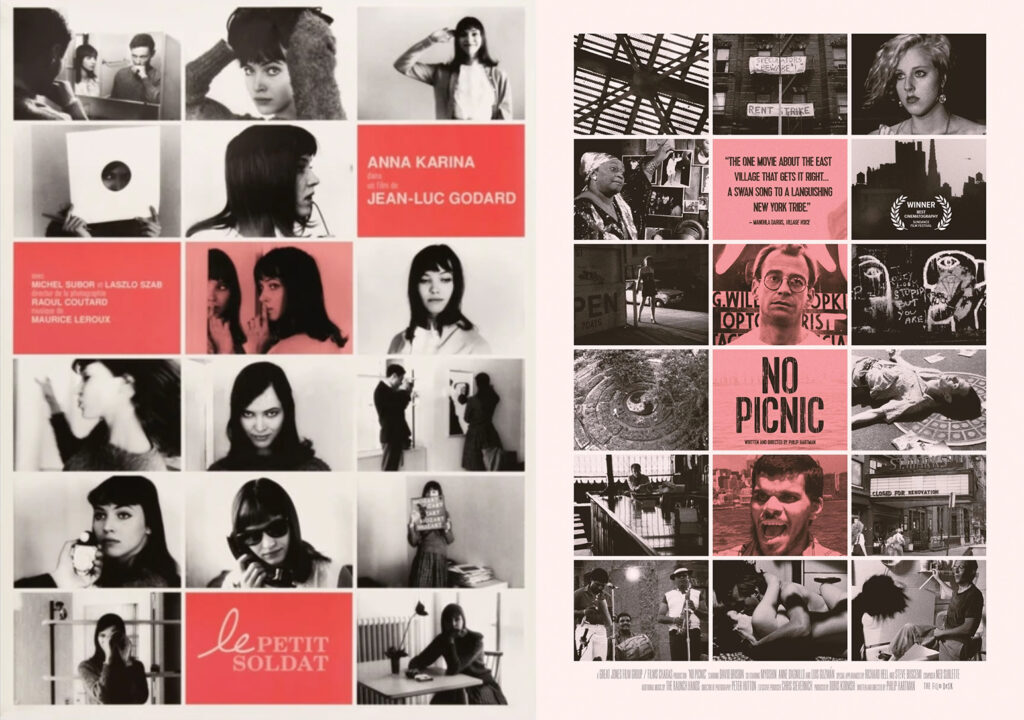
- Promotional Catalysts: Supported by a dynamic trailer created by The Film Desk, a promotional poster modeled after Jean-Luc Godard’s The Little Soldier (1963), and community engagement tactics including frequent Q&As by Hartman and complimentary Two Boots pizza slices distributed to ticket holders.
Official Responses and Perspectives
Phil Hartman on "Terroir" and Timing
Reflecting on the unexpected triumph of his four-decade-old film, director Phil Hartman noted the uncanny alchemy of its delayed release:
"You talk about terroir for a wine. I feel like there’s a terroir to No Picnic. Like you can feel the earthiness of the East Village and the rubble, the empty lots, the abandoned buildings. I think there’s something really appealing about that… It had time to ferment. It’s marketing genius to create something and then keep it a secret for 40 years."
On the evolving demographics of the theater seats, Hartman added:
"It started building and building. It began with people our age coming, and within a few weeks, it was people bringing their kids. And then it was just the kids coming and bringing their friends."
David Brisbin on the End of an Era
Lead actor David Brisbin, who portrayed the weary yet wistful jukebox mechanic Mac, shared his thoughts on why the film continues to cast a spell:
"Young people in the East Village now have a sense they missed something and want to know what that time was like. Old folks like me like to remember their youth… Phil and Peter showed us the end of an era, but not in a nostalgic or dystopian way. Things change, but some things stay the same."
Manohla Dargis on the Evergreen Crisis of Affordability
Film critic Manohla Dargis, whose 1990 Village Voice review originally catalyzed the film’s brief theatrical life, contextualized its modern resonance:
"The film speaks to the familiar, relatable (evergreen!) issue of affordability."
She recalled that despite growing up in the East Village, the only way she and her peers could afford to stay there at the time was by living in illegal sublets.
Christine Vachon on the Perfect Time Capsule
Acclaimed producer Christine Vachon, who worked as an uncredited assistant sound editor on No Picnic (and was paid in free meals at Great Jones Cafe), reflected on its structural weight:
"I think it has this mix of being relevant to today because it’s about being able to afford a place, but it also is a world that’s sort of past… It just manages to be sort of a perfect time capsule that in a funny way has folded back onto this time."
A Younger Generation’s View: Meg Aubry
For emerging filmmaker Meg Aubry, a resident of Ridgewood—a neighborhood often viewed as a contemporary analog to the 1980s Lower East Side—the film acts as an essential cultural textbook:
"We don’t really know the grounds we’re stomping on or the history of it. So it felt like it was an education in New York culture… I love that it was kind of like a parody noir. It is willing to laugh at itself as much as it is willing to take itself very seriously. And I love a character-driven kind of vérité, a vignette-to-vignette type of story. It’s just one of those cool ride-along watches."
Implications: What No Picnic Means for Independent Cinema and Urban Identity
The improbable ascent of No Picnic carries profound implications for both repertory film distribution and our understanding of urban cultural memory.
First, it proves that independent cinema from America’s underground past possesses untapped commercial and cultural viability. Through the visionary stewardship of boutique distributors like Jake Perlin’s The Film Desk, neglected 16mm artifacts can find vibrant, paying audiences if presented with contemporary marketing savvy, institutional backing (such as MoMA and Film Forum), and grassroots community engagement.
Second, the film bridges a generational divide regarding the mythos of New York City. As contemporary rents soar and corporate chains homogenize neighborhoods like the East Village, modern urbanites are searching for visual proof of the city’s bohemian lineage. No Picnic does not offer a polished, overly sentimental postcard; instead, it presents a predigital landscape of walkups with kitchen bathtubs, street-corner characters, and precarious survival strategies.
By capturing the universal struggle to pay the bills while leading a creative, meaningful life, No Picnic demonstrates that while the physical geography of New York City is constantly under siege by realtors and developers, the spirit of its creative underclass remains remarkably, eternally alive.
