
Navigating the Abyss: A Critical Retrospective on Sid Lucero’s Atmospheric Horror Puzzle, The Atlas Field
Main Facts
In the contemporary horror landscape, where fast-paced jump scares and high-octane gore frequently dominate the box office and streaming algorithms, slow-burn psychological cinema occupies a precarious space. Enter The Atlas Field, an atmospheric independent horror film directed by filmmaker Sid Lucero. Released in October 2026, the project has quickly become a talking point among genre enthusiasts and critics alike, drawing attention for its heavy reliance on mood, existential dread, and surrealist storytelling rather than traditional cinematic shocks.
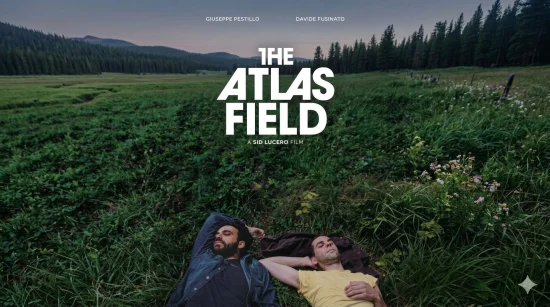
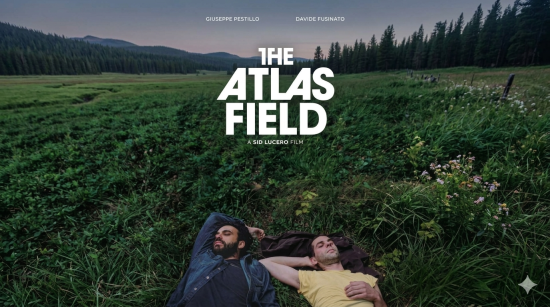
The narrative centers on Daniel, a man grappling with the grim reality of a terminal illness. Seeking closure, reconciliation, or perhaps merely a familiar sanctuary in his final days, Daniel convinces his estranged brother, Henry, to accompany him on a pilgrimage back to a desolate mountain landscape that defined their childhood. What begins as a sentimental trip down memory lane, however, quickly devolves into a waking nightmare. As the brothers trek deeper into the remote terrain, the fabric of reality begins to warp, fray, and ultimately unravel around them, forcing the siblings to confront not only their complicated familial pasts but also forces that defy logical explanation.
The film stars an international cast led by Davide Fusinato, Giuseppe Pestillo, and Christopher Tetrokan. Brought to life through a minimalist production style, The Atlas Field leans heavily on its isolated natural setting, transforming a majestic, sweeping mountain vista into a claustrophobic cage where space and time no longer function by conventional rules. Distributed and reviewed within horror dedicated outlets such as HorrorNews.net—via critiques penned by reviewers like Matt Boiselle—the film has established a reputation as a polarizing artistic endeavor. It is a work that trades easy answers for ambiguous dread, leaving audiences divided between those who admire its intellectual ambition and those who find its deliberate pacing an obstacle to emotional investment.
Chronology of Production and Release
While independent horror films often materialize with little fanfare, the trajectory of The Atlas Field reflects the modern realities of micro-budget and mid-tier genre filmmaking. The project entered development under the creative vision of Sid Lucero, who sought to blend personal themes of mortality with cosmic or surreal psychological horror.
- Pre-Production and Casting: Casting was finalized with Davide Fusinato, Giuseppe Pestillo, and Christopher Tetrokan joining the fold. The primary challenge for the production team was locating a physical setting capable of carrying the narrative’s psychological weight. The chosen mountain location was scouted for its stark, unforgiving topography, which would mirror the terminal diagnosis driving the protagonist’s internal crisis.
- Principal Photography: Filming took place on location, utilizing natural lighting and the inherent bleakness of the terrain to establish the visual tone. The shoot prioritized long takes, lingering camera movements, and an acoustic soundscape that emphasized environmental dread—rustling wind, shifting earth, and an oppressive silence—over a traditional, bombastic musical score.
- Post-Production and Festival Circulation: The editing phase was characterized by a deliberate effort to maintain narrative ambiguity. Rather than spelling out the metaphysical rules governing the mountain, Lucero and his editing team chose to fracture the chronology and distort reality gradually, ensuring that the audience’s confusion mirrored the characters’ psychological descent.
- Theatrical and Digital Debut (October 2026): The Atlas Field officially entered the public sphere in October 2026, rolling out via targeted digital platforms and niche horror outlets. Initial reviews began surfacing immediately, creating a wave of discourse surrounding its pacing, intellectual concepts, and ultimate payoff.
Supporting Data and Technical Analysis
To understand The Atlas Field, one must examine the cinematic mechanics that underpin its construction. The film’s technical profile reveals a distinct artistic philosophy, one that prioritizes texture and tone over narrative clarity.
Performance Metrics and Character Dynamics
The emotional anchor of the film rests squarely on the shoulders of its leading men, Davide Fusinato and Giuseppe Pestillo. Fusinato’s portrayal of Daniel captures the desperate, hollowed-out resignation of a man staring down the barrel of mortality. His physical commitment to the role—conveying weakness, urgency, and a frantic desire to anchor himself to reality—provides the film with its emotional baseline. Pestillo, playing the skeptical and reluctant brother Henry, acts as the audience’s surrogate. His gradual shift from annoyance and familial obligation to sheer terror grounds the supernatural and surreal elements of the plot.
| Technical Element | Artistic Approach | Impact on Viewer |
|---|---|---|
| Cinematography | Wide, isolated mountain frames; desaturated color grading. | Imparts a sense of smallness, vulnerability, and bleakness. |
| Sound Design | Minimalist score; heavy emphasis on environmental audio. | Heightens tension; makes the quiet moments feel oppressive. |
| Pacing | Deliberate, slow-burn progression with non-linear narrative beats. | Fosters intellectual engagement; risks alienating impatient viewers. |
| Scriptwriting | Ambiguous dialogue; thematic focus on terminal illness and memory. | Leaves room for interpretation; challenges traditional resolution. |
Thematic Integration
The technical choices are inextricably linked to the film’s core themes. The choice of a mountain setting is not merely aesthetic; it serves as a metaphor for the insurmountable obstacle of death. Just as Daniel cannot climb away from his terminal diagnosis, the brothers cannot hike their way out of the surreal geometry of the field. The shifting reality acts as a physical manifestation of cognitive decline and existential dread, exploring how human memory distorts the past just as the mountain distorts the present.
Critical Reception and Official Responses
Critical commentary surrounding The Atlas Field has been characterized by a distinct sense of cautious appreciation rather than unmitigated praise. Reviewers have universally acknowledged the film’s ambition, noting that Lucero’s refusal to pander to mainstream horror tropes is, in itself, a commendable creative choice.
In assessments such as those shared by critic Matt Boiselle, the prevailing sentiment is one of respectful ambivalence. Reviewers often find themselves evaluating the film through a dual lens: appreciating what the filmmaker was trying to accomplish versus actually enjoying the viewing experience in real time.
Key Critical Takeaways
- The Ambiguity Divide: A central point of discussion in early reviews is the film’s narrative structure. While art-house horror fans often welcome opaque plots that demand active interpretation, The Atlas Field crosses the line for some viewers, sliding from intriguing mystery into frustrating detachment.
- Atmospheric Triumph: There is near-consensus that the film succeeds wildly in its creation of mood. The oppressive atmosphere, bleak color palette, and sense of creeping wrongness are frequently cited as the picture’s strongest assets.
- The "Middle-Ground" Verdict: Many critics have placed the film squarely in the middle tier of modern horror—works that are too sophisticated to dismiss as failures, yet too elusive to champion as masterpieces. As Boiselle noted, the film generates moments where viewers think, "Okay, NOW we’re getting somewhere," only to be met with a lingering ambiguity when the final credits roll.
Implications for the Modern Horror Landscape
The release and reception of The Atlas Field offer a fascinating glimpse into the current state of independent genre filmmaking. As streaming services and video-on-demand platforms democratize distribution, filmmakers are increasingly empowered to take risks that major studios would never greenlight.
1. The Rise of "Elevated" vs. "Atmospheric" Horror
For years, the industry has debated the merits of terms like "elevated horror." Films like The Atlas Field demonstrate that a significant portion of the audience is hungry for stories that use horror tropes to explore deeply human tragedies—in this case, terminal illness, sibling estrangement, and the terror of vanishing memory. However, the film also highlights the inherent commercial risk of such projects. When a movie prioritizes mood over momentum, it inevitably risks alienating audiences seeking visceral thrills.
2. The Shift Toward Ambiguous Resolution
Audiences are increasingly divided over how stories should end. Traditional narrative structures demand a clear resolution—a monster defeated, a mystery solved, a hero saved. Conversely, modern surrealist horror often favors thematic resonance over logical closure. The Atlas Field sits directly at this crossroads. Its refusal to provide neat answers challenges viewers to become active participants in the storytelling process, discussing and decoding the narrative long after the screen goes dark.
3. Blueprint for Micro-Budget Ingenuity
From a production standpoint, The Atlas Field serves as a case study in resource management. By anchoring a metaphysical horror story in a single, naturally terrifying location (a desolate mountain) and focusing on a tight, two-man dynamic, Sid Lucero proves that high-concept horror does not require massive budgets or CGI spectacles. Instead, it requires a clear vision, strong lead performances, and an uncompromising commitment to tone.
Conclusion
Ultimately, The Atlas Field may not revolutionize the horror genre, nor will it satisfy every viewer who stumbles across it on a late-night streaming binge. Yet, its existence is vital. It represents the kind of daring, thoughtful, mid-tier independent cinema that keeps the horror genre vibrant, challenging, and unpredictable. For those willing to surrender to its slow pace and bleak, shifting realities, Sid Lucero’s film offers a haunting meditation on mortality and memory—proving that sometimes, the most terrifying journey a person can take is the one back into their own past.
