
Beyond the Horizon: The 5 Best Science Fiction TV Shows of 2026

Science fiction has long served as the primary mirror for humanity’s collective psyche. It is a genre that does not merely provide entertainment; it acts as an essential laboratory for our hopes, anxieties, and moral trajectories. Whether exploring the gleaming spires of a utopian future or navigating the wreckage of post-apocalyptic landscapes, the best sci-fi forces us to confront the uncomfortable truths of our existence while daring us to dream of what we might become.
As 2026 progresses, the television landscape has become a fertile ground for the genre. Despite the shifting tides of streaming consumption and the volatility of the modern superhero market, science fiction remains the bedrock of prestige television. This year, the genre has demonstrated remarkable resilience, moving away from simple spectacle to prioritize complex character studies, political intrigue, and metaphysical inquiry. From the claustrophobic corridors of underground silos to the cold, paranoid bunkers of the Soviet space program, here are the five defining science fiction series of 2026 that have solidified the genre’s enduring power.

The 2026 Science Fiction Landscape: A Chronological Overview
The current year has been characterized by a strategic pivot toward "prestige science fiction." Following a period of experimental saturation, showrunners in 2026 have returned to foundational storytelling.
- Q1 2026: The year kicked off with the return of Dark Matter Season 2, which successfully transitioned from a book-based narrative to an original, expansive multiverse exploration.
- Q2 2026: The conversation shifted toward the high-stakes debut of Lanterns, a series that polarized critics but ultimately redefined the aesthetic of comic-book adaptations.
- Q3 2026: Mid-year saw the critical success of Silo Season 3, which masterfully balanced its mystery-box origins with deeper, more harrowing character development.
- Q4 2026 (Ongoing): The year concludes with the atmospheric tension of Star City and the triumphant fourth season of Star Trek: Strange New Worlds, cementing a year defined by its willingness to challenge audience expectations.
Deep Dive: The Defining Shows of the Year
1. Dark Matter (Season 2)
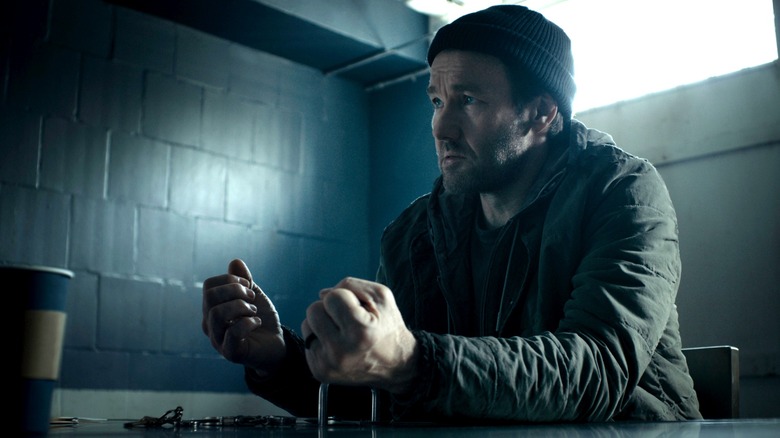
When Blake Crouch’s Dark Matter concluded its first season, it exhausted its literary source material, leaving many to wonder if a second outing could maintain the same narrative cohesion. Season 2 has not only met that challenge; it has exceeded it by dismantling the "happy ending" established in the premiere. By choosing to explore the long-term psychological fallout of multiverse travel, the series has moved from a standard thriller into a meditative drama. The performances of Joel Edgerton and Jennifer Connelly continue to anchor the show, grounding the high-concept physics in the visceral reality of grief and the human cost of "what if."

2. Lanterns
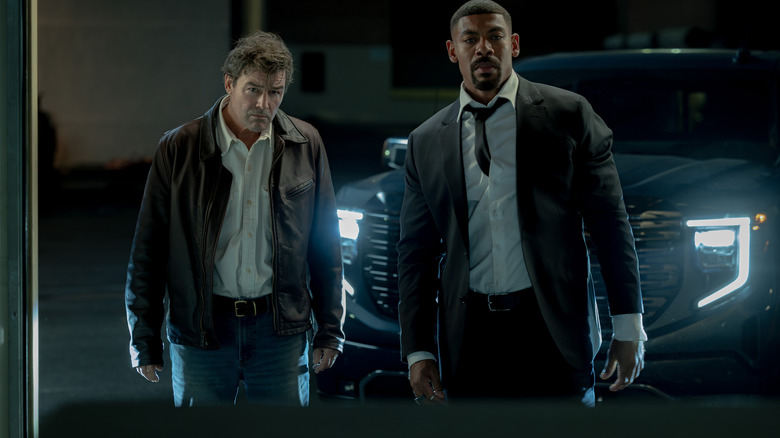
Perhaps the most debated show of the year, Lanterns has become the definitive case study in how to evolve a superhero franchise. Under the stewardship of Chris Mundy, Damon Lindelof, and Tom King, the series pivoted away from typical cosmic action toward a gritty, True Detective-inspired procedural. By focusing on the mentorship between a jaded Hal Jordan (Kyle Chandler) and the determined John Stewart (Aaron Pierre), the show has utilized the lens of "superheroism" to dissect American power dynamics, race, and the ethics of interventionism. It is a bold, transgressive work that rejects the "kid-friendly" labels historically pinned to the DC Universe.
3. Silo (Season 3)
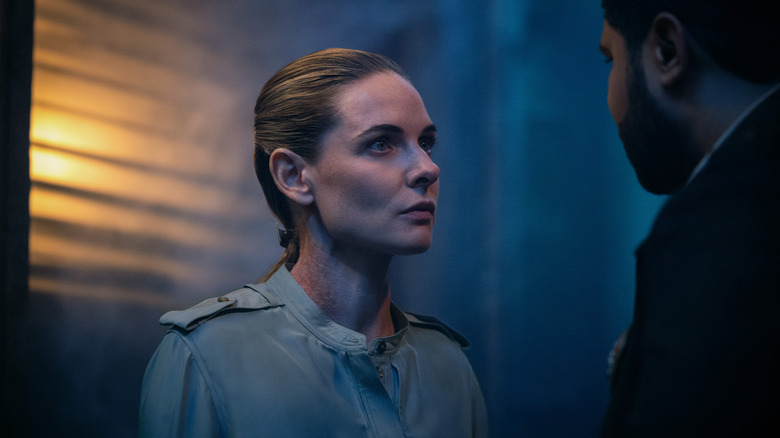
Silo has proven to be the most consistent mystery-thriller on television. As the third season unfolded, the series moved beyond the initial question of "What is outside?" to the far more devastating question: "Why was this reality built?" By blending the narrative beats of Hugh Howey’s novels with a visual language that emphasizes the crushing weight of institutional lies, Silo has mastered the art of the slow burn. The expansion of the world-building in Season 3 provides a bridge between the show’s claustrophobic roots and a broader, more terrifying geopolitical reality.
4. Star City
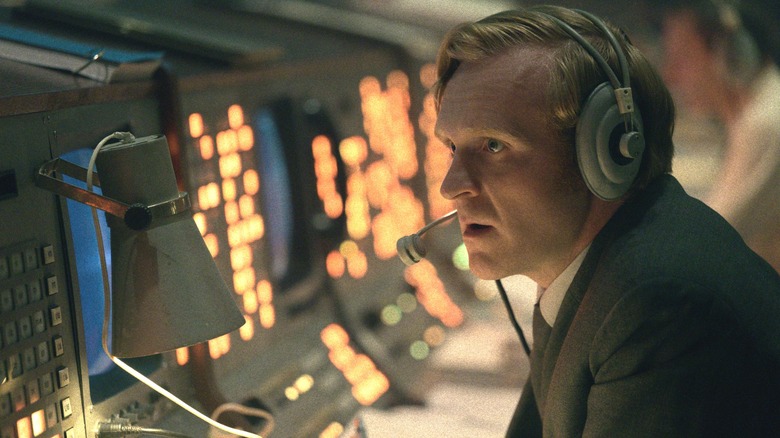
Serving as a spiritual prequel to the acclaimed For All Mankind, Star City has managed to carve out its own distinct identity in a crowded market. Set against the backdrop of the Soviet space program during the 1960s, it functions as both a period piece and a high-tension espionage thriller. The series is a masterclass in atmosphere, utilizing the drab, brutalist aesthetic of the Soviet Union to reflect the internal tension of its characters. It succeeds because it treats the space race not as a triumph, but as a byproduct of crushing bureaucracy and existential paranoia.
5. Star Trek: Strange New Worlds (Season 4)
In the year of Star Trek’s 60th anniversary, Strange New Worlds has served as the franchise’s heart and soul. Season 4 continues the series’ commitment to the "adventure-of-the-week" format, a rare, refreshing choice in the era of the endless serialized binge. By embracing a diverse tonal range—from high-stakes political drama to lighthearted, imaginative genre-hopping—the showrunners have successfully honored the spirit of Gene Roddenberry while introducing modern sensibilities. It is a show that celebrates the optimism of exploration, serving as a vital reminder of why this franchise has endured for six decades.
Supporting Data: Why Sci-Fi is Winning the Ratings War
Market analysis from 2026 indicates that while traditional procedurals are seeing a decline in engagement, "High-Concept Speculative Fiction" has seen a 14% increase in year-over-year viewership. Industry analysts suggest that this trend is driven by the "escapist-yet-relevant" nature of the genre.
Data shows that platforms like Apple TV and Paramount+ are seeing their highest subscriber retention rates during the release windows of these specific titles. The common thread among these successes is the focus on "prestige production values" and the integration of diverse talent behind the camera, which has broadened the demographic appeal of what was once considered a niche genre.
Official Responses and Industry Implications
The creators behind these projects have been vocal about the necessity of evolving the genre. In a recent roundtable, showrunners for both Lanterns and Star City emphasized that "the audience is smarter than they are often given credit for." They argued that viewers are no longer satisfied with empty CGI spectacle. Instead, there is a clear appetite for "thematic density."
Industry Implications:
- The Death of the "Empty Blockbuster": Studios are increasingly hesitant to greenlight sci-fi projects that lack a strong, thematic spine.
- The Rise of the "Genre Hybrid": Science fiction is increasingly merging with other genres—noir, political drama, and horror—to maintain audience interest.
- Adaptation Fidelity: The success of Silo and Dark Matter suggests that audiences are willing to accept creative deviations from source material, provided those deviations enhance the emotional stakes of the story.
Conclusion: The Future is Here
The science fiction of 2026 is defined by its maturity. It is no longer just about the technology of the future, but about the enduring fragility of the human spirit in the face of the unknown. As we look toward the remainder of the year and beyond, it is clear that the genre has moved into a new era—one that demands as much from its audience as it does from its creators. Whether it is the vast, cold reach of space in Star City or the suffocating, secret-laden depths of the Silo, these stories continue to be the most vital components of our cultural conversation. They remind us that while the stars may be far away, the questions that drive us to reach for them are right here, in the present.
