
The Architect of Prestige: Casey Bloys’ Strategic Move to Skydance-Paramount and the Future of Streaming
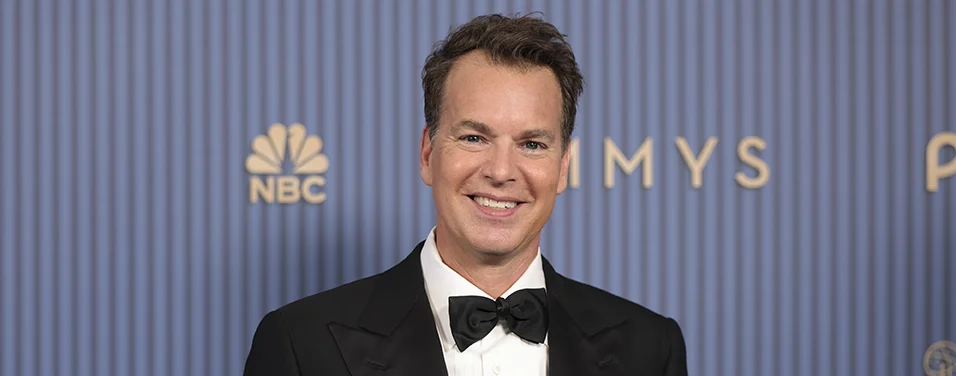
In a seismic shift for the media landscape, the executive suite of the newly merged Skydance-Paramount entity has taken shape, anchored by one of the most decorated figures in modern television. Casey Bloys, the long-standing Chairman and CEO of HBO and Max Content, has officially been named Co-Chair and Chief Content Officer of Skydance DTC.
The appointment, which has sent shockwaves through the industry, comes with a significant administrative tether: Bloys has signed a multi-year extension to his existing Warner Bros. Discovery (WBD) contract, ensuring his services through the end of 2027. This move, first reported by The Ankler, marks a pivotal moment in the integration of the Skydance-Paramount merger, signaling that the new leadership intends to prioritize high-prestige, high-impact storytelling as the bedrock of its direct-to-consumer (DTC) strategy.
The Strategy Behind the Signing
Contract renewals at this level of executive seniority are rarely merely administrative; they are strategic maneuvers designed to signal stability to shareholders and creative partners alike. When David Ellison, CEO of Skydance, assumed the mantle of leadership for the combined Paramount-Skydance entity, he faced a choice that would define the tone of the company for the next decade.
The decision to appoint Bloys over the incumbent Paramount DTC Chair, Cindy Holland, was arguably the most dramatic and consequential move Ellison has made in his initial organizational restructuring. By securing Bloys, Ellison has effectively imported the "HBO blueprint"—a model defined by premium, appointment-viewing content—into the Paramount ecosystem.
For the combined company, the extension of Bloys’ contract through 2027 serves as a "lock-in" clause. It guarantees that the creative vision of the new streaming platforms—which will oversee both HBO Max and Paramount+—will be guided by a veteran who has proven capable of navigating the volatile transition from linear cable dominance to the streaming wars.
A Chronology of Prestige: The Bloys Era
To understand why Bloys was the prize catch for the new Skydance-Paramount entity, one must look at his trajectory. Bloys’ career is not just a resume; it is a timeline of the evolution of the television medium itself.
2004–2016: The Rise of a Comedy Architect
Bloys joined HBO in 2004 as a junior executive within the comedy department. At the time, HBO was already the gold standard for "prestige TV," but it was largely defined by its gritty, character-driven dramas. Bloys was instrumental in evolving the network’s comedy slate, shepherding shows that balanced critical acclaim with cultural relevance. His rise through the ranks to become Head of Comedy was marked by a keen ability to spot "the next thing" before it permeated the mainstream zeitgeist.
2016–2020: Taking the Reins
In 2016, Bloys was named President of Programming, succeeding Michael Lombardo. This was a precarious time for cable networks as the Netflix "tsunami" began to gather force. Bloys managed the transition with a focus on doubling down on quality. During this period, he maintained the network’s cultural footprint through massive hits and bold swings, ensuring that HBO remained the brand viewers associated with "must-see" television.
2020–2024: The Streaming Integration
When the pandemic hit in 2020, Bloys was handed the keys to the kingdom: original content responsibilities for the fledgling HBO Max. The integration of linear HBO and the streaming-first Max service was a logistical nightmare for many competitors, but under Bloys, the brand identity remained largely intact. In 2022, he was named Chairman and CEO of HBO and Max Content, a role that gave him total creative jurisdiction over the platform’s portfolio.
The "HBO Core": An Executive Exodus
Bloys is not arriving at Skydance-Paramount as a lone operative. He is bringing his trusted inner circle, a group of executives who have worked alongside him for decades. This "core group" is essential to the stability of the transition, as they represent the institutional knowledge of the HBO creative process.
The team joining him includes:
- Francesca Orsi: The long-time Head of Drama at HBO, known for her hand in developing some of the most critically acclaimed series of the last twenty years.
- Amy Gravitt: The Head of Comedy for HBO and Max, who has been instrumental in keeping HBO’s comedy brand sharp and competitive.
- Sarah Aubrey: The Head of Originals for HBO Max, who brings specific expertise in the streaming-first model that the new Skydance-Paramount platform requires.
- Jeff Cusson: The Head of Communications, a veteran who has managed the complex public-facing image of the HBO brand for over two decades.
The fact that these individuals have collectively spent over 20 years at HBO creates a level of cultural synergy that is rare in the high-churn world of corporate mergers. They are not just moving jobs; they are moving a corporate philosophy.
Supporting Data: Why Bloys Won the Room
The metrics of Bloys’ tenure are undeniably robust. In an era where streaming platforms are struggling to justify their budgets, HBO/Max has consistently demonstrated an ability to turn "prestige" into "performance."
The most recent Emmy season serves as a case study for his efficacy. HBO/Max secured 21 wins out of 122 nominations, a commanding lead that underscores the network’s continued dominance in the creative space. Key victories, including The Pitt (Outstanding Drama Series) and DTF St. Louis (Outstanding Limited or Anthology Series), serve as proof that the "HBO brand" remains the gold standard in the eyes of the Academy and the viewing public.
For David Ellison, these numbers were the deciding factor. While Paramount+ has had successes, it has struggled to find a consistent "brand identity" in the same way HBO has. By installing Bloys, Ellison is essentially buying a proven track record of award-winning, subscriber-retaining content.
Implications for the Future of Paramount+ and HBO
The immediate future for the combined streaming entity is one of intense evaluation. Sources indicate that Bloys will take significant time to audit the existing programming team at Paramount+. This "wait and see" approach is characteristic of his leadership style; he is known for being methodical rather than reactionary.
The Personnel Question
The industry is currently holding its breath regarding the fate of the existing Paramount+ creative staff. With Bloys bringing in his own lieutenants, the landscape for current Paramount executives is uncertain. Bloys is expected to prioritize "brand alignment," which means that any content that does not meet the "prestige" threshold set by his HBO experience may be subject to cancellation or restructuring.
The Content Strategy
The overarching goal is clear: the integration of Paramount’s vast library—ranging from the Star Trek universe to the Yellowstone empire—with the high-prestige sensibilities of the HBO model. If successful, this could create a streaming juggernaut that offers both the "comfort food" of established IP and the "prestige snacks" of award-winning dramas.
Industry Impact
This move also places massive pressure on competitors. By consolidating some of the best executive talent in the business under one roof, Skydance-Paramount is setting a new hurdle for other streamers. Disney, Netflix, and Amazon will now have to contend with an entity that has successfully merged legacy studio scale with a boutique, high-quality creative process.
Conclusion: A New Era of Executive Power
The extension of Casey Bloys’ contract and his move to Skydance-Paramount is the definitive executive move of the year. It represents a pivot away from the "volume over quality" strategy that defined the early days of the streaming wars, and toward a future where talent retention and brand identity are the primary currencies.
As Bloys settles into his new role, the industry will be watching closely to see if he can replicate the HBO magic at a much larger scale. If the past two decades of his career are any indication, the result will be a transformative era for both the studio and the viewer. For now, the message from the corner office at Skydance is clear: prestige is back, and it has a long-term contract to prove it.
