The Oath of the Independent: How Lanterns Redefined a DC Universe Icon
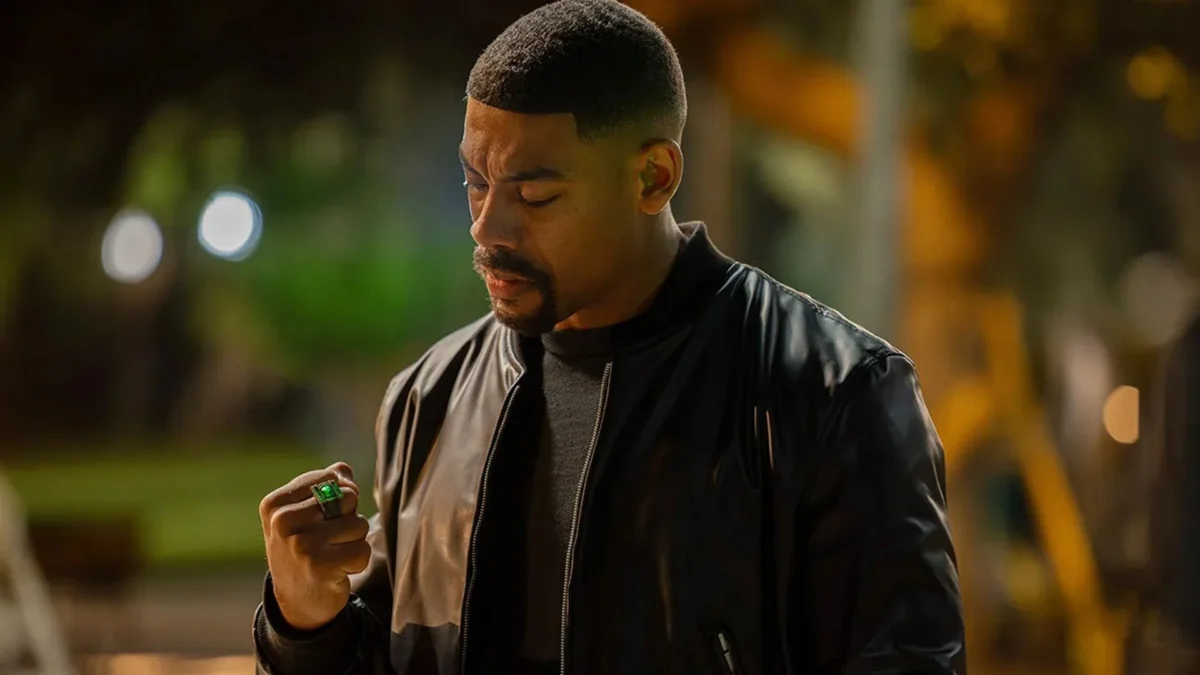
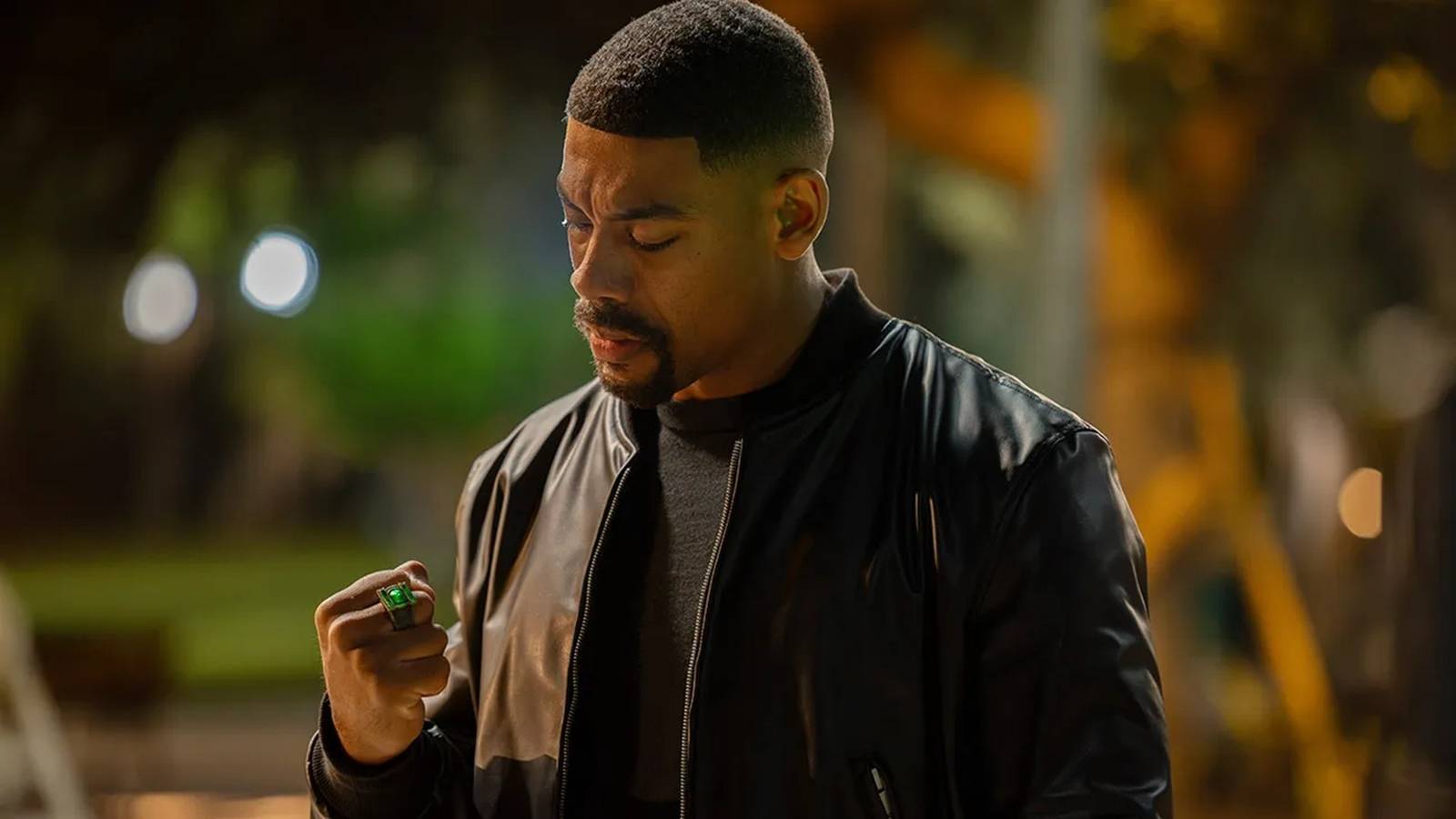
The Season 1 finale of the DCU’s ambitious series Lanterns, titled "Dirt and Stars," served as more than just a narrative climax; it acted as a thematic manifesto. As the dust settled on the season’s complex mystery, the series delivered a defining moment for John Stewart, one that effectively severed his tether to the rigid bureaucracy of the Green Lantern Corps. In a symbolic act of liberation, Stewart—now wielding a decommissioned ring and a power battery forged by the cunning Sinestro—recited a new, personal Green Lantern oath.
This deviation from the established lore has sparked intense debate among the DC faithful. While some viewed the change as a departure from the source material, a deeper examination reveals that Lanterns is not abandoning the past, but rather returning to the foundational idea that a ring-bearer’s oath should be a reflection of their individual journey, their culture, and their unique mission.
The Evolution of an Icon: From Alan Scott to Hal Jordan
To understand the significance of John Stewart’s new oath, one must first look at the history of the Green Lantern iconography. The concept of the "oath" was not always the uniform, multi-verse-wide mantra that modern audiences recognize.
In the Golden Age of comics, Alan Scott—the original Green Lantern introduced in 1940—utilized a simple rhyme to activate his mystical power. It wasn’t until the Silver Age, with the 1959 debut of Hal Jordan, that the science-fiction iteration of the Green Lantern Corps was solidified. To honor the legacy of the original hero, DC Comics writers adapted Scott’s oath for Jordan. This became the legendary mantra:
"In brightest day, in darkest night, no evil shall escape my sight. Let those who worship evil’s might, beware my power — Green Lantern’s light!"
For decades, this oath remained a cornerstone of DC lore. However, as the universe expanded, the phrase "darkest night" underwent a subtle but pivotal linguistic shift to "blackest night." More importantly, the oath was never intended to be a universal standard for every member of the Corps. In the internal logic of the DC Universe, many species and sectors developed unique chants that resonated with their specific biological and cultural identities.
The homogenization of the oath—where every Green Lantern adopted Hal Jordan’s specific words—only became the "default" in the 1990s and was further cemented during the 2000s under Geoff Johns’ creative tenure. Within the story, this was framed as a mark of respect for Jordan’s status as the greatest of the Corps. In the real world, however, it was a marketing and branding necessity, standardizing the character’s signature line across all media, from the 2011 Green Lanternfilm to the DC Animated Universe.
The DCU’s Approach: Tradition vs. Transformation
In the DCU series Lanterns, the traditional oath is presented as a relic of a rigid, militaristic organization. Throughout the first season, the audience sees the standard oath recited by various characters—sometimes with bravado, other times muttered hastily under the breath during the frantic necessity of a ring-recharge. It serves to highlight the mundanity of the Corps’ operations.
By the time the finale arrives, the show makes a deliberate choice to dismantle this uniformity. John Stewart, standing at a crossroads of destiny, rejects the prescribed words of his predecessors. His new oath reads:
"In brightest day, in darkest night, I’ll embrace my fear. I’ll do what’s right. I choose this ring. I choose this fight, in service to this lantern’s light."
This is a radical shift in perspective. Where the original oath was a call to arms against "evil," Stewart’s version is a declaration of personal agency. By including the line "I’ll embrace my fear," Stewart acknowledges the psychological toll of his journey. He is no longer a soldier following a directive; he is an individual choosing to stand against the darkness on his own terms.
Historical Implications: Deconstructing the "Blackest Night"
The linguistic choices in Stewart’s oath are particularly resonant when considering the history of comic book discourse. The original oath’s evolution from "darkest" to "blackest" night has long been a subject of cultural critique. By retaining the "brightest day" but centering the oath on his own internal fortitude rather than an external struggle against "evil," Stewart’s version engages with the legacy of the 1970s Green Lantern/Green Arrow run by Dennis O’Neil and Neal Adams.
That seminal run was instrumental in dragging superhero comics into the real world, forcing characters to confront social issues. Lanterns appears to be leaning into that same DNA. By having a Black protagonist redefine the "blackest night" and reclaim the light, the show is actively deconstructing the tropes of the Silver Age. It asserts that for John Stewart, the "blackest night" is not a source of terror to be repelled, but a reality to be navigated and, ultimately, mastered.
The Burden of Destiny: A New Path for John Stewart
The narrative arc of John Stewart in Lanterns is defined by the tension between destiny and choice. His parents raised him with the expectation that he would be the "perfect" candidate for the Green Lantern Corps. He was groomed for a role that, in many ways, was designed to erase his individuality in favor of the collective.
When Stewart rejects the standard oath, he is effectively resigning from that predestination. The line "I choose this ring" is the most important element of his new mantra. It signifies that his heroism is not a result of his upbringing or his compliance with the Corps’ standards, but a deliberate decision made by a man who understands the cost of the power he wields.
This is a stark contrast to Hal Jordan’s depiction in the show, where the oath is merely a functional tool. For Jordan, the ring is a job; for Stewart, the ring is a choice. This dichotomy sets the stage for future conflict and growth within the DCU. It suggests that the "Green Lantern" mantle will no longer be a singular, monolithic entity, but a title that carries different meanings for different users.
Official Reception and Critical Discourse
The creative team behind Lanterns, including showrunner Chris Mundy and executive producers Damon Lindelof and Tom King, have faced criticism from segments of the fanbase who feel the show is "ashamed" of its source material. However, the decision to rewrite the oath suggests the opposite: a deep, intimate knowledge of the source material and a desire to evolve it.
By pulling from the forgotten, deeper layers of DC lore—specifically the idea that oaths were originally intended to be personal—the writers have managed to pay homage to the comics while moving the character forward. As Tom King, who has written extensive runs on Batman and Mister Miracle, often does in his work, the series challenges the "mythology" of the hero to reveal the human being underneath.
The critical response has largely focused on the show’s willingness to slow down and explore the psychological weight of the characters. While some purists may bristle at the change to the oath, it is undeniably a narrative masterstroke that justifies the "DCU" label—a universe where stories are allowed to change, grow, and reflect the people who inhabit them.
Looking Ahead: The Future of the DCU Lanterns
As we look toward the potential second season of Lanterns, the implications of this change are clear. John Stewart is no longer a cog in the machine; he is an outlier. This positions him as a unique threat—and a unique ally—to the rest of the DC Universe.
The oath itself serves as a piece of world-building that tells us everything we need to know about where the DCU is heading. We are moving away from the era of the "perfect, standard-issue hero" and into an era of complex, flawed, and self-actualized individuals.
The series finale leaves us with the image of a man who has looked at the traditions of the past, acknowledged them, and decided that they were insufficient for his future. By forging his own path, John Stewart has not just redefined what it means to be a Green Lantern—he has defined what it means to be a hero in the modern DC Universe.
The light of the Green Lantern has always been about willpower. By choosing his own words, John Stewart has proven that his will is his own, and that is a power far greater than any ring could provide.