
The Italian Stallion at 50: Why ‘Rocky’ Still Goes the Distance
By Editorial Staff
October 5, 2026
It is difficult to overstate the cultural footprint of a man who climbed the steps of the Philadelphia Museum of Art and, in doing so, ascended into the pantheon of cinematic immortality. As we reach the autumn of 2026, we find ourselves standing at a momentous milestone: the 50th anniversary of John G. Avildsen’s Rocky.
To celebrate half a century of the "Italian Stallion," Fathom Entertainment has announced a nationwide theatrical re-release of the original 1976 masterpiece, fully restored in stunning 4K. Scheduled for a limited engagement from November 7th through November 11th, 2026, the event offers a new generation the chance to witness the "everyman" hero who redefined the sports drama genre.
The Main Facts: A Half-Century of Heart
"Why do you want to fight?" the interviewer asks in the film’s iconic promotional footage. The reply remains as poignant today as it was in the mid-seventies: "Because I can’t sing or dance!"
That exchange captures the essence of Rocky Balboa—a small-time club fighter from the rough streets of Kensington, Philadelphia, who finds himself thrust into a spotlight he never sought. Released in December 1976, the film became an immediate global phenomenon. Produced on a shoestring budget of roughly $1 million, it defied industry expectations to gross over $225 million worldwide, becoming the highest-grossing film of its year.
The re-release arrives at a poignant time for the franchise. It coincides with the promotional cycle for I Play Rocky, the highly anticipated biopic starring Anthony Ippolito as a young Sylvester Stallone. This meta-narrative—the story of the movie that chronicles the making of the movie—serves as a reminder that the "miracle" of Rocky was not just a plot point; it was a reality.
A Chronology of a Champion
The trajectory of the Rocky franchise is a singular achievement in Hollywood history.

- 1976: The original Rocky hits theaters, turning Sylvester Stallone into an overnight superstar. The film earns ten Academy Award nominations and wins three: Best Picture, Best Director (John G. Avildsen), and Best Film Editing.
- 1977–1990: The franchise expands into a sprawling saga. Rocky II (1979) cements the rivalry with Apollo Creed; Rocky III (1982) introduces the high-octane intensity of Clubber Lang; Rocky IV (1985) turns the series into a Cold War allegory; and Rocky V (1990) attempts a return to the gritty roots of the original.
- 2006: After a sixteen-year hiatus, Stallone returns to the character for Rocky Balboa, a meditative, melancholic, and critically acclaimed swan song that many argued was the perfect ending.
- 2015–2023: The franchise pivots to the Creed era, handing the baton to Michael B. Jordan while keeping the spirit of the original characters alive.
- 2026: The 50th Anniversary restoration marks the film’s return to the big screen, cementing its status as an untouchable piece of American folklore.
Supporting Data: The Anatomy of a Hit
What made Rocky work in 1976, and why does it continue to resonate in 2026? Data from the film’s initial release and its subsequent legacy suggests three pillars of success:
1. The Power of the Screenplay
Sylvester Stallone’s script was not just a boxing movie; it was a character study. By focusing on the quiet, often lonely life of a debt collector who moonlights as a fighter, Stallone tapped into the American zeitgeist of the post-Vietnam, post-Watergate era. Audiences were hungry for a hero who didn’t win by being a superman, but by "going the distance."
2. The Directorial Touch
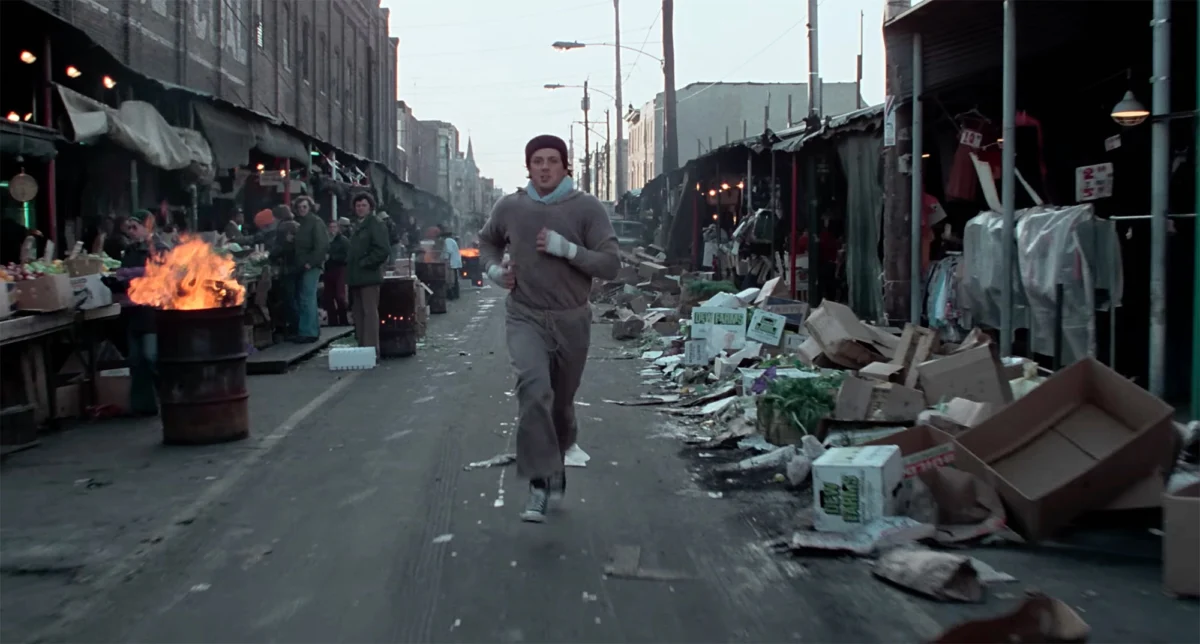
John G. Avildsen’s direction favored realism over spectacle. He utilized the streets of Philadelphia not as a backdrop, but as a character. The training montages, accompanied by Bill Conti’s legendary score, transformed the mundane act of jogging through meat lockers and cold city streets into an operatic feat of human will.
3. The Ensemble Chemistry
While Stallone is the face of the film, the supporting cast provided the emotional stakes. Carl Weathers’ performance as Apollo Creed remains the gold standard for cinematic antagonists—arrogant, charismatic, and ultimately, a professional. Talia Shire’s portrayal of Adrian provided the film with its beating heart, while Burgess Meredith’s Mickey Goldmill established the archetypal "tough love" mentor role that would be imitated for decades.
Official Responses and Industry Impact
The film industry has been vocal in its praise for this upcoming celebration. In a recent statement regarding the 4K restoration, Fathom Entertainment noted, "Restoring Rocky wasn’t just about cleaning up the image; it was about preserving a historical artifact. This film changed the way we shoot sports, the way we write scripts, and the way we view the underdog."
The cast and crew have similarly reflected on the legacy. While the film’s stars have aged, the camaraderie remains. Even as the series has evolved into the Creed universe, the original cast—including the late Burt Young (Paulie) and Burgess Meredith—are frequently cited by contemporary filmmakers as the primary influence for their own character-driven dramas.
Industry analysts suggest that the 50th-anniversary screenings will serve as a bellwether for the "classic cinema" market. As streaming platforms dominate the home viewing experience, the desire for "eventized" theatrical experiences—particularly for films that defined the cultural consciousness of the 20th century—remains high.

Implications: The Eternal Relevance of Balboa
Why does Rocky still matter? In an era of CGI-heavy blockbusters and multiverse narratives, the simplicity of a man wanting to prove he isn’t "a bum from the neighborhood" feels radical.
The implications of this 50th anniversary go beyond nostalgia. It is an acknowledgment that the "everyman" story is timeless. We live in a world that often prizes perfection and speed, yet Rocky celebrates the value of the slow climb, the dignity of labor, and the courage to lose a fight but win one’s self-respect.
Furthermore, the release of I Play Rocky alongside the original film suggests a shift in how we consume film history. We are no longer content with just watching the movie; we are fascinated by the struggle of the creator. The parallel release invites audiences to compare the fictional struggle of Balboa with the real-world struggle of Stallone—who famously refused to sell his script unless he was cast as the lead.
As we look toward the screenings this November, we aren’t just going to a movie theater to watch an old film. We are participating in a communal act of remembrance. We are watching a man get hit, get back up, and find the strength to endure.
Fifty years later, the lesson remains the same: it’s not about how hard you hit; it’s about how hard you can get hit and keep moving forward.
For those looking to experience the 4K restoration, tickets for the November 7th–11th screenings are currently available through the Fathom Entertainment portal. As with any event of this magnitude, it is recommended to secure seats early, as demand is expected to be high across major urban centers.
