
Survival Against the Elements: Why ‘The Grey’ Is a Must-Watch Before It Leaves Netflix
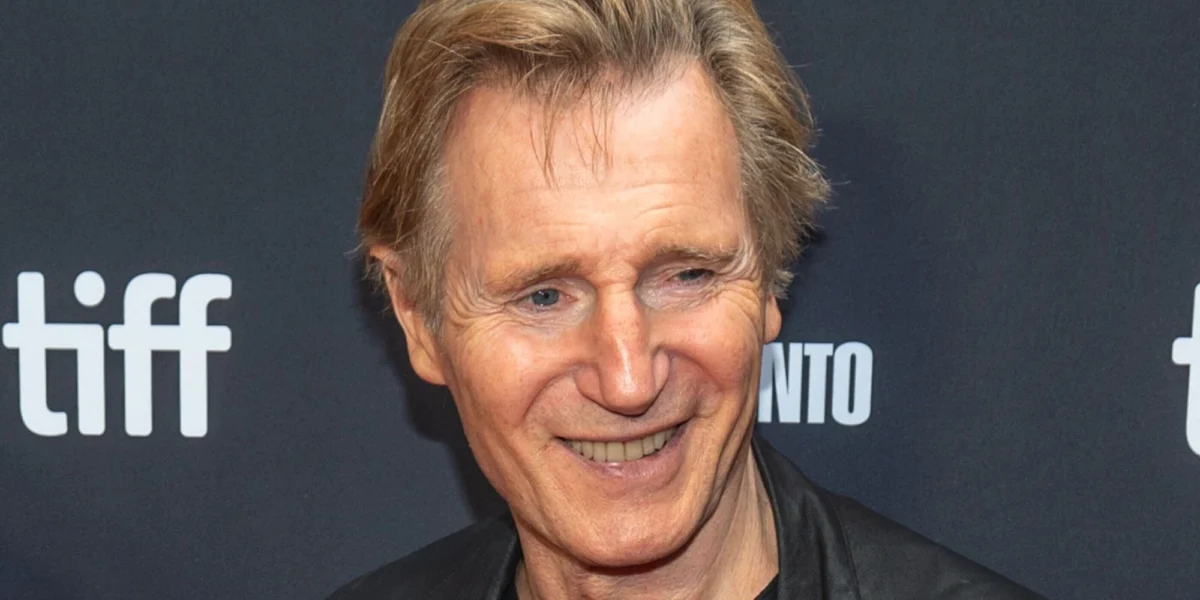
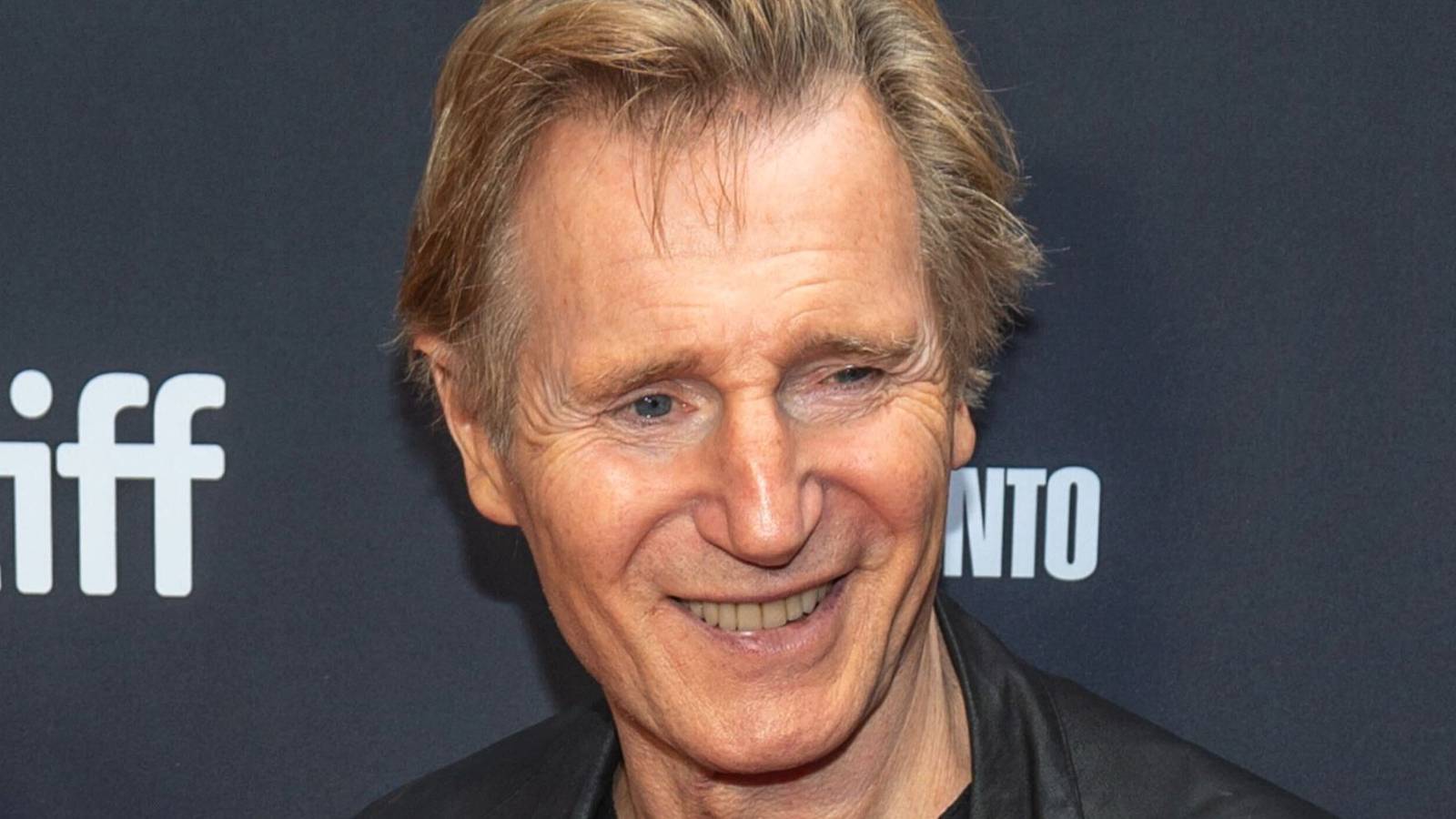
For decades, Liam Neeson was primarily recognized as a formidable dramatic actor, a performer defined by his gravitas and emotional range. However, the 2008 blockbuster Taken fundamentally altered the trajectory of his career, pivoting him into the role of Hollywood’s most bankable, late-blooming action icon. While many audiences associate that "Neeson persona" with high-octane rescue missions and globe-trotting espionage, one of his most profound and haunting performances arrives just as he leans into that rugged archetype.
Directed by Joe Carnahan, the 2012 survival thriller The Grey stands as a chilling testament to the fragility of human existence. As part of Netflix’s rotating content library, the film is scheduled to depart the platform on November 1, 2026. For those who have yet to experience this grueling odyssey—or for those looking to revisit one of the decade’s most intense survival stories—the coming weeks offer the final window to stream the film on Netflix U.S.
The Narrative: A Fight for Life in the Alaskan Wild
In The Grey, Neeson portrays John Ottway, a man struggling with existential despair while working as a professional marksman for an oil drilling company in the remote Alaskan wilderness. His primary responsibility is straightforward: protecting the workers from the local wildlife, specifically the aggressive wolf packs that roam the frozen landscape.
The narrative shifts abruptly when the transport plane carrying the workers home crashes in the middle of a sub-zero, uninhabited expanse. Ottway finds himself among the few survivors, thrust into a nightmarish struggle against both the brutal climate and a pack of wolves that views the newcomers as intruders in their territory. What follows is not a standard "man versus monster" action flick, but a meditative, terrifying exploration of mortality, nature, and the sheer will to survive.
Chronology of a Production: From Script to Frozen Reality
The development of The Grey was marked by a commitment to visceral realism that is increasingly rare in modern filmmaking. Based on the short story "Ghost Walker" by Ian Mackenzie Jeffers, who co-wrote the screenplay with director Joe Carnahan, the project was designed to be an immersive experience.
The Filming Process
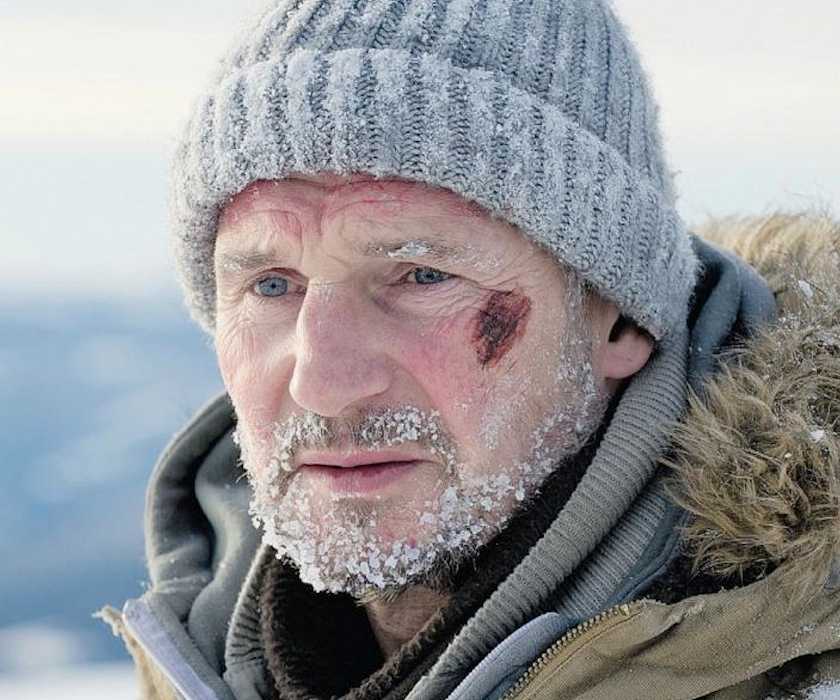
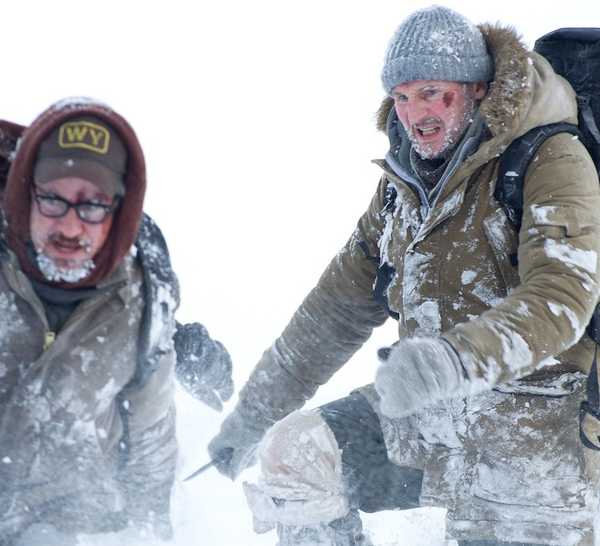
Production took place in the rugged environments of British Columbia, Canada, specifically in and around the town of Smithers. The choice of location was intentional; the production team sought a landscape that would feel as hostile as the Alaskan wilderness portrayed in the script. The logistics of filming in these conditions were staggering. Temperatures frequently dipped toward -40 degrees Fahrenheit, creating an environment where the actors were not merely "acting" cold—they were fighting to keep their body temperatures stable.
The "Suffering" Aesthetic
Director Joe Carnahan was vocal about his desire to capture authentic reactions. By avoiding over-reliance on computer-generated imagery (CGI), the production relied on practical effects and the genuine physical discomfort of the cast. Dermot Mulroney, who played the role of Talget, famously noted in an interview with Daily Actor that Carnahan was "determined to make a movie in which the actors truly suffered." This decision paid off in the final cut; the exhaustion seen in the characters’ eyes is not merely the result of professional makeup, but the product of long, grueling days spent in the snow.
Supporting Data: A Cinematic Departure
The removal of The Grey from Netflix is part of a larger, systemic reshuffling of the platform’s licensing agreements. As of November 2026, Netflix U.S. is clearing a substantial portion of its library, with 58 movies, 15 TV series, and various stand-up specials slated for removal.

Among the other notable titles exiting the platform alongside The Grey are several entries from the Fast & Furious franchise, the DC superhero epic Black Adam, and the acclaimed war drama American Sniper. This mass exodus of high-profile content highlights the ongoing volatility of the streaming market, where films frequently rotate between services, leaving viewers with limited time to access their favorite titles.
Official Perspectives: The Philosophy of the Film
While The Grey is marketed as a thriller, both Neeson and Carnahan have described it as something far more philosophical. Liam Neeson has often cited the role of John Ottway as one of his most challenging, noting that the character’s internal battle with his own grief was just as significant as the battle against the wolves.
Joe Carnahan, in various retrospective interviews, has spoken about the film as a "primal story." He intended for the wolves to represent not just biological threats, but the inescapable nature of death itself. The film’s pacing—which balances moments of bone-chilling silence with sudden bursts of violence—serves to heighten the viewer’s sense of vulnerability. It is a film that refuses to offer easy comfort, demanding that the audience confront the same grim reality facing the characters on screen.
Implications for the Audience
The departure of The Grey from Netflix serves as a poignant reminder of the importance of catalog awareness in the age of streaming. As licensing deals shift, films that are considered "staples" of a platform can disappear with little fanfare.
For the average viewer, the implications are two-fold:
- Urgency in Viewing: With the November 1 deadline approaching, those who appreciate high-tension, character-driven dramas should prioritize watching the film now.
- The Value of Practical Filmmaking: The enduring popularity of The Grey serves as a case study for the industry. Even in an era dominated by high-budget green-screen spectacles, there remains a massive appetite for grounded, physically demanding performances. The film’s legacy is defined by its refusal to use shortcuts, a standard that critics and audiences continue to praise years after its 2012 release.
Why The Grey Remains Relevant
Even 14 years after its theatrical debut, The Grey maintains a high degree of cultural relevance. It remains a definitive entry in the "survival thriller" genre, sitting comfortably alongside films like The Revenant or Into the Wild.
The film’s power lies in its restraint. It does not shy away from the gruesome reality of a plane crash or the terrifying speed of an apex predator. Instead, it invites the audience to sit in the cold, to listen to the howling wind, and to consider the final, desperate words of a man who has nothing left to lose.
As we approach the start of November, Netflix subscribers are encouraged to make time for this chilling masterclass in suspense. Whether you are a fan of Liam Neeson’s action-star era or you appreciate the stark, unflinching direction of Joe Carnahan, The Grey offers a cinematic experience that lingers long after the credits roll. Do not miss the chance to witness one of the most honest depictions of human survival ever captured on film before it vanishes from your queue.
Quick Fact Sheet:
- Release Date: January 26, 2012
- Runtime: 117 minutes
- Director: Joe Carnahan
- Writers: Joe Carnahan, Ian Mackenzie Jeffers
- Producers: Ridley Scott, Jules Daly, Mickey Liddell, Joe Carnahan
- Availability: Streaming on Netflix until November 1, 2026.
