
A New Cut for a Classic: Prime Video Revives the Iconic ‘Barbershop’ Franchise for a Modern Era
By Editorial Staff
October 5, 2026
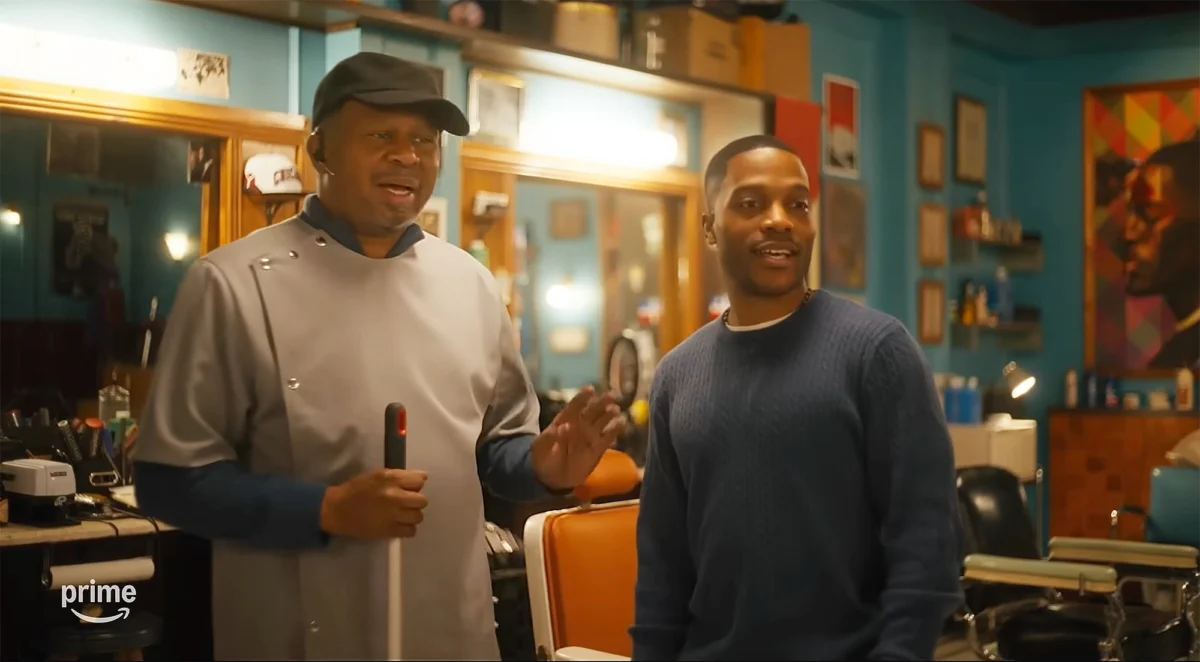
The buzzing of electric clippers and the rhythmic cadence of unfiltered neighborhood debate are returning to our screens. Prime Video has officially pulled back the curtain on its highly anticipated revival of Barbershop, the beloved comedy franchise that defined a generation of urban storytelling. With a first-look teaser trailer released this week, audiences finally have a glimpse of how this reboot intends to bridge the gap between the nostalgic roots of the 2002 original and the hyper-connected, rapidly evolving landscape of 2027 Chicago.
Fronted by the charismatic Jermaine Fowler, who steps into the lead role of Travis "Trav" Walker, the series promises to maintain the soul of the original films while injecting fresh energy into the storied halls of Calvin’s Barbershop.
Main Facts: The Evolution of a Cultural Staple
The Barbershop series, slated for a global streaming debut on Prime Video on February 10, 2027, serves as both a spiritual successor and a direct continuation of the cinematic universe established over two decades ago. The premise centers on Trav, a young man returning to his Chicago roots with the ambition of honoring his grandfather’s legacy at the iconic shop. However, the narrative is quick to establish that while the address remains the same, the world around it has shifted significantly.
In the teaser, the shop is presented as a sanctuary of “sharp fades and sharp opinions.” The core appeal of the franchise—a place where the community gathers to discuss politics, relationships, and the daily grind—remains intact. Yet, the series promises to navigate the complexities of modern Chicago, where gentrification, social media influence, and a changing demographic landscape challenge the traditional role of the neighborhood barber.

The ensemble cast is a powerhouse of comedic and dramatic talent, featuring:
- Jermaine Fowler as Travis "Trav" Walker
- Brett Gray
- Punkie Johnson
- Roy Wood Jr.
- E.J. Bonilla
- Bresha Webb
- Bokeem Woodbine
- Tiana Okoye
- Langston Kerman
A Chronological Legacy: From 2002 to the Present
To understand the weight of this revival, one must look at the foundation laid by the original creative team. The Barbershop franchise has always been more than just a series of films; it has been a mirror held up to Black American life.
- 2002: The Genesis: Directed by Tim Story, the original Barbershop became a cultural phenomenon. It introduced audiences to Calvin Palmer Jr. (Ice Cube), a man struggling to keep his family business afloat while juggling the eccentricities of his employees and patrons. It was lauded for its ability to balance raucous humor with poignant social commentary.
- 2004: Expansion: Barbershop 2: Back in Business proved that the chemistry between the cast was sustainable, deepening the lore of the shop and the characters’ connections to the South Side of Chicago.
- 2005: The Spin-Off: Beauty Shop, featuring Queen Latifah, successfully expanded the brand, demonstrating that the "neighborhood hub" formula was a versatile storytelling device that could be applied across different settings.
- 2015: A Modern Return: Barbershop: The Next Cut brought the franchise back to its roots, addressing contemporary issues like gun violence and community activism, proving that the shop remained a vital space for discourse.
- 2027: The Prime Era: Now, under the banner of Amazon MGM Studios and Hartbeat, the franchise transitions into the episodic format, allowing for deeper character arcs and a more serialized approach to the "day-in-the-life" struggles of its staff.
Supporting Data: The Creative Engine Behind the Chair
The production pedigree for the Barbershop series is formidable. By tapping into both legacy creators and modern television innovators, Amazon is clearly aiming for a balance of authenticity and polish.
The series is helmed by Marshall Todd, a writer who worked on the original 2002 film, ensuring that the tone remains consistent with the source material. He is joined by Max Searle, whose work on Only Murders in the Building and The Ranch suggests a keen ability to handle ensemble-driven comedy with heart.
The executive production team is equally robust. Kevin Hart’s Hartbeat production company is at the forefront, signaling a shift toward high-energy, relatable comedy. They are joined by a coalition of industry veterans, including representatives from MGM Television, Busy B Entertainment, Prominent Productions, and State Street Pictures. The directing duties for the initial episodes fall to Oz Rodriguez, known for his work on SNL and Vampires vs. the Bronx, whose visual style is expected to bring a dynamic, kinetic energy to the shop’s interior scenes.

Official Responses and Industry Sentiment
The announcement of the series has been met with a mix of excitement and the inevitable scrutiny that accompanies any remake of a "classic." In a statement accompanying the trailer, the producers emphasized that the goal was not to replace the original memories, but to create new ones for a generation that consumes media through streaming platforms.
“You can’t make them respect you, you have to earn it,” the teaser notes, a line that seems to serve as a meta-commentary on the series itself. Critics and fans alike have noted that Jermaine Fowler’s casting is a significant win. Fowler, who has garnered acclaim for his work in Sorry to Bother You and The Drop, possesses a grounded, relatable quality that makes him an ideal anchor for the series.
Industry analysts suggest that the decision to bring Barbershop to Prime Video is a strategic move for Amazon to bolster its urban-focused content library. By leveraging the Hartbeat brand, Amazon is tapping into an existing, loyal audience that is eager for content that prioritizes community-centric storytelling.
Implications: The Future of the "Neighborhood" Narrative
The revival of Barbershop signals a larger trend in Hollywood: the transition of legacy film franchises into episodic streaming series. This format allows for a "slow burn" approach to storytelling that the 90-minute film format often denies. In an episodic structure, the barbershop ceases to be just a setting; it becomes a character in its own right, evolving alongside the city of Chicago.
The Role of Community in 2027
One of the most compelling aspects of the upcoming series is its focus on the juxtaposition between the traditional "analog" nature of a barbershop and the digital world. In 2027, where public discourse is often relegated to social media echo chambers, the barbershop remains a rare, tangible space for face-to-face debate. The series is positioned to explore how these traditional spaces survive—and even thrive—in an era of isolation.

Representation and Cultural Continuity
By centering a younger generation of barbers, the series intends to address the "passing of the torch." This creates a narrative tension between the ways of the past and the demands of the future. Will the young crew honor the traditions established by their predecessors, or will they reinvent the shop’s identity? This theme of legacy is central to the show’s marketing and is expected to be a primary emotional hook for viewers.
Economic and Cultural Impact
The involvement of a wide array of production companies—Hartbeat, State Street, and Prominent—indicates that this is a high-priority asset for Amazon. If successful, the Barbershop series could pave the way for similar legacy revivals, proving that when handled with care and respect for the original source material, these stories possess a timeless quality that resonates across generations.
Final Thoughts: Why We’re Watching
As February 10, 2027, approaches, the industry will be watching closely to see if the "fresh cut" of this classic franchise can capture the magic that made the 2002 original a hit. With a cast that balances seasoned pros like Bokeem Woodbine and Roy Wood Jr. with rising stars like Brett Gray and Tiana Okoye, the chemistry appears to be in place.
Whether you were there for the original debut or are discovering the culture of the shop for the first time, the message from the producers is clear: the doors are open, the chairs are ready, and the conversation is just getting started. The return of Barbershop is not just about nostalgia; it’s about the enduring power of community, the importance of mentorship, and the simple, undeniable necessity of a great haircut.
Prime Video’s Barbershop premieres February 10th. Will you be in the chair?
