
The Evolution of a Hero: How Aaron Pierre Defined John Stewart in HBO’s Lanterns
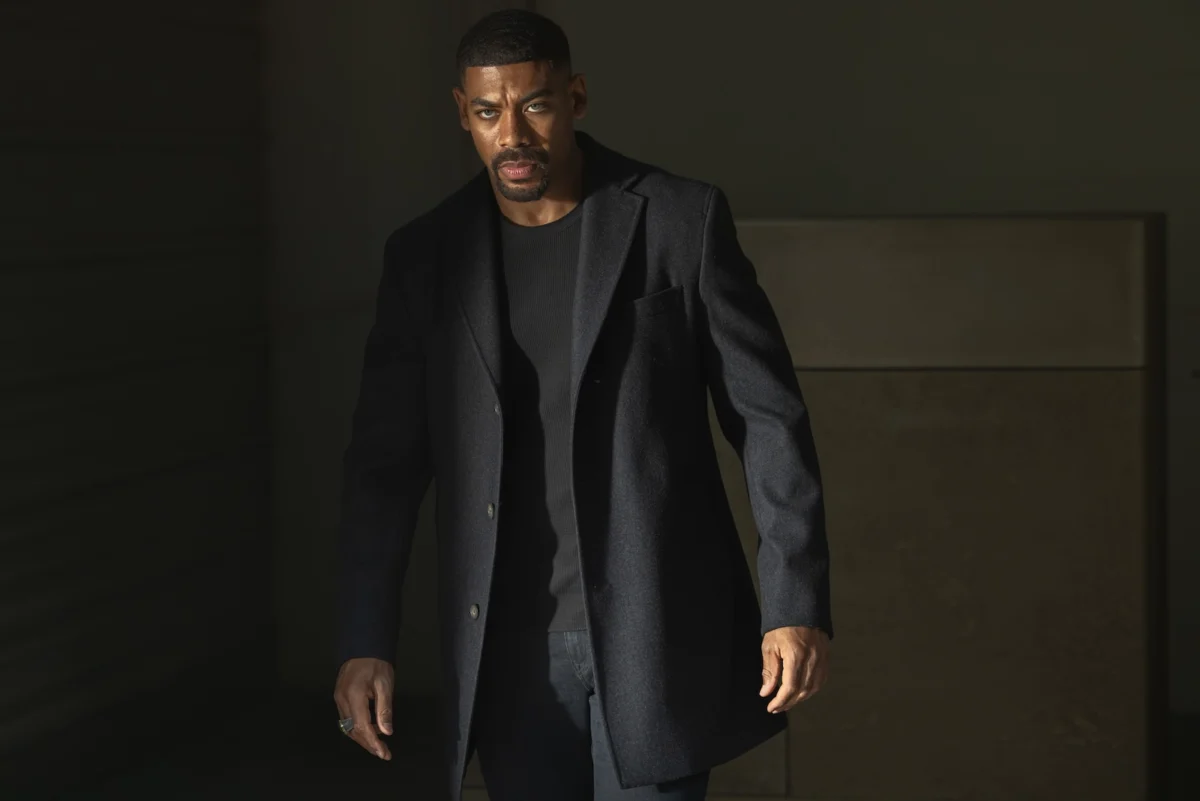
The highly anticipated HBO series Lanterns has concluded its inaugural season, leaving audiences with a complex, multi-layered portrait of one of DC Comics’ most iconic figures: John Stewart. For actor Aaron Pierre, the challenge of stepping into the boots of an intergalactic peacekeeper was not merely about mastering the visual effects or the lore of the Green Lantern Corps; it was about the psychological excavation of a man before he fully embodies the mantle of a legend.
As the series unfolds, it becomes clear that Lanterns is a show of two distinct halves. The first four episodes serve as a gritty, grounded character study, while the latter four propel the narrative—and its protagonist—ten years into a vastly different future. This structural choice allowed Pierre the rare opportunity to chart a decade of growth for a character defined by his duty, his trauma, and his eventual ascension to hero status.
The Man Before the Myth: A Chronology of Growth
The narrative architecture of Lanterns is bifurcated by a ten-year time jump, a creative decision that serves as the backbone of John Stewart’s development. In the initial arc, viewers are introduced to a John Stewart who is struggling to reconcile his past as an elite Marine sniper with the sudden, overwhelming responsibilities of a cosmic protector.
"I had to figure out who the man was before he became the man," Pierre explained during a post-finale press conference. This sentiment captures the essence of the series’ character-driven approach. In the first four episodes, Stewart is not the unflappable commander fans know from the animated series or the later comic book runs. He is reactive, uncertain, and deeply scarred by the rigid, lethal logic of his military upbringing.
Pierre admits that the process of inhabiting this "pre-hero" version of the character was at times jarring. "I read things in the scripts for the first four episodes that I didn’t think John Stewart would do," he confessed. However, this friction was intentional. By leaning into the character’s flaws and hesitations, the writers established a baseline of humanity that made his eventual transformation in the second half of the season feel earned rather than forced.
By the time the series reaches the pivotal fifth episode—the point of divergence where the story jumps forward a decade—the John Stewart on screen is a markedly different individual. "John Stewart in episodes five to eight is who we’re going to, over the years, become familiar with and connected with," Pierre noted. "That’s our John Stewart."
The Weight of Experience: Defining the Marine-Turned-Lantern
To understand the John Stewart of Lanterns, one must understand the intersection of his civilian life and his celestial duty. Pierre highlights that in 2016, his character carries the weight of a "wealth of experience" gained on the battlefield. As a former elite Marine sniper, Stewart possesses a tactical mindset that is both an asset and a hindrance when dealing with threats that defy conventional physics.
"In terms of understanding what it is to be a hero, in terms of understanding what it is to be in the business of saving lives on the scale of being in the Green Lantern Corps, he’s green—no pun intended," Pierre said. This "greenness" is the primary source of the character’s internal conflict. The Corps demands a level of moral flexibility and cosmic awareness that stands in stark contrast to the black-and-white, objective-based world of a sniper.
This internal tug-of-war is what separates Lanterns from typical superhero fare. It is not just a show about wielding a power ring; it is a show about the psychological cost of wielding that power. For Pierre, the challenge was to maintain the stoicism of a veteran while simultaneously portraying the vulnerability of a novice. The transition from the "boy" of 2016 to the "man" of the latter episodes is marked by the shedding of military dogma in favor of something more empathetic and, ultimately, more heroic.
Supporting the Narrative: The Craft of Performance
The success of Lanterns hinges on the audience’s belief in John Stewart’s journey. Critics have noted that Pierre’s performance is defined by its physicality—the way he holds himself in the earlier episodes compared to the relaxed, authoritative presence he exudes in the later half of the season.
The production design and the series’ visual language also support this evolution. The environments in the first four episodes are claustrophobic and dark, mirroring Stewart’s internal state of confusion. As he grows into his role, the cinematography expands, reflecting his newfound confidence and the cosmic scale of his responsibilities.
Pierre’s performance is complemented by the writing team’s refusal to rush Stewart’s maturation. By dedicating an entire half-season to his "formative years," the show avoids the common trope of the "instant hero." Instead, the audience witnesses the trial-and-error process of his development. Each mistake he makes in the early episodes is a building block for the competence he displays later, creating a narrative continuity that feels grounded and authentic.
Official Responses and Creative Vision
The reception to Lanterns has been largely positive, with particular praise directed at the show’s willingness to explore the "dirt and stars" of the DC Universe. The creative team has stated that the goal of the series was to deconstruct the myth of the Green Lantern and rebuild it through the lens of a character who represents the best—and most flawed—parts of humanity.
For Aaron Pierre, the reward of this long-form storytelling is found in the moments where the character finally clicks into place. "From episode five onward, he had earned those moments of confidence, those moments of being sure, assertive, being able to take educated risks," he reflected. These moments of assertiveness are not granted by the power ring; they are the result of a decade of life lessons and the slow, painful process of self-actualization.
The showrunners have emphasized that the decision to split the season was designed to reward patient viewers. By investing in the early, more difficult episodes, the audience is better positioned to appreciate the payoff in the final arc. It is a bold creative risk, but one that has paid dividends in critical reception and audience engagement.
Implications for the Future of the DC Universe
The conclusion of Lanterns Season 1 does more than just close a chapter on John Stewart’s origins; it sets a new standard for how DC characters are handled on the small screen. By prioritizing character development over spectacle, the series has carved out a unique space for itself within the broader DC franchise.
The implications for John Stewart’s future are significant. He is no longer just a soldier following orders; he is a leader capable of making the difficult, "educated risks" that define a true hero. This evolution positions him as a cornerstone for future narratives, whether those involve the Justice League, the wider Green Lantern Corps, or standalone adventures.
Furthermore, Aaron Pierre’s portrayal has cemented him as a definitive voice for the character. By successfully navigating the complexities of Stewart’s dual nature—the soldier and the savior—Pierre has created a blueprint for how to portray grounded, complex heroes in a genre that often leans toward the superficial.
A Legacy in the Making
As the credits roll on the first season of Lanterns, the audience is left with a sense of completion, yet an appetite for more. John Stewart’s journey from a confused, albeit highly skilled, Marine to a confident and seasoned Green Lantern is a testament to the power of deliberate, character-first storytelling.
For those who have followed the series from the start, the transformation is a rewarding experience. It serves as a reminder that being a hero is not about the ring you wear, but the person you become while wearing it. As the series is now available to stream in its entirety on HBO Max, new and returning viewers alike can witness the full arc of this transformation—a decade of growth captured across eight episodes of exceptional television.
In a landscape saturated with superhero content, Lanterns manages to distinguish itself by focusing on the one thing that truly matters: the humanity beneath the mask. John Stewart’s story is far from over, but thanks to the nuanced performance of Aaron Pierre, we now know exactly who that man is, and more importantly, who he is capable of becoming.
