
The Hidden Leaf’s Hollywood Gamble: Dissecting the Controversial Live-Action Naruto Adaptation
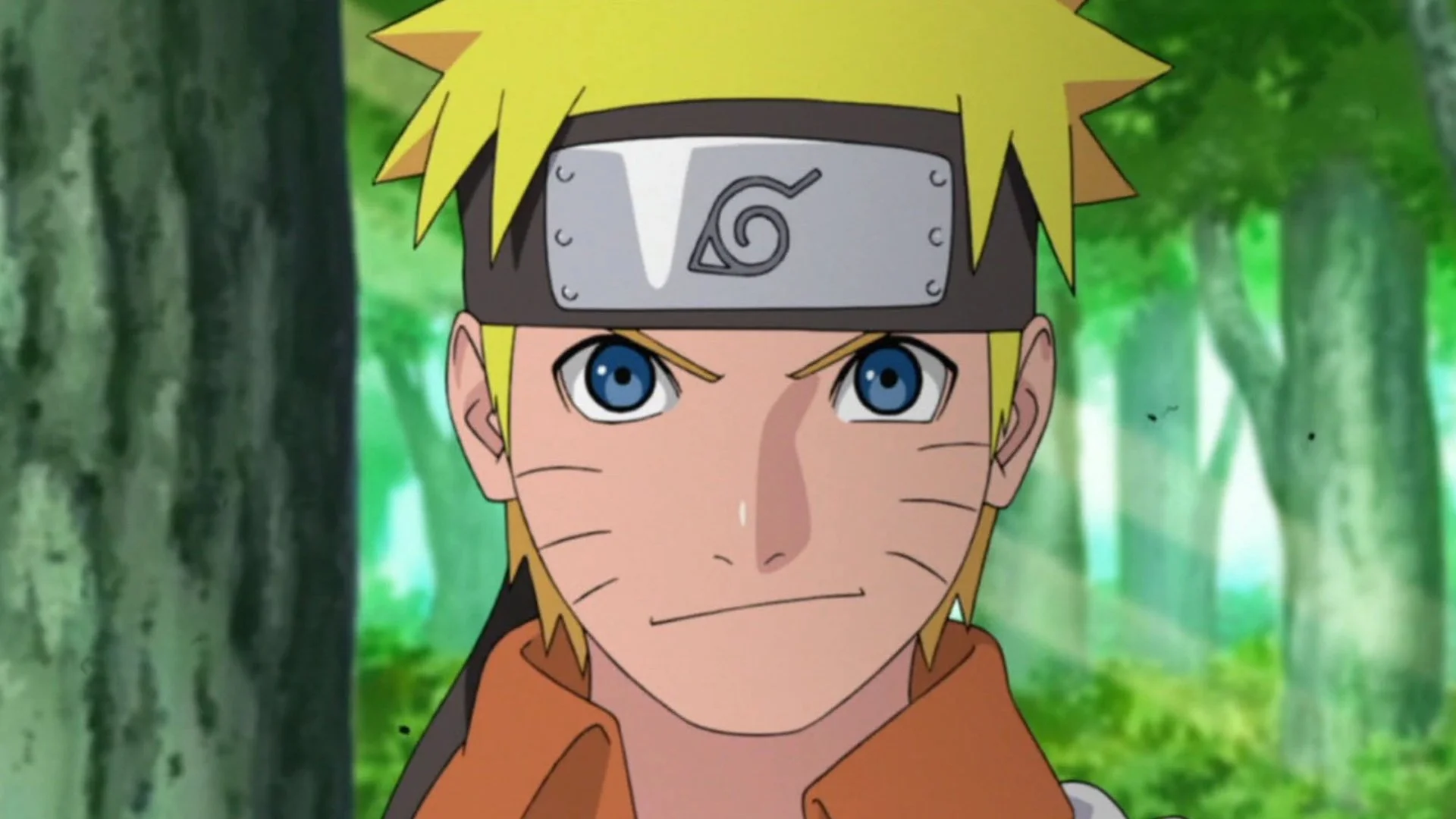
The cinematic adaptation of Masashi Kishimoto’s Naruto has long been considered the "Holy Grail" of anime-to-live-action projects. With a legacy spanning over 700 episodes, a sprawling mythology, and a global fan base that has grown up alongside the titular ninja, the pressure on Lionsgate and director Destin Daniel Cretton is immense. As production begins to coalesce, a new wave of insider reports has surfaced, detailing significant character revisions that have ignited a fiery debate within the fandom. While Hollywood often views "adaptation" as synonymous with "reinterpretation," Naruto fans are asking a fundamental question: When the source material is already a global phenomenon, why is there such a desperate need to rewrite its heart?
The Long Road to Konoha: A Chronological Overview
The journey to bring Naruto to the silver screen has been fraught with speculation for nearly a decade. Since the mid-2010s, whispers of a live-action project have circulated, often dismissed by skeptics as another "Hollywood curse" waiting to happen.
- 2015–2018: Early reports emerge of Lionsgate securing rights to the franchise. Michael Gracey is initially attached to direct, with fans expressing immediate concern regarding the feasibility of condensing Kishimoto’s dense narrative.
- 2020–2023: The project enters a period of relative silence, leading many to believe it had entered "development hell." During this time, the success of other anime-inspired projects—such as Netflix’s One Piece—proved that faithful adaptations could, in fact, achieve critical and commercial success.
- 2024: The project sees a major revitalization with the official announcement that Destin Daniel Cretton (known for Shang-Chi and the Legend of the Ten Rings) would step into the director’s chair.
- Late 2024–Present: Recent reports from industry insiders, most notably Daniel Richtman, have provided the first concrete—and controversial—glimpses into the creative direction of the film, shifting the conversation from "will it happen" to "what will it look like."
The Creative Pivot: Character Changes Under the Microscope
According to recent leaks, the Naruto film intends to retain the visual DNA of the manga—reportedly featuring "shot-for-shot" recreations of iconic scenes from the first arc—while simultaneously overhauling the internal architecture of its core cast.
Rewriting the Protagonist
The report suggests that the live-action Naruto Uzumaki will be depicted as having a greater intellectual curiosity, specifically regarding history, despite his established status as a poor student. For many, this feels like an unnecessary departure. Naruto’s "dunce" persona is not merely a gag; it is a manifestation of his isolation, his lack of formal education, and his focus on survival rather than scholarship. By making him a history buff, the film risks diluting the "underdog" narrative that defines the early chapters of the series.
The Sakura Paradox
Perhaps the most significant alterations concern Sakura Haruno. Rumors suggest she will be given a darker, more tragic backstory involving the death of her father and a strained maternal relationship. Furthermore, the film allegedly intends to dial back her unrequited crush on Sasuke Uchiha, opting for a more mutual romantic tension.
Critics argue that Sakura’s character arc is defined by her gradual growth from an immature, love-struck girl into a powerhouse medical ninja. By "fixing" her flaws early on or saddling her with added trauma, the production team may inadvertently undermine the very growth that makes her journey so rewarding for readers.
Examining the Mythology: The Jinchuriki Conundrum
Beyond character dynamics, there is mounting concern regarding the lore surrounding the Jinchuriki—the individuals who serve as vessels for the Tailed Beasts. The original source material is explicit: being a Jinchuriki is a burden of sealing, not a biological inheritance. The relationship between Gaara and the One-Tail, for instance, was a result of cold, calculated experimentation by the Fourth Kazekage.
If the film attempts to graft a "bloodline" requirement onto this mythology, it risks collapsing the internal logic of the world. The power of the Jinchuriki in the manga lies in the tragic, non-consensual nature of their existence. To simplify this into a genetic trait would be to strip the series of its poignant exploration of human suffering and the burden of power.
The "Faithful" Debate: What Does Success Look Like?
The primary defense from the production side—as echoed by recent reports—is that these changes are aesthetic or structural, intended to streamline a massive story for a two-hour runtime. The film aims to be "faithful" to the imagery of the manga, even if it deviates from the psychological profile of the characters.
However, industry experts and fans alike are divided. On one hand, the "adaptation" argument posits that a 1:1 translation of a 700-episode anime is impossible. Trimming the fat, combining minor characters, and pacing the story for a cinematic format are not just allowed—they are essential.
On the other hand, the "authenticity" argument suggests that the characters are the reason for the story’s longevity. When a character’s personality is altered, the plot beats that rely on that personality lose their impact. As one fan aptly noted: "Just keep it like the source material; why is that hard to do? It’s already written and popular."
Tactical Alternatives: Improving Without Overhauling
The discourse has prompted a search for better ways to modernize Naruto. Instead of rewriting Sakura’s personality, for instance, many fans have proposed a "tactical approach." By highlighting her established strengths—her sharp intellect, her chakra control, and her ability to analyze combat scenarios—the film could easily elevate her status in the eyes of a modern audience without needing to rewrite her entire backstory.
Similarly, Naruto’s development could be handled by emphasizing his emotional intelligence—his ability to empathize with the pain of others—which is a core, often overlooked, pillar of his character. By focusing on these existing traits, the filmmakers could create a more compelling version of the character that feels "modern" without feeling "re-written."
Implications for the Future of Anime Adaptations
The Naruto film represents a pivotal moment for Hollywood. If the movie succeeds, it will solidify the trend of high-budget anime adaptations. If it fails, it will likely serve as a cautionary tale about the dangers of "improving" a work that does not need to be fixed.
Destin Daniel Cretton is undoubtedly a capable director, and his involvement gives the project a level of prestige that previous attempts lacked. The reported commitment to recreating manga panels shot-for-shot is a positive indicator that the team respects the visual language of the medium. The true test, however, will be whether the production can balance the need for cinematic brevity with the integrity of the characters that have defined an entire generation.
Conclusion
The live-action Naruto is walking a tightrope. It must satisfy a studio looking for a blockbuster, a director looking for a vision, and a fan base that views the source material as sacrosanct. While some degree of change is the price of admission for a live-action adaptation, there is a clear distinction between "adapting" and "altering."
As the film moves into production, the eyes of the world remain fixed on the Hidden Leaf. Whether this project becomes a landmark success or another missed opportunity will depend on the production’s willingness to trust the material that made Naruto a global phenomenon in the first place. For now, the sentiment remains clear: the fans are ready to see their heroes on screen, but they are not ready to see them changed into strangers.
