
The Architect of His Own Light: A Deep Dive into the Lanterns Season One Finale
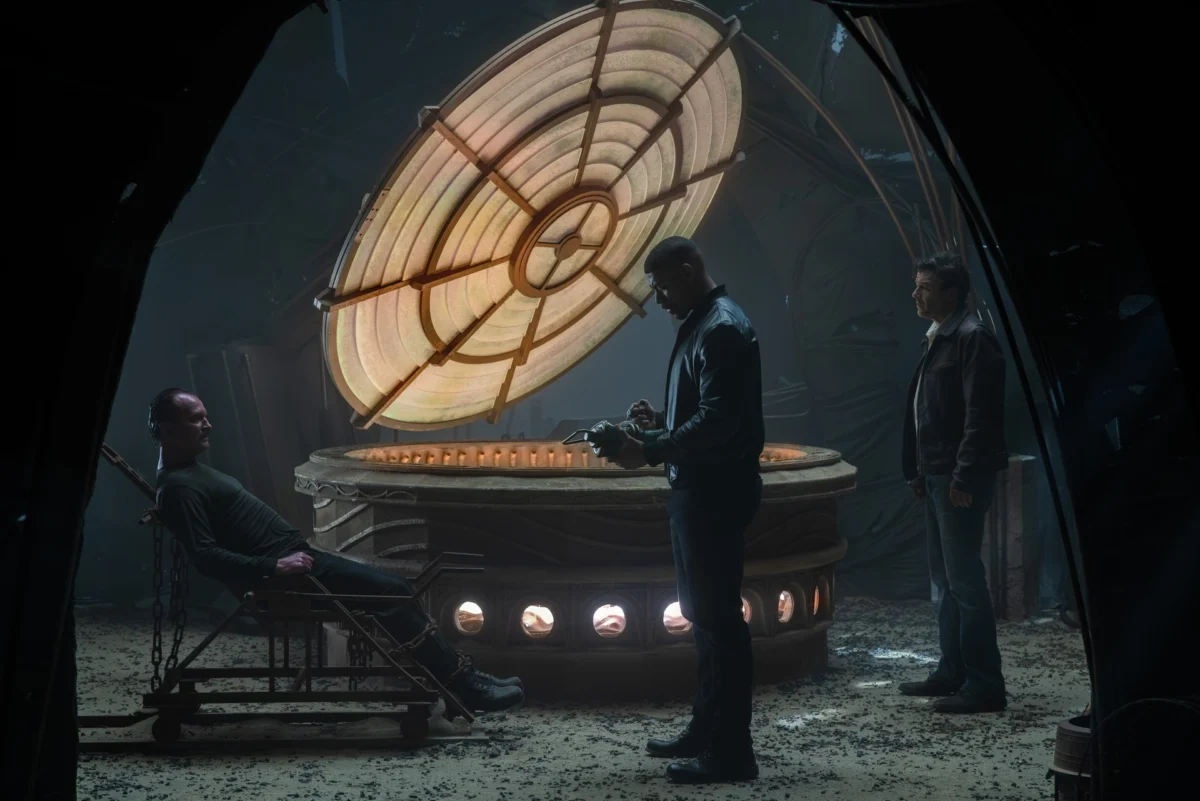
The conclusion of the inaugural season of HBO’s Lanterns has left audiences and critics alike grappling with the profound narrative shifts delivered in the series finale, "Dirt and Stars." In a television landscape often defined by the familiar beats of superhero tropes, Lanterns chose a path less traveled, opting for a meditative, character-driven exploration of legacy, trauma, and the corrosive nature of unchecked power.
As the dust settles on the ruins of Rushville, the series has effectively redefined the mythology of the Green Lantern Corps, moving away from traditional space-opera dynamics toward a gritty, terrestrial study of human frailty.
The Chronology of Collapse: A Tale of Two Decades
The narrative structure of Lanterns has always been non-linear, a "figure-eight" trajectory that bridges the past and the present. The finale masterfully wove these threads together, bringing the 2016 tragedy in Rushville into sharp focus while delivering the emotional resolution to the 2026 timeline.

2016: The Roots of Ruin
The early timeline provides the necessary context for the decay of Rushville. John Stewart’s journey to confront Lianna, mirrored against Kerry’s discovery of Hal Jordan amidst the wreckage of a decimated motel, highlights the theme of inevitable consequence. Hal’s prescient realization that the Guardians would leverage the carnage to excise him from their ranks mirrors the cycle of systemic failure that would define the next ten years.
2026: The Reckoning
In the present day, the tension centers on the uneasy alliance between John Stewart and the lingering consciousness of Hal Jordan—the "Halogram." The finale clarifies that the portal to this world was not a cosmic accident, but a manifestation of Zoe’s guilt. The interrogation of Sinestro serves as the episode’s intellectual fulcrum, revealing that Noah Macon’s radicalization was driven by a thirst for vengeance against the Guardians—a goal for which he manipulated Sinestro to forge an illicit, fear-laced lantern.
The Investigation: Solving a Murder of the Soul
Perhaps the most poignant revelation of the finale is the truth behind Hal Jordan’s death. While the series toyed with several potential culprits, the reveal that Kerry Kane was responsible carries the weight of a Greek tragedy.

The encounter at the football field was not a confrontation of enemies, but a collision of two souls failing to find common ground. Hal, having uncovered the truth about Noah’s nature as a Manhunter, proposed an escape—an attempt to protect the woman he loved. Kerry, haunted by the forced, unnatural pregnancy orchestrated by Zoe and terrified of the genetic legacy her son might carry, succumbed to a moment of primal panic. The shooting was an act of desperation, a violent end to a relationship that had become the emotional anchor of the series.
Implications: A New Oath for a New Era
The most radical departure in the finale is John Stewart’s decision to operate outside the established Guardian hierarchy. By refusing to work for the Corps and instead establishing a tandem, independent system, Stewart positions himself not as a soldier of the Guardians, but as a guardian of the people.
The New Oath
John’s transformation is cemented in his new, self-authored oath:

"In brightest day, in darkest night / I’ll embrace my fear, I’ll do what’s right / I choose this ring, I choose this fight / In service to this lantern’s light."
This oath acknowledges the utility of fear—a stark contrast to the traditional Green Lantern rejection of the yellow spectrum. It implies that John has achieved a synthesis of emotions that the Guardians, in their cold, logical detachment, have long failed to grasp.
Supporting Data and Thematic Analysis
The series has meticulously examined the "emotional electromagnetic spectrum," not merely as a color-coded power source, but as a metaphor for human psychological states.

- Fear as a Guide: Unlike the comics, where fear is often depicted as an external threat, Lanterns treats it as a necessary component of the human experience. Whether it is Kerry’s fear of her son’s heritage or John’s fear of his own programming, the show argues that the refusal to process these emotions is what leads to destruction.
- The Systemic Critique: The show offers a scathing commentary on institutional failure. The Guardians represent a static, failing bureaucracy. John’s decision to "build" rather than "burn" aligns with modern calls for decentralized, community-based restorative justice. He is an architect by trade, and the show frames his superhero identity as an extension of that profession: constructing a new reality rather than simply maintaining the old, crumbling one.
Official Perspectives: The Future of the DCU
While HBO has not yet officially greenlit a second season, the creative team has left the door wide open for further exploration. The "uber-merger" between industry giants has created a climate of uncertainty, yet the critical reception of Lanterns suggests it is a cornerstone of the current DC Universe.
Industry insiders suggest that the show’s focus on "grounded" storytelling—minimizing CGI spectacle in favor of high-stakes interpersonal drama—has resonated with a demographic that has grown fatigued by traditional superhero spectacles. Should the show return, it will likely explore the fallout of John Stewart’s challenge to the Guardians and the potential for a new "Corps" built on his own principles.
The Legacy of "Dirt and Stars"
The finale’s final montage—John packing up Hal’s vault, delivering reparations to Maggie, and finally embracing his mother—serves as a necessary catharsis. It acknowledges that while John is a powerful figure, his true strength lies in his capacity for empathy.

The exchange between John and the Halogram provides the final, devastating emotional beat. By confirming that the "I love you" shared between them was not a trick of the subconscious but a genuine articulation of their bond, the show validates the humanity of its characters. As Hal fades into digital oblivion, the series cements its status as a landmark work in the genre.
John Stewart is no longer just a man with a ring; he is a man with a purpose. He leaves Rushville behind, not as a hero running from his problems, but as an architect preparing to build a better future. Whether this remains a standalone masterpiece or the beginning of a larger saga, Lanterns has fundamentally altered what we expect from the world of comic book television. It has proven that even in the darkest nights, the most significant light is the one we forge ourselves.
