
Beyond the Short: How ‘Family Affair’ Is Redefining the Indie Queer Sitcom
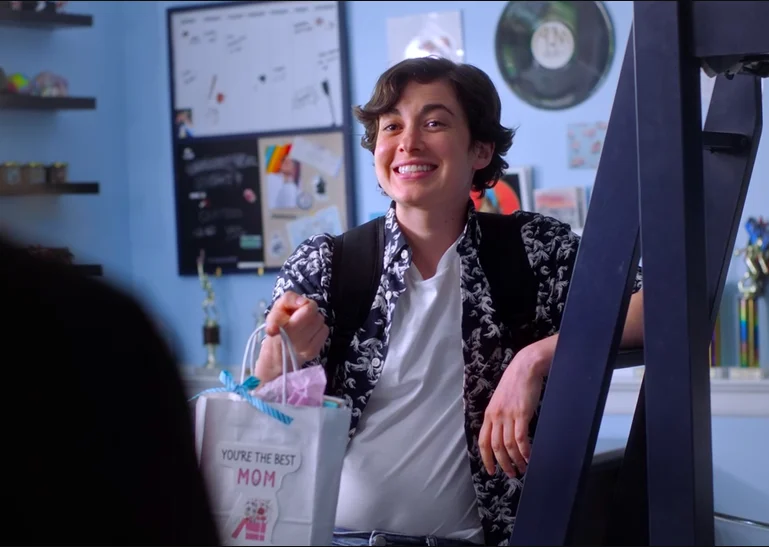
In the landscape of modern independent cinema, short films often serve as fleeting glimpses into worlds that disappear as quickly as the credits roll. However, some projects carry a distinct "serial DNA"—a sense of place, character, and potential that demands expansion. Family Affair, a warm-hearted, witty queer comedy short, is one such project. Following a successful festival run that launched at the 2023 Provincetown International Film Festival, the film has now transitioned to a wider audience via YouTube, signaling the beginning of what creator Ernest Anemone hopes will become a full-fledged series.
Main Facts: A Story of Secrets and Suburbia
At its core, Family Affair is a coming-of-age story that subverts the traditional tropes of the suburban sitcom. The narrative centers on Tanner, played by Bear D’Angelo, a high school senior who appears to have the world at his feet. Yet, beneath the veneer of high school normalcy—complete with a science class skeleton nicknamed "Boner"—lies a complex web of secrets.
The film utilizes the classic architecture of the sitcom: the suburban family home, the high school hallways, and the archetypal "best friend" dynamic. But where a traditional sitcom might rely on canned laughter, Family Affair relies on grounded, authentic human interaction. Tanner’s motivations remain tantalizingly opaque, punctuated by the mysterious presence of a large duffle bag that serves as a MacGuffin for his unfolding story.
The project’s strength lies in its ability to balance levity with emotional stakes. By centering a queer protagonist within a domestic setting that feels both relatable and slightly heightened, the film captures the "day in the life" energy of a show that audiences want to grow old with.
Chronology: From Concept to Digital Release
The journey of Family Affair has been one of deliberate, strategic growth.
- Development and Pre-Production: Writer Ernest Anemone, drawing on his background in law and theater, sought to create a narrative that felt episodic in nature. His goal was to build a world with repeatable, stable settings that could support long-form storytelling.
- The Festival Circuit: The film’s breakout moment occurred in June 2023 at the Provincetown International Film Festival. Provincetown, long considered a bastion of queer cinema, provided the ideal backdrop for the film’s debut. It was screened as part of a highly competitive and well-received shorts block at the Waters Edge Cinema.
- Critical Reception: Following the Provincetown premiere, the film gained traction for its distinctive tone and high production value. Critics noted that the film felt like the pilot episode of a series rather than a standalone short.
- Digital Distribution: Recognizing the shift in how younger audiences consume queer content, the team opted for a digital-first strategy, releasing the film on YouTube to maximize accessibility and reach a global audience, bypassing traditional, restrictive gatekeepers.
- Current Status: The creative team is currently in the development phase, expanding the short film’s narrative arcs into a series format, building on the character dynamics established in the initial short.
Supporting Data: The Creative Engine
The success of Family Affair is not accidental; it is the result of a meticulously curated production environment. Director Julio Dowansingh has been praised for cultivating a set that prioritizes inclusivity. The production team is composed largely of queer, female, and BIPOC creatives, a conscious choice that reflects the story’s themes of authentic representation.
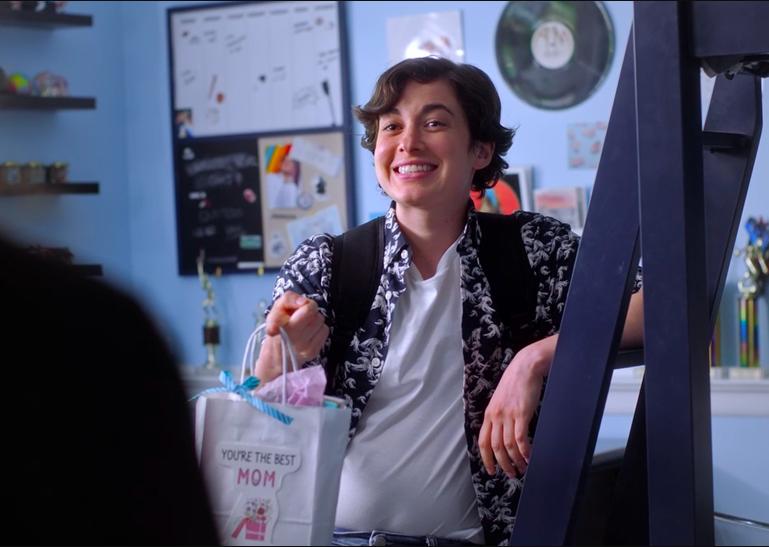
Key Personnel
- Cast: Bear D’Angelo delivers a breakout performance as Tanner, balancing the character’s internal conflict with a sharp, comedic delivery. Donna Vivino provides a standout turn as Tanner’s mother, bringing a sharp-witted warmth that anchors the family dynamic. Corey Barrow rounds out the cast as the quintessential concerned best friend, offering the necessary foil to Tanner’s increasingly erratic behavior.
- Technical Team: The visual language of the film is defined by the work of cinematographer Emily O’Leary, whose lens captures the suburban setting with a vibrant, welcoming aesthetic.
- Production: The film was produced by a collaborative team including Ernest Anemone, Kyle Burt, Amy DePaola, and John de la Parra.
The film’s aesthetic—bright, clear, and character-focused—is designed to be easily replicated for future episodes, an essential requirement for a series that aims to maintain consistent visual quality on a modest independent budget.
Official Responses: The Philosophy of Ethical Filmmaking
Ernest Anemone’s transition from the courtroom to the writer’s room has informed the very foundation of Family Affair. His background as a trial attorney provided him with a unique perspective on human behavior, storytelling, and the importance of ethical filmmaking.
"I started my career as a trial attorney, and after discovering my passion for acting and filmmaking, I started using theater education techniques to help individuals and organizations tell their own stories more effectively," Anemone noted.
This philosophy is baked into the production. By using theater-based techniques, Anemone ensures that the characters in Family Affair feel like fully realized individuals rather than caricatures. The "ethical" component of his process involves fostering a set environment where cast and crew feel empowered to contribute to the narrative, ensuring that the queer experience depicted on screen is authentic and multifaceted.
The team has consistently emphasized that the film is "just the beginning." By inviting the audience to engage with the project on familyaffairfilm.com, they are building a community around the IP, fostering the kind of fan engagement that is often necessary to secure funding for independent series development in the modern era.
Implications: The Future of Queer Sitcoms
The shift toward independent, digital-first series development like Family Affair signals a broader change in the industry. For years, queer stories were largely relegated to niche festival circuits or big-budget streaming platforms that required significant corporate buy-in.

Family Affair represents a new model: the "proof-of-concept" short. By creating a high-quality short that demonstrates both the tone and the potential for long-form narrative, independent creators are effectively creating their own pilot episodes. This bypasses the traditional "development hell" of the studio system.
Why This Matters for the Industry
- Lower Barrier to Entry: By releasing on YouTube, the creators retain creative control and ownership of their intellectual property.
- Community-Driven Growth: The success of the film at Provincetown proves that there is a hunger for queer comedies that aren’t overly tragic or defined by trauma. Audiences are looking for "warm-hearted" content—stories about friendship, family, and the quirks of daily life.
- The Sitcom Renaissance: The sitcom format is undergoing a transformation. Family Affair proves that the classic "suburban home/high school" setting still has plenty of room for innovation when viewed through a modern, queer lens.
The introduction of Tanner’s father toward the conclusion of the short is a masterclass in narrative setup. It creates an immediate conflict that promises to drive the plot of future episodes, ensuring that the audience is left with a sense of "to be continued."
As the landscape of television continues to fracture into smaller, more specific niches, Family Affair serves as a case study in how to build a world worth living in. Whether it moves to a streaming platform or continues its growth as an independent digital series, the project has already succeeded in doing what all great pilot episodes do: it has introduced characters we care about and created a world we want to return to.
For now, the audience can continue to stream the short, wait for further updates from the team, and witness the evolution of a project that is quietly, but confidently, changing the rules of the game. Family Affair isn’t just a film; it is a promise of what is to come.
