
Unearthing the Magic of Mossy Bottom: What We Learned Behind the Scenes of Aardman’s Upcoming Spooky Spectacle
BRISTOL, England — For over half a century, Aardman Animations has held an undisputed crown in the realm of stop-motion cinema. Operating out of its historic studios in Bristol, the legendary English animation house has gifted audiences with some of the most enduring plasticine characters in pop culture history, from the cheese-loving escapades of Wallace & Gromit to the high-flying avian heists of Chicken Run, which remains the highest-grossing stop-motion film of all time. While the studio is predominantly celebrated for its original intellectual properties—as well as ventures into stylized anthology storytelling like its acclaimed Star Wars: Visions short—its crown jewel of modern slapstick is undoubtedly Shaun the Sheep.
First introduced in Nick Park’s 1995 short A Close Shave, Shaun spun off into his own globally beloved television series in 2007 before leaping onto the silver screen with 2015’s Shaun the Sheep Movie and 2019’s A Shaun the Sheep Movie: Farmageddon. Now, Aardman is preparing for the theatrical release of the franchise’s third installment: Shaun the Sheep: The Beast of Mossy Bottom.
Slated for a U.S. theatrical release via GKIDS on September 18, 2026, the film promises a radical pivot for the franchise, trading suburban sci-fi and rural hijinks for a cozy, creature-feature Halloween atmosphere. Ahead of its debut, a behind-the-scenes visit to Aardman Animation’s Bristol headquarters yielded a treasure trove of production insights, offering a comprehensive look at how the studio is blending classic horror tropes with its trademark claymation charm.
Main Facts: A Mad Scientist Sheep and a Mysterious Creature
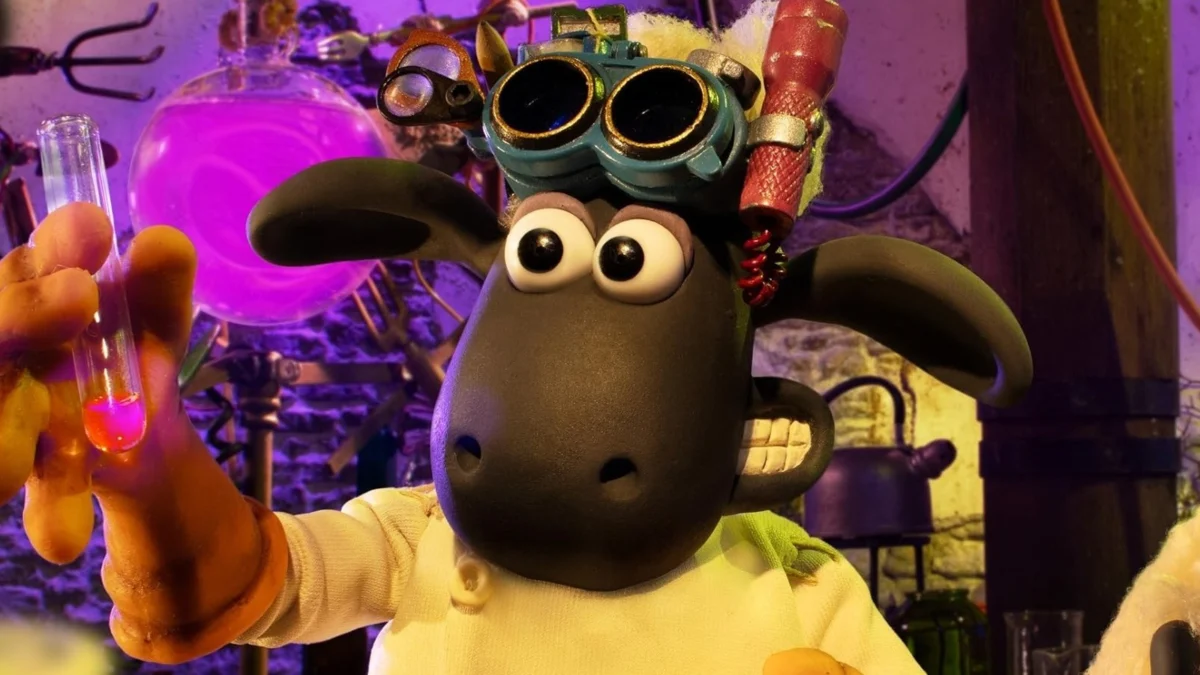
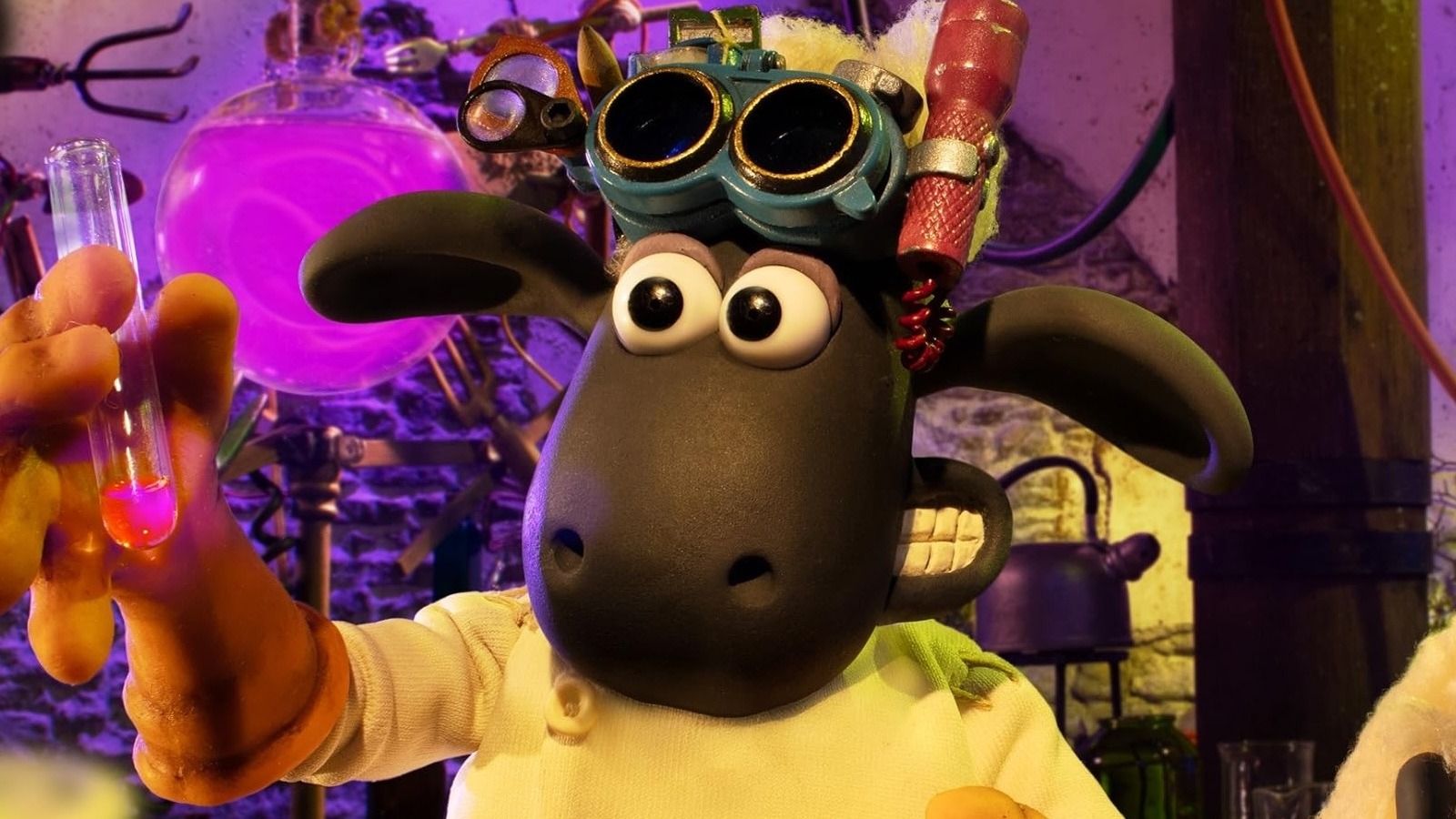
At its core, The Beast of Mossy Bottom centers on a catastrophic agricultural accident: in the days leading up to Halloween, the well-meaning but perpetually clueless Farmer inadvertently obliterates the sheep’s prized pumpkin patch. Driven to desperation to save the seasonal festivities, Shaun takes a page out of classic literature and transforms into a woolly mad scientist.
However, Shaun’s laboratory experiments go awry, accidentally unleashing a colossal, mysterious monster into the shadowy woods of Mossingham.
The project is directed by Steve Cox and Matthew Walker, two veterans of the Aardman ecosystem. While the film is fundamentally designed to be accessible to audiences of all ages, it represents a distinctly darker, more horror-centric aesthetic than anything the Shaun the Sheep brand has previously tackled. The production features meticulously crafted gothic architecture—most notably a towering, ominous windmill explicitly styled after Universal Pictures’ 1931 cinematic masterpiece Frankenstein—and pays deliberate homage to foundational pillars of cinema history.
Chronology: From Valentine’s Romance to Halloween Horror
The evolutionary timeline of The Beast of Mossy Bottom reveals a surprising creative genesis. Speaking during a roundtable interview on set, co-director Matthew Walker disclosed that the project did not actually begin as a spooky seasonal feature.
- The Romantic Origins: Initially, the film was conceived as a Valentine’s Day special. The narrative spine was anchored around the Farmer grappling with severe insecurities regarding his hair and struggling to accept his accelerating baldness.
- The Pivot to October: As storyboards developed and the thematic elements of nature-tampering and mad science took shape, the creative team realized the material organically lent itself to the traditions of Halloween horror. Crucially, while the genre wrappers shifted from romance to creature feature, the core narrative thread concerning the Farmer’s vulnerability remained intact.
- The U.S. Release Date: Following years of meticulous stop-motion production, GKIDS has officially staked out September 18, 2026, for the film’s American theatrical premiere, positioning it as an early-fall event picture.
Supporting Data: Blending Practical Craft with 1980s Aesthetic Sensibilities
The production realities of an Aardman feature are staggering. Unlike computer-generated animation, which relies on digital assets rendered in software, stop-motion requires massive physical infrastructure. The set visit revealed sprawling workshops dedicated entirely to costume design, miniature prop fabrication, and custom puppet armature engineering. Hundreds of artisans contribute to building every minuscule element of the world.
The Color Palette of Gateway Horror
While horror aficionados will spot overt visual references to Alfred Hitchcock’s Psycho, Stanley Kubrick’s The Shining, and a practical, fur-heavy transformation sequence reminiscent of An American Werewolf in London, the directors were careful not to alienate younger viewers.
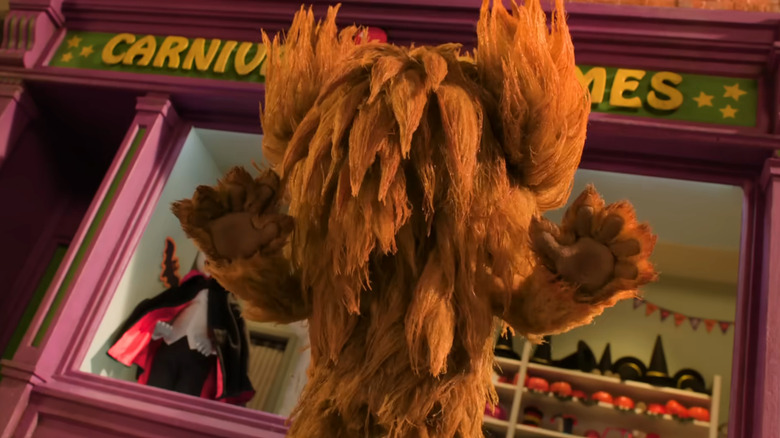
Co-director Steve Cox emphasized that balancing genuine suspense with comedy was the production’s most demanding hurdle. "We want to make sure it was universal for all ages. So we’re keeping the comedy. Whenever we have a scary moment, we always have a comedy moment afterwards to undercut those moments," Cox explained.
To prevent the film from descending into pitch-black gothic bleakness, the art department leaned heavily into a vibrant, high-contrast palette. Inspired by Saturday morning staples like Scooby-Doo, the production utilized striking neon aesthetics, deep Halloweentown purples, saturated oranges, and electric greens. This ensured the atmospheric lighting conveyed a spooky mood without triggering genuine terror in children experiencing their first "gateway horror" film.
Traditional Craft vs. Digital Enhancement
In an era dominated by generative artificial intelligence and hyper-slick CGI pipelines, Aardman’s commitment to tactility stands as a monument to traditional cinematic craftsmanship. The directors confirmed that zero AI tools were utilized in the making of The Beast of Mossy Bottom.
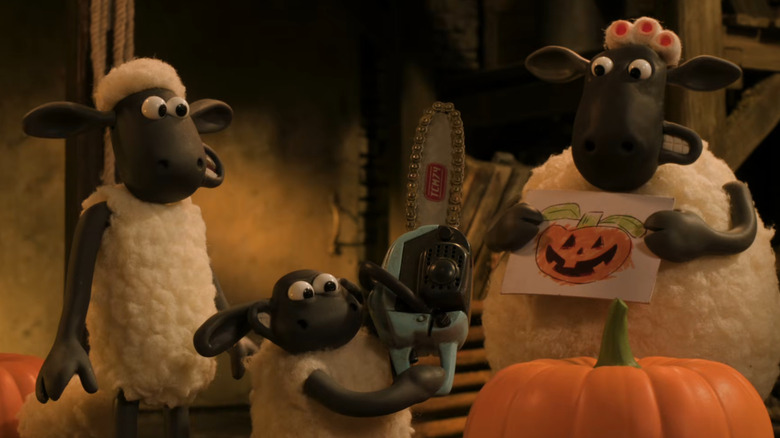
However, the studio is not fundamentally opposed to digital enhancement. Drawing inspiration from 1980s cinema—an era when digital tools began emerging to supplement, rather than replace, practical filmmaking—the team employed digital effects selectively. Elements like atmospheric clouds and water simulations were digitally integrated, but artists deliberately degraded the polish to mimic the imperfections of analog filmmaking. "You can see the thumbprints, you can see the boil in the fabrics… it’s a very appealing tactile world," Walker noted. "With the effects, we didn’t want to be too slick."
Official Responses: Insights from Directors Steve Cox and Matthew Walker
During the press roundtable, Cox and Walker elaborated on the narrative challenges of keeping a nearly 20-year-old franchise feeling fresh for a third feature film. With nearly 200 short films and two movies already under the belt, avoiding narrative fatigue required shifting the character dynamics.
- Re-evaluating Relationships: "If the first film was about Shaun and his father-figure, the Farmer, and the second was about Shaun and Bitzer the dog, this one focuses on Shaun and the flock at large," the production notes indicate. Shaun’s obsessive quest to restore the pumpkin patch isolates him from the rest of the sheep, creating a rift that injects emotional resonance into the physical comedy.
- Expanding the Human Cast: Beyond Shaun’s internal conflicts, the Farmer receives a major narrative arc centered on self-image. This insecurity is complicated by the introduction of a brand-new character: The Vet. As an outsider accustomed to animals but entirely unprepared for the surreal chaos of Mossy Bottom, the Vet brings a fresh dynamic to the farm, sparking an unexpected romantic subplot with the Farmer that contrasts sharply with the surrounding monster-movie pandemonium.
Implications: Aardman’s Continuing Cultural Relevance
The arrival of Shaun the Sheep: The Beast of Mossy Bottom carries significant weight for both Aardman Animations and the broader animation industry. Coming on the heels of the massive critical success of Wallace & Gromit: Vengeance Most Fowl—which secured a pristine 100% score on Rotten Tomatoes—this upcoming feature proves that the studio’s traditional stop-motion methodology remains commercially viable and critically revered in a market saturated by digital pipelines.
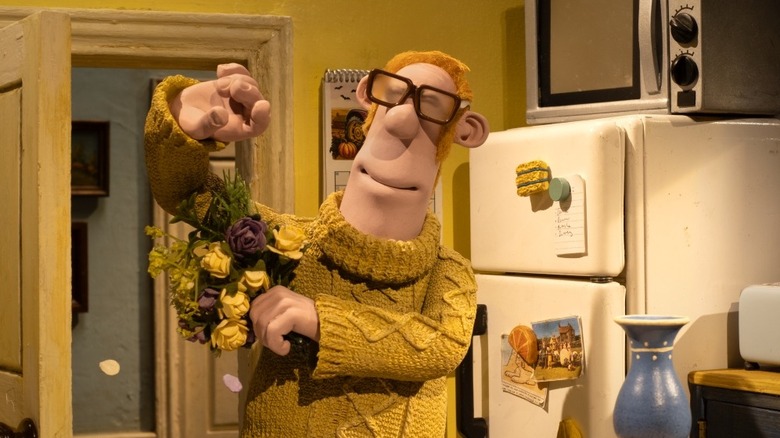
By positioning The Beast of Mossy Bottom as a gateway horror film for families, Aardman is actively cultivating a new generation of genre enthusiasts while honoring the classic universal monster traditions of Universal and Hammer Horror. As theatrical audiences await September 18, 2026, the meticulous thumbprints left behind in the clay of Bristol serve as a reassuring reminder that true cinematic artistry cannot be rushed, automated, or digitally replicated.
