
Navigating the Shift: MapQuest Enters the Android Auto Arena Amidst Political Winds
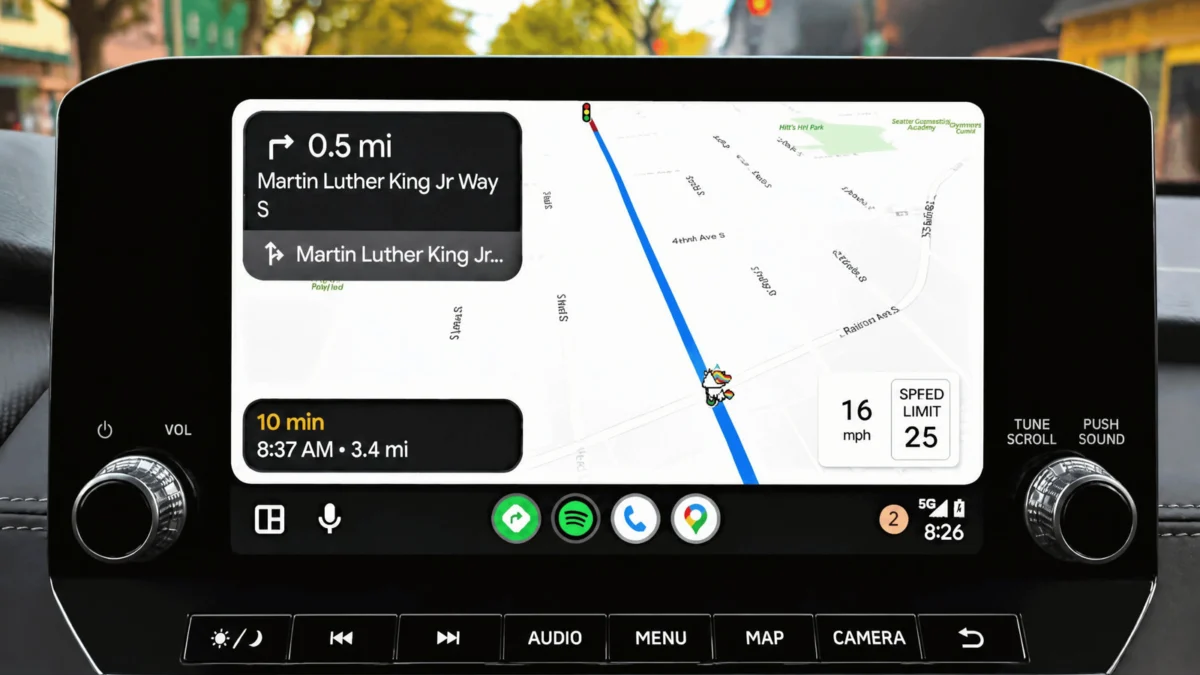
In the landscape of digital cartography, few names carry the historical weight of MapQuest. Launched in 1996, it stands as the progenitor of modern web-based navigation, a service that once defined how the world planned road trips. After years of operating in the shadow of industry titans like Google Maps and Apple Maps, MapQuest has staged a surprising, high-profile comeback. The company has officially launched a beta version of its service for Android Auto, a move that coincides with a dramatic, politically charged surge in public interest.
Main Facts: The Return of an Icon
MapQuest’s integration into Android Auto represents a strategic pivot for the legacy brand. By becoming a viable alternative to the dominant mapping platforms, MapQuest is attempting to reclaim its relevance in the connected vehicle market. However, this re-emergence is not merely a technical update; it is tied to the company’s recent refusal to bow to geopolitical pressure regarding geographical nomenclature.
While major competitors Apple and Google recently acquiesced to pressure—reportedly linked to administration requests—to alter the labeling of a prominent North American body of water, MapQuest stood its ground. By retaining the traditional name "Lake Ontario" rather than yielding to the requested change to "Lake America," the company inadvertently became a symbol of corporate defiance. This stance triggered a massive influx of traffic, with download figures skyrocketing to 1.5 million and propelling the app to the top spot on the Apple App Store, marking a resurgence in relevance that the company has been quick to capitalize on.
Chronology of the Surge
The recent events highlight a volatile intersection between consumer technology and national politics.
- 1996: MapQuest launches, revolutionizing early internet-based mapping.
- Early 2024 (The Naming Controversy): Pressure mounts from the presidential administration to rename a specific North American lake on digital platforms.
- The Compliance Split: Tech giants Google and Apple update their map data to reflect the administration’s preferred terminology. MapQuest issues a corporate statement confirming it will retain the historical name, citing historical accuracy and 380 years of precedent.
- The Viral Spike: Following the news of their refusal, social media users rally behind the brand. Usage rates jump to 50 times the historical average for the platform.
- The Android Auto Launch: Capitalizing on the momentum, MapQuest announces the immediate availability of its beta support for Android Auto, inviting users to test the platform in real-world driving conditions.
Supporting Data and User Engagement
The scale of this shift in consumer behavior is unprecedented for a mature brand. According to internal data released by the company, the "naming controversy" served as a powerful marketing catalyst. The 1.5 million downloads recorded over a single weekend were not just casual clicks; they were intentional acts of support.
"Hundreds of thousands of people signaled to us this weekend that we got it right, by downloading our app," stated Doug Berger, general manager of MapQuest.
This data provides a rare look at how "brand values" can translate into tangible market share. For a company that has spent two decades fighting to remain relevant against the deep-pocketed Google ecosystem, the spike in usage provides a unique opportunity to gather massive amounts of data from the beta program, which in turn accelerates the development of their Android Auto integration.
Official Responses and Corporate Strategy
The decision to stay the course regarding geographical names was not made lightly. MapQuest’s leadership team emphasized that their commitment to cartographic standards outweighs the desire for political appeasement. By positioning itself as a neutral, "old guard" alternative to the data-heavy ecosystem of Silicon Valley, MapQuest is attempting to appeal to a demographic that is increasingly concerned about the influence of political agendas on the information they consume daily.
However, the transition to a dashboard-integrated service is fraught with challenges. In response to the technical criticisms surfacing during the beta phase, the company has been remarkably transparent. Their social media channels have become hubs for technical support, with developers providing near-daily updates and acknowledging that the current build is a "work in progress."
The Technical Reality: Beta Limitations
While the excitement surrounding MapQuest is palpable, the reality of using the beta software in a vehicle is a mixed experience. Early testers have reported a series of "rough edges" that contrast sharply with the polished performance of established incumbents.
Performance Hurdles
- Stability Issues: Users have reported sporadic app crashes during navigation, particularly when re-routing or entering tunnels.
- Latency: There is a noticeable delay between the physical position of the vehicle and the update on the digital map, which can lead to missed turns in high-density urban environments.
- Audio Integration: The voice navigation system, a cornerstone of safe driving, has been criticized for cutting off mid-sentence, which can cause confusion during complex maneuvers.
Geographical Restrictions
Furthermore, the current iteration of the beta is largely limited to the North American market (the United States and Canada). Users in Europe or Asia hoping to utilize the service will find that real-time features and database depth are significantly thinner than what they are accustomed to with Waze or Google Maps.
Despite these hurdles, the company is actively pushing software patches. For those who find the beta too unstable, the current market offers several robust alternatives, including Waze (known for its community-driven traffic data), Sygic (praised for its high-quality offline maps), and TomTom Go (a staple for professional drivers).
Implications: The Future of Navigation
The MapQuest story is a microcosm of the current state of the tech industry. It raises fundamental questions about the role of mapping services in modern society. When a digital map becomes a battleground for political narratives, it forces users to reconsider their loyalty to the "default" applications pre-installed on their smartphones and car infotainment systems.
1. The Power of User-Led Brand Loyalty
MapQuest’s success proves that consumers are willing to switch platforms if they perceive the alternative to be more "honest" or aligned with their values. This is a significant blow to the assumption that Google and Apple possess an unshakeable lock on the market due to their sheer technical superiority.
2. The Fragmentation of the Dashboard
As Android Auto and Apple CarPlay continue to mature, we are seeing a move away from a "single-player" environment. The entry of MapQuest signals that the connected dashboard will become more competitive, with specialized apps gaining traction by offering unique interfaces or political stances.
3. The Risk of Politicizing Utility
While the current surge in popularity is beneficial for MapQuest’s bottom line, there is a long-term risk. By positioning themselves in opposition to the current administration’s mapping preferences, they risk alienating segments of the population who prioritize seamless performance over political symbolism. The challenge for MapQuest moving forward will be to transition from a "protest app" to a high-utility, reliable navigation tool that can compete on technical merit alone.
How to Get Involved: The Beta Program
For those interested in participating in the MapQuest Android Auto development, the process is streamlined:
- Join the Beta: Users must navigate to the Google Play Store entry for MapQuest and opt-in to the beta program.
- Sync the Device: Once accepted into the program, ensure the smartphone is connected to the vehicle’s infotainment system via a high-speed USB cable or wireless projection.
- Permissions: Grant the necessary permissions for location tracking and audio integration within the Android Auto settings menu.
- Feedback Loop: The company encourages users to report bugs via the app’s feedback portal, as this is the primary mechanism through which the developers are refining the experience.
Conclusion
MapQuest’s return to the spotlight is a fascinating case study in digital resilience. Whether they can convert this surge of curiosity and political support into long-term, sustainable usage remains to be seen. The technical challenges of the Android Auto beta are significant, but the company’s willingness to engage with the community and its firm stance on independent data management provide a strong foundation. As drivers hit the road, they now have a choice that extends beyond the Big Tech duopoly—a choice that, for many, is about more than just finding the quickest route to their destination. It is, in its own way, a navigation of values.
