
Netflix Shifts Strategy: Why ‘KPop Demon Hunters’ Sequel Signals a New Era for Global Theatrical Releases
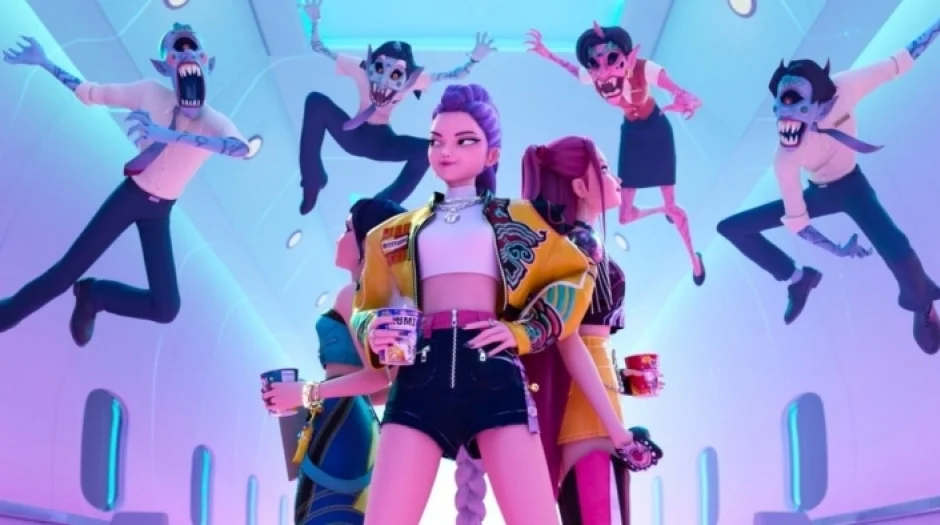
In a pivotal shift that signals the maturation of its content distribution strategy, Netflix has announced that the highly anticipated sequel to its breakout animated hit, KPop Demon Hunters, will receive a wide, global theatrical release upon its arrival in 2029. The declaration, made by Netflix co-CEO Ted Sarandos during an appearance at Bloomberg’s "Screentime" event, marks a departure from the streamer’s long-standing "streaming-first" philosophy, highlighting an evolving relationship between the platform and the traditional cinema exhibition industry.
This strategic pivot is not an isolated experiment but part of a broader, tiered distribution model that places high-profile "four-quadrant" family films and prestigious art-house projects into theaters, while continuing to optimize its library content for home viewing.
The Evolution of a Franchise: From Streaming Hit to Theatrical Event
The original KPop Demon Hunters, produced by Sony Pictures Animation, stands as one of Netflix’s most successful animated ventures to date. Since its debut, the film has amassed a staggering 325.1 million views within its first 90 days, maintaining a consistent presence in the streamer’s Global Top 10 for 63 consecutive weeks.
The success of the first film was so robust that even a post-release "sing-along" version—launched two months after the streaming debut—topped the domestic box office, earning an estimated $19 million over a two-day span. This occurred despite a notable boycott by AMC Theatres, which refused to screen the film due to Netflix’s historical unwillingness to grant a traditional 45-day theatrical window.
Given this performance, the decision to give the 2029 sequel a wide theatrical release appears to be a calculated response to the film’s undeniable "rewatchability" and broad appeal. Directors Maggie Kang and Chris Appelhans, the architects of the original’s success, are officially returning to helm the sequel, ensuring the franchise’s visual identity and narrative heart remain consistent as it migrates to the big screen.
Chronology of Netflix’s Theatrical Pivot
Netflix’s trajectory toward a hybrid distribution model has been gradual, defined by a series of high-stakes adjustments to its business model:

- 2024–2025 (The Experimental Phase): Netflix begins testing limited theatrical windows for prestige titles and select family films, attempting to balance subscriber growth with the need for awards consideration and audience demand for a "big screen" experience.
- Late 2025: Following the massive success of KPop Demon Hunters, internal discussions accelerate regarding the viability of theatrical-first launches for established IP.
- February 2027: The scheduled wide release of Greta Gerwig’s Narnia: The Magician’s Nephew with a 50-day window, marking a formal commitment to the new distribution policy.
- November 2027: The release of Charlie vs. the Chocolate Factory with a 47-day window, signaling the standardization of a 45+ day window for major family projects.
- 2029: The projected, broad theatrical release of the KPop Demon Hunters sequel, representing the maturity of the new "theatrical-first" strategy.
Supporting Data: Why "Rewatchability" Dictates Strategy
During his Bloomberg appearance, Ted Sarandos provided clarity on how Netflix determines which films receive the theatrical treatment. He categorized the company’s slate into two distinct buckets: the "art-house" spectrum and the "four-quadrant family rewatch" movies.
"On one end of the spectrum is La Bola Negra or Train Dreams," Sarandos explained. "These are titles that could have played in theaters for six months without impacting their core performance; they perform exceptionally well as streaming-first titles because they are targeted toward specific, passionate demographics."
Conversely, family films—the "four-quad" category—benefit from a communal, theatrical experience. Data indicates that while Netflix originals generally outperform licensed pay-TV titles, kids and family movies are unique because they possess high "rewatchability." By placing these films in theaters first, Netflix captures the box-office revenue that currently eludes them, while simultaneously building anticipation for the eventual streaming debut.
To support this transparency, Netflix will begin reporting box-office earnings for its theatrical-first titles. However, Sarandos was quick to clarify that these figures will not be tied to a film’s traditional Profit & Loss (P&L) statements. Instead, they serve as a benchmark for market reach and brand equity. "If you’re gonna take a little risk with the Netflix performance, it should have the potential for a very big upside in the theater," he noted.
Official Responses and Industry Implications
The industry response to this shift has been largely positive. For years, theater owners have pushed for a guaranteed window, arguing that the "Netflix model" cannibalized their revenue streams. By aligning with the 45-to-50-day window, Netflix is essentially re-entering the mainstream theatrical ecosystem.
The upcoming slate is robust:

- La Bola Negra (Javier Ambrossi/Javier Calvo): October 16, 2026 (46-day window).
- Mosquito Bowl (Peter Berg): October 30, 2026 (26-day window).
- The Further Mis-Adventures of Cliff Booth (David Fincher): November 25, 2026 (27-day window).
- Ink (Danny Boyle): December 11, 2026.
These varying windows demonstrate that Netflix is not adopting a "one-size-fits-all" approach. Rather, they are treating each film’s lifespan according to its genre, director, and expected audience longevity.
Implications for the Future of Cinema
The implications of this strategy for the global entertainment landscape are profound. First, it acknowledges that streaming and theatrical distribution are not mutually exclusive but symbiotic. By utilizing the theatrical window to build awareness and generate revenue, Netflix can subsidize larger production budgets for their tentpole films.
Second, the decision to move the KPop Demon Hunters sequel into theaters suggests that Netflix is no longer satisfied with being a "home video" service. They are positioning themselves as a major studio competitor. The 2029 date is significant—it provides ample time for the team at Sony Pictures Animation to scale up the production value, knowing that the film will be projected on the largest screens in the world.
Finally, for the subscriber, this change may mean a shift in expectations. While Netflix will remain the primary destination for original content, the most "event-based" films will now require a ticket purchase for early access. This move effectively mimics the traditional studio model while leveraging the massive, existing infrastructure of the Netflix platform.
As Netflix continues to refine this approach, the traditional barriers between the "streamer" and the "studio" are dissolving. With high-profile directors like Fincher, Boyle, and Gerwig anchoring the upcoming theatrical slate, it is clear that Netflix’s future is just as much about the red carpet as it is about the user interface. The 2029 KPop Demon Hunters sequel will serve as the ultimate test of this hybrid model, potentially setting a new gold standard for how global entertainment franchises are managed in the modern era.
