
The Casting That Wasn’t: Why John Mulaney in ‘The Bride!’ Would Have Been a Disruptive Choice
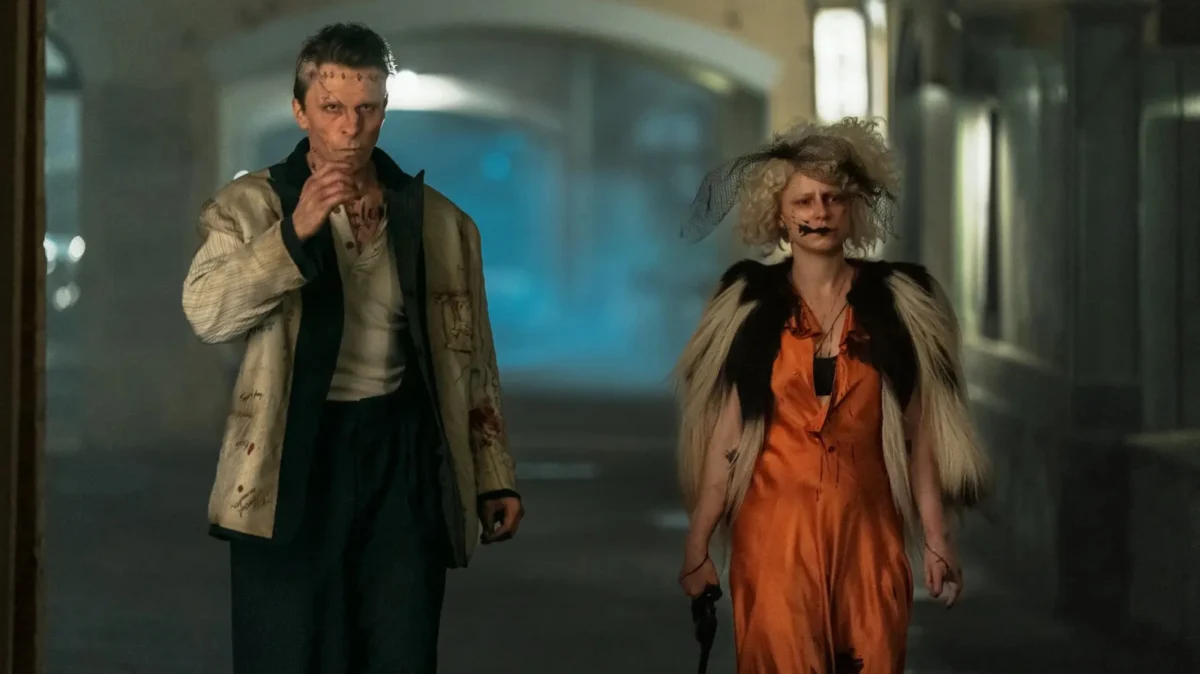
In the high-stakes world of Hollywood production, casting decisions are rarely just about finding an actor who can deliver lines. They are about tone, audience expectations, and the delicate alchemy of a performer’s public persona. When Maggie Gyllenhaal’s The Bride! hit theaters, it brought with it a gritty, anarchic energy that demanded specific performances to ground its surreal premise. Amidst the film’s release, a curious anecdote emerged involving acclaimed comedian John Mulaney and a role that—had it materialized—might have fundamentally altered the DNA of one of the film’s most harrowing sequences.
The Intersection of Persona and Performance: The Art of Stunt Casting
Stunt casting is a cinematic double-edged sword. At its best, as seen in Steven Spielberg’s The Fabelmans, it creates a meta-textual resonance that elevates the material. When David Lynch stepped into the role of legendary director John Ford, the audience wasn’t just watching a character; they were watching an icon of modern cinema pay homage to a pillar of the past. The weight of Lynch’s own legacy informed the scene, creating a shorthand for the audience that a traditional character actor might have taken minutes of dialogue to establish.
However, when the performer’s persona is too loud, it threatens to shatter the illusion of the film’s reality. This is where the discourse surrounding John Mulaney’s near-miss with The Bride! becomes particularly fascinating. Mulaney, a master of observational comedy and a public figure known for his specific, sharp-witted, and often neurotic stage presence, was reportedly in the mix for the role of the "Young Cop"—a character defined by predatory behavior and casual cruelty.
A Tale of Two Versions: The Mystery of the Audition
The narrative of Mulaney’s potential involvement is shrouded in a classic Hollywood "he-said, she-said" mystery. During his monologue at the 2024 Governors Awards, Mulaney candidly discussed his pursuit of the role of the antagonist Officer Goodman. He framed the experience as a genuine attempt to pivot into a darker, more menacing dramatic space.
Yet, the perspective from the director’s chair offers a conflicting account. Maggie Gyllenhaal, in subsequent interviews, noted that she never actually received a self-tape from the comedian for the part. This discrepancy leaves us with two possibilities: either Mulaney was crafting a bit for the stage, playing on the absurdity of his own casting, or Gyllenhaal is diplomatically downplaying a rejection. Regardless of the logistics, the industry consensus is clear: the role eventually went to Louis Cancelmi, an actor whose work in recent years has leaned heavily into the exploration of unsettling, villainous archetypes.
Anatomy of a Scene: The Role of Officer Goodman
To understand why the casting of Mulaney would have been such a seismic shift, one must look closely at the scene in question. In The Bride!, the titular character (Jessie Buckley) and her companion, Frank (Christian Bale), are on a spree across the American landscape. They are dangerous, misunderstood, and operating outside the bounds of conventional morality.
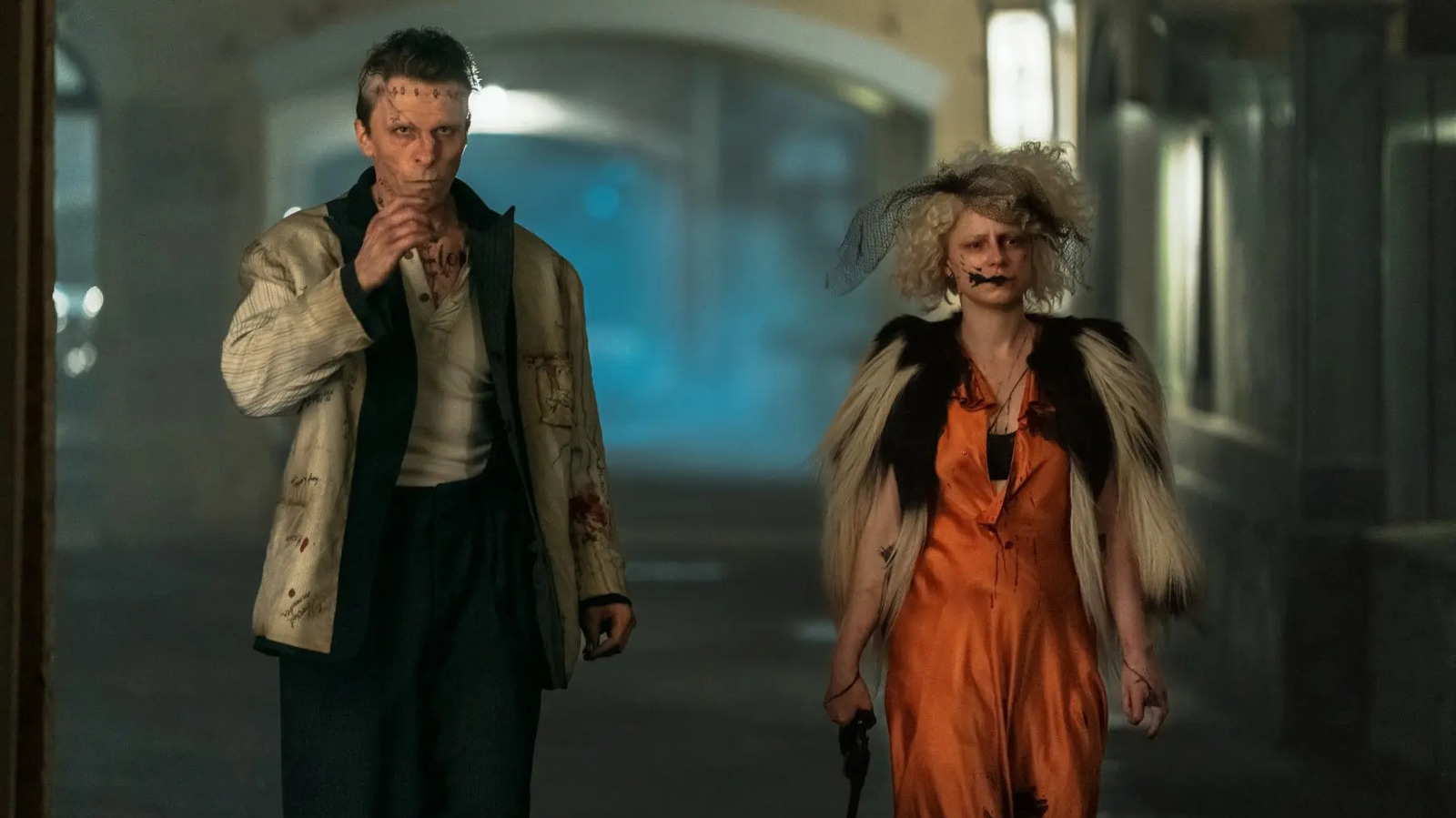
The scene involves a routine traffic stop that spirals into a nightmare. Officer Goodman, played by Cancelmi, utilizes the authority of his badge to initiate a terrifying display of power. He goes beyond the scope of a standard citation, groping The Bride and exhibiting clear signs of predatory sexual aggression. The scene is visceral, uncomfortable, and serves as a pivotal moment of violence in the film, forcing the audience to reconcile with the monstrous nature of the "heroes" as they brutally dispatch their tormentors.
Historical Precedents: When Comedians Turn Villainous
Gyllenhaal’s vision for The Bride! draws from the lineage of "lovers on the run" cinema—films like Natural Born Killers and True Romance. These movies often utilize "shock casting" to heighten the sense of dread. In Natural Born Killers, the casting of Rodney Dangerfield as a physically and emotionally abusive father was a stroke of genius; it utilized the audience’s inherent trust in a known comedic face to make his character’s cruelty feel even more jarring and repulsive.
Similarly, True Romance utilized James Gandolfini in a role that broke the mold of his career trajectory, creating a sense of genuine, unpredictable danger. Had Mulaney played Officer Goodman, the production would have been leaning into this specific tradition. But there is a distinct difference between the "grotesque" nature of a character like Virgil in True Romance and the specific brand of sexual predation required for the Officer Goodman scene.
Implications of the "Wrong" Choice
The primary concern regarding a Mulaney casting is not his ability as an actor, but the audience’s inability to disconnect him from his established identity. John Mulaney is a performer who commands affection. Even when he speaks of his struggles, he does so with a vulnerability that invites the audience to root for him.
If an actor with such a high degree of "likability" were to perform a scene of sexual assault, the effect on the audience could be one of total alienation. Instead of feeling the intended tension and horror of the moment, viewers might find themselves distracted by the sheer cognitive dissonance of seeing a beloved comedian in such a depraved role. It would turn a moment of character development into a "moment of celebrity," pulling the audience out of the world Gyllenhaal worked so hard to build.
Why Louis Cancelmi Was the Necessary Selection
By casting Louis Cancelmi, Gyllenhaal opted for a performer who could bring a "blank slate" of menace. Cancelmi, who recently delivered a chilling performance in Sorry, Baby, possesses a screen presence that is inherently cold and detached. He does not carry the baggage of a comedic history that would distract from the gravity of the scene.
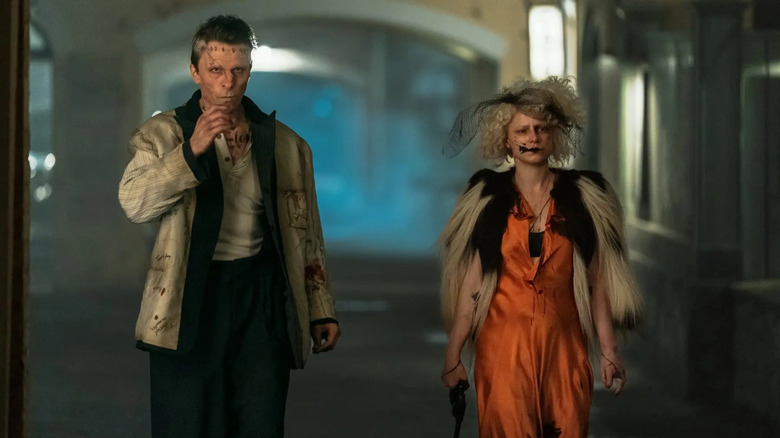
His performance allows the audience to focus on the victimhood of The Bride and the subsequent, blood-soaked retribution by Frank. There is no "Mulaney-ism" to soften the blow or provide a layer of ironic detachment. The scene functions as a pure, unadulterated confrontation between the powerful and the powerless, and Cancelmi’s ability to inhabit the role of an abuser without the interference of a famous persona is a testament to the effectiveness of the final casting decision.
The Future of Mulaney’s Dramatic Aspirations
While the role of Officer Goodman was ultimately not meant to be, this episode underscores a growing trend in Hollywood: the desire for comedians to test their range in dark, dramatic, and often irredeemable roles. We have seen Bill Hader, Adam Sandler, and Jonah Hill successfully navigate this transition, finding acclaim in roles that subvert their public images.
For John Mulaney, this "missed connection" with The Bride! should not be viewed as a failure, but as a stepping stone. If he is interested in dramatic work, the key will be finding a role that allows his intelligence and intensity to serve the narrative rather than compete with it. A villainous role is a common goal for comedic actors, but as The Bride! illustrates, the fit must be perfect to avoid turning a dramatic beat into an unintentional farce.
Conclusion: A Lesson in Cinematic Synergy
Ultimately, the story of John Mulaney and The Bride! serves as a valuable case study in the importance of casting synergy. A director’s job is to protect the emotional integrity of their film, and sometimes that means passing on a high-profile name in favor of an actor who better serves the tone of the scene. Maggie Gyllenhaal’s choice to cast Louis Cancelmi helped maintain the harrowing, gritty atmosphere that defines The Bride!.
While the idea of a "dark turn" for Mulaney is an enticing prospect for fans and critics alike, we should be thankful that in this instance, the director chose the path that preserved the narrative focus. The Bride! is a film that demands to be taken seriously in its exploration of trauma and power, and by avoiding the distraction of a "stunt" performance, Gyllenhaal ensured that the audience’s attention remained exactly where it needed to be: on the story itself.
