
Reimagining Terror: Mike Flanagan Brings Nuance, Modernity, and Depth to Stephen King’s Carrie on Prime Video
Main Facts
For half a century, Brian De Palma’s 1976 feature film adaptation of Stephen King’s Carrie has stood as a towering monument in the pantheon of horror cinema. Anchored by the unforgettable, career-defining performances of Sissy Spacek and Piper Laurie, the original movie set a standard that subsequent cinematic reboots, cash-grab sequels, and even a notorious Broadway musical struggled to match.
Enter acclaimed horror auteur Mike Flanagan. Known for his deft handling of Stephen King properties (Doctor Sleep) and critically acclaimed television series (The Haunting of Hill House, Midnight Mass), Flanagan has once again defied skepticism. His new eight-part television adaptation of Carrie, set to premiere globally on Amazon Prime Video, proves that modern television format can successfully unlock layers of psychological depth previously unreachable in a standard two-hour cinematic runtime.

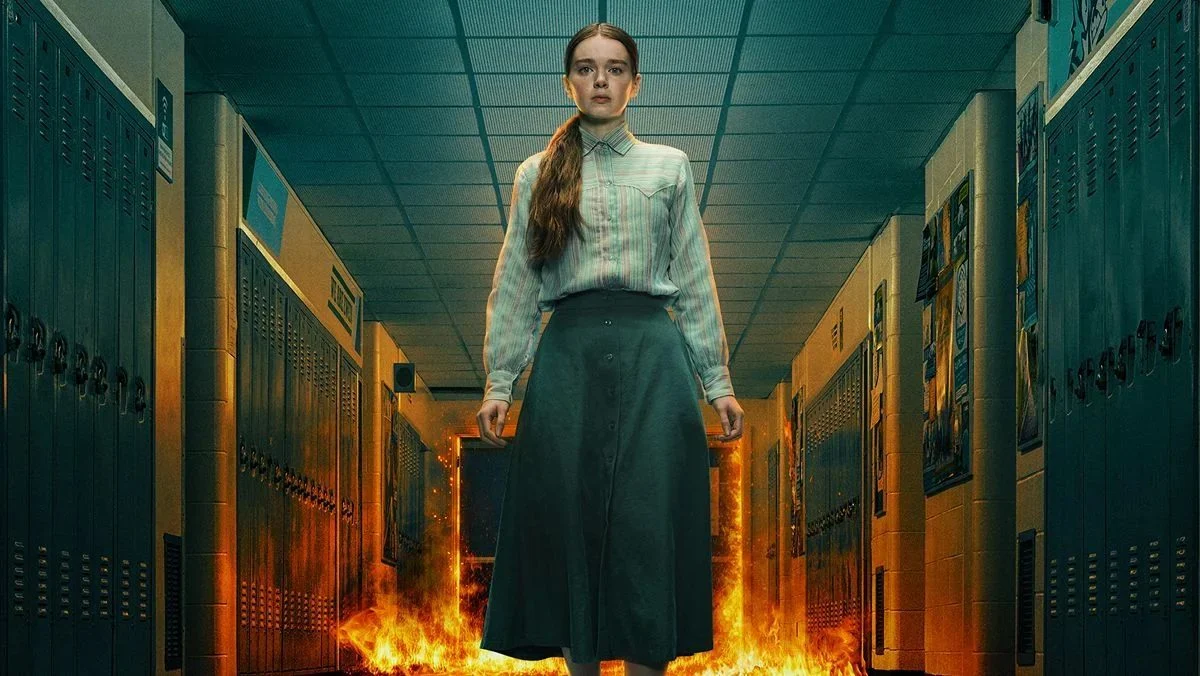
Flanagan’s series reimagines the classic telekinetic tragedy for a 2026 audience, blending King’s foundational text with contemporary societal anxieties. Starring Summer H. Howell as the titular Carrie White and Samantha Sloyan as her deeply complex mother, Margaret, the series successfully balances the intimate horror of high school alienation with the sprawling narrative scope afforded by modern prestige television.
Chronology
To understand the trajectory of Carrie—from its literary origins in 1974 to its 2026 television renaissance—is to witness the evolution of modern horror:

- 1974: Stephen King publishes his debut novel, Carrie, utilizing an epistolary style composed of news clippings, fictional book excerpts, and scientific reports to document a small-town tragedy.
- 1976: Director Brian De Palma releases the cinematic adaptation starring Sissy Spacek, cementing the prom blood-shedding sequence as one of the most iconic moments in film history.
- 1999 & 2013: Subsequent cinematic attempts—including the direct-to-video sequel The Rage: Carrie 2 (1999) and Kimberly Peirce’s traditional Hollywood remake starring Chloë Grace Moretz (2013)—fail to capture the cultural resonance or critical acclaim of the original.
- Late 2020s (Development): Amazon MGM Studios announces that Mike Flanagan will tackle an eight-part television series adapting Carrie, utilizing the long-form medium to expand upon King’s concise 250-page text.
- October 7, 2026: All eight episodes of Mike Flanagan’s Carrie officially drop on Prime Video, receiving early praise from critics for its modernization and nuanced character work.
Supporting Data & Creative Adjustments
Translating a 250-page novel into an eight-episode television format required substantial structural expansion and creative risks. While major narrative touchstones remain intact, Flanagan has introduced significant departures from both King’s book and De Palma’s film:
1. The Secrecy and Upbringing of Carrie White
In this contemporary iteration, Carrie’s isolation is ramped up exponentially. Raised in total secrecy by religious, conspiracy-minded parents, she possesses no Social Security number, and the outside world is entirely unaware of her existence until her father dies in a tragic accident. Discovered as a young teen, her mother is forced to enroll her in a public school. Unlike King’s version—who was famously awkward, deeply off-putting, and entirely detached—Flanagan’s Carrie exhibits an innate curiosity and a desperate, heartbreaking eagerness to make friends.

2. The Complex Redefinition of Margaret White
Samantha Sloyan (Midnight Mass) takes on the role of Margaret White, delivering a performance far more layered than any previous screen adaptation. While still intensely controlling and deeply unsettling, this Margaret does not project an innate, demonic hatred toward her daughter. Instead, viewers are given glimpses into a twisted, fear-driven maternal instinct; she genuinely believes she is shielding Carrie from a hostile world. This psychological realism makes Margaret a terrifyingly recognizable figure of domestic fanaticism.
3. The Digital Age and Social Media Bullying
The 2013 film touched briefly upon cyberbullying, but the 2026 series treats social media as a primary weapon of torment. The series explores how Instagram and digital platforms give malicious actors an unprecedented reach, turning private humiliations into viral public spectacles. This grounds the narrative heavily in modern adolescent dynamics, making the story as much an indictment of digital cruelty as it is a supernatural thriller.

4. Rewriting the Bullies: Chris Hargensen and Company
Alison Thornton delivers a standout, deeply nuanced performance as Chris Hargensen. Rather than painting Chris as a one-dimensional mean girl, the series explores her entitled upbringing and the sudden loss of social status following her father’s financial ruin. Her decision to target Carrie—initially under the guise of fake friendship, making the ultimate betrayal infinitely more agonizing—adds layers of sociological weight. The supporting cast, featuring Josie Totah as Tina and Siena Agudong as the conflicted Sue Snell, rounds out a powerhouse adolescent ensemble.
Official Responses & Critical Consensus
The early critical reception of Flanagan’s Carrie highlights a collective sigh of relief from horror purists who initially doubted the necessity of yet another adaptation. Reviewers have universally praised the show’s pacing, which utilizes television’s breathing room to develop character motivations that cinematic adaptations historically rushed.

Amazon MGM Studios and the creative team have emphasized that the series respects King’s core themes of systemic cruelty and repressed autonomy while utilizing an ensemble-heavy narrative structure. Though some critics have noted that minor subplots—such as an expanded running throughline involving a secret society of powerful telekinetic women—occasionally slow down the momentum, the overarching artistic achievements vastly outweigh these narrative detours.
Furthermore, the casting choices have drawn heavy acclaim. While A-list supporting talent like Heather Graham (as Chris’s mother) and Matthew Lillard (as Principal Grayle) make distinct impressions with limited screen time, it is the younger generation—led by Summer H. Howell and Alison Thornton—that anchors the emotional devastation of the series. Rahul Kohli and Amber Midthunder (portraying gym coach Miss Desjardin) also deliver grounded, memorable performances within the faculty ranks.

Implications
Mike Flanagan’s successful translation of Carrie carries significant implications for the future of horror adaptations in the streaming era:
- The Superiority of Long-Form Adaptation: The series proves that lengthy novels or tightly contained cinematic classics can often find a more authentic voice in serialized television, where psychological nuance can take precedence over rapid-fire plot progression.
- Reevaluating the "Remake Fatigue": With franchise fatigue at an all-time high, Flanagan’s approach demonstrates that intellectual property can be successfully revitalized if handed to an auteur who respects the source material while aggressively modernizing its thematic framework.
- The Cultural Resonance of Horror: By merging telekinetic terror with modern social media culture, the series successfully bridges the generational gap, showing that the core pain of adolescent isolation, bullying, and systemic abuse remains entirely unchanged in 2026.
As audiences tune into Prime Video this October, Flanagan has successfully earned the absolute trust of the horror community. The perennial fear of unnecessary remakes has been temporarily cured, proving that under the right creative vision, even the most legendary horror stories can be born anew.
