
Mastery in Real-Time: Meet the Architects of Innovation at CG Spectrum

In the rapidly evolving landscape of digital entertainment, Unreal Engine has emerged as the definitive standard for both high-end film production and immersive interactive gaming. As the industry shifts toward real-time workflows, the demand for highly skilled professionals who can navigate this complex software has never been higher. Standing at the forefront of this educational revolution is CG Spectrum, a Gold Unreal Engine Authorized Training and Academic Partner.
CG Spectrum does more than provide curriculum; it serves as a bridge between the classroom and the studio. By employing a faculty of industry-hardened professionals, the institution ensures that students are not merely learning software—they are mastering the craft of digital creation.

The Gold Standard: Bridging Industry and Education
The designation of "Gold Unreal Engine Authorized Training Partner" is not merely a label; it is a validation of technical excellence and pedagogical rigor. For aspiring creators, this partnership guarantees that the training received meets the exacting standards of Epic Games, the developers of Unreal Engine.
The CG Spectrum faculty is composed of artists, coders, and technical directors who have spent years in the trenches of AAA game development and high-budget film production. By integrating their real-world experience into the classroom, these instructors provide students with a competitive edge, turning complex technical hurdles into intuitive creative processes.
The Faculty: Profiles of Expertise
The Visionaries of Real-Time 3D
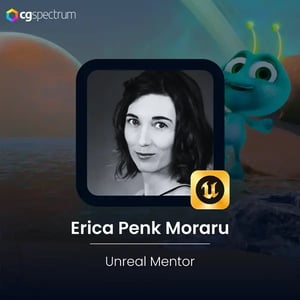
Erica Penk Moraru, a Real-time 3D Mentor, represents the intersection of technical animation and storytelling. Her journey, which began at Georgia Tech, has seen her contribute to major projects, including work with Epic Games and the Tribeca Film Festival. For Moraru, Unreal Engine is the great equalizer. "Unreal Engine democratized the media and entertainment space," she notes. "You no longer have to be plugged into a massive big-budget studio to tell a story from start to finish."
Logan Pinney, another pillar of the Real-time 3D department, brings a computer science background to the art of world-building. As an ambassador for industry-leading asset providers like KitBash3D, Pinney emphasizes the importance of foundational knowledge. "I emphasize practical teaching methods grounded in accuracy and industry standards, steering clear of shortcuts or plugins that might hinder foundational learning," he explains.
Cesar Maestre, a veteran 3D designer and mentor, finds that the classroom acts as a mirror for his own growth. "The most valuable thing about mentoring is being pushed far from my comfort zone," Maestre says. "Students bring a ‘fresh view’ that pushes you to learn new things and reconsider established workflows."
The Programming Powerhouses
The Game Programming department at CG Spectrum is led by professionals who understand that code is the backbone of player experience.
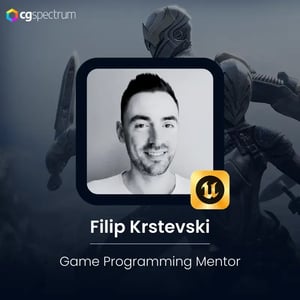
Filip Krstevski has been a fixture in the industry since 2007, contributing to major titles at studios like Midway Games and Phosphor Games. His approach is deeply rooted in the scalability of Unreal Engine. "Unreal Engine is a true innovation platform," Krstevski states. "It allows me to share not only technical skills but also the creative freedom and potential the engine offers."
Will Masek, a veteran of the Horizon franchise at Firesprite (a PlayStation Studio), brings his experience from Rebellion Developments to the classroom. His transition from working on AAA titles to shaping the next generation of developers is driven by a commitment to industry standards. "Being an Authorized Instructor reflects a commitment to quality," Masek shares. "It allows me to help others build their skills and confidence."
Cliff Sharif has been coding since 1989 and now specializes in VR development for the medical and military sectors. His certification as an Authorized Instructor in 2020 highlights his commitment to staying at the bleeding edge of the engine’s capabilities.
Rob Brooks rounds out this team with his expertise in rapid prototyping. His influence extends beyond the classroom through his highly-rated courses on platforms like Udemy and Pluralsight, making him a central figure in the democratization of game programming education.
Leadership and Strategic Direction
Stuart Butler, Dean of Creative Industries, oversees the strategic vision of CG Spectrum’s accredited programs. With nearly two decades of experience in 3D modeling and game development at Staffordshire University, Butler ensures that the curriculum remains responsive to the fast-paced needs of the creative sector.
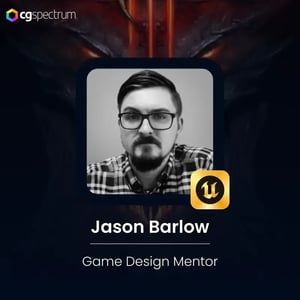
Jason Barlow, a Game Design Mentor and the Director of J Barlow Training, bridges the gap between academic theory and practical application. His background in VR and his experience at Staffordshire University provide students with the mentorship necessary to excel in the competitive gaming landscape.

Harshit Penamata, a Technical Director at DNEG 360, brings a global perspective to the faculty. Having trained professionals worldwide and worked on high-profile projects like Those About to Die, Penamata views the authorization from Epic Games as a career-defining milestone that has opened doors to prestigious opportunities, including teaching lighting techniques to the Visual Effects Society (VES).
Chronology: The Evolution of CG Spectrum’s Unreal Training
The success of CG Spectrum is built upon a decade of iteration and industry feedback.

- Early Foundations: The institution began by identifying a critical gap in the industry: the lack of specialized, mentorship-based training for high-end creative tools.
- The Rise of Real-Time: As Unreal Engine evolved from a purely gaming tool to a powerhouse in virtual production, CG Spectrum pivoted to ensure their instructors were among the first to be certified as Unreal Authorized Instructors (UAI).
- Gold Status Achievement: The attainment of Gold Partner status marked a maturation of the program, aligning the school’s internal assessment methods with the global benchmarks set by Epic Games.
- Present Day: The school now serves a global cohort of students, providing a mix of pre-recorded content and live, personalized mentorship that mimics the high-pressure, high-reward environment of a professional studio.
Supporting Data: Why Mentorship Matters
In the field of game development, theoretical knowledge is insufficient. Data from industry employment surveys suggest that recruiters prioritize portfolios that demonstrate "studio-readiness." CG Spectrum’s methodology is designed specifically to produce this:
- Peer-to-Peer Review: Students work on complex projects, such as virtual production environments and game prototypes, which undergo rigorous critique.
- Industry-Standard Pipelines: By focusing on technical animation, C++, and Blueprints, students learn the exact same workflows utilized in AAA studios.
- Credentialing: The certification provided by authorized instructors carries weight, signaling to potential employers that the candidate understands the nuances of engine architecture.
Official Responses and Industry Impact
The consensus among the CG Spectrum faculty is that the "Authorized Instructor" badge is not just a title—it is a responsibility. Epic Games’ rigorous selection process ensures that only those who are active in the industry and demonstrate exceptional pedagogical skills are chosen.
"Providing high-quality game programming training using an advanced engine brings energy and inspiration," says Cliff Sharif. This sentiment is echoed across the entire faculty, who view their role as gatekeepers of quality. By removing the "barriers to entry"—such as poor documentation or outdated practices—they empower students to move from hobbyists to industry professionals in record time.
Implications: The Future of Creative Education
The rise of programs like those at CG Spectrum has profound implications for the future of the entertainment industry. As film and games continue to converge through virtual production, the demand for "T-shaped" professionals—those who possess deep expertise in one area (e.g., programming) while maintaining a broad understanding of the entire creative pipeline—will only increase.
By maintaining a faculty of working professionals, CG Spectrum is effectively insulating its students from the "skills gap" that often plagues traditional university programs. Students graduating from these courses are not just entering the workforce; they are entering it with a network of industry peers and a mastery of the tools that will define the next decade of digital entertainment.
For those looking to break into the industry, the message is clear: the path to mastery is no longer solitary. It requires the right tools, the right support, and, most importantly, the guidance of those who have already built the worlds we dream of inhabiting. Whether you are a budding programmer or a visionary filmmaker, the architecture of your success begins with the knowledge passed down by these experts.
