
Tech Titans on Trial: Inside Robert and Michelle King’s New CBS Legal Drama ‘Cupertino’
Main Facts
Television’s most perceptive chroniclers of modern socio-legal anxieties are back, and this time, they are trading the marble-columned courtrooms of Chicago for the sterile, glass-and-steel battlegrounds of Silicon Valley. Robert and Michelle King, the acclaimed minds behind landmark television dramas such as The Good Wife and The Good Fight, return to the airwaves with Cupertino, a high-stakes legal thriller premiering Thursday at 10/9c on CBS.
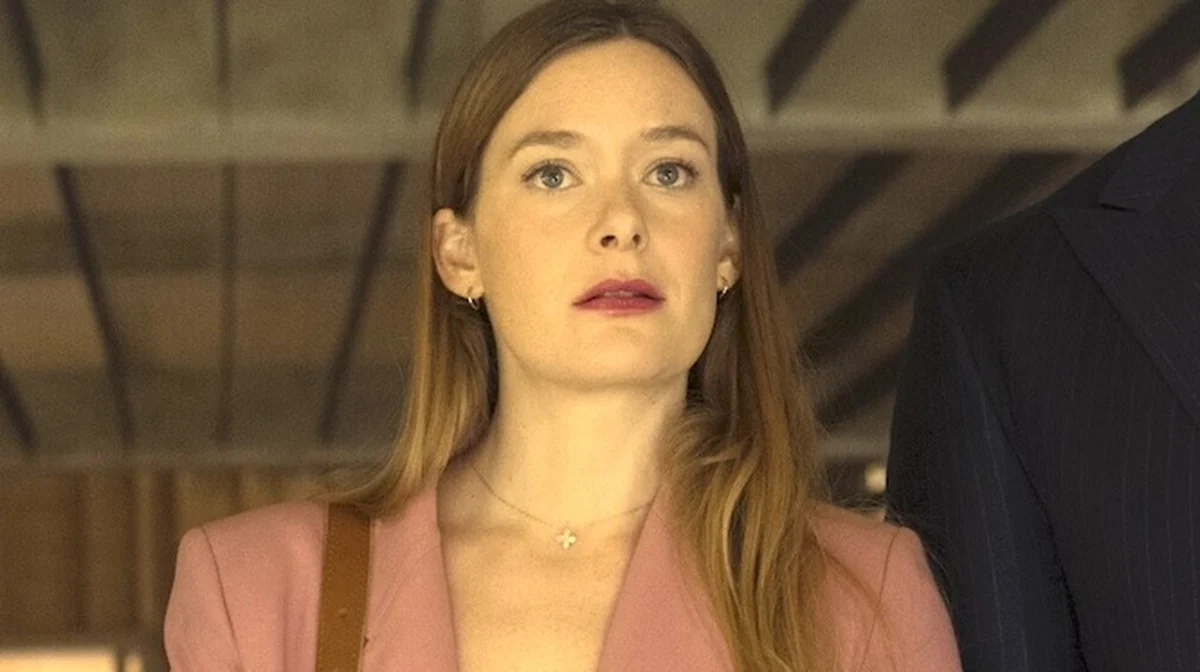
The series centers on a David-versus-Goliath legal practice founded by two disgruntled corporate refugees: Michael Price, played by Mike Colter (Evil), and Olivia Siffre, portrayed by Rachel Keller (Fargo). Dismissed from their respective positions at a massive tech conglomerate on the very same day, Price and Siffre decide to redirect their insider knowledge against the very industry that cast them aside. Operating as a scrappy, ragtag legal firm, they take on the tech "Goliaths"—ranging from rogue artificial intelligence developers to abusive corporate monopolies—on behalf of ordinary citizens caught in the gears of digital progress.
The ensemble cast features Ella Stiller (The Comeback) as Christy Palladino, the firm’s sharp-eyed investigator; Busy Philipps (Cougar Town) as Natalia Boutella, the ex-wife of an exorbitantly wealthy and successful tech entrepreneur; Rob McClure (The Good Fight) as the enigmatic Bo; Nik Dodani (Atypical) as Vikram, a brilliant coder desperately seeking the fledgling firm’s assistance; and Renée Elise Goldsberry (Girls5Eva) as Nichole Ferebee, a formidable attorney who shares a complicated romantic and professional history with Michael Price.
Yet, beyond the legal maneuvering and courtroom standoffs, the true antagonist of Cupertino is the blistering pace of modern technology itself. In an era where artificial intelligence developments rewrite reality on a weekly basis, the creators have found themselves locked in an accidental race against the very future they are trying to dramatize.
Chronology
The genesis of Cupertino traces back to the creative partnership of Robert and Michelle King, who have long specialized in diagnosing the cultural and technological ailments of contemporary American society through smart, fast-paced serial television. Long before the public consciousness was saturated with debates over generative models and artificial general intelligence (AGI), the Kings began conceptualizing a world where the boundary between human judgment and algorithmic rule had completely dissolved.
However, the timeline of the show’s production quickly transformed from standard television development into a surreal exercise in prophecy. Speaking at the series’ red-carpet premiere in New York City, Robert King revealed to TVLine just how rapidly the real world overtook their writers’ room.
"It’s insane how much has changed since [we wrote] the first episode," Robert King remarked. "Some things have caught up with us. I think the use of AGI has caught up with what the show is doing." He candidly admitted that what initially felt like speculative science-fiction storytelling during early script drafts had materialized into undeniable, headline-grabbing science fact by the time cameras rolled and the show prepared for its network television debut.
As the premiere date arrived, the promotional rollout offered audiences a clearer picture of the narrative trajectory. The pilot episode swiftly establishes the downward spiral of its protagonists, culminating in their simultaneous firing. From there, the chronology of the season shifts into procedural overdrive, tracking the fledgling firm as it accepts its first wave of underdog clients, gradually building a case against systemic technological overreach.
Supporting Data
The architecture of Cupertino rests on a meticulously researched foundation of modern corporate culture, legal precedents, and technological anxieties. While fictionalized, the show’s universe heavily echoes current socio-economic realities in the tech sector, touching upon several key data points that define modern American labor and innovation:
- The Silicon Valley Power Imbalance: The series leverages the dramatic friction between multi-trillion-dollar corporate monopolies and individual citizens. According to industry analyses, the top five tech giants command a disproportionate share of digital infrastructure, leaving average consumers with minimal legal recourse when automated systems fail, leak data, or wrongfully terminate employment.
- The Rise of AGI Integration: As highlighted by the series creators, artificial general intelligence has shifted from theoretical computer science labs into commercial applications faster than regulatory bodies can track. Cupertino taps into public anxiety regarding algorithmic bias, automated decision-making in legal and corporate spaces, and the loss of human accountability.
- An Ensemble Built for Prestige Television: The production draws on a combined pool of talent with deep roots in critically acclaimed television. Mike Colter brings his commanding presence from Paramount+’s Evil, while Rachel Keller transitions from the surreal landscapes of Fargo to the hyper-rational, fast-paced world of tech law. The inclusion of stage and screen veterans like Renée Elise Goldsberry and Busy Philipps provides the series with a tonal range that balances high-stakes corporate espionage with sharp, character-driven comedy.
- Expanded Narrative Universe: Sharp-eyed fans of the Kings’ television universe will find plenty of Easter eggs and thematic continuities, with the series occasionally winking at fictional tech ecosystems (such as the legendary Chumhum search engine from The Good Wife) while establishing entirely new battlegrounds for modern litigation.
Official Responses
Speaking with members of the press during the New York City premiere event, the cast and creators of Cupertino elaborated on the thematic ambitions of the project, shedding light on character motivations and the unique challenges of filming a show about an industry that refuses to stand still.
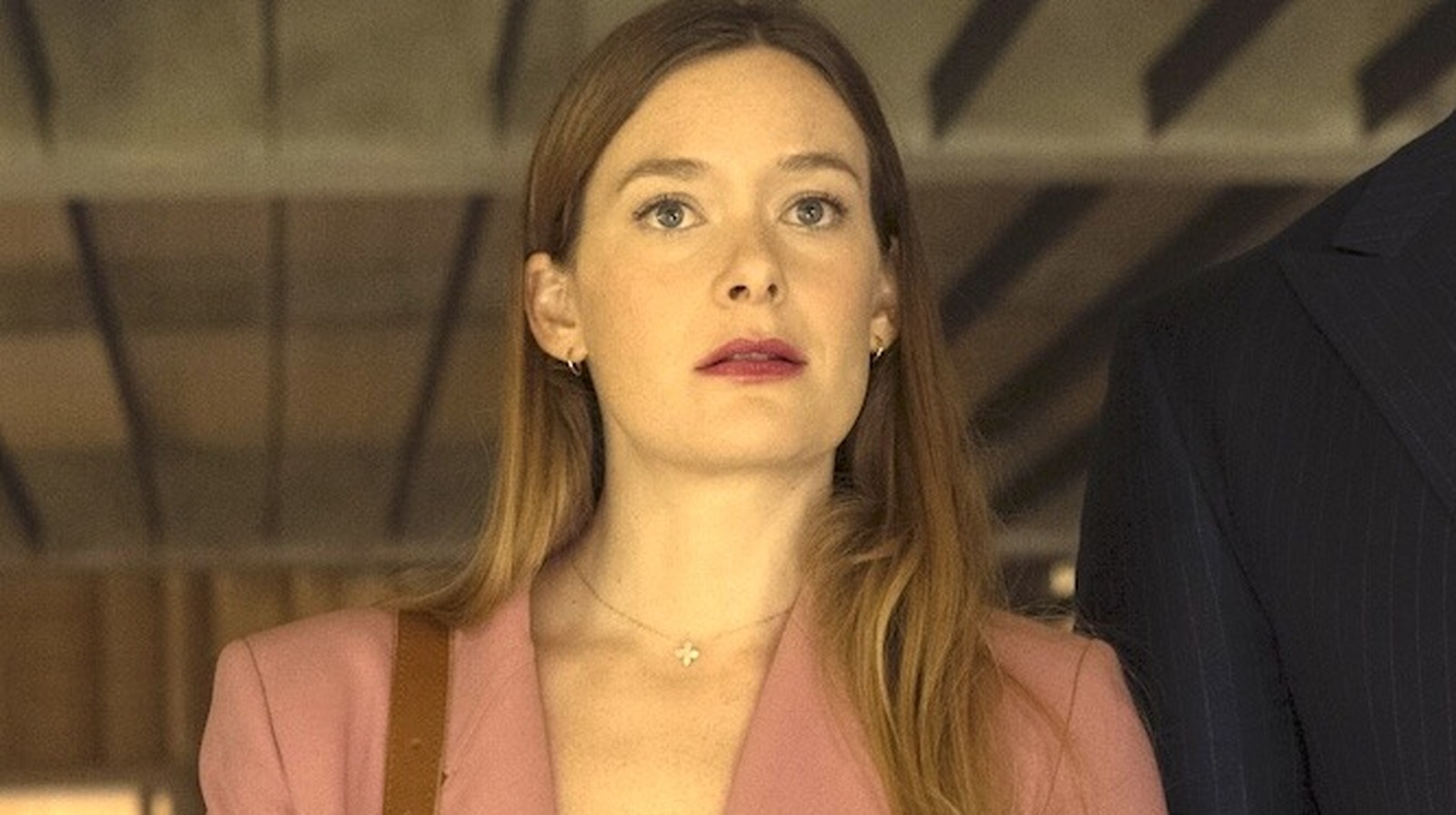
Rachel Keller discussed the psychological state of her character, Olivia Siffre, following her abrupt termination from the tech giant. Unlike Michael Price, who brings seasoned seniority to their new enterprise, Olivia occupies a more junior tier within the corporate hierarchy, making her sudden ousting all the more jarring.
"It’s surprising to her that she gets fired, so his offer to her is also surprising," Keller explained. "And, as you see in the course of the show, she has a spontaneity to her. So I think there’s something about it that’s kinda like, ‘Let’s rock ‘n’ roll!’ It’s exciting and different, and I think at that point, she doesn’t feel like she has anything else to lose."
This dynamic of forced reinvention forms the emotional core of the series. Rather than retreating into corporate compliance or seeking refuge at another faceless conglomerate, Price and Siffre choose to weaponize their insider expertise on behalf of society’s most vulnerable digital subjects.
While cast member Renée Elise Goldsberry was unable to attend the premiere due to a scheduling conflict with her ongoing musical tour, the rest of the ensemble—including Busy Philipps, Ella Stiller, Nik Dodani, and Rob McClure—converged to discuss everything from the logistical absurdity of filming emergency Zoom calls in awkward public spaces to the psychological implications of trading comfortable corporate uniforms for striking pink power suits.
Implications
The arrival of Cupertino on CBS carries significant implications not only for the network landscape but also for how popular culture processes the rapid ascendance of big tech and artificial intelligence. For years, television dramas have attempted to grapple with the digital age, often reducing technology to a simplistic plot device—a magical hacking sequence or a sinister glowing logo on a monitor.
The Kings, however, have consistently demonstrated an aptitude for capturing the mundane yet terrifying ways technology infiltrates human institutions. By framing the battle as a classic "David versus Goliath" legal struggle, Cupertino elevates contemporary techno-paranoia into a classic framework of civil rights, labor exploitation, and corporate accountability.
Furthermore, the show’s premiere marks a notable entry in the ongoing evolution of the procedural drama. As audiences grow increasingly fatigued by traditional crime-of-the-week formats, prestige-leaning procedural hybrids that tackle systemic, real-world issues—such as algorithmic surveillance, corporate immunity, and the commodification of human data—offer a vital modernization of the genre.
Whether Cupertino can successfully sustain its high-concept premise over the course of a full television season remains to be seen. However, by anchoring its speculative anxieties to grounded, highly relatable performances from Colter, Keller, and their supporting cast, the series positions itself as essential viewing for anyone who has ever wondered who protects the individual when the corporation owns the future.
Viewers can catch the series premiere of "Cupertino" this Thursday at 10/9c on CBS, and join the conversation online as the legal battle lines are drawn.
