
The Raccoon City Renaissance: Zach Cregger Takes the Helm of the New ‘Resident Evil’ Feature

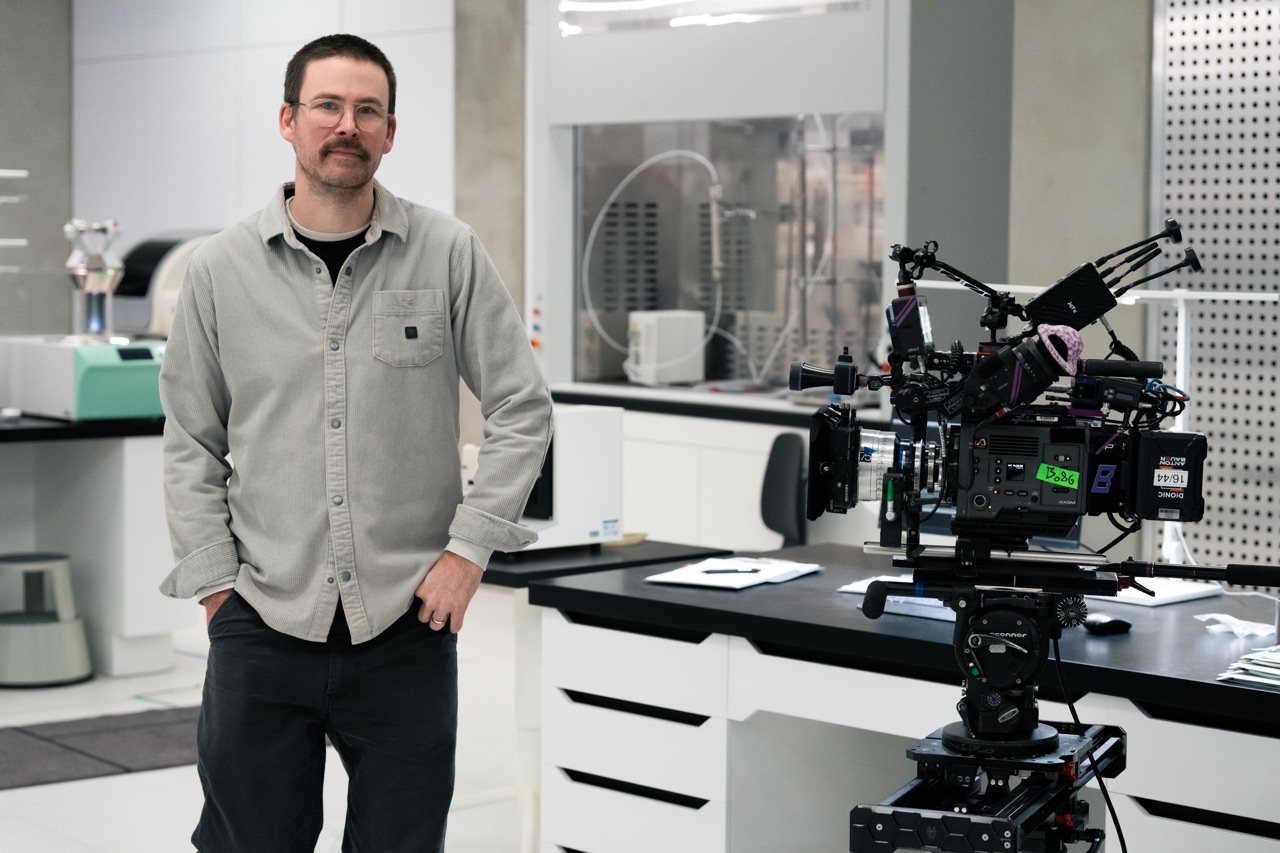
The landscape of horror cinema is bracing for a seismic shift as production intensifies on the latest live-action iteration of Resident Evil. Following the immense critical and commercial success of his 2022 breakout hit Barbarian, director Zach Cregger has officially stepped into the director’s chair for this high-stakes adaptation. With principal photography currently underway, a newly released behind-the-scenes photograph captures Cregger on set, signaling a departure from the franchise’s recent past toward a grittier, more auteur-driven vision of Capcom’s legendary survival horror property.
The Genesis of a New Vision: Main Facts
The announcement of Zach Cregger’s involvement in the Resident Evil universe sent shockwaves through the industry. Known for his ability to subvert audience expectations and masterfully manipulate tension—traits that defined Barbarian—Cregger is widely viewed as the ideal candidate to revitalize a franchise that has, at times, struggled to find a consistent cinematic identity.
This new project, produced under the banner of CTMG (Columbia TriStar Motion Picture Group), is reportedly aiming for a tone closer to the source material’s roots: claustrophobic, resource-starved, and psychologically taxing. While details regarding the specific plot remain under a veil of secrecy, industry insiders suggest the narrative will move away from the high-octane action focus of previous iterations, opting instead for a "slow-burn" horror experience that honors the eerie atmosphere of the original 1996 PlayStation title and its subsequent remakes.
A Chronology of the Resident Evil Cinematic Legacy
To understand the significance of Cregger’s appointment, one must look at the turbulent history of Resident Evil on the silver screen.
- 2002: The Anderson Era Begins: Paul W.S. Anderson launched the first Resident Evil film, starring Milla Jovovich. While commercially successful, the film series diverged significantly from the games, focusing on an original character, Alice, and evolving into an action-heavy franchise over six installments.
- 2021: The Attempt at Accuracy: Johannes Roberts directed Resident Evil: Welcome to Raccoon City, which served as a reboot intended to act as a more faithful adaptation of the first two games. Despite its visual dedication to the games’ aesthetic, the film received mixed reviews and struggled to capture the same cultural zeitgeist as the games themselves.
- 2024: The Search for a New Voice: Following a period of strategic reassessment at Capcom and its studio partners, the search began for a director who could blend modern horror sensibilities with the intricate lore of the Resident Evil series.
- 2026: The Cregger Era: With the release of set photos confirming Cregger’s presence in the director’s chair, the franchise enters its most anticipated phase in decades. The industry is watching closely to see if Cregger can achieve what his predecessors could not: a film that satisfies both casual moviegoers and the hardcore "S.T.A.R.S." fan base.
Supporting Data: Why Cregger?
The decision to hire Cregger is rooted in data-driven trends within the horror genre. Audiences have increasingly migrated away from traditional jump-scare-laden blockbusters in favor of "elevated horror" or "nuanced suspense."
- The Barbarian Factor: Barbarian earned $45.4 million against a $4.5 million budget. More importantly, its critical reception (a 93% on Rotten Tomatoes) highlighted Cregger’s talent for subverting tropes—a crucial skill when adapting a game franchise where players already know the "rules" of the zombies, Lickers, and Nemesis.
- Genre Fidelity: Capcom’s recent video game successes, specifically the Resident Evil 2 and 4 remakes, have proven that audiences are hungry for high-fidelity, atmospheric horror. By bringing in a director who prioritizes pacing and character dread, the studio is signaling a shift toward the "Game-to-Film" prestige model pioneered by HBO’s The Last of Us.
Official Responses and Industry Sentiment
While official statements have been sparse—a hallmark of Cregger’s preferred "mystery-first" marketing strategy—the industry reaction has been overwhelmingly positive.

In a brief press note accompanying the recent behind-the-scenes imagery, a spokesperson for CTMG noted, "We are committed to delivering an experience that honors the legacy of Raccoon City while pushing the boundaries of what a modern horror film can achieve. Zach’s unique perspective on tension and environmental storytelling makes him the perfect architect for this next chapter."
Industry analysts have noted that the lack of excessive promotional noise is a strategic choice. By focusing on the craftsmanship—as seen in the set photography by Dušan Martinček—the production is effectively building "street cred" among the fan base. The image of Cregger on set is not just a promotional asset; it is a promise of transparency and focus.
Implications for the Future of Horror Cinema
The success of this film could dictate the trajectory of video game adaptations for the next decade. If Cregger succeeds, it will solidify the trend of "auteur-led" game adaptations, where individual directors are given the creative freedom to interpret intellectual property through their own stylistic lenses, rather than acting as stewards for a corporate mandate.

The "Raccoon City" Aesthetic
The set photos circulating indicate a heavy emphasis on practical effects and tactile set design. In an era dominated by CGI, the choice to prioritize grounded, physical environments is a massive departure from the green-screen-heavy aesthetic of the early 2000s Resident Evil films. This move implies that the film will prioritize the "tactile horror" of decay, rust, and claustrophobia.
Market Saturation and Longevity
Can a horror franchise that has seen nearly a dozen iterations still capture the imagination of a new generation? The answer likely lies in the shift toward prestige. By moving away from the "action-horror" hybrid model, Cregger is attempting to position Resident Evil alongside modern classics like The Witch or Hereditary—films that leave a lingering sense of unease rather than just providing a temporary thrill.
The Fan Base Connection
The discourse on forums and social media has been revitalized by the news. For a fan base that has felt neglected by previous adaptations, the involvement of a director who understands how to build a "trap" (as Cregger did so effectively in Barbarian) provides a glimmer of hope that the horrors of the Spencer Mansion will finally be realized with the weight and gravity they deserve.

Conclusion
As production continues, the eyes of the horror world remain fixed on the set. Zach Cregger’s Resident Evil represents more than just another entry in a long-running franchise; it represents a test of whether a legacy property can be successfully reimagined through the lens of a modern auteur. If the early reports of atmospheric focus and practical craftsmanship hold true, we may be on the cusp of seeing the most significant horror event of 2027.
The Raccoon City saga is far from over—in fact, under the direction of Zach Cregger, it may have just begun its most terrifying chapter yet. The industry, the fans, and the critics are waiting. The game is changing, and for the first time in a long time, the odds seem to be in the favor of the franchise.
