
Firehouse 51 Faces the Heat: A Deep Dive into Chicago Fire Season 15, Episode 2, “Rattle the Cage”
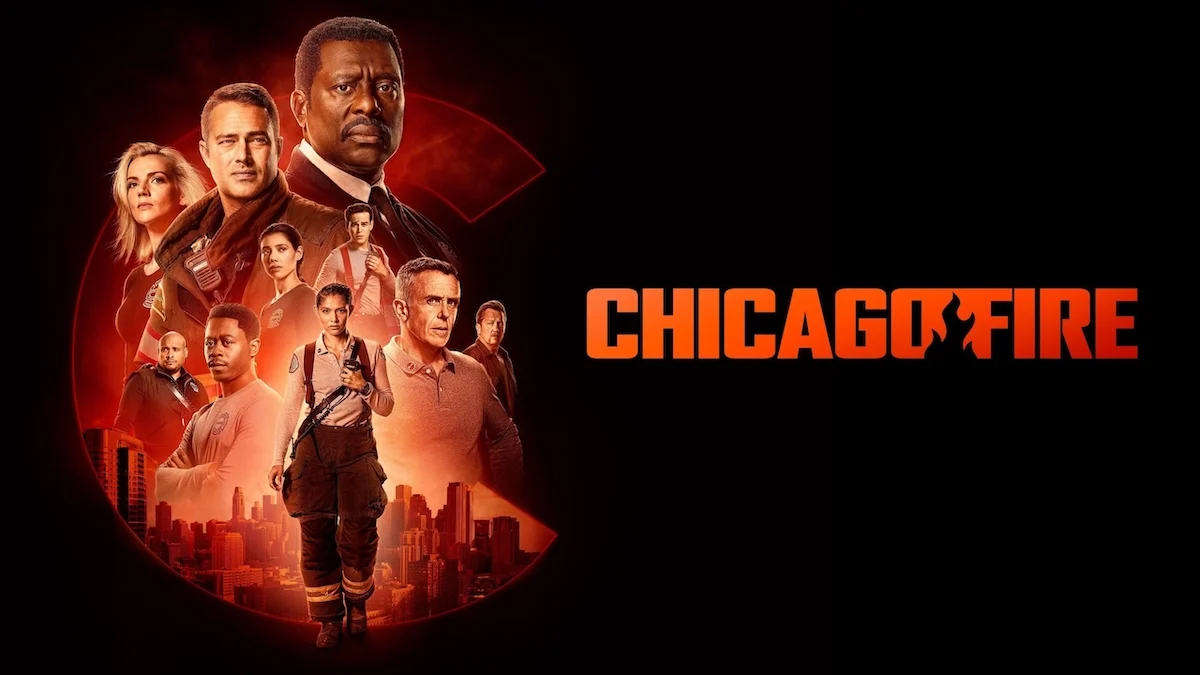
The pulse of Chicago’s bravest continues to beat with unrelenting intensity as NBC’s long-running procedural drama, Chicago Fire, marches into its milestone 15th season. With the release of the official trailer for the second episode, titled “Rattle the Cage,” fans are bracing for another high-stakes installment that promises to test the physical limits and emotional fortitude of the men and women stationed at Firehouse 51. As the series evolves, it continues to balance harrowing, life-or-death rescue operations with the intricate, often messy interpersonal dynamics that have cemented this Dick Wolf production as a cornerstone of modern television.
The Stakes of “Rattle the Cage”: Main Facts and Narrative Tension
The newly released trailer for “Rattle the Cage” provides a brief but visceral glimpse into the challenges awaiting the crew. While the series has always excelled at balancing the “fire of the week” format with long-form character development, this episode appears to double down on the internal pressures facing the leadership.
As Firehouse 51 navigates the fallout from the season premiere, the titular “rattling of the cage” suggests a narrative shift where established protocols may be challenged, and long-standing tensions within the house might finally boil over. The trailer hints at a complex rescue operation that demands precision under pressure, serving as a stark reminder that in the world of Chicago Fire, the environment is just as dangerous as the flames themselves. For viewers, the primary question remains: will the internal friction of the team compromise their ability to respond to the city’s most critical emergencies?
Chronology of a Legacy: The Evolution of Firehouse 51
To understand the weight of Season 15, one must look back at the trajectory of the series. Since its debut in 2012, Chicago Fire has evolved from a gritty, character-driven procedural into a massive franchise anchor within the Wolf Entertainment universe.
Over the past fourteen seasons, the show has undergone significant shifts in personnel and leadership. From the early days of establishing the hierarchy under Deputy District Chief Wallace Boden (Eamonn Walker) to the current era where lieutenants like Kelly Severide (Taylor Kinney), Stella Kidd (Miranda Rae Mayo), and Christopher Herrmann (David Eigenberg) anchor the house, the show has maintained a sense of continuity that is rare in network television.
The progression of the series has seen the team endure personal tragedies, romantic entanglements, and the constant threat of budget cuts and departmental politics. By the time we arrive at “Rattle the Cage,” the characters are no longer just colleagues; they are a battle-hardened unit. The transition from early rookie arcs to the seasoned veteran status of characters like Joe Cruz and “Mouch” McHolland highlights the show’s commitment to real-time aging and professional development, a hallmark of the Dick Wolf production style.
Supporting Data: The Cast and Creative Engine
The longevity of Chicago Fire is a testament to both its stable cast and the creative vision of its executive producers, including Dick Wolf, Andrea Newman, Reza Tabrizi, Matt Whitney, and Peter Jankowski. The production remains firmly under the umbrella of Universal Television and Wolf Entertainment, a partnership that has consistently delivered high-quality broadcast drama.
The Core Ensemble
- Leadership: Eamonn Walker (Chief Boden), Taylor Kinney (Lt. Kelly Severide), David Eigenberg (Lt. Christopher Herrmann), and Miranda Rae Mayo (Lt. Stella Kidd).
- The Veterans: Christian Stolte (Randy “Mouch” McHolland) and Joe Minoso (Joe Cruz).
- The Next Generation: Hanako Greensmith (Violet Mikami), Daniel Kyri (Darren Ritter), and Alberto Rosende (Blake Gallo).
Each of these performers brings a specific archetype to the screen, but it is their chemistry that drives the “family” dynamic the show emphasizes. As the series moves into its 15th year, the creative team has been tasked with keeping these relationships fresh. The introduction of newer members like Violet Mikami has provided a necessary influx of energy, forcing the older guard to mentor while simultaneously dealing with their own evolving professional goals.
Official Responses and Creative Direction
In recent promotional discussions, executive producer Andrea Newman has noted that Season 15 is designed to "rattle the foundations" of what the audience expects from the show. The title of the second episode, “Rattle the Cage,” is intentionally metaphorical. It refers not only to the physical dangers of firefighting but to the psychological state of the firefighters.
"We want to explore what happens when the people who are trained to be the most stable in a room start to lose their footing," Newman hinted in a recent press release. The network, NBC, has leaned heavily into this narrative arc, positioning the season as one of the most character-centric in the show’s history. By moving away from purely episodic conflicts and toward deeper, serialized arcs, the producers hope to maintain the engagement of a loyal fanbase while keeping the stakes high enough to attract new viewers who are accustomed to the pacing of modern streaming dramas.
Implications: The Future of the One Chicago Universe
The implications of the events in “Rattle the Cage” extend beyond the walls of Firehouse 51. As part of the wider One Chicago universe, the actions taken by these characters often have ripples that affect Chicago P.D. and Chicago Med.
1. Shifts in Team Cohesion
If the friction hinted at in the trailer manifests as a genuine conflict between the lieutenants, the administrative stability of Firehouse 51 could be at risk. A fractured house is a dangerous house, and the show has historically used internal conflict to drive its most dramatic episodes.
2. The Streaming Transition
With the episode airing on NBC and subsequently migrating to Peacock, the show’s reach has expanded. The move to digital distribution has changed how the show is paced. Producers are now more cognizant of "cliffhanger" moments that encourage binge-watching and social media engagement, ensuring that each episode feels like a chapter in a much larger, ongoing novel.
3. Legacy and Longevity
Reaching 15 seasons is a monumental achievement in television. It places Chicago Fire in the rare echelon of procedurals that have defined a generation. The implications of this are clear: the show is no longer just a series about fires; it is a cultural institution. Every decision made in "Rattle the Cage" is under the microscope of a fanbase that has spent over a decade watching these characters grow, fall in love, and risk their lives.
The Art of the Trailer: Promoting the High-Stakes Drama
The trailer for "Rattle the Cage" serves as a masterclass in modern broadcast promotion. In an era where audiences are inundated with content, a trailer must do more than show clips—it must evoke emotion.
The strategy behind the Chicago Fire promos is twofold: first, it highlights the technical prowess of the rescue scenes (the "wow" factor of fire and heavy machinery); second, it focuses on the internal human drama. By juxtaposing the sound of sirens and breaking glass with intimate, whispered conversations between characters, the editors create a sense of urgency. The goal is to make the viewer feel as though they are part of the Firehouse 51 family, inviting them to share in the high-stakes life of the characters.
As the series continues, these trailers act as a promise to the viewer: that despite 15 seasons, the fire still burns. The commitment to technical accuracy, combined with the deep investment in character history, ensures that Chicago Fire remains a must-watch for those who appreciate the intersection of high-octane action and grounded human storytelling.
Final Thoughts: The Path Forward
As “Rattle the Cage” prepares to hit the airwaves, the anticipation is palpable. Whether it is the seasoned wisdom of Chief Boden or the headstrong determination of the newer recruits, the episode promises to be a pivotal moment in the current season.
For those who have followed the series from the beginning, it is a chance to see how far the characters have come. For new viewers, it is an entry point into a world where courage is the standard and the team is the only safety net. One thing is certain: Firehouse 51 is not going anywhere, and as long as there is a cage to be rattled, they will be there to face the challenge, together as family.
Chicago Fire Season 15, Episode 2, “Rattle the Cage,” airs on NBC and is available for streaming on Peacock. Stay tuned to FilmBook for ongoing coverage, reviews, and news regarding the future of the series.
