
The Haunting of the Irish Inn: Damien McCarthy’s ‘Hokum’ Set for Streaming Premiere
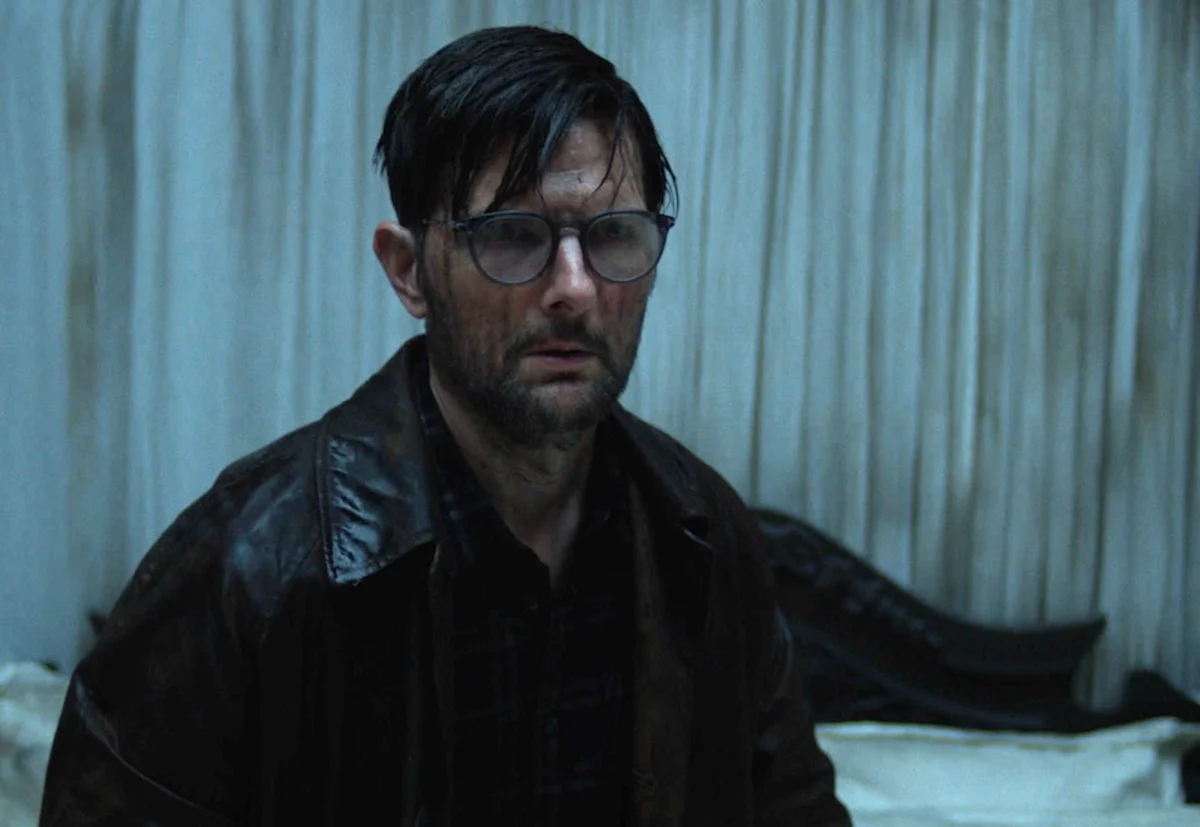
The landscape of modern horror has found a formidable new architect in Irish filmmaker Damien McCarthy. Known for his uncanny ability to weave dread into the mundane and elevate the claustrophobic into the terrifying, McCarthy has garnered a dedicated following with his previous features, Caveat (2020) and Oddity (2024). Now, as anticipation builds for his third feature, Hokum, fans of high-concept, folk-infused terror have been given a firm date for the film’s wider accessibility. The project, which promises to expand upon the unsettling sensibilities that have defined McCarthy’s career, is officially set to hit Hulu on October 10, 2026.
Main Facts: A Return to the Roots of Fear
Hokum arrives at a pivotal moment in the horror genre, where audiences are increasingly gravitating toward "folk horror"—a subgenre that prioritizes atmosphere, historical weight, and the intrusion of the ancient into the contemporary. The film stars Adam Scott, who departs from his more familiar comedic and dramatic roles to portray Ohm Bauman, a cynical, weary novelist.
The premise, while deceptively simple, serves as a vessel for deeper psychological inquiry. Bauman travels to a remote, ancestral inn in the Irish countryside under the pretense of fulfilling a somber duty: burying his parents’ ashes. However, the inn—a location steeped in local lore and familial history—quickly reveals itself to be a threshold for something far more disturbing.
The film is not merely a "haunted hotel" narrative. Instead, it functions as a meditation on grief, the weight of the past, and the moral ambiguities of human nature. According to early reports and critical analysis, the film incorporates a rich tapestry of Irish folklore, including the presence of a mysterious witch, the inexplicable imagery of a dead goat, and a cast of characters whose motivations remain opaque and shifting. The film serves as a testament to McCarthy’s signature style: minimalist, chilling, and profoundly atmospheric.
Chronology: The Evolution of a Visionary Director
To understand the weight of Hokum, one must look at the trajectory of Damien McCarthy’s career. His ascent has been marked by a consistent refinement of his craft, moving from indie sensibilities to a more polished, yet no less jarring, aesthetic.
The Foundation: ‘Caveat’ (2020)
McCarthy first captured the attention of the horror community with Caveat. The film, which centered on a man suffering from memory loss who takes a job looking after a troubled woman in an isolated house, was praised for its innovative use of silence and tension. It established the "McCarthy trope": characters trapped in spaces that seem to possess their own malevolent agency.
The Breakthrough: ‘Oddity’ (2024)
Following the success of Caveat, McCarthy leveled up with Oddity. A supernatural thriller that played with the concepts of sight, perception, and retribution, the film was a critical darling. It solidified McCarthy as a master of the "slow-burn," proving that he could maintain tension over an entire feature without relying on excessive gore.
The Current Chapter: ‘Hokum’ (2026)
Hokum represents the culmination of these thematic preoccupations. Having transitioned from the singular, isolated domesticity of his early work, Hokum places its protagonist within a wider, more culturally specific setting. The production process, which began in mid-2025, has been shrouded in a level of secrecy that only added to the "spooky season" aura surrounding its upcoming streaming release.
Supporting Data: The Talent Behind the Terror
The success of a horror film is often predicated on the chemistry of its cast and the technical precision of its production. Hokum has assembled a formidable ensemble to bring McCarthy’s script to life.
Adam Scott leads the cast, bringing a grounded, grounded intensity to the role of Ohm Bauman. He is supported by a roster of seasoned talent, including Peter Coonan, David Wilmot, Florence Ordesh, Will O’Connell, and Michael Patric. Each of these actors brings a distinct texture to the film, reflecting the diverse array of characters that inhabit the inn—a mix of locals, travelers, and entities that may defy human classification.
Beyond the cast, the production values for Hokum have been described as "visceral." McCarthy continues his partnership with key creative collaborators to ensure that the Irish landscape itself becomes a character. The film’s sound design and cinematography are intended to invoke a sense of "dread-filled nostalgia," tapping into the specific anxieties of returning to one’s childhood home.
Official Perspectives and Critical Analysis
The discourse surrounding Hokum has already begun to shift from mere anticipation to academic and critical examination. Leah Schnelbach, writing for Reactor, provided a succinct summary of the film’s underlying philosophy:
"Sometimes monsters just ARE. Sometimes things that seem like monsters to our human eyes are actually beautiful. Maybe the supernatural elements are ‘real’ and maybe they aren’t—it doesn’t matter when the story’s good enough. And that’s what Hokum is doing."
This perspective is central to understanding why Hokum is poised to be more than a typical jump-scare experience. McCarthy is interested in the nature of the monster. In his previous films, the horror often stems from the fact that the protagonist cannot discern whether they are being hunted by a supernatural force or by the consequences of their own past actions. By introducing elements like the "dead goat" and the "witch," McCarthy is leaning into the grotesque to challenge the audience’s moral compass.
The studio and streaming executives have also signaled their confidence in the project by slotting it for an October 10 release. This strategic placement in the heart of "spooky season" is a vote of confidence in the film’s quality and its ability to capture the public’s imagination during the peak demand for horror content.
Implications: Why ‘Hokum’ Matters for the Genre
The release of Hokum on a major streaming platform like Hulu is a significant milestone for the internationalization of Irish horror. McCarthy is part of a wave of filmmakers who are reclaiming Celtic mythos and rural Irish settings, moving away from the "leprechaun" tropes of the past and into a more somber, psychological, and terrifying exploration of cultural heritage.
The "Folk Horror" Renaissance
The popularity of films like Hokum suggests that audiences are hungry for stories that feel grounded in history. In an increasingly digital world, there is a tangible appeal to films that focus on old buildings, ancient traditions, and the idea that some places are "cursed" by their very geography. Hokum is expected to bolster the argument that folk horror is not merely a niche interest but a robust, evolving genre capable of sustained success.
The Actor-Director Dynamic
The casting of Adam Scott is also an interesting development. It follows a trend of "prestige" actors moving into the horror space, bringing a level of performance that elevates the genre. Scott’s ability to portray vulnerability beneath a mask of grumpiness is likely the anchor that allows the audience to endure the more harrowing, supernatural elements of the film.
The Future of the "Inn" Narrative
By focusing on an inn, Hokum joins a long lineage of horror cinema—from The Shining to The Innkeepers. However, McCarthy’s implication that the "monsters" might actually be "beautiful" suggests a subversion of the genre. If the film succeeds in this thematic departure, it could influence future horror scripts to prioritize empathy and ambiguity over the traditional "good vs. evil" binary.
Conclusion
As October 10, 2026, approaches, the hype surrounding Hokum continues to intensify. Damien McCarthy has proven himself to be a director who does not settle for the easy route; he forces his audience to linger in the uncomfortable, the silent, and the shadows of the past.
Whether Hokum ultimately becomes the definitive horror experience of the year remains to be seen, but the signs are promising. With a talented cast, a director who has consistently delivered high-quality, thought-provoking terror, and a release date that aligns perfectly with the cultural calendar, Hokum is set to be a chilling, essential addition to the modern horror canon. For those prepared to confront the ghosts of the Irish countryside—and perhaps find a strange beauty in the monsters they encounter—the inn will be open for business this October.
