
The Resurgence of the Legacy Socket: Why Intel is Betting on LGA 1700 to Survive the ‘RAMpocalypse’
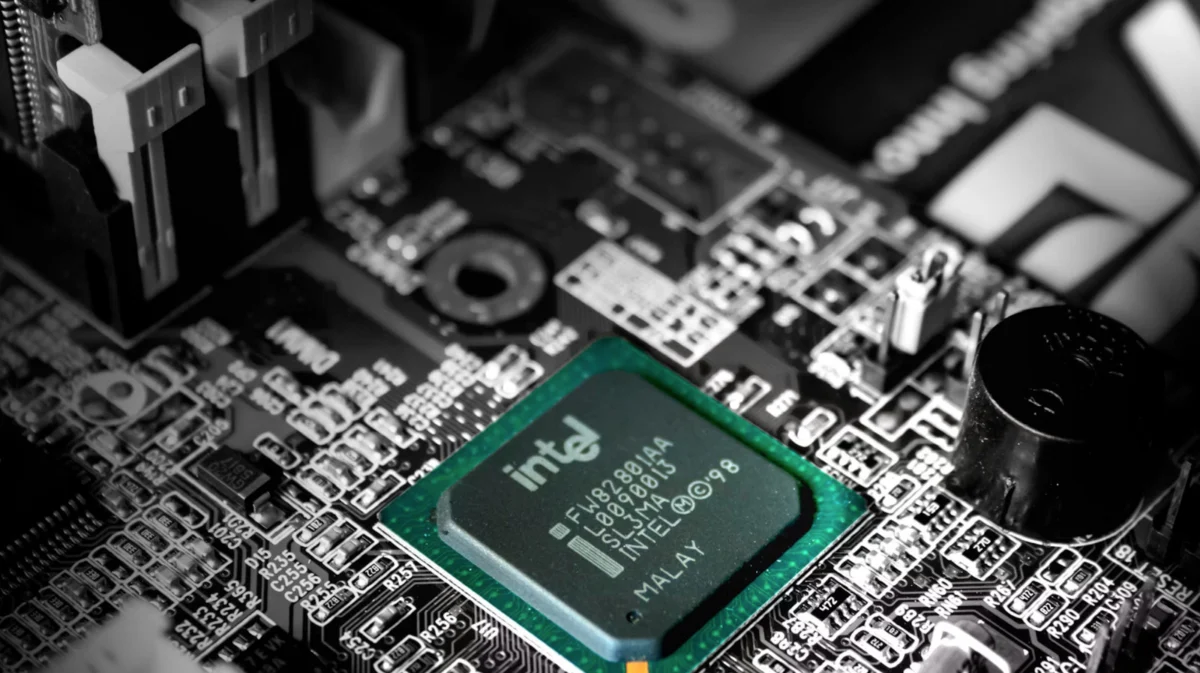
In the rapidly evolving landscape of semiconductor manufacturing, longevity is rarely a virtue. Tech giants typically follow a "tick-tock" or biennial cadence, discarding old platforms to make room for faster, more efficient architectures. However, Intel is breaking its own mold. According to recent disclosures from motherboard manufacturer Gigabyte, Intel is preparing to launch a new series of CPUs compatible with the aging LGA 1700 socket—a platform that first debuted in 2021.
This decision, while seemingly counterintuitive in an era of rapid technological advancement, serves as a strategic retreat from the rising costs of next-generation memory. Caught in the throes of what industry analysts are calling the "AI-fueled RAMpocalypse," Intel is pivoting toward a strategy that prioritizes consumer accessibility and budget-conscious computing over raw, bleeding-edge performance.
The Main Facts: A Return to Form
The core of this development lies in the inherent flexibility of the LGA 1700 socket. Unlike the newer LGA 1851 platform, which is strictly designed for the high-speed demands of DDR5 memory, the LGA 1700 architecture supports both DDR4 and DDR5 standards. By extending the life of the LGA 1700 socket into 2027, Intel is effectively ensuring that its upcoming refresh of Raptor Lake and Alder Lake architectures can remain compatible with the significantly more affordable DDR4 memory modules.
This move is not merely a stopgap; it is a calculated response to the soaring market price of high-bandwidth memory. As artificial intelligence workloads consume an unprecedented percentage of global high-performance memory (HBM) and standard DRAM production capacity, prices for consumer-grade DDR5 have surged, leaving a massive affordability gap between the older standard and the new.
Chronology: From Innovation to Endurance
To understand why Intel is reaching back into its archives, one must look at the timeline of the LGA 1700 socket and the broader memory market.
- 2021: Intel introduces the LGA 1700 socket alongside the 12th Generation Alder Lake processors. It is heralded as a bridge generation, supporting the transition from the mature, cost-effective DDR4 to the promising, yet expensive, DDR5.
- 2022–2023: As DDR5 production ramps up, the industry anticipates a rapid phase-out of DDR4. Intel releases 13th and 14th Gen processors, continuing to offer motherboards that support the older memory standard to ease the transition for budget-conscious users.
- 2024: The "AI Boom" hits full force. Massive capital investment in data centers for LLM (Large Language Model) training creates a supply chain squeeze. Memory manufacturers shift priorities to meet the insatiable demand for HBM3 and high-end DDR5, causing retail prices for consumer DDR5 kits to climb sharply.
- 2025–2026: Market reports indicate that the price gap between DDR4 and DDR5 has widened to a point where a mid-range gaming PC build is seeing a significant premium solely due to RAM costs.
- 2027 (Projected): Intel prepares to keep the Raptor Lake/Alder Lake product stack active, utilizing the LGA 1700 platform to provide a "value" tier that avoids the DDR5 tax, effectively extending the socket’s lifecycle to six years—a rarity in the modern CPU market.
Supporting Data: The Price-to-Performance Disparity
The primary driver behind this shift is the undeniable disparity in the cost of entry. While technology enthusiasts often clamor for the latest specifications, the average consumer operates within strict budgetary constraints.
Current retail data highlights a stark reality. A standard 32GB kit of high-quality DDR4-3600 RAM can be procured for approximately $210. In contrast, an equivalent 32GB kit of high-speed DDR5-6000 RAM often commands prices upward of $480. For a system builder or an enterprise purchaser buying in bulk, this represents a 100% markup in memory costs for a performance gain that, in many real-world scenarios, remains marginal.
Testing across various benchmarks indicates that while DDR5 offers higher bandwidth and lower latency, the actual "gaming uplift" is often underwhelming. Depending on the resolution and the GPU bottleneck, the move from DDR4 to DDR5 typically yields a performance improvement of only 1% to 10%. For the vast majority of PC users—including gamers, students, and office workers—this incremental boost does not justify the significant price premium, especially when the saved funds could be diverted toward a more powerful GPU, which yields a much higher return on investment for gaming performance.
Official Responses and Strategic Positioning
Intel has been characteristically measured in its comments regarding the longevity of its older platforms. However, Robert Hallock, a key executive at Intel, provided significant insight during recent industry discussions. Hallock acknowledged that the Raptor Lake architecture is destined to remain a staple of the Intel portfolio for "years to come."
"LGA 1700 is still a good socket," Hallock noted, emphasizing that the company is listening to its user base. By maintaining production for these chips, Intel is signaling that it acknowledges the necessity of an affordable entry point into the PC ecosystem. Intel’s strategy appears to be a two-pronged approach: push the bleeding-edge performance with newer, socket-incompatible architectures for enthusiasts, while retaining a "workhorse" line on LGA 1700 for the mainstream and value-oriented market.
This approach serves a dual purpose: it keeps Intel’s market share secure in the budget segment—where they have historically faced stiff competition from AMD’s AM4 platform—and it insulates their customer base from the volatility of the global memory market.
Implications: The "RAMpocalypse" and the Future of Computing
The "RAMpocalypse" is not merely a temporary supply chain glitch; it is a symptom of a fundamental shift in how silicon and memory are allocated globally. As AI continues to integrate into everything from operating systems to cloud services, the demand for memory will only intensify.
1. The Death of the "Standard" Upgrade Cycle
For years, the PC industry has pushed for a 3-year motherboard upgrade cycle. Intel’s decision to keep LGA 1700 alive suggests that the industry may be moving toward a bifurcated model. In this future, the "enthusiast" tier will continue to upgrade every few years, while the "mainstream" tier will see longer lifecycles, prioritized by cost-to-performance stability rather than the latest socket iteration.
2. DDR4’s Unlikely Longevity
DDR4, once thought to be on the verge of obsolescence, is now being positioned as a "long-term support" technology. By keeping DDR4-compatible CPUs in the market, Intel is effectively extending the usable life of millions of PCs. This has positive environmental implications as well, reducing electronic waste by allowing users to keep their existing motherboards and RAM while performing a simple CPU swap to gain better performance.
3. Impact on PC Gaming and Productivity
For the average gamer, this news is a relief. The ability to build a high-performing system without paying a "DDR5 premium" means that more of the consumer’s budget can be allocated to components that actually impact the user experience—like GPUs, NVMe storage, and high-refresh-rate monitors.
Conclusion: A Pragmatic Pivot
Intel’s reliance on the LGA 1700 socket through 2027 is a masterclass in market pragmatism. By ignoring the industry pressure to force consumers onto more expensive standards, Intel is positioning itself as the champion of the budget-conscious user.
The "RAMpocalypse" may have been the catalyst, but the result is a more resilient and accessible PC market. While the tech world chases the allure of the "next big thing," Intel’s commitment to the tried-and-true LGA 1700 platform proves that sometimes, the best way to move forward is to leverage the technology that has already proven its worth. As we look toward 2027, the message is clear: performance is important, but affordability is the bedrock upon which the PC ecosystem is built. In a world of rising prices, the return to legacy architecture is not a step backward—it is a smart, strategic necessity.
