Wrapping High-End Cinema Cameras: ALPHAGVRD Teases Custom Vinyl Skin for the ARRI Alexa Mini LF
By Matthew Allard ACS Published via Newsshooter
Main Facts: The Rise of Cinema Camera Customization
Car wrapping has long been an automotive staple, transforming sleek sports cars and utilitarian fleet vehicles alike into personalized works of rolling art. In recent years, however, this trend has quietly bled into the world of consumer electronics, safeguarding everything from smartphones and gaming consoles to laptops. Now, the high-end cinema production market is getting the wrap treatment.
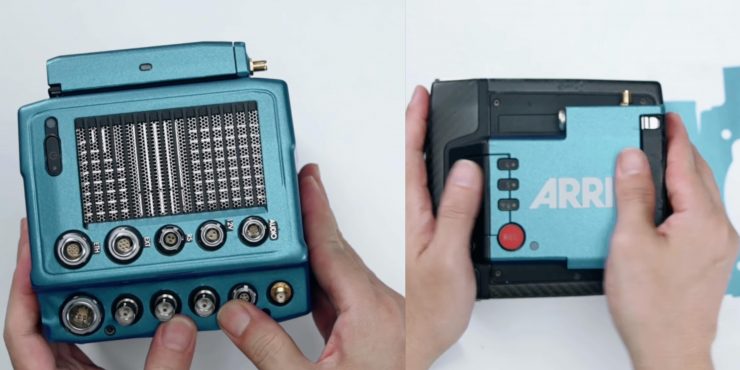
ALPHAGVRD, a specialized accessory manufacturer known for precision-cut protective overlays, is teasing its latest product: a custom-tailored vinylskin designed specifically for the industry-standard ARRIAlexaMini LF.
While cinephiles and camera operators are accustomed to outfitting their multi-thousand-dollar cinema rigs with rugged cage systems, heavy-duty baseplates, and carbon-fiber matte boxes, the concept of slapping a layer of adhesive vinyl directly onto the magnesium-alloy body of a flagship cinema camera is both novel and polarizing.
Designed using high-grade 3M vinyl materials, ALPHAGVRD’s skins are engineered to protect camera bodies from everyday scuffs, minor scratches, and environmental wear without leaving behind sticky residue upon removal. But transforming a high-end digital cinema camera from its factory-issue industrial black to a personalized aesthetic is not a task for the faint of heart. It requires precision, patience, and a steady hand—qualities that every professional cinematographer needs on set, but which might be tested during a grueling 30-minute installation process.
Chronology: From Automotive Wraps to Hollywood Sets
The journey of protective vinyl from the automotive sector to the film set represents a fascinating crossover in niche manufacturing.
Early Origins in Consumer Electronics: Long before camera bodies were targeted, precision-cut vinyl skins dominated the laptop and mobile phone markets. Brands like dbrand and others popularized the idea that users could protect device chassis while expressing personal style without adding bulk.
The Expansion into Professional Gear: As content creators and independent filmmakers began treating production tools as lifestyle assets—often sharing rig builds on platforms like Instagram and YouTube—the demand for aesthetic personalization grew. Manufacturers began looking at high-end camera bodies not just as tools, but as canvases.
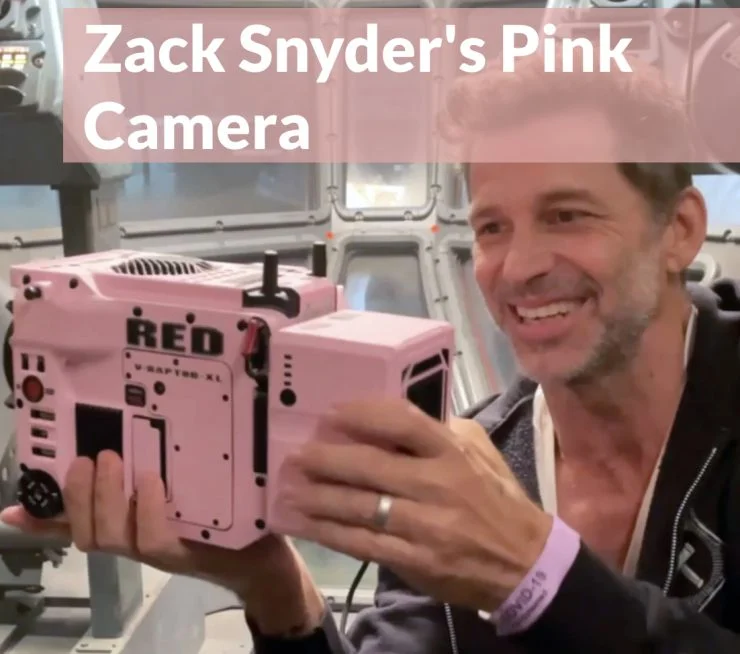
Celebrity and High-Profile Endorsements: ALPHAGVRD gained considerable industry attention when it produced a bespoke, custom pink skin for renowned filmmaker Zack Snyder. The visual of Snyder’s heavily rigged camera sporting a vibrant, customized wrap quickly circulated across social media, bridging the gap between novelty gadget accessory and high-end production gear.
The RED V-Raptor and ARRI Teasers: Building on early successes with various camera ecosystems, ALPHAGVRD expanded its development pipeline. Alongside upcoming versions tailored for the RED V-Raptor, the company officially turned its sights toward ARRI’s ecosystem, culminating in the recent social media teaser for the Alexa Mini LF.
Supporting Data & Technical Specifications
Applying a vinyl skin to a cinema camera body requires precision engineering because production cameras are complex geometries featuring numerous buttons, ports, cooling vents, and ergonomic contours.
Material Composition and Fitment
3M Automotive-Grade Vinyl: ALPHAGVRD utilizes films sourced from 3M, widely regarded as an industry standard for vehicle wraps. These materials are engineered to withstand temperature fluctuations, resist bubbling, and maintain adhesion over long periods.
Residue-Free Removal: One of the chief concerns among cinematographers who own or rent high-end gear is maintaining residual value. The company claims that the adhesive formula allows the skin to be peeled off cleanly without leaving behind gummy adhesive residue that could foul dials or buttons.
Precision Computer Cutting: Each skin is CNC-cut or laser-cut to match the exact dimensions of specific camera models. Openings for lens mounts, sensor planes, cable ports, and ventilation grills are mapped down to the millimeter.
The Installation Process
Installing a camera skin is vastly different from slapping a screen protector onto an iPhone. According to field reports and manufacturer guidelines, the installation process involves:
Surface Preparation: Thoroughly cleaning the camera body to remove oils, dust, and residue.
Alignment: Carefully peeling and placing flat panels across the camera’s main chassis faces.
Thermal Activation: Utilizing a heat gun or hair dryer on the rubber grip sections and compound curves. Heat allows the vinyl to stretch and conform permanently to the complex contours of the camera body.
Time Investment: A full wrap typically takes approximately 30 minutes of concentrated labor.
"If you aren’t good at putting screen protectors on a smartphone, then it’s probably a good idea to give this a miss!" — Matthew Allard ACS
Official Responses and Industry Reception
The introduction of luxury vinyl skins for professional cinema cameras has elicited a wide range of reactions from working cinematographers, camera assistants, and rental houses.
Practical Protection vs. Factory Aesthetics
For owner-operators who invest upwards of $30,000 to $50,000 (or more) into a complete ARRI or RED camera package, protecting the investment is paramount. Traditionally, this has been achieved via aluminum camera cages (from brands like Tilta, Wooden Camera, or SmallRig). These cages add substantial weight, however—a critical factor for handheld operators, gimbal users, and Steadicam technicians.
The Pro-Wrap Argument: Proponents of camera skins argue that vinyl offers a zero-profile protective layer. It prevents cosmetic blemishes (such as scratches from stray rigging screws or tripod plates) without adding an ounce of weight or altering the physical dimensions of the camera body. Furthermore, custom colors can make multi-camera setups easily identifiable on set.
The Skeptics’ View: Traditionalists often scoff at the idea of wrapping a piece of precision-engineered industrial machinery. Critics point out that high-end cinema cameras are meant to show "battle scars" as a badge of honor, signaling a well-traveled and working tool. Others express concern over whether trapped heat could potentially impact camera ventilation, or whether adhesive could degrade the magnesium-alloy finish over years of heavy use in extreme climates.
High-Profile Adoption: The Zack Snyder Effect
The involvement of high-profile directors like Zack Snyder has legitimized what might otherwise be viewed as a niche gimmick. When major filmmakers embrace personalized gear aesthetics, it shifts the conversation from utility to identity. For commercial directors, music video shooters, and narrative filmmakers looking to stand out in behind-the-scenes (BTS) footage, a custom-skinned camera serves as an extension of personal branding.
Implications for the Professional Cinematography Market
The rollout of custom skins for flagship systems like the ARRI Alexa Mini LF and RED V-Raptor highlights several broader trends within the modern digital cinema landscape:
The Consumerization of Pro Gear: Cinema cameras are no longer purchased exclusively by monolithic rental houses; a vast percentage are owned by independent owner-operators. As cameras become personal assets, the desire to customize and personalize them mirrors the automotive and tech customization cultures.
Resale Value Management: While some operators worry about cosmetics affecting resale value, others argue that keeping a pristine factory body underneath a sacrificial vinyl layer will actually preserve the camera’s physical condition over years of rugged location work.
Niche Manufacturing Growth: The market for bespoke aftermarket accessories is expanding rapidly. Just as third-party monitor hoods, custom wooden handles, and specialized baseplates populate modern camera rigs, aesthetic modification products are carving out a permanent space in the filmmaker’s toolkit.
Summary
Whether you view camera wrapping as an innovative method to safeguard expensive gear or an unnecessary cosmetic distraction, products like ALPHAGVRD’s new ARRI Alexa Mini LF skin offer a fresh way to approach camera rigging. For those with a steady hand, a heat gun, and a desire to make their gear distinct, the trend is here to stay.
About the Author: Matthew Allard ACS is a multi-award-winning, ACS-accredited freelance Director of Photography with over 36 years of experience across more than 50 countries. He serves as the Editor of Newsshooter.com.