
A Genre-Defining Collaboration: Chase Infiniti to Star in Lionsgate’s ‘Portrait of God’ Under the Stewardship of Raimi and Peele
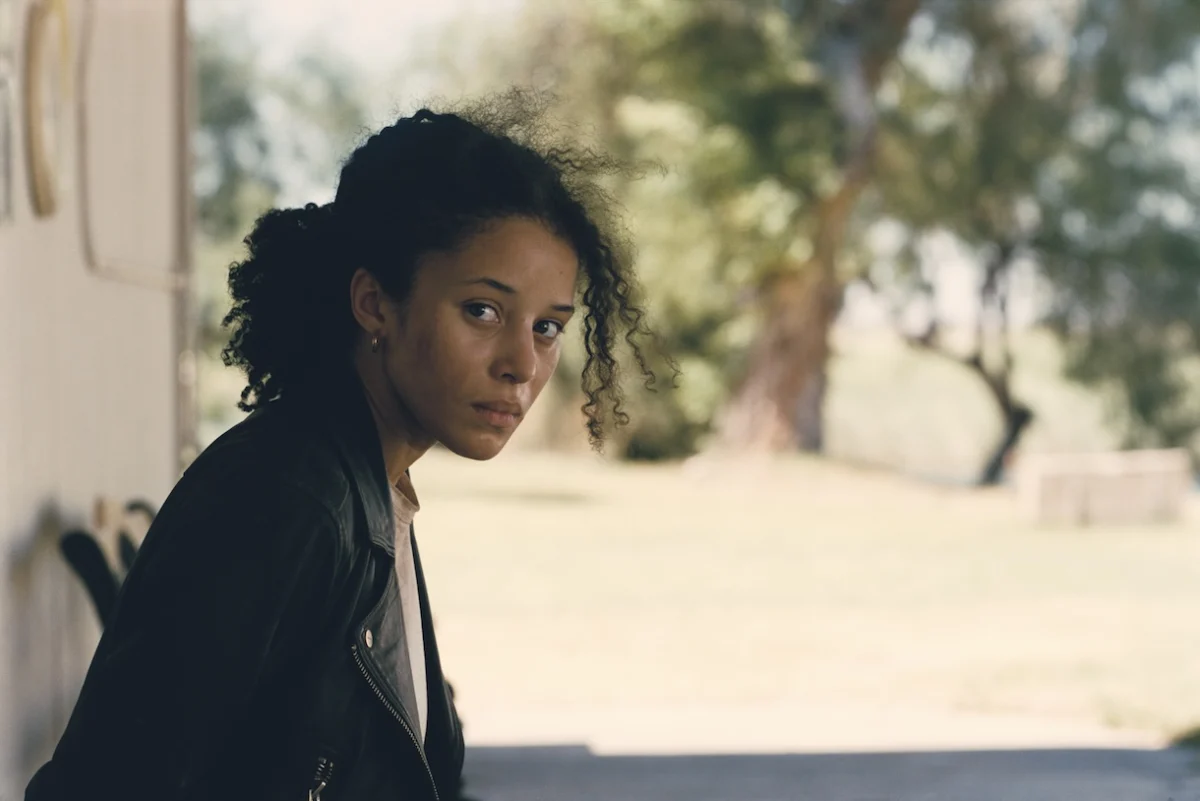
In a move that has sent shockwaves of anticipation through the horror community, Lionsgate has officially secured the feature-length adaptation of Portrait of God. The project, helmed by visionary filmmaker Dylan Clark, has tapped rising star Chase Infiniti to lead the production. This announcement marks a significant milestone in the horror genre, not only because of the source material’s viral pedigree but because it marks the inaugural collaboration between two of the most influential architects of modern terror: Sam Raimi and Jordan Peele.
The Genesis of a Viral Phenomenon: Chronology of the Project
The journey of Portrait of God from a self-contained digital experiment to a major studio feature is a testament to the changing landscape of modern cinema. Three years ago, Dylan Clark released a short film on YouTube that defied traditional narrative structures. The premise was deceptively simple yet profoundly unsettling: a young woman named Mia, while rehearsing a presentation, becomes fixated on a mysterious, pitch-black painting.
The horror of the short film lay in its ambiguity. As the narrative unfolded, it was revealed that while the canvas appeared as an empty void to the casual observer, select individuals were capable of seeing the face of God within the darkness. The brilliance of Clark’s execution was in the psychological toll this realization took on the protagonist; as Mia stares into the void, the void begins to look back, blurring the lines between divine revelation and demonic possession.
The short film garnered millions of views, praised for its minimalist aesthetic and ability to evoke existential dread without relying on conventional jump scares. Following its viral success, the transition to a feature-length format became inevitable. Clark, alongside writing partner Joe Russo (noted for The Inheritance), spent the last few years expanding the lore of the painting and developing the psychological stakes that will define the feature.
The project’s momentum accelerated recently when Lionsgate moved to acquire the rights, viewing it as a cornerstone of their upcoming horror slate. This follows a broader strategy by the studio to invest in emerging directorial voices capable of delivering elevated, high-concept genre fare.
The Star Power: Why Chase Infiniti?
The casting of Chase Infiniti is arguably the most critical component of this announcement. Infiniti, whose breakout performance in One Battle After Another established her as an actress of immense range and intensity, has been largely absent from the silver screen since that project’s critical success.
Beyond her acclaimed film work, Infiniti gained significant traction for her role in Hulu’s The Testaments, the highly anticipated sequel series to The Handmaid’s Tale. Her ability to navigate complex, emotionally taxing environments makes her the ideal vessel for the role of Mia, a character who must embody both intellectual curiosity and profound, existential terror.
Dylan Clark expressed his enthusiasm regarding the casting, noting that Infiniti’s performance in One Battle After Another was a career-defining moment that convinced him she was the only choice for the role. "She blew me away," Clark stated, "and she is unequivocally one of the most exciting young actors working today."
The Dream Team: Raimi, Peele, and the Evolution of Horror
Perhaps the most significant aspect of the Portrait of God announcement is the union of Sam Raimi and Jordan Peele as producers.
Sam Raimi, the mastermind behind the Evil Dead franchise, represents the visceral, kinetic energy of classic horror—a director and producer who redefined the genre through technical innovation and a willingness to push the boundaries of "splatter" and tension. Jordan Peele, conversely, has redefined horror for the contemporary era. Through films like Get Out, Us, and Nope, Peele has utilized the genre as a vehicle for social commentary, psychological depth, and subversive storytelling.
The convergence of these two titans on a single project suggests that Portrait of God will likely attempt to synthesize the visceral intensity of the Raimi era with the intellectual rigor and atmospheric dread associated with the "Peele aesthetic." Their combined influence provides a level of creative security for the project, suggesting that the film will be more than a standard genre entry—it is poised to be a landmark release.
Official Statements and Industry Implications
The announcement was met with a flurry of excitement from Lionsgate leadership, who see the film as a flagship endeavor. Lionsgate film boss Adam Fogelson issued a formal statement regarding the partnership:
"We’re delighted to deepen our creative partnership with Dylan Clark, whose remarkable talent and distinctive perspective make him one of the most exciting emerging voices in horror. With Sam and Jordan, two of the genre’s most influential producers, the extraordinary Chase Infiniti starring, and Dylan at the helm, this is an exceptional creative team. We believe they have all the ingredients for a film that is haunting, thought-provoking, and scary as hell."
For his part, Dylan Clark acknowledged the unique environment Lionsgate has fostered for his career. Having already been tapped by the studio to helm the Blair Witch Project reboot—a massive undertaking that further cements his status as a "go-to" director for high-profile horror—Clark noted that the studio has demonstrated a rare level of trust in his creative vision. "With Blair Witch, I’m experiencing firsthand the trust Lionsgate places in its filmmakers, and I couldn’t be happier that Portrait of God has found a home there as well," Clark added.
The Implications: A Shift in Genre Distribution
The acquisition of Portrait of God by a major studio like Lionsgate signals a broader trend in the industry: the "YouTube-to-Big-Screen" pipeline is no longer an anomaly. Filmmakers who demonstrate mastery of short-form horror on digital platforms are increasingly being handed the keys to massive production budgets.
This trend serves two purposes:
- Risk Mitigation: By choosing directors like Clark, who have already proven their concepts through viral success, studios can gauge audience appetite before cameras even roll.
- Creative Innovation: It allows for the injection of "fresh" ideas into the horror landscape, moving away from the endless cycle of sequels and remakes toward original, high-concept narratives.
However, the challenge for Portrait of God lies in maintaining the intimate, suffocating atmosphere of the original short while expanding it into a feature-length narrative. Many films that attempt this expansion suffer from "bloat," where the central mystery is over-explained or the pacing falters. With the writing partnership of Clark and Joe Russo, and the oversight of producers as seasoned as Raimi and Peele, the film is better positioned than most to navigate these pitfalls.
Conclusion: A New Standard for Horror
As production gears up, the industry will be watching Portrait of God closely. The film represents a perfect storm of talent, pedigree, and studio backing. If the team can successfully translate the existential, terrifying silence of the original short film into a two-hour theatrical experience, they may well deliver the defining horror film of the decade.
The inclusion of Chase Infiniti, whose star power is currently at an all-time high, ensures that the film will have both the critical credibility and the audience draw required to dominate the box office. When the void stares back, audiences will undoubtedly be watching—and if the creative pedigree of this project is any indication, they will be left profoundly shaken.
As the production moves toward its primary photography phase, the narrative of Portrait of God—a story about the terrifying consequences of seeing what is meant to remain unseen—seems to mirror the excitement surrounding the project itself: a glimpse into something monumental, lurking just beneath the surface of the industry.
