
A Kingdom of Comedy: Paramount Pictures Sets Its Sights on the Medieval Times Cinematic Universe
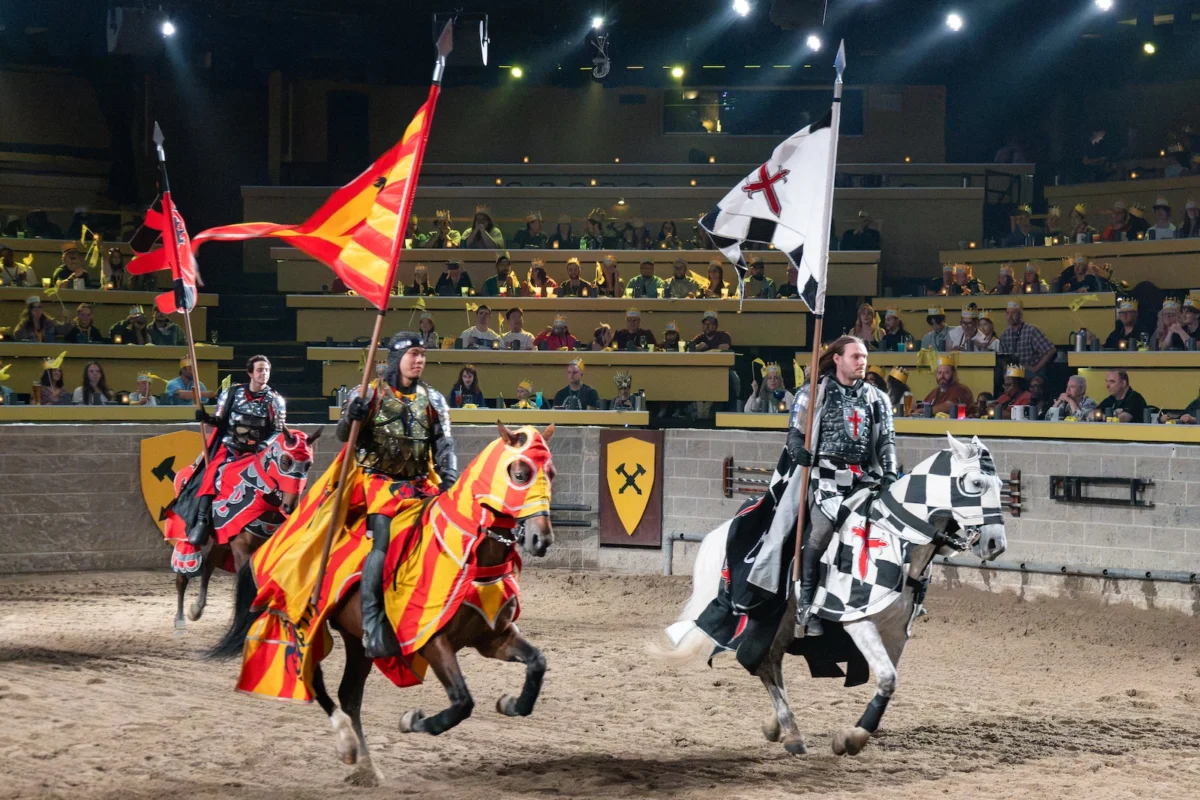
In an unexpected expansion of the "location-based entertainment" film genre, Paramount Pictures has officially announced the development of a family comedy feature based on the iconic dinner-theater franchise, Medieval Times. The project, which is currently in the early stages of development, is set to be helmed by director Eric Appel, known for his work on the critically acclaimed Weird: The Al Yankovic Story. The screenplay has been entrusted to Blaise Hemingway, a writer with a proven track record in high-concept family fare, including the 2021 adaptation of Clifford the Big Red Dog and the aforementioned Weird.
For those unfamiliar with the cultural phenomenon, Medieval Times has served as a fixture of American suburban entertainment for decades. It is an immersive, dinner-theater experience where guests are transported to an 11th-century Spanish castle, served a four-course feast sans silverware, and treated to a high-octane spectacle of jousting, sword fighting, and falconry. The film adaptation aims to capture the chaotic energy of this venue while injecting a supernatural, high-stakes narrative into the fold.
The Core Narrative: A Knight in Modern Day
According to the official logline provided by the studio, the film’s premise centers on a struggling, unappreciated employee working at an Orlando-based Medieval Times venue. His mundane life of serving roast chicken and managing rowdy birthday parties is upended when he accidentally triggers a magical anomaly that transports a genuine, battle-hardened 9th-century knight into the modern world.
The situation escalates from a mere fish-out-of-water comedy to a high-stakes adventure when the knight brings along an "ancient evil necromancer." The protagonist is forced to form an uneasy alliance with the feral, displaced warrior. Together, they must navigate the challenges of modern Florida—and the specific constraints of the dinner-theater circuit—to protect the castle, safeguard the world from a supernatural threat, and, ultimately, help the protagonist earn the self-respect and professional recognition he has craved since the start of his shift.
A Chronology of the Development
While the project was only recently confirmed by Deadline, the seeds of this partnership were likely sown as studios scrambled to capitalize on the success of "IP-driven" cinema following the massive critical and commercial success of Dungeons & Dragons: Honor Among Thieves.
- Late 2024 – Early 2025: Initial discussions between Paramount Pictures and the Medieval Times brand management team began. The studio sought a property that possessed high brand recognition but was flexible enough to accommodate a fresh, comedic tone.
- Q3 2025: The project moved into active development. The selection of Eric Appel and Blaise Hemingway suggests a desire to replicate the specific "mock-biopic" or "tongue-in-cheek" energy that made Weird: The Al Yankovic Story a cult favorite.
- October 2026: Official industry reports confirmed the attachment of the creative team. Currently, the film is in the "script-to-screen" development phase, meaning the primary focus remains on tightening the narrative structure and ensuring the tone balances the absurdity of the premise with the requirements of a family-friendly blockbuster.
Supporting Data: Why Medieval Times?
The decision to adapt a dinner-theater chain may seem unconventional to the uninitiated, but industry analysts point to the "nostalgia economy" as a primary driver. Medieval Times operates nine "castles" across North America, attracting millions of visitors annually.
Brand Reach and Demographics
- Market Penetration: With locations in major tourist hubs like Orlando, Buena Park, and Schaumburg, the brand has a deep-rooted presence in the American consciousness.
- The "Experience" Factor: Unlike traditional restaurant chains, Medieval Times offers a narrative experience. The audience is already accustomed to the "lore" of the brand—the specific colors of the knights, the King and Princess characters, and the choreographed jousting. This reduces the amount of "world-building" a film would need to perform, allowing the audience to jump straight into the action.
- The "Weird" Factor: The success of Dungeons & Dragons: Honor Among Thieves proved that audiences are craving "swords and sorcery" films that do not take themselves too seriously. By leaning into the campiness of jousting in a stadium, Paramount is positioning this film to bridge the gap between niche geek culture and mainstream family entertainment.
The Creative Vision: Appel and Hemingway
The attachment of Eric Appel and Blaise Hemingway is perhaps the most significant indicator of the film’s potential quality. Appel’s direction in Weird: The Al Yankovic Story demonstrated a rare ability to treat ridiculous, heightened scenarios with total sincerity, which is the hallmark of effective comedy.
Hemingway, meanwhile, has demonstrated an aptitude for balancing heart with humor. Clifford the Big Red Dog required the writer to ground a completely impossible premise (a giant dog in New York City) in human emotion and stakes. Applying that same template to a knight in a dinner-theater castle offers a similar opportunity for "grounded absurdity."
Official Responses and Industry Outlook
As of this writing, there have been no formal press conferences from the Medieval Times corporate office, though industry insiders suggest the company is eager to see the brand reach a wider global audience.
Paramount Pictures has remained tight-lipped regarding the budget and the target release window, maintaining that the project is still in its infancy. However, sources close to the production have noted that the studio is prioritizing the script to ensure the "necromancer" elements don’t overshadow the comedic elements of the modern-day setting.
"It is a classic ‘fish out of water’ scenario, but with a sharper edge," says one industry analyst. "If they manage to capture the specific, slightly sweaty, popcorn-and-chicken-scented magic of the Medieval Times experience, they have a hit on their hands. It’s the kind of high-concept pitch that sounds ridiculous on paper but translates perfectly to a summer tentpole."
Implications for the Film Industry
The Medieval Times movie represents a larger shift in Hollywood’s IP acquisition strategy. As the pool of comic books and existing fantasy franchises begins to dry up or face "superhero fatigue," studios are increasingly looking at non-traditional properties.
1. The Rise of "Experience" Adaptations
If this film succeeds, expect a wave of projects based on theme park attractions, immersive theater, and regional entertainment hubs. We are already seeing this with the success of films like The Super Mario Bros. Movie and the Five Nights at Freddy’s franchise. The goal is to tap into a built-in fanbase that already feels a sense of ownership over the brand.
2. The Return of the "High-Concept" Comedy
The 1990s and 2000s were defined by high-concept comedies—films like Galaxy Quest or Night at the Museum. In recent years, these have been replaced by either gritty dramas or massive franchise sequels. A Medieval Times movie suggests a potential return to the "one-off" high-concept comedy, which could serve as a much-needed breath of fresh air for audiences fatigued by interconnected cinematic universes.
3. The Challenges Ahead
The primary challenge for Paramount will be maintaining the balance between the "real" world and the "fantasy" world. If the movie leans too far into the fantasy, it risks becoming a generic action film. If it stays too grounded, it loses the charm of the Medieval Times brand. The success of the film hinges on the chemistry between the modern-day employee and the knight—the audience needs to believe that a 21st-century service worker and a 9th-century warrior could actually become friends.
Conclusion: A Feast for the Future
As we look toward the potential release of this project, one thing is certain: the appetite for imaginative, genre-bending comedy remains insatiable. Whether the film ultimately succeeds as a box office titan or a cult classic, the development of a Medieval Times feature is a testament to the fact that even the most niche corners of American entertainment are ripe for the silver screen.
For fans of the theater, the promise of seeing their favorite jousting tournaments brought to life with the budget of a major studio is, at the very least, an intriguing prospect. Whether or not one is a fan of the chain, the sheer audacity of the premise—a necromancer loose in an Orlando dinner theater—is enough to command attention. Until then, the project remains a tantalizing "what if," waiting in the wings of development, much like a knight waiting for the trumpet to sound before the charge. One thing is for certain: when the lights dim and the film finally hits the screens, there will be no shortage of people ready to sit back, enjoy the show, and perhaps even grab a chicken leg to celebrate.
