
The Legacy of the Trenches: Why ‘Band of Brothers’ Remains the Gold Standard of Military Television
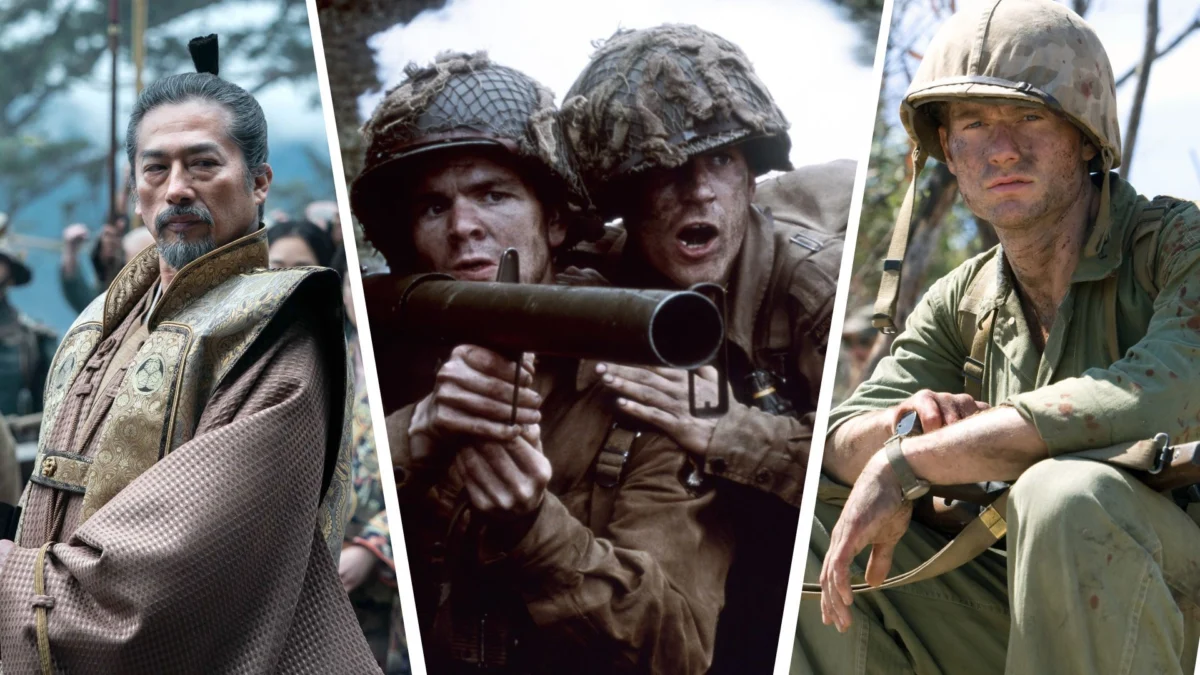
Twenty-five years after its debut, HBO’s Band of Brothers remains an insurmountable monument in the landscape of television history. More than just a miniseries, it stands as the definitive benchmark for the war genre—a masterclass in storytelling that transformed dry historical records into an intimate, visceral experience. By following Easy Company from the grueling grind of jump training at Camp Toccoa through the desperate defense of Bastogne and into the heart of Nazi Germany, the series accomplished the impossible: it made the vast, impersonal machinery of World War II feel deeply, painfully human.
While the spectacular battle sequences are often cited as the show’s hallmark, the true genius of Band of Brothers lies in its exploration of the human condition under extreme duress. It is a study of brotherhood forged in the fires of survival, examining how men hold onto their humanity when the world around them is designed to strip it away. As we look back at its enduring influence, it is clear that few series have managed to replicate that specific alchemy of scale, historical rigor, and profound emotional weight. However, for viewers seeking to recapture that same sense of gravity, a select group of television series offers a compelling, albeit distinct, experience.
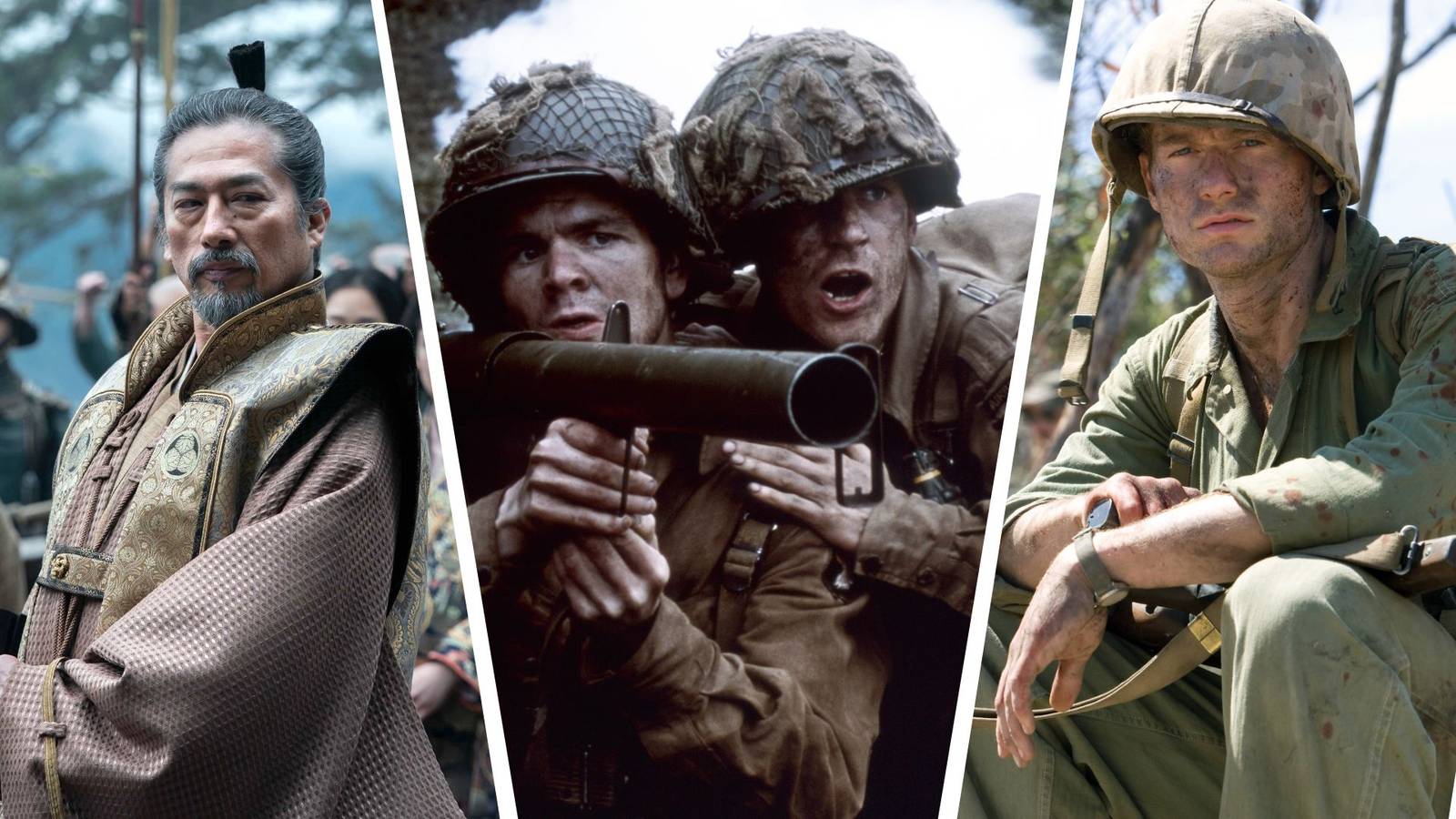
A Chronology of the War Genre: From ‘MAS*H’ to ‘Masters of the Air’
The evolution of military-themed television is a fascinating study of shifting cultural perspectives. The genre began not with the gritty realism we associate with modern "prestige" TV, but with the satirical, cathartic humor of the 1970s.
The Foundational Years
The late 1980s saw a shift toward more grounded portrayals with Tour of Duty (1987–1990). As one of the first series to treat the Vietnam War with serious, recurring narrative intent, it laid the groundwork for the modern military drama. It depicted the infantry experience with a focus on psychological toll, predating the high-budget miniseries era by over a decade. Meanwhile, MASH (1972–1983) proved that war stories did not need to be relentlessly grim to be honest. By utilizing dark humor as a coping mechanism in a Korean War mobile surgical hospital, MASH critiqued the absurdity and waste of conflict in a way that remains culturally relevant today.

The Prestige Miniseries Era
The release of Band of Brothers in 2001, helmed by Steven Spielberg and Tom Hanks, redefined the medium. It ushered in an era where audiences expected not just action, but historical immersion. This was followed by the 2008 release of Generation Kill, a searing look at the 2003 Iraq invasion, which utilized real-world radio chatter and journalist Evan Wright’s firsthand accounts to achieve a level of authenticity that felt almost documentary-like. The "spiritual successor" cycle culminated in 2024 with Masters of the Air, bringing the high-stakes, claustrophobic reality of aerial warfare to the screen with the same production pedigree as its predecessor.
Supporting Data: Why These Series Matter
To understand the enduring appeal of these shows, one must look at the production philosophies that underpin them.
- Historical Fidelity: Band of Brothers set a high bar by incorporating interviews with actual veterans. This technique has been mirrored by The Pacific (2010) and Generation Kill, which prioritize the "ground-level" perspective over the "general’s-eye" view of conflict.
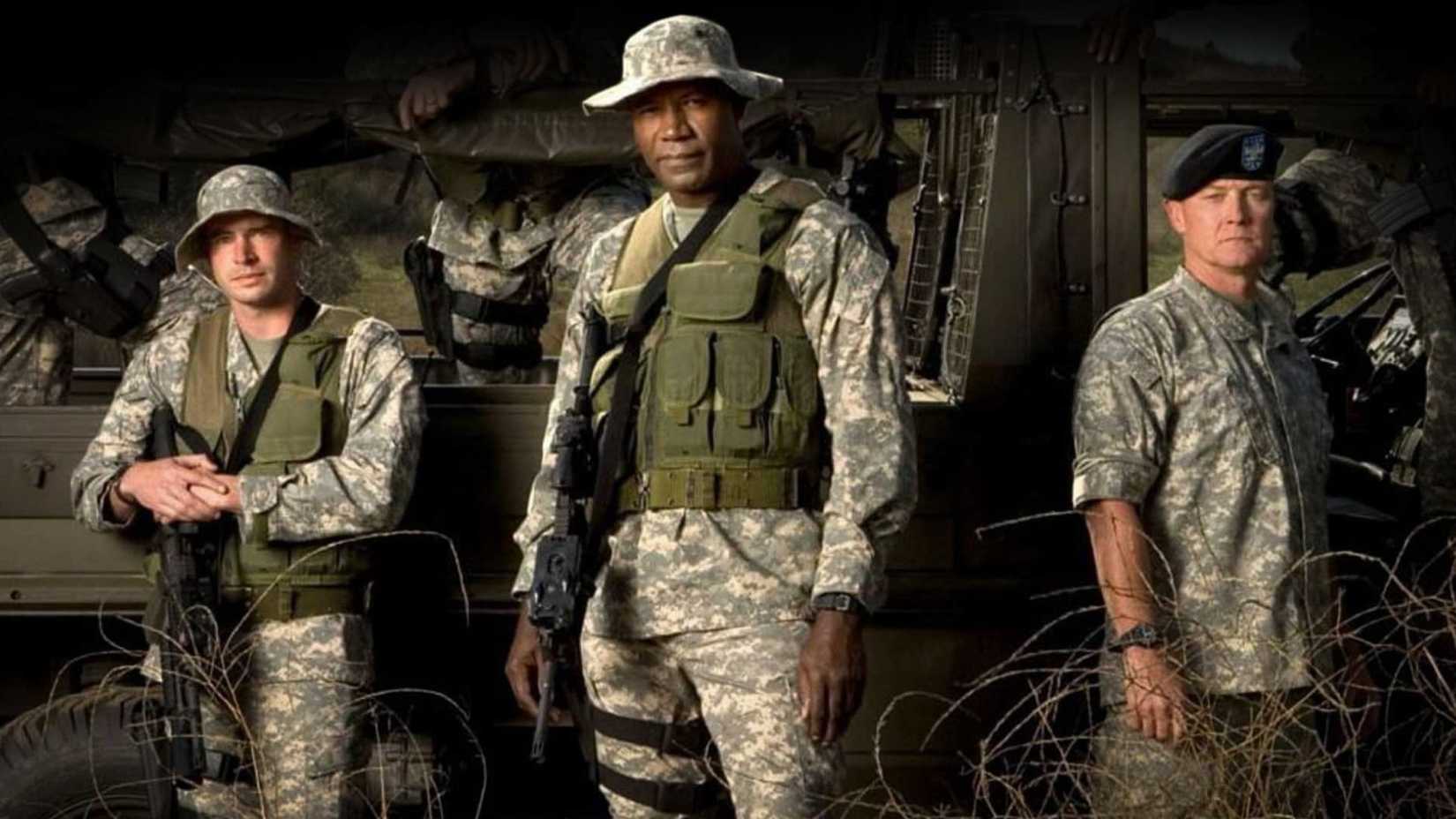
- The "Unit" Dynamics: Whether it is the fictional Delta Force team in The Unit (2006–2009) or the Roman legionnaires in Rome (2005–2007), the most successful military shows focus on the "Small Group Cohesion" theory. When a series focuses on a tight-knit unit, the stakes are shifted from national policy to personal survival, making the viewer more emotionally invested.
- Logistical Realism: Shows like Shōgun (2024), while technically a political drama, have been praised for the same commitment to material culture—choreography, costuming, and dialect—that characterized Band of Brothers.
Essential Viewing: A Curated Guide
For those looking to explore the genre further, here is how the top contenders measure up:
1. The Unit (2006–2009)
- Focus: Contemporary Special Operations.
- Why it works: It captures the "shadow side" of military life, contrasting the intensity of covert missions with the mundane, often difficult reality of the families waiting back home.
- Verdict: Perfect for those who enjoy episodic tension and the "brotherhood-in-action" dynamic.
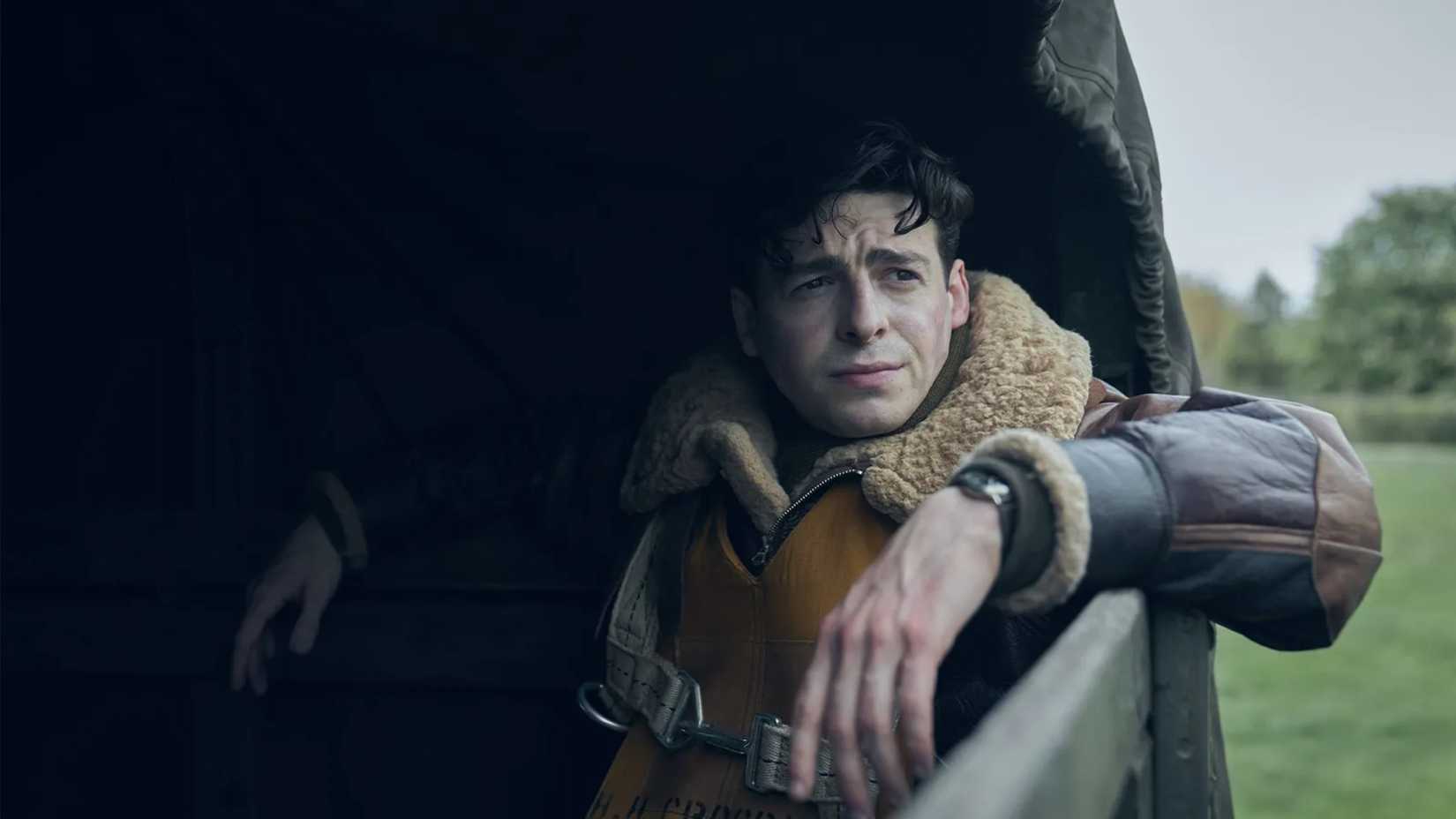
2. Masters of the Air (2024)
- Focus: The 100th Bomb Group in WWII.
- Why it works: It is the closest stylistic sibling to Band of Brothers. The claustrophobia of B-17 bombers provides a unique setting that differentiates it from infantry-based dramas.
- Verdict: A must-watch, though be prepared for a larger, more fragmented ensemble cast compared to the tight focus of Easy Company.
3. Rome (2005–2007)
- Focus: The end of the Roman Republic.
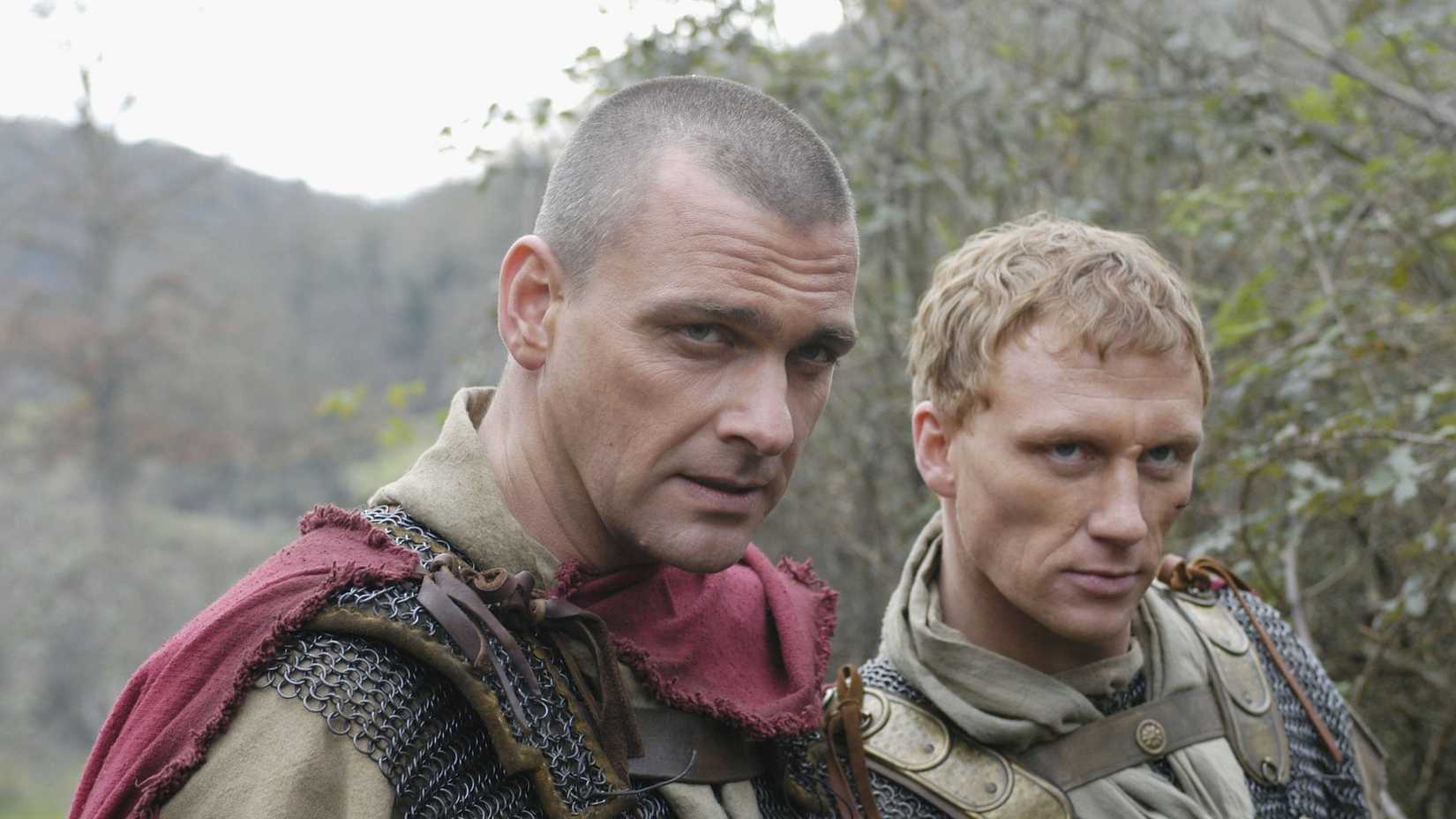
- Why it works: While not a "war show" in the modern sense, its focus on two soldiers, Lucius Vorenus and Titus Pullo, captures the camaraderie of the ranks perfectly. It treats the brutality of ancient warfare with a seriousness that honors the genre.
- Verdict: Ideal for viewers who value historical immersion and political depth over purely tactical battlefield action.
4. Shōgun (2024–Present)
- Focus: Feudal Japanese political intrigue.
- Why it works: It excels in the same areas as the best war dramas: authenticity and stakes. It demonstrates that the politics leading to a war are just as compelling as the battle itself.
- Verdict: For the viewer who loves the "military" mindset—discipline, hierarchy, and duty—but wants a change of scenery.
Official Responses and Industry Impact
The industry’s response to these series has been overwhelmingly positive, setting a standard that streaming services now compete to match. Executives at networks like HBO and Apple TV have frequently noted that the "Band of Brothers effect" has created a permanent demand for high-budget, historically accurate storytelling.
"We are no longer just looking to depict a battle," says a veteran production consultant who has worked on several of these projects. "We are looking to depict the weight of the decision to fight. That is the legacy Steven Spielberg and Tom Hanks left behind."
Implications: The Future of the War Genre
As we look toward the future, the war genre is moving away from the "heroic" tropes of the mid-20th century and toward more complex, often uncomfortable, portrayals of conflict. Generation Kill and The Pacific proved that audiences are ready to engage with the moral ambiguity of war, the psychological breakdown of the combatant, and the disconnect between military command and the men on the ground.
The implication for creators is clear: the modern audience is highly informed and expects technical perfection. Whether it is the specific sound of a rifle bolt or the period-accurate slang of a 1940s paratrooper, the margin for error is razor-thin.
Ultimately, Band of Brothers is not just a show about World War II; it is a mirror held up to the nature of sacrifice. It remains the gold standard because it never lost sight of the individual. In the chaos of history, it found the quiet, shaking hand of a soldier, and that is a story that will never go out of style. Whether you choose to revisit the frozen forests of Bastogne or explore the jungles of The Pacific or the skies of Masters of the Air, the message remains the same: the story of war is, above all, the story of the people who were asked to survive it.
