
The Ultimate Halloween Streaming Guide: 10 Essential Horror Masterpieces on Netflix
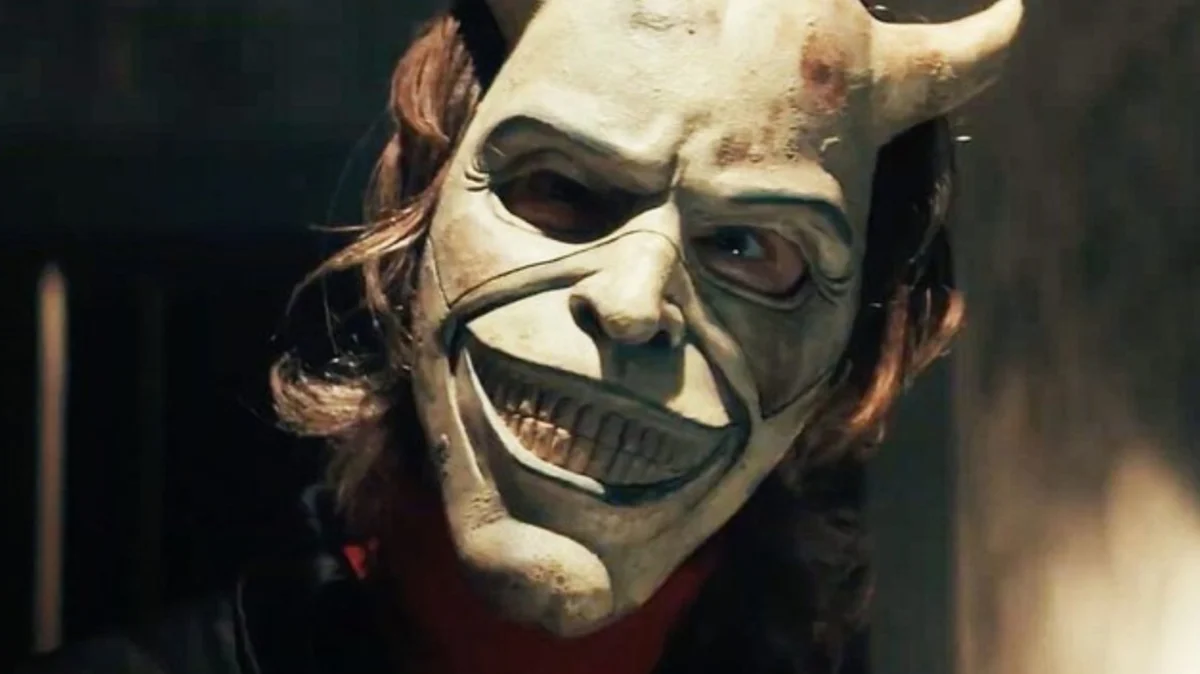
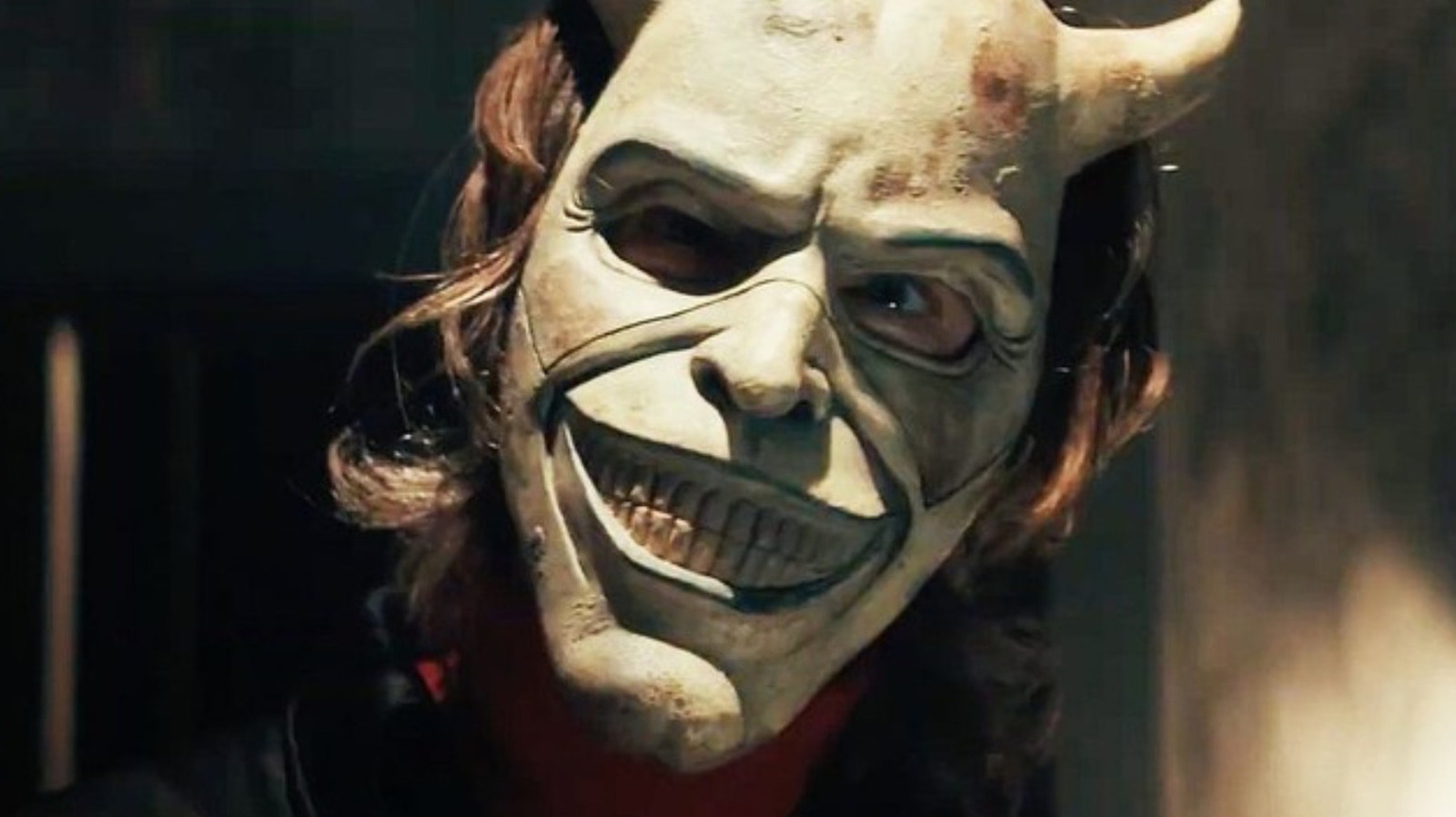
As the autumn leaves begin to fall and the days grow shorter, the cinematic world turns its collective gaze toward the shadows. For horror aficionados and casual viewers alike, the Halloween season is a sacred time for the ritual of the movie marathon. While the landscape of digital distribution is in a constant state of flux, Netflix remains a titan of the genre, curating a robust library that spans the history of terror—from the foundational black-and-white suspense of the 1960s to the visceral, high-concept original productions of today.
This guide explores ten essential horror films currently available on Netflix, selected for their cultural significance, atmospheric depth, and ability to keep audiences on the edge of their seats throughout the spooky season.
1. The Foundation of Suspense: Psycho (1960)
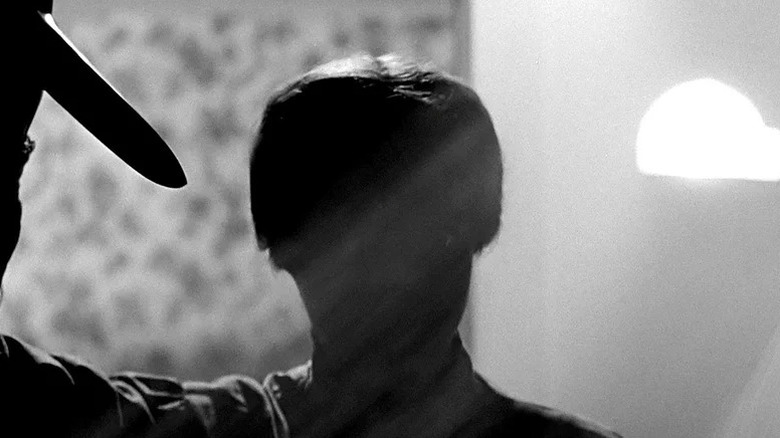
Few films have left as indelible a mark on the horror genre as Alfred Hitchcock’s Psycho. Serving as a proto-slasher that fundamentally altered the trajectory of cinema, the film remains a masterclass in tension. The narrative follows Marion Crane (Janet Leigh), a woman on the run who makes a fatal decision to seek refuge at the isolated Bates Motel. There, she encounters the soft-spoken yet profoundly disturbed Norman Bates (Anthony Perkins).
Chronology and Cultural Impact
Released over six decades ago, Psycho shattered conventions by killing off its protagonist early in the film, a narrative risk that shocked mid-century audiences. The shower sequence, accompanied by Bernard Herrmann’s screeching score, remains the most analyzed moment in film history. Beyond the original, Netflix’s current library includes Psycho II (1983), a sequel often cited by auteur Quentin Tarantino as a rare instance of a follow-up matching the psychological complexity of its predecessor. Watching the original today serves as a vital history lesson in how to craft dread without the reliance on modern digital effects.
2. The Gritty Slasher Archetype: The Texas Chain Saw Massacre (1974)
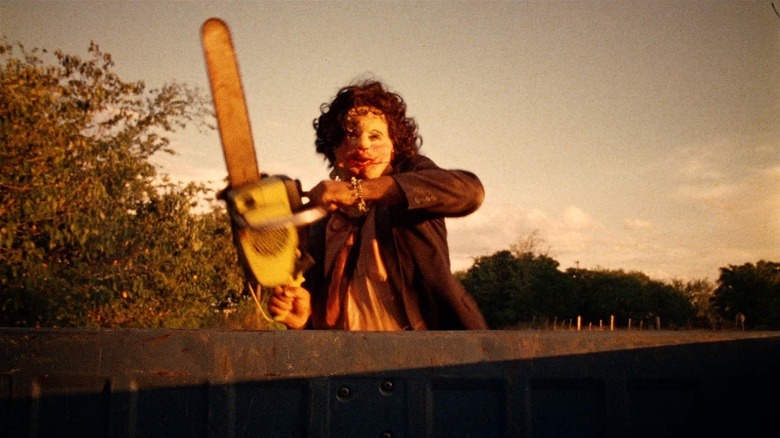
If Psycho invented the psychological thriller, Tobe Hooper’s The Texas Chain Saw Massacre codified the slasher sub-genre. Despite being over 50 years old, the film retains a raw, sun-baked brutality that contemporary horror films struggle to replicate. The premise is deceptively simple: a group of young travelers encounters a nightmare in the rural landscape of Texas, where they are hunted by the cannibalistic Sawyer family and their chainsaw-wielding enforcer, Leatherface.
Why It Remains Essential
The film’s effectiveness lies in its sensory assault. The humid, claustrophobic atmosphere is so palpable that viewers often feel as though they are experiencing the grime and heat alongside the victims. While many have tried to replicate its success through endless sequels and reboots, the 1974 original stands as the definitive version—a disturbing, gritty piece of cinema that focuses on the inescapable nature of its terror.
3. Sci-Fi Terror: Alien (1979)
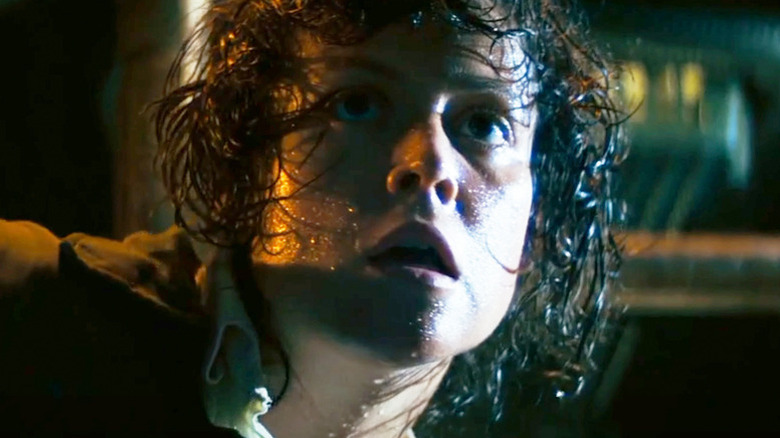
Ridley Scott’s Alien is the perfect bridge between science fiction and pure, unadulterated horror. When the crew of the space freighter Nostromo answers a distress signal from a remote exomoon, they inadvertently bring an apex predator—a xenomorph with acidic blood and an insatiable hunger—aboard their vessel.
Implications for the Genre
Scott intended Alien to be the antithesis of the optimistic space operas popular in the late 70s. By grounding the film in a blue-collar, dystopian reality, he created a claustrophobic environment where the crew is picked off with the calculated precision of a slasher killer. The result is one of the most effective sci-fi horror films ever produced, setting a standard for creature design and suspense that remains the gold standard for the industry.
4. Gothic Elegance: Bram Stoker’s Dracula (1992)
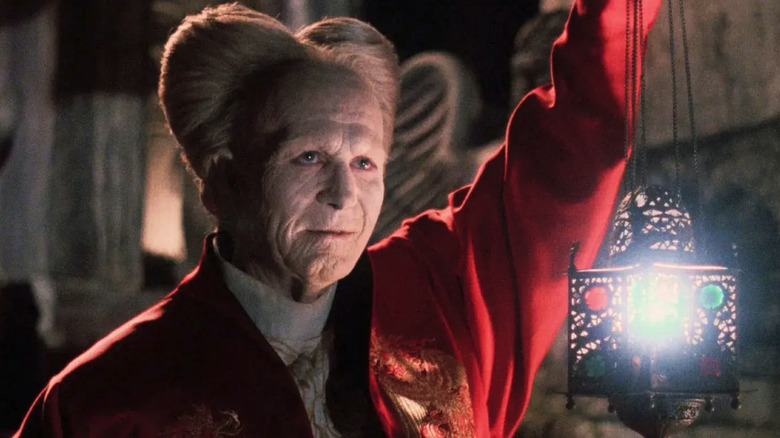
Francis Ford Coppola’s Bram Stoker’s Dracula serves as a grand, operatic take on the quintessential vampire myth. Eschewing the gritty realism of other entries on this list, this film embraces high-concept, gothic camp, relying heavily on practical effects to create a visually stunning experience.
Artistic Mastery
The film follows the traditional narrative of Jonathan Harker (Keanu Reeves) and his encounter with the ancient Count (Gary Oldman). However, it distinguishes itself through its opulent art design and a willingness to explore the sensual, dark romanticism of the source material. With a powerhouse performance by Anthony Hopkins as Van Helsing, the film manages to balance grand-scale drama with genuine, blood-soaked terror, making it an essential watch for those who appreciate the aesthetic side of the genre.
5. The Psychological Chiller: The Sixth Sense (1999)
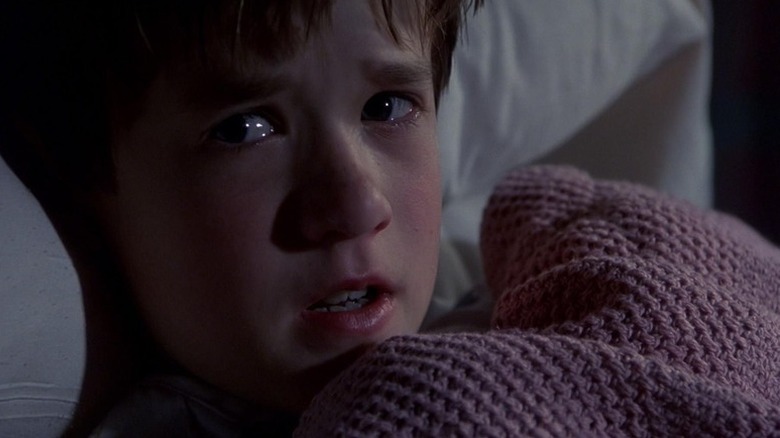
M. Night Shyamalan’s breakout feature, The Sixth Sense, redefined the supernatural thriller for a new generation. Bruce Willis delivers a restrained performance as Dr. Malcolm Crowe, a child psychologist attempting to help a young boy, Cole Sear (Haley Joel Osment), who claims to see dead people.
Supporting Data and Reception
While the film is colloquially remembered for its massive "twist" ending, its true strength lies in its emotional core. The terror is filtered through the eyes of a child, grounding the supernatural elements in genuine vulnerability. The cast famously believed they were making a drama rather than a horror film, a misconception that likely contributed to the film’s grounded, melancholic tone—a quality that has allowed it to endure long after its initial cultural phenomenon.
6. The Anatomy of Home Invasion: The Strangers (2008)
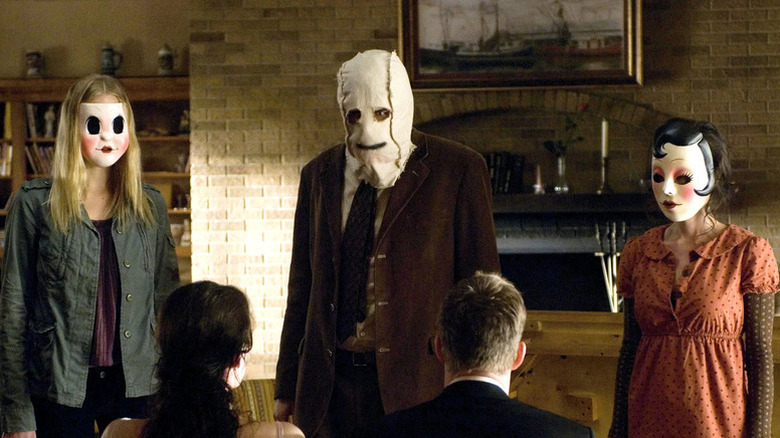
Few films are as effective at inducing pure anxiety as The Strangers. Based loosely on true events, the film depicts a couple (Liv Tyler and Scott Speedman) whose relationship is in tatters, only to have their weekend retreat interrupted by a trio of masked home invaders.
The Power of "Because"
What makes The Strangers uniquely terrifying is the lack of motive provided for the antagonists. When the victims ask, "Why are you doing this?", the answer—"Because you were home"—is chilling in its simplicity. This film avoids the tropes of slasher villains with supernatural powers, opting instead for a grounded, relentless depiction of vulnerability that lingers with the viewer long after the credits roll.
7. The Visceral Revival: Evil Dead (2013)
When Fede Álvarez took the reins for the 2013 Evil Dead revival, he had a clear goal: strip away the horror-comedy elements that had defined the later years of the franchise and return to the sadistic roots of the original.
A Masterclass in Practical Gore
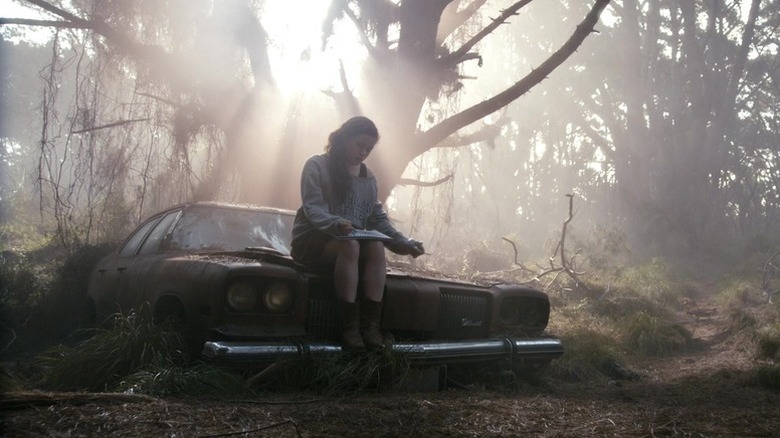
The film follows a group of friends attempting an intervention for an addict in a secluded cabin, only to accidentally unleash a demonic force via the Necronomicon. This entry is not for the faint of heart. Its reliance on practical gore and an unrelenting, mean-spirited tone makes it one of the most intense viewing experiences currently available on the platform. It serves as a stark reminder that sometimes, the most effective way to modernize a classic is to embrace the brutality that made it famous in the first place.
8. Nonlinear Dread: Oculus (2013)
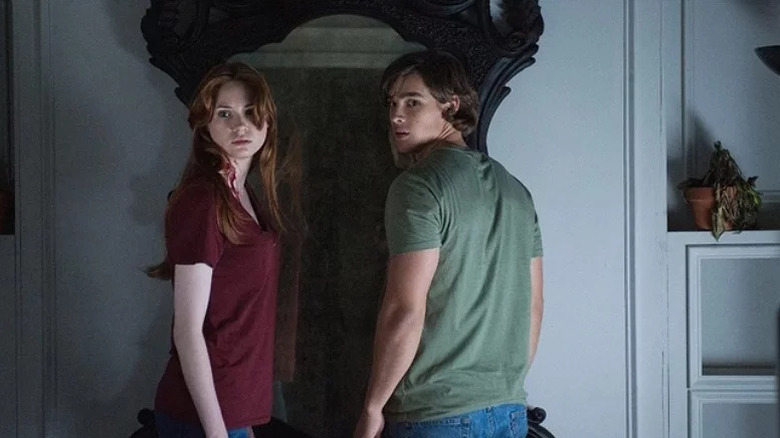
Before he was the master of modern horror television, Mike Flanagan directed Oculus, a film that highlights his obsession with nonlinear storytelling and familial trauma. The plot centers on an antique mirror that the protagonists, played by Karen Gillan and Brenton Thwaites, believe is responsible for the destruction of their family.
Implications of Perspective
Oculus excels by blurring the lines between reality and hallucination. As the characters investigate the mirror’s history, the film jumps between the past and the present, forcing the audience to question the reliability of the narrative. It is a brilliant example of how a singular, confined premise can be expanded into a complex, terrifying examination of grief and memory.
9. The Supernatural Serial Killer: The Black Phone (2021)
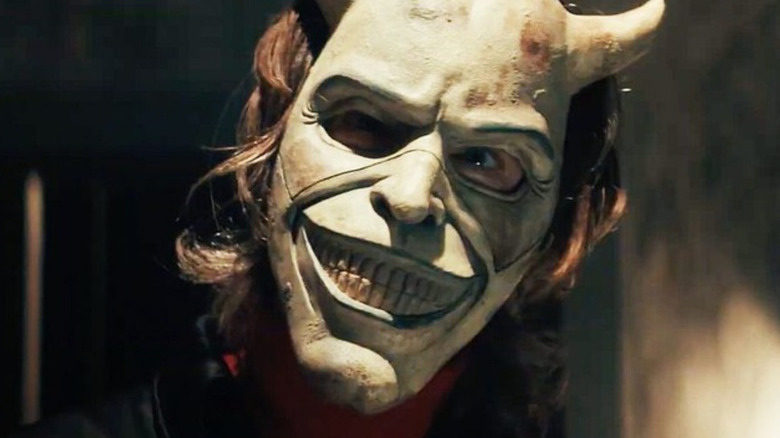
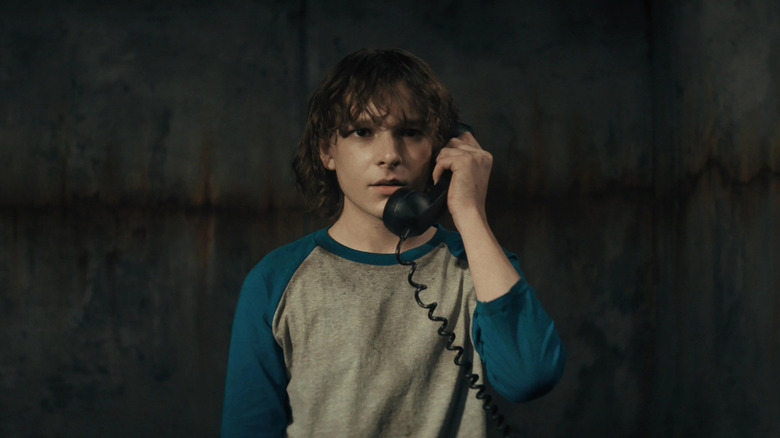
Scott Derrickson’s The Black Phone is a rare hybrid of the serial killer thriller and the ghost story. Set in the 1970s, the film follows a young boy kidnapped by a sadistic killer known as "The Grabber" (Ethan Hawke). Once locked in a soundproof basement, the boy begins receiving calls from the killer’s previous victims through a disconnected phone.
Timing and Execution
Derrickson utilizes his background in horror to balance the melancholic atmosphere of the ghost story with the high-tension suspense of a kidnapping thriller. Ethan Hawke’s unpredictable, mask-wearing performance adds a layer of genuine menace that elevates the material. With both the original film and its sequel now on Netflix, it provides a comprehensive double-feature experience for the Halloween season.
10. A Modern Masterpiece: Frankenstein (2025)
Guillermo del Toro’s 2025 adaptation of Frankenstein is arguably the crown jewel of Netflix’s original horror library. By leveraging a substantial budget to support his vision, del Toro delivers a visually sumptuous, emotionally resonant take on the Mary Shelley classic.
Official Vision and Artistic Direction
Starring Oscar Isaac as the obsessed Victor and Jacob Elordi as his tragic creation, the film is a masterclass in sympathy and horror. Del Toro focuses on the humanity of the "monster," forcing the audience to confront the question of who the true villain is in this legendary tale. Running at two and a half hours, it is an epic in every sense of the word, standing as a definitive work in the career of one of the greatest filmmakers of the 21st century.
Conclusion: Crafting Your Marathon
Whether you prefer the psychological tension of the 1960s, the grit of the 1970s, or the high-production value of modern horror, Netflix’s current library provides a comprehensive tour of the genre. From the claustrophobic corridors of the Nostromo to the mirror-filled rooms of Oculus, these ten films offer a variety of scares tailored for every type of viewer. As you prepare your watchlist for this Halloween, remember that the best horror is not just about the jump scares—it is about the atmosphere, the characters, and the lingering questions that stay with you long after the screen goes dark.
