
The Shadow of the King: Analyzing the Final Trailer and Early Reception for ‘Godzilla: Minus Zero’
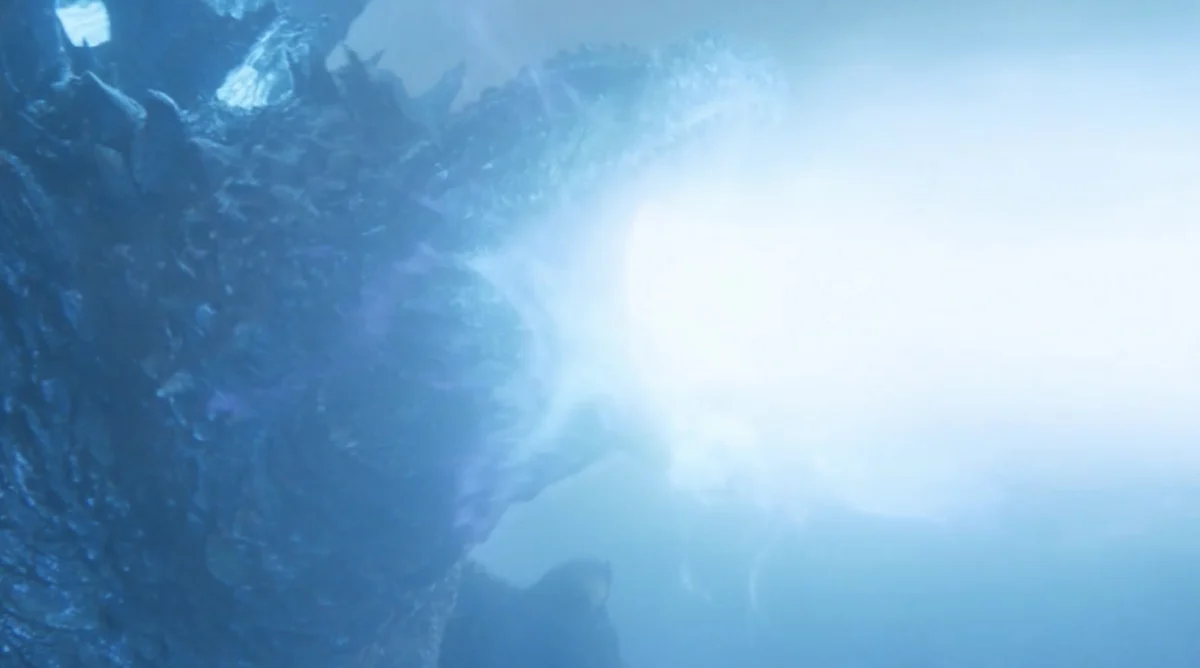
As the dust settles on New York Comic-Con, the cinematic landscape is bracing for a colossal return. It feels as though only yesterday the world was captivated by the visceral, post-war trauma of Godzilla Minus One. Yet, the calendar serves as a stark reminder: the sequel, Godzilla: Minus Zero, is merely weeks away. With Toho releasing the final trailer during the closing ceremonies of NYCC, anticipation has reached a fever pitch—though, for some, that anticipation is now tempered with a degree of critical uncertainty.
Main Facts: The Return of the Kaiju King
Godzilla: Minus Zero serves as the highly anticipated direct sequel to the 2023 Academy Award-winning Godzilla Minus One. Once again, the creative reins are held firmly by Takashi Yamazaki, who returns as director, screenwriter, and lead visual effects supervisor.
Set two years after the harrowing events of the predecessor, the film promises to explore the lingering scars of a nation still struggling to find its footing in the wake of total devastation. While the first film focused on the immediate, desperate survival of post-war Japan, Minus Zero looks to expand the scale of the conflict.
The film is slated for a staggered global rollout. Japanese audiences will be the first to witness the spectacle on November 3, 2026. For North American audiences, GKIDS has confirmed that early-access IMAX screenings will begin on November 3, followed by a wide, nationwide theatrical release on November 6, 2026. Tickets for these screenings are currently available for purchase.
Chronology: From Oscar Glory to Sequel Expectations
To understand the weight resting on Godzilla: Minus Zero, one must look at the meteoric trajectory of the franchise under Yamazaki’s direction.
- November 2023: Godzilla Minus One premieres, garnering universal acclaim for its grounded human story and stunning visual effects.
- March 2024: The film secures an Academy Award for Best Visual Effects, cementing its status as a landmark moment in kaiju cinema.
- Summer 2026: Toho confirms the title Godzilla: Minus Zero and teases a return to the post-war timeline.
- October 2026: The film is heavily featured at New York Comic-Con. The final trailer is unveiled, sparking a flurry of discussion among fans and critics alike.
- October 2026: Early critical reviews begin to circulate, revealing a more polarized reception than the near-unanimous praise afforded to the first installment.
Supporting Data: A Divided Critical Response
The discourse surrounding Godzilla: Minus Zero has taken an unexpected turn. While the initial teasers promised a continuation of the high-stakes drama that defined the first film, the latest trailer and early reviews have introduced a note of caution.
Rory Doherty, writing for Dread Central, has offered a 3/5 assessment of the film. While his review acknowledges the technical brilliance—praising the monster battles and the sheer ambition of the visual effects—it highlights potential pitfalls that could hinder the film’s overall impact. Doherty points to repetitive character arcs and a narrative pacing that, at times, feels sluggish.
This assessment is significant because the human element was precisely what elevated Godzilla Minus One above the standard monster-movie fare. If the sequel struggles to balance its human drama with its gargantuan spectacle, it risks alienating the audience that fell in love with the nuanced character work of the previous entry.

The Trailer: A Shift in Tone
The final trailer released at New York Comic-Con has been a point of contention among the fanbase. Unlike the visceral, terror-inducing previews of the first film, this trailer focuses heavily on the human perspective. It presents a world caught in a state of suspended animation, emphasizing dialogue and character tension over the physical presence of the King of the Monsters.
For some, this shift suggests a deeper, more philosophical film. For others, it lacks the immediate "punch" required to build momentum for a blockbuster opening. However, the trailer does conclude with a high-octane, terrifying sequence that serves as a reminder of why Godzilla remains the genre’s most formidable icon. This final act is expected to be a sensory powerhouse, particularly in premium formats like Dolby Cinema or IMAX, where the sound design and visual scale can be fully realized.
Official Responses and Creative Vision
Takashi Yamazaki has remained consistent in his messaging throughout the production process. He has emphasized that Minus Zero is not merely a "bigger" version of the first film, but a deeper exploration of the same themes. In various interviews, Yamazaki has expressed a desire to delve into the sociological impacts of Godzilla’s continued existence—how a society survives when the threat is no longer a "one-off" disaster, but a permanent, looming reality.
Toho’s marketing strategy has been equally deliberate. By leaning into the human-centric narrative in the final trailer, they are signaling to the audience that this is a character-driven sequel. Whether this strategy will pay off depends on whether audiences are willing to embrace a slower, more deliberate pace in exchange for deeper character exploration.
Implications for the Future of the Franchise
The implications of Godzilla: Minus Zero are significant for both Toho and the future of the Kaiju genre.
- Genre Expectations: The success of Godzilla Minus One changed the expectations for creature features. Audiences no longer accept "monster-mash" style films; they demand emotional resonance. If Minus Zero succeeds despite the lukewarm early reviews, it will prove that the franchise has a long, sustainable future as a prestige drama.
- The "Yamazaki Formula": The director has become synonymous with the modern iteration of the franchise. The performance of this film will likely determine whether Toho entrusts him with a larger, perhaps more experimental, third installment.
- Global Market Presence: With GKIDS handling the North American distribution, the focus on building a sustainable theatrical audience for Japanese-language films is paramount. A strong performance for Minus Zero would further validate the appetite for international genre cinema in domestic markets.
Conclusion: The Calm Before the Storm
As the November release dates loom, the cinematic community remains at a crossroads. The excitement for Godzilla: Minus Zero has not necessarily diminished, but it has certainly evolved into a more critical, scrutinizing anticipation.
The film faces the daunting task of following up a masterpiece. While the early assessments suggest that the sequel may be a more challenging watch than its predecessor, the potential for a grand, terrifying, and visually arresting experience remains high.
Whether the film ultimately justifies the weight of its legacy or falls victim to the "sequel trap," one thing is certain: come November, the world will be watching to see if Godzilla can once again leave us breathless. The final trailer may have been an exercise in restraint, but the film itself promises to be anything but. As the theater seats begin to rattle during those final, ominous sequences, the audience will finally learn if the subtraction of "One" from "Minus Zero" leads to a sum greater than its parts.
