
The Audacious Fever Dream: Revisiting Bruce Willis’ ‘The Return of Bruno’
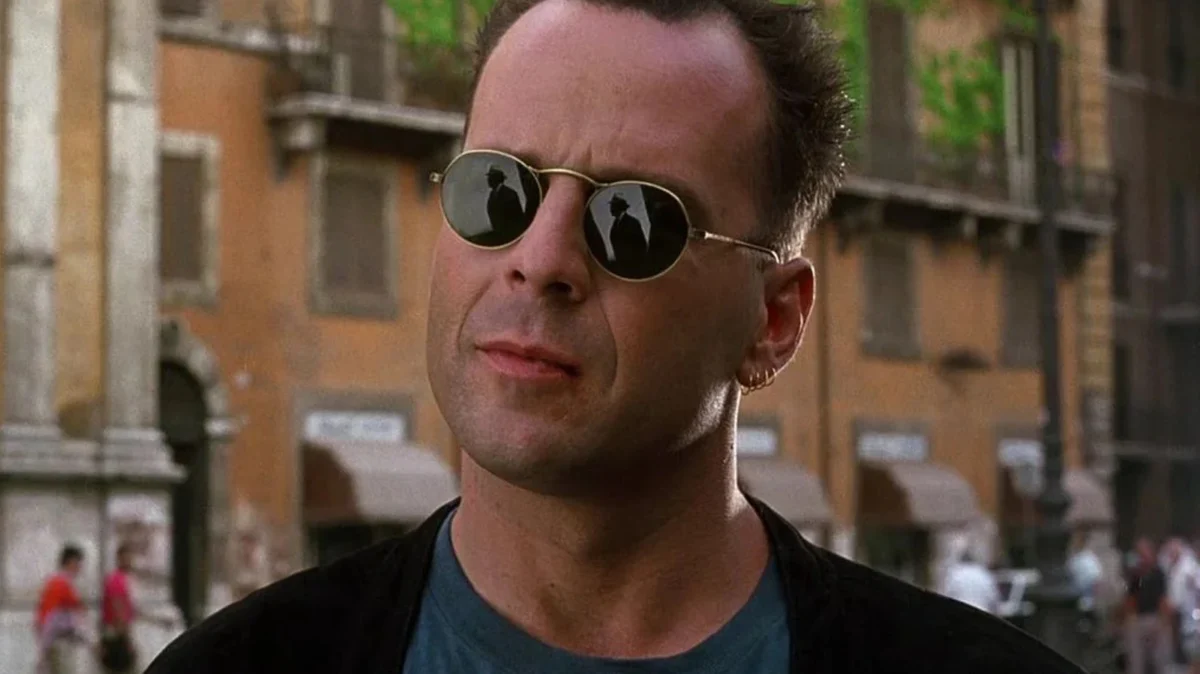
Before the world knew him as the gritty, undershirt-clad savior of Nakatomi Plaza or the reluctant action icon of the Die Hard franchise, Bruce Willis was a man with a harmonica and an identity crisis. In 1987, at the absolute peak of his Moonlighting fame—but before he had cemented his status as a cinematic powerhouse—Willis embarked on a project so strange, so ambitious, and so polarizing that it remains a fascinating relic of 1980s pop culture excess: The Return of Bruno.
A multimedia experiment that spanned a Motown-backed studio album and a bizarre, star-studded HBO mockumentary, The Return of Bruno serves as a time capsule of an era when celebrity clout could seemingly manifest anything into existence. While the project is often relegated to the bargain bins of musical history, it remains a testament to the audacious, ego-driven, and often inscrutable nature of Reagan-era entertainment.
The Genesis: A Star in Transition
To understand the absurdity of The Return of Bruno, one must contextualize the pop culture landscape of 1987. Bruce Willis was a household name thanks to the snappy, screwball chemistry of Moonlighting, but his transition to the big screen was still in its infancy. He had yet to become the global titan of the action genre.
In this interstitial space between television stardom and movie-star longevity, Willis decided to pivot toward his first love: music. Specifically, a gritty, blues-soaked R&B persona known as "Bruno Radolini."
The project was launched with immense institutional backing. Motown Records, a label synonymous with musical royalty, took a massive gamble on the actor. In December 1986, he released a cover of the Staples Singers’ "Respect Yourself." The single gained moderate traction, but the accompanying album, The Return of Bruno, was a collection of blues, soul, and R&B covers that left critics and audiences scratching their heads. Was this a genuine artistic endeavor, or was it the ultimate vanity project?
A Chronology of the Bruno Phenomenon
The timeline of this project is as chaotic as its premise. The release of the record served as the anchor for an even stranger promotional vehicle: an HBO television special of the same name.
- December 1986: The lead single, "Respect Yourself," is released, signaling Willis’ intent to enter the music industry.
- Early 1987: The full-length album The Return of Bruno hits record store shelves. It is met with widespread confusion. Fans of Moonlighting were baffled by the transition from wise-cracking private eye to gravelly-voiced bluesman.
- 1987 (HBO Airdate): The mockumentary special airs. It attempts to frame the album’s existence by creating a fictional history for the "Bruno" persona, drawing on the mockumentary tropes popularized by This is Spinal Tap.
- Late 1980s and Beyond: The project fades from mainstream relevance, eventually becoming a cult curio and a target for late-night comedy fodder.
- The Aftermath: Willis abandons the bluesman persona to pursue his destiny as an action star, leaving the Bruno project to drift into the ether of pop culture history.
The Mockumentary: An Elaborate Ruse
If the album was the "product," the HBO special was the "justification." The premise was simple yet profoundly absurd: Bruno Radolini was not merely a singer; he was the most influential musician in the history of rock and roll.
The special relied heavily on the "mockumentary" format, featuring a parade of genuine rock legends—including Ringo Starr, Elton John, Phil Collins, Brian Wilson, Grace Slick, and Jon Bon Jovi—who provided "testimonials" about the fictional Bruno. Ringo Starr, in a moment of unparalleled comedic commitment, suggested that the Beatles would never have existed without the influence of Bruno. Michael J. Fox, at the time a peer in the stratosphere of celebrity, appeared for an earnest and hilarious interview, claiming, "There’s about 20 of us" who truly understand the depth of Bruno’s work.
These cameos lent the project a veneer of legitimacy. It transformed the album from a mere vanity record into an inside joke shared between the elite of the entertainment industry. The irony, however, was that while the special was clearly poking fun at the very concept of a celebrity musician, the album itself—the core of the project—played the music completely straight.
Supporting Data: Critics and the Cultural Divide
The reception of The Return of Bruno was a masterclass in critical dissonance. People Magazine gave the special a B+, noting, "The special won’t make Willis a rock star, but it does add to his portfolio as an entertainer." However, the review also pointedly noted that when it came to the music itself, "Springsteen he ain’t."
Music critics were significantly harsher. Writing for AllMusic, Stephen Thomas Erlewine famously described the project as a testament to the "excesses of Reagan-era celebrity and baby-boomer nostalgia." The consensus was that the music lacked the conviction of the acts Willis was attempting to emulate, such as the Blues Brothers.
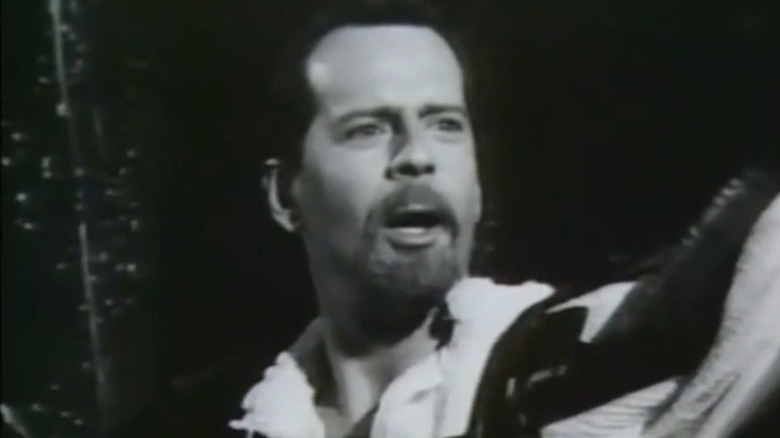
The album’s production was often described as "sweaty" and "overproduced"—a sonic manifestation of a man trying too hard to capture a grit that didn’t feel authentic to his background. The image of Willis, wearing a baseball cap pulled low and sunglasses, growling into a microphone while clutching a harmonica, became an indelible, if awkward, snapshot of 1980s "white boy blues."
Official Responses and the "Joke" Factor
There has been very little "official" commentary from Willis himself regarding the project in the decades since, though the project’s existence remains a point of curiosity for interviewers. The prevailing theory, shared by many who witnessed the era, is that the project was a mix of genuine artistic ambition and a massive, industry-wide wink.
Many of the celebrities who participated in the HBO special looked as though they were on the verge of laughter in every frame. It is highly probable that Willis pitched the project as a massive, star-studded prank, which explains the willingness of so many A-listers to participate. However, the disconnect remained: the public saw a man who wanted to be a singer, while the industry insiders were in on a joke that the public couldn’t quite hear.
Implications: The Legacy of Celebrity Excess
What does The Return of Bruno tell us about the 1980s? It represents a time before social media, where the distance between a star and their audience allowed for these kinds of "fever dream" projects to exist without immediate, crushing scrutiny.
The project also highlights the unique power of the "celebrity brand" in the late 20th century. Willis had the political capital to command the attention of Motown, the distribution power of HBO, and the participation of the most famous musicians on the planet. It was an era where the brand was more important than the product; the fact that the album was mediocre was secondary to the fact that it was Bruce Willis’ album.
Furthermore, the longevity of the project—which even saw a bizarre transition into an animated series, Bruno the Kid—proves that even unsuccessful, cringe-inducing projects leave a footprint. Today, The Return of Bruno is remembered as a cautionary tale of hubris, but it is also a reminder of a more experimental time. It was a project defined by its own audacity, a piece of entertainment that refused to be ignored, even if everyone wished it would have been.
Conclusion: A Curious Footnote
Ultimately, The Return of Bruno remains a fascinating, if flawed, document. It sits alongside other bizarre celebrity pivots—like Eddie Murphy’s How Could It Be or Don Johnson’s Heartbeat—as a reminder that stardom is a complex cocktail of talent, timing, and sometimes, a little bit of delusion.
While no streaming service currently hosts the special, the internet has ensured that the "Bruno" legacy survives in the form of grainy VHS rips and YouTube clips. For those who enjoy the "so bad it’s good" school of cinema, or for those interested in the sheer, unadulterated ego that defined the 1980s, the project is essential viewing. It remains a monument to a time when, if you were big enough, you could do anything—even if you probably shouldn’t have.
