
Beyond the Blockbuster: Christopher Nolan’s Cinematic Reverence for ‘Koyaanisqatsi’
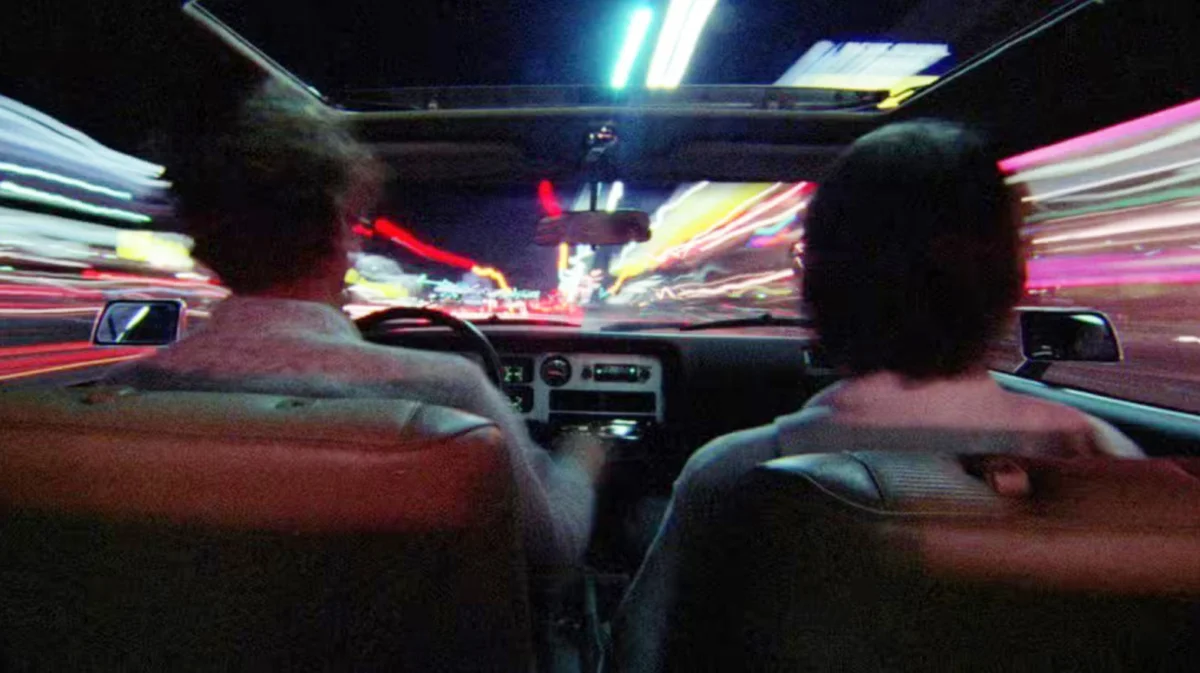
In the rarefied air of contemporary Hollywood, few directors command the cultural authority of Christopher Nolan. With a filmography defined by high-concept blockbusters—ranging from the intricate dream-heists of Inception to the atomic anxieties of Oppenheimer—Nolan has cemented his status as a visionary of modern spectacle. Yet, even a filmmaker of his stature finds inspiration in the avant-garde. In a recent visit to the legendary Criterion Closet, a pilgrimage for any true cinephile, Nolan revealed that his cinematic palate extends far beyond the traditional narrative structures he is known for, offering high praise for Godfrey Reggio’s 1982 masterpiece, Koyaanisqatsi.
The Criterion Closet: A Peek into a Director’s Library
The Criterion Collection, famous for its meticulous restoration and preservation of global cinema, frequently invites industry luminaries to its New York headquarters to "raid" its library. When Nolan stepped into the hallowed aisles, he brought more than just curiosity; he brought a discerning eye. While he made headlines for his selections of classic crime thrillers like Don Siegel’s The Killers and the gritty, fractured masculinity of David Lynch’s Lost Highway, it was his inclusion of the Qatsi trilogy that signaled a deeper philosophical interest.
Nolan’s selections were eclectic, spanning decades and continents. He walked away with the John Cassavetes box set, Spike Lee’s Malcolm X, and Satyajit Ray’s Apu Trilogy. However, when he held up the Qatsi box set, he paused to characterize the first entry, Koyaanisqatsi, as "one of the great pieces of pure cinema." This designation is not merely a compliment; it is a recognition of a specific, radical approach to filmmaking that strips away the crutches of plot, dialogue, and character to focus solely on the emotive power of image and sound.
Defining ‘Pure Cinema’: A Chronology of the Avant-Garde
To understand why Nolan—a master of dense, complex screenplays—would be so enamored with a film that contains zero lines of dialogue, one must understand the history of "pure cinema."
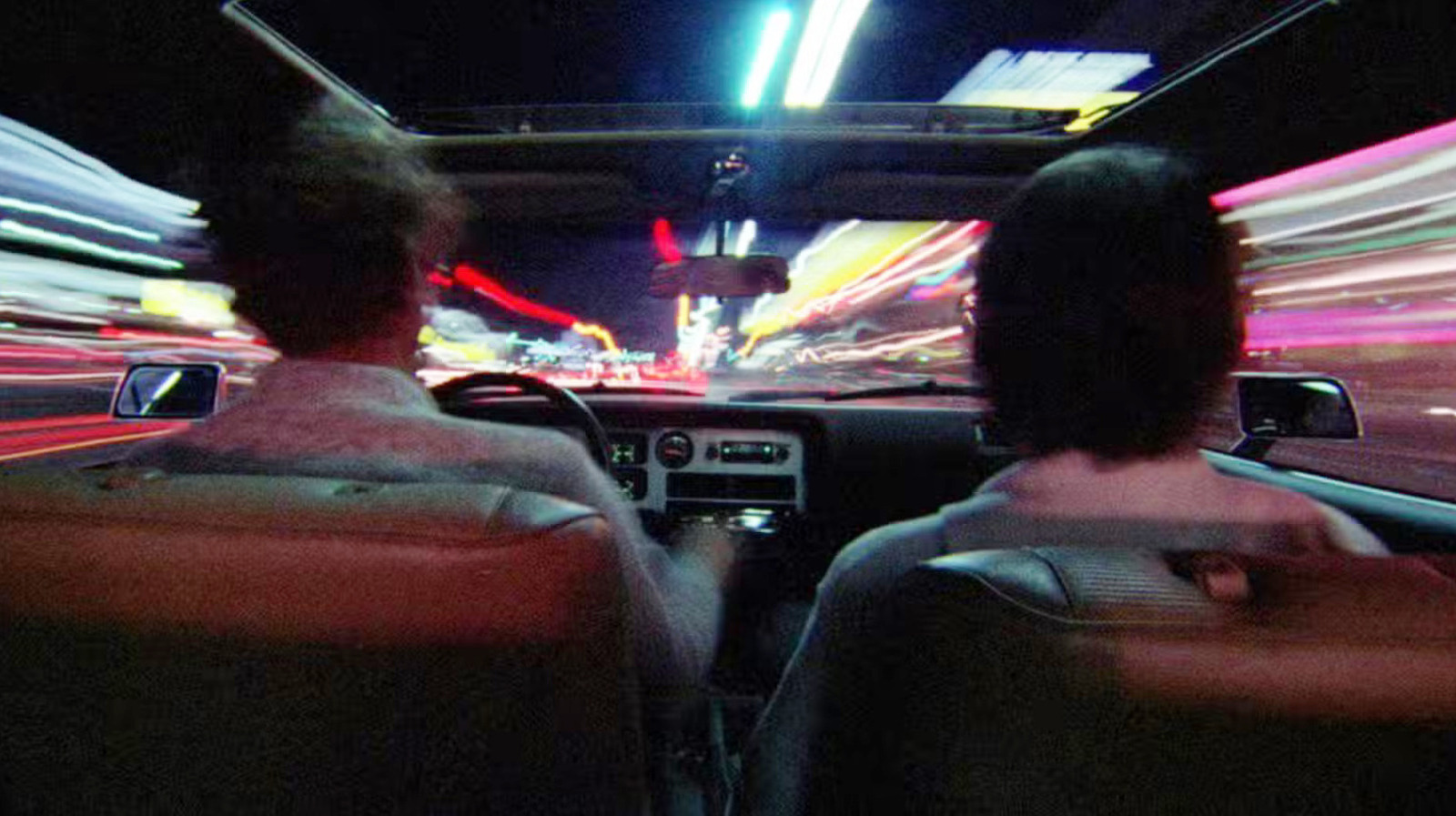
The concept originated in the early 20th century, emerging from the experiments of French surrealists and avant-garde filmmakers who sought to liberate the medium from the theater and the novel. The goal was to harness the unique properties of the camera—rhythm, juxtaposition, and motion—to create a visual language that transcended the literal.
Dziga Vertov’s 1929 landmark Man with a Movie Camera is often cited as the definitive precursor to this movement. By documenting a day in the life of Soviet cities through a lens of extreme editing, double exposures, and speed manipulation, Vertov proved that film could "think" without the need for a protagonist. Godfrey Reggio’s Koyaanisqatsi (1982) brought this ethos into the modern era. By utilizing time-lapse photography, slow motion, and a haunting, minimalist score by Philip Glass, Reggio created a documentary that functioned less as a report and more as a sensory experience.
The ‘Qatsi’ Trilogy: A Structural Analysis of Modernity
The term "Koyaanisqatsi" is derived from the Hopi language, translating roughly to "life out of balance." The film serves as a 86-minute visual essay, moving from the pristine, untouched beauty of the natural world to the frantic, mechanized pulse of urban life. It offers no narration, no traditional structure, and no moralizing captions. Instead, it invites the viewer to witness the catastrophic encroachment of human technology upon the environment.
The Evolution of the Trilogy:
- Koyaanisqatsi (1982): The original entry focuses on the tension between the organic and the synthetic. It is characterized by its juxtaposition of slow-motion ocean tides against the rapid-fire blur of city traffic.
- Powaqqatsi (1988): Moving from the balance of nature to "life in transition," this second installment examines the impact of industrialization on developing nations. It shifts the focus from global landscapes to the human face, documenting the labor and traditions of people in the Global South before the inevitable onset of globalization.
- Naqoyqatsi (2002): The final piece of the puzzle, translating to "life as war," is perhaps the most difficult. Released in the wake of 9/11, the film abandons the physical world entirely for a digital landscape. It explores how modern society has replaced human connection with information warfare, currency, and numerical abstraction.
Supporting Data: Why Reggio’s Work Still Matters
The enduring legacy of the Qatsi trilogy is evidenced by its preservation in the Criterion Collection, which serves as a repository for the most influential works in history. The technical achievement of these films is staggering, particularly given the limitations of 1980s film technology. Reggio and cinematographer Ron Fricke utilized high-speed cameras and early time-lapse techniques to capture phenomena that the human eye typically cannot perceive.
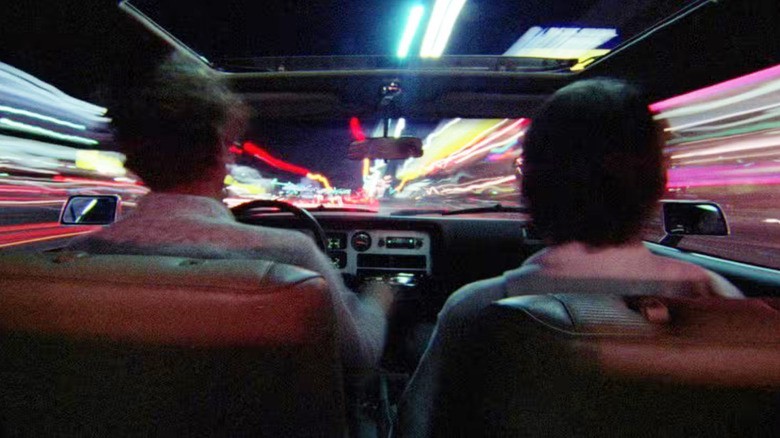
When Nolan notes the "purity" of these works, he is likely referring to the directness of their impact. In a world where blockbusters rely on heavy exposition and constant verbal explanation, Reggio’s films trust the audience to synthesize meaning from pure visual data. It is a form of communication that is fundamentally honest, bypassing the intellect to strike directly at the viewer’s emotional core.
Implications for Modern Filmmaking
Christopher Nolan’s endorsement of Koyaanisqatsi serves as a poignant reminder of the symbiotic relationship between blockbuster spectacle and experimental art. While Nolan’s own films—such as Interstellar or Tenet—are deeply narrative-driven, they share a common thread with Reggio’s work: an obsession with the mechanics of time, the scale of human existence, and the fragility of our environment.
By highlighting Koyaanisqatsi, Nolan challenges the modern filmgoer to reconsider what "cinema" can be. He implies that the highest form of the medium is not necessarily the one with the biggest explosion or the most complex twist, but the one that best utilizes the unique capabilities of the camera to reveal a truth that words simply cannot express.
Official Perspectives and Critical Reception
Critics have long debated whether Koyaanisqatsi should be classified as a documentary. While it lacks the journalistic rigor of a traditional film, it is undeniably a document of the late 20th century. Its lack of narration is its greatest strength, as it allows the film to remain relevant decades later; it does not date itself with the political jargon or scientific consensus of 1982. Instead, it remains a timeless, universal meditation on the trajectory of civilization.
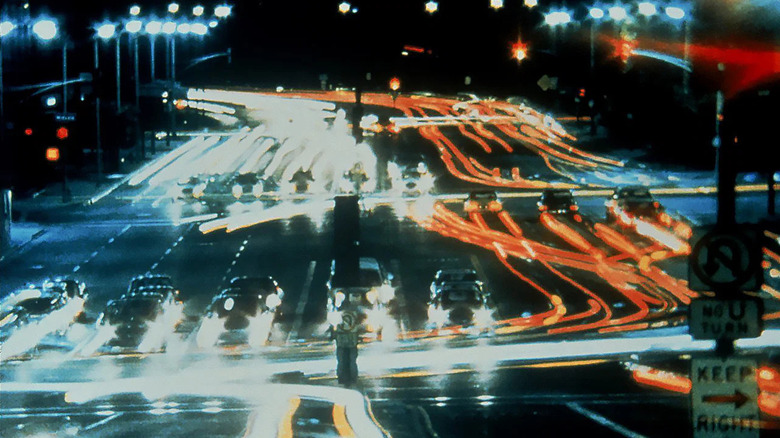
Godfrey Reggio, now in his late 80s, has continued his exploration of the human condition with films like 2013’s Visitors. Much like the Qatsi films, Visitors strips away the noise of modern life to focus on the "human visage," confirming that for Reggio, the face is the final landscape.
Conclusion: The Persistence of Vision
Christopher Nolan’s inclusion of the Qatsi trilogy in his Criterion haul is a testament to the filmmaker’s intellectual curiosity. In an industry that often incentivizes the familiar and the repetitive, Nolan continues to look backward toward the avant-garde to inform his forward-looking blockbusters.
For the average viewer, the lesson is clear: if you wish to understand the DNA of modern cinema, you must go beyond the multiplex. You must venture into the "pure cinema" of the 1980s, where the only thing between the audience and the truth is a frame of film and the heartbeat of a score. Koyaanisqatsi remains a vital, harrowing, and essential piece of art, proving that even as the world continues to spiral out of balance, the power of a single, well-composed image remains our most potent tool for understanding who we are and where we are going.
