
From Leading Man to Auteur: Ranking the Directorial Filmography of Ben Affleck
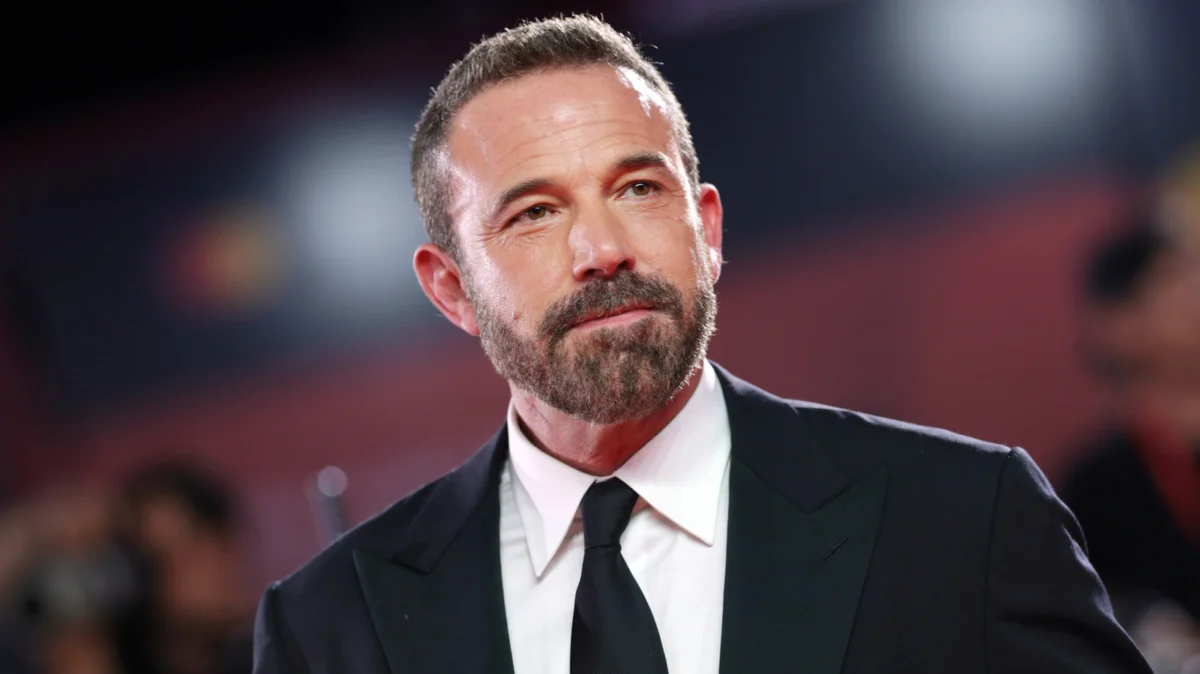
Ben Affleck’s career trajectory is one of the most compelling narratives in modern Hollywood. Having emerged from the late-90s "pretty boy" archetype and weathered the tabloid-heavy scrutiny of the early 2000s, Affleck successfully orchestrated a pivot that few of his contemporaries managed. By stepping behind the camera, he shifted the public conversation from his personal life to his prowess as a filmmaker.
Following the release of his sixth directorial feature, Animals (2026), it is an opportune moment to analyze the evolution of his craft. Affleck has proven himself to be a master of the Boston-centric crime thriller, a student of the heist genre, and an occasional explorer of corporate myth-making. Below, we rank his six feature films, exploring the highs and lows of a director who has become a steady, if occasionally polarizing, hand in the industry.
1. The Genesis of an Auteur: A Chronological Overview
Affleck’s journey as a director began in 2007, a period when his acting reputation was arguably at its nadir. Gone Baby Gone did more than just introduce a new filmmaker; it fundamentally altered the perception of Affleck himself. By opting to direct rather than star in his debut, he established a level of artistic distance that allowed him to focus on narrative cohesion and atmospheric tension.
This was followed by The Town (2010), which solidified his ability to blend high-stakes action with regional authenticity. His third feature, Argo (2012), saw him reach the summit of industry recognition, winning the Academy Award for Best Picture. After a brief hiatus from the director’s chair, he returned with the ambitious Live by Night (2016), the sports-marketing drama Air (2023), and his latest project, the political thriller Animals (2026).
2. The Rankings: Analyzing the Body of Work
6. Live by Night (2016)
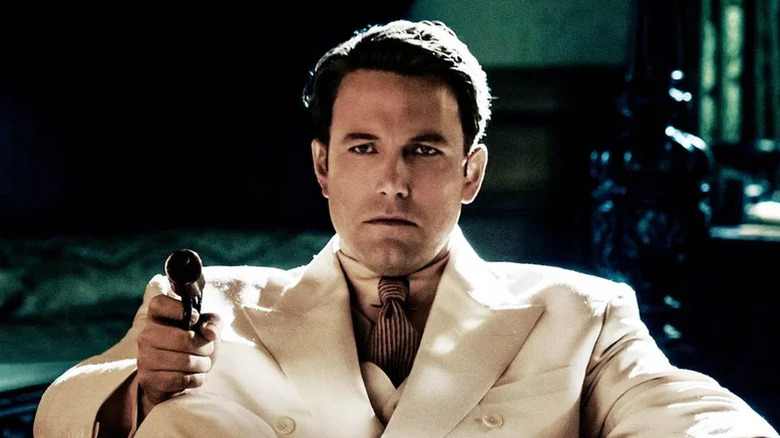
If Gone Baby Gone was the breakthrough, Live by Night was the stumble. Adapting the second book in Dennis Lehane’s Coughlin trilogy, the film attempted to emulate the sprawling, epic scope of The Godfather. Set in the Prohibition era, the film follows Joe Coughlin (Affleck) as he rises from a Boston bank robber to a Florida rum-running kingpin.
Despite a visual masterclass from cinematographer Robert Richardson, the film suffers from significant pacing issues. Affleck’s decision to cast himself as a young, rebellious firebrand—a role better suited for an actor a decade younger—creates a jarring disconnect. The film feels like a two-hour edit of a four-hour epic, leaving the audience with an experience that is aesthetically gorgeous but narratively hollow.
5. Animals (2026)
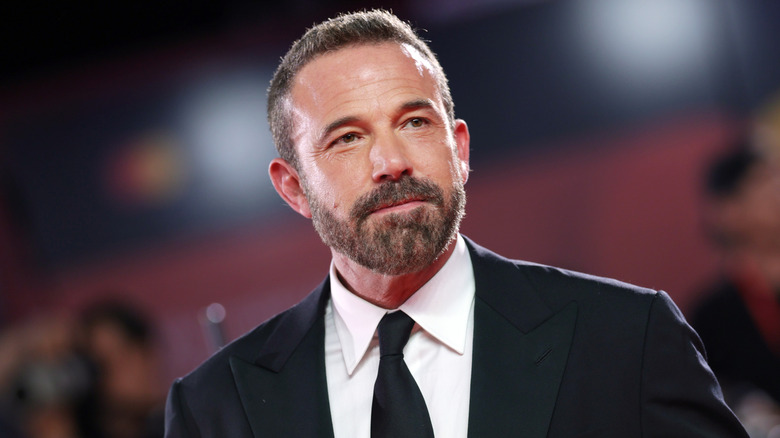
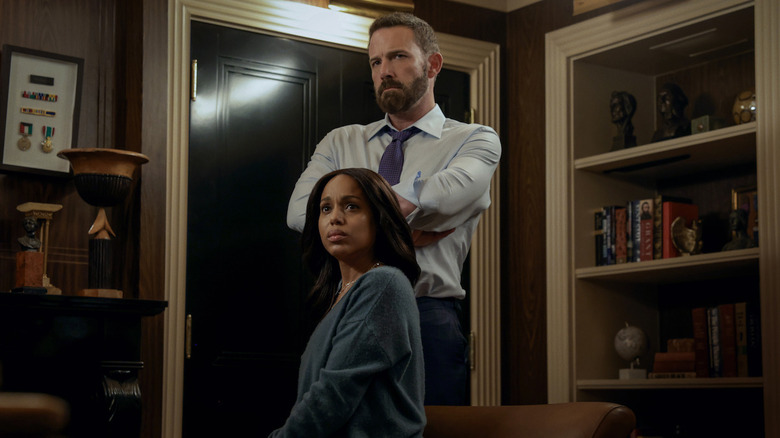
Affleck’s most recent effort is a stark reminder that prestige-aspirant projects do not always hit the mark. Animals tells the story of Mark Kimball, a lawyer and mayoral candidate whose son is kidnapped just as he has liquidated his campaign funds for a $7 million ransom.
The film has drawn criticism for its reliance on generative AI in its production process, a choice that left a sour taste with many critics before the film even premiered. While the chemistry between Affleck and Kerry Washington (who plays his wife, Abigail) offers genuine emotional stakes, the film’s commentary on political machinations feels derivative. As noted by critics, Animals suffers from being a "Netflix movie" in the most unflattering sense—glossy, efficient, but ultimately forgettable.
4. Air (2023)
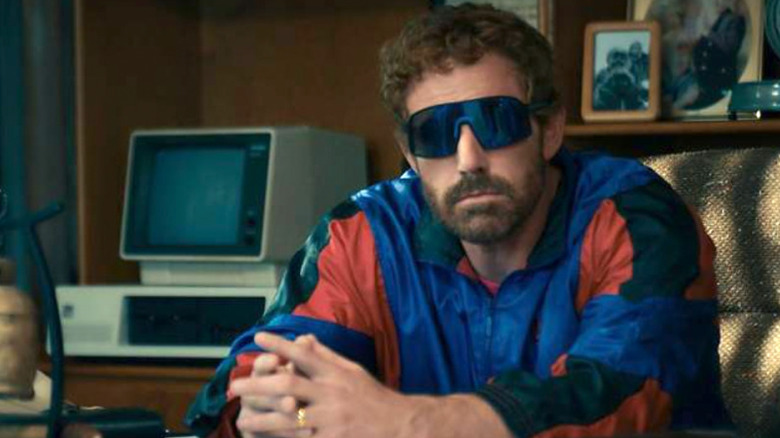
Air represents a departure for Affleck, trading the grit of Boston for the boardrooms of 1980s Oregon. The film chronicles the high-stakes negotiation between Nike and a young Michael Jordan. It is arguably his most "fun" film, functioning as a polished, fast-paced corporate comedy.
Produced by Artists Equity—the production company Affleck co-founded with Matt Damon—Air serves as a meta-commentary on talent equity in Hollywood. While it is an undeniably effective crowd-pleaser, it is hampered by its own corporate myth-making. By portraying a multi-billion dollar company as the "underdog," the film asks the audience to suspend disbelief in a way that occasionally rings hollow.
3. Argo (2012)
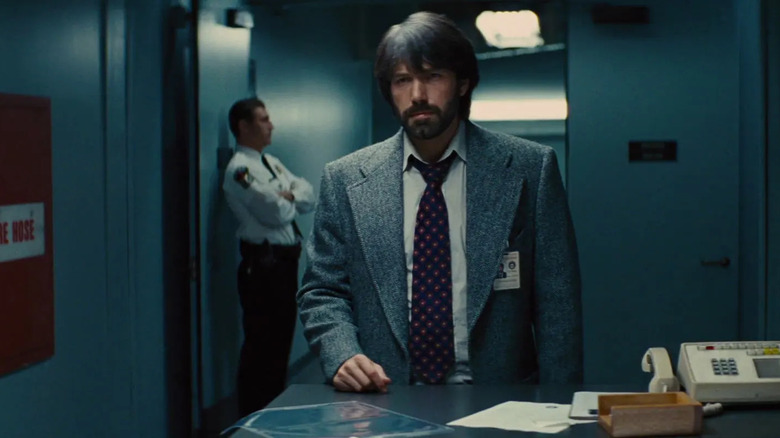
Argo is the film that cemented Affleck’s place in the pantheon of Hollywood directors. Detailing the true story of the 1979 Iranian hostage crisis and the CIA’s "caper" to rescue six Americans by posing as a science fiction film crew, Argo is a masterclass in tension.
The film relies heavily on a brilliant supporting cast, specifically John Goodman and Alan Arkin, whose banter provides a necessary levity to the harrowing geopolitical backdrop. While Argo has been criticized for its historical inaccuracies—specifically regarding the Canadian government’s role—it succeeds as a piece of pure entertainment. Affleck understands the mechanics of the "ticking clock" better than most, and Argo remains his most polished, commercially successful endeavor.
2. The Town (2010)
For many, The Town is the definitive Ben Affleck film. It is a love letter to the working-class neighborhoods of Boston, balancing visceral action with a complex, internal moral struggle. The narrative, centering on a bank robber (Affleck) who falls for a woman (Rebecca Hall) he once held hostage, is tight, brutal, and emotionally resonant.
The film is bolstered by an incredible ensemble, including Jeremy Renner, who provides a terrifyingly authentic portrayal of a career criminal. The action sequences, particularly the nun-masked heist, are expertly choreographed. While the theatrical cut leans into a somewhat conventional ending, the film remains a quintessential crime drama.
1. Gone Baby Gone (2007)
It is rare for a director to peak with their first film, but Gone Baby Gone remains a towering achievement in modern crime cinema. Eschewing the director-as-lead trope, Affleck allowed his brother, Casey Affleck, to carry the heavy lifting of the narrative.
The film’s central moral dilemma—the kidnapping of a child and the subsequent discovery that she might be better off with her captors than her neglectful mother—is handled with surgical precision. It does not offer easy answers, nor does it provide a tidy moral resolution. It is gritty, uncompromising, and deeply intelligent. It remains the gold standard of Affleck’s filmography, proving that he understood the weight of human consequence long before he had the industry cachet to command massive budgets.
3. Implications and Future Outlook
The trajectory of Ben Affleck’s directing career reveals a filmmaker who is comfortable within the confines of genre but occasionally struggles when he attempts to expand into grander, more "important" narratives. His strength lies in the specificity of his settings and the depth of his casting. Whether he is working in the streets of Charleston or the sterile offices of Nike, he possesses an eye for the human element within complex systems.
However, the mixed reception of Animals suggests a need for a return to form. The integration of experimental technology like AI, coupled with a script that lacks the grounded realism of his early works, highlights the risks of moving too far away from the "boots-on-the-ground" storytelling that made his initial projects so successful.
As he moves forward, the industry will be watching to see if Affleck continues to favor the high-gloss production values of his recent years or if he returns to the character-driven, morally ambiguous territory of his masterpiece, Gone Baby Gone. Regardless of the path, Affleck has successfully shed his early-career labels, proving that he is, at his core, a student of the craft who is capable of both profound artistic success and lessons-learned failure.
