
Breaking the Mold: How Fire Country Season 5’s Singular Focus is Rescuing CBS’s Hit Drama from Narrative Overcrowding
By Cher Thompson
Published October 11, 2026
Throughout its blockbuster run on CBS, Fire Country has never faced a shortage of high-octane drama. From catastrophic wildfires threatening to wipe out the fictional Northern California community of Edgewater to complex personal crises and interpersonal betrayals, the series has long relied on a volatile mix of emergency storytelling and serialized melodrama.
However, after navigating several seasons plagued by narrative bloat, disjointed subplots, and an overcrowded canvas of characters, the hit procedural is staging a major course correction. With the premiere of Fire Country Season 5, the creative team has consciously abandoned past structural missteps—most notably, the tendency to stack multiple, rushed crises into a single 42-minute window—in favor of a tightly wound, singular disaster narrative.
The result is a revitalized premiere that proves Fire Country is at its absolute best when it narrows its lens, letting its characters breathe against the backdrop of a single, monumental catastrophe.
Main Facts: The Season 5 Premiere and the Founder’s Day Sinkhole
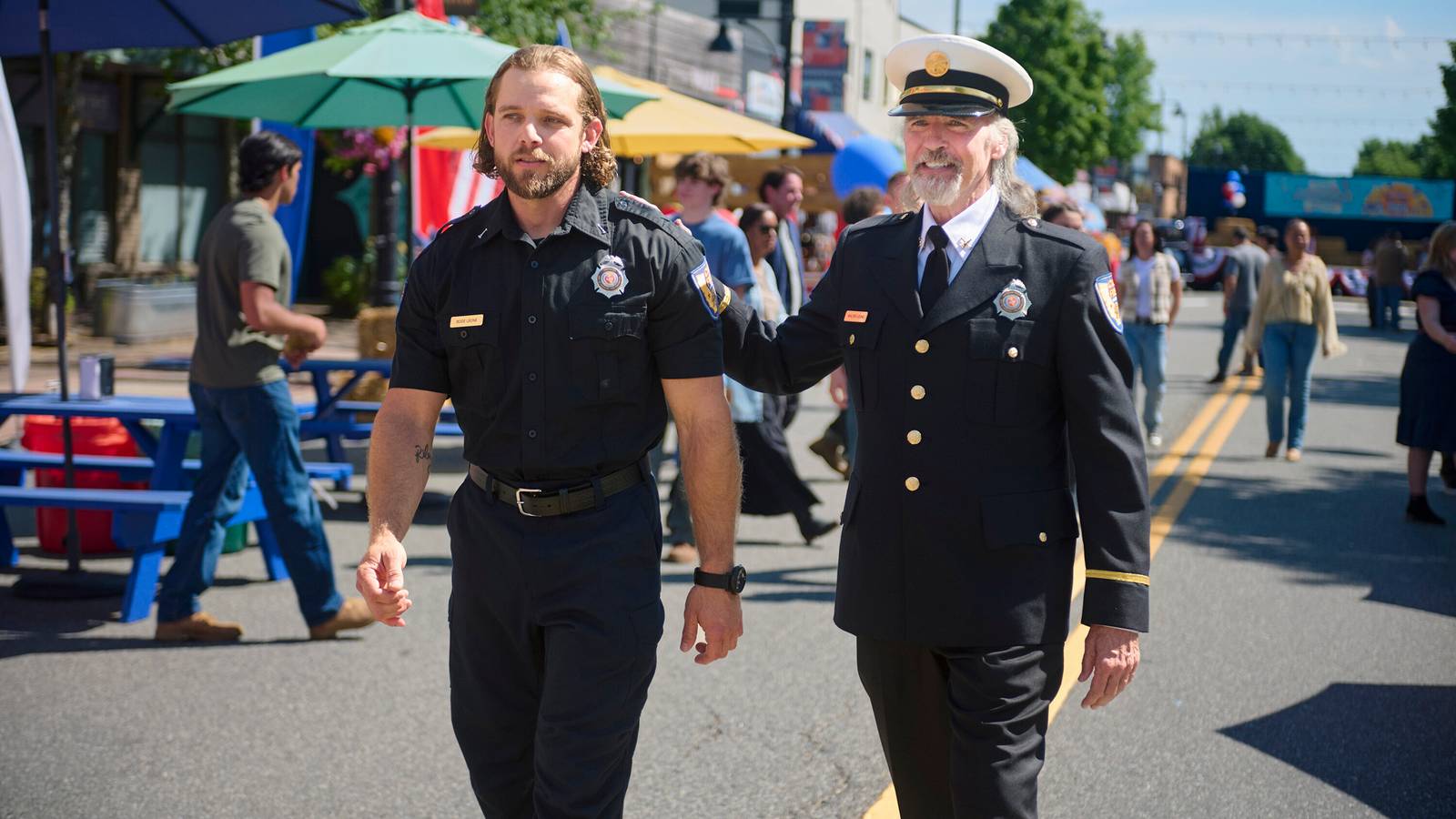
The headline event of the Fire Country Season 5 opener—directed and shaped under the collaborative vision of showrunners Tia Napolitano and Eric Guggenheim—is as terrifying as it is structurally unifying. During Edgewater’s annual Founder’s Day celebration, the earth literally gives way beneath the community, opening a massive sinkhole that swallows townspeople, landmarks, and unsuspecting festival-goers alike.
Key developments shaping the landscape of Season 5 include:
- The Central Emergency: Rather than bouncing between three or four minor emergencies, the entire first-act narrative smoothly funnels the ensemble cast into a single, high-stakes rescue operation centered around the Founder’s Day disaster.
- Geographical Expansion: The premiere hints that Station 42 and its crew are now covering a significantly wider territory, stretching thin across regional lines without adequate infrastructural support.
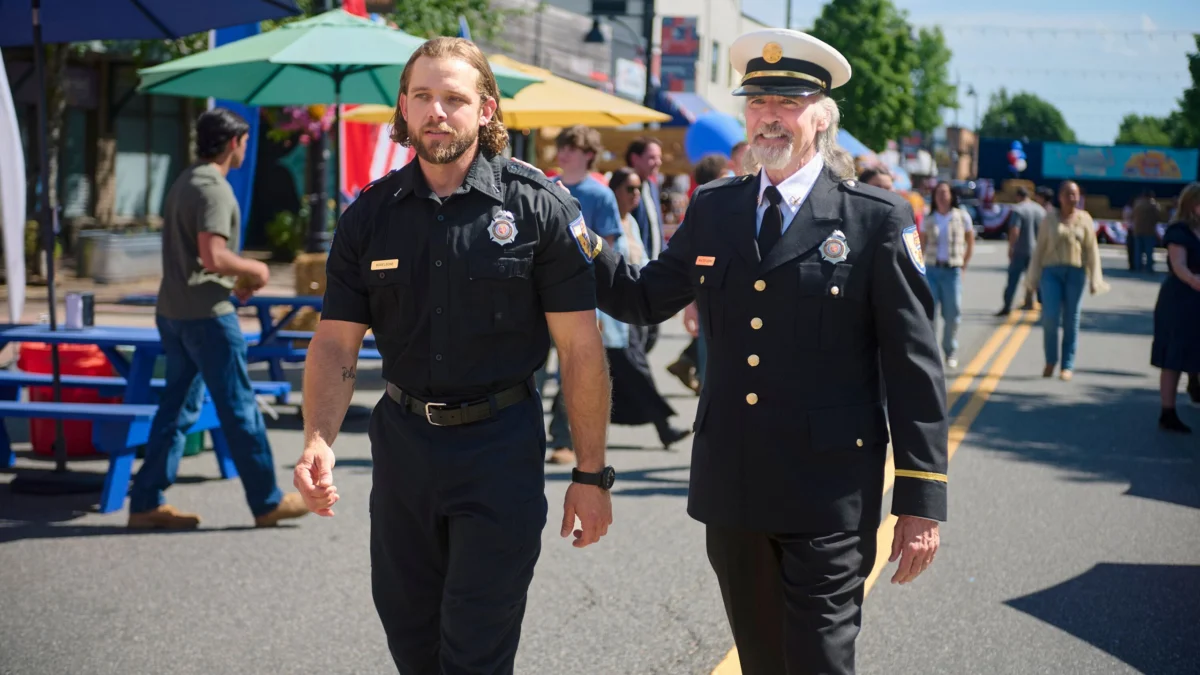
- Character Dynamics: Bode Leone (Max Thieriot) enters the season carrying the weight of off-screen demotions and expanded duties, alongside moments shared with his grandfather, Walter Leone (Jeff Fahey), before chaos breaks loose.
- Structural Pivot: By leaning into one major disaster early in the episode, the show creates a unifying narrative gravity, allowing smaller character threads to naturally intersect rather than violently clash.
Chronology: From Off-Screen Strain to On-Screen Chaos
1. Pre-Premiere Realities and Inter-Season Shifts
In the months leading up to the Season 5 premiere, viewers were left to speculate on the fallout of previous seasonal arcs. The opening moments of the episode efficiently establish a shifting status quo in Edgewater. Bode and the rest of the fire department are immediately framed as overworked and under-resourced, feeling the systemic strain of expanding their jurisdiction beyond the immediate town limits.
Despite these ominous teases about structural changes within the department, the exposition is handled with relative brevity. Bode manages to connect with his grandfather, Walter Leone, setting up an emotional baseline just before the town gathers to celebrate its heritage.

2. The Disaster Strikes
The narrative trigger occurs surprisingly early in the episode’s first act. Just as the Founder’s Day festivities are hitting their stride, the ground violently cracks open, creating a sinkhole that plunges residents into peril.
By pulling the trigger on this disaster early, the writers avoid the slow-burn fatigue that bogged down episodes in previous seasons. The sudden catastrophe instantly transforms a community gathering into a desperate, claustrophobic rescue mission.
3. Station 42 Reconfigures Under Pressure
As panic sets in, Station 42’s personnel are forced to reconfigure on the fly. Because every single narrative thread introduced in the episode’s opening minutes eventually funnels toward the sinkhole, the characters’ personal disputes—whether professional friction, romantic tension, or family baggage—are subordinated to the immediate, life-or-death crisis. This structural discipline allows characters to work together seamlessly, highlighting their core personalities rather than burying them under mountains of exposition.
Supporting Data & Production Overview
To understand why Season 5’s pivot works so effectively, it is helpful to look at the series’ architectural blueprint since its inception on October 7, 2022.

- Network: CBS
- Creators / Showrunners: Tia Napolitano, Eric Guggenheim
- Primary Cast Anchor: Max Thieriot (Bode Leone), alongside a rotating, expansive ensemble of recurring guest stars and directors including Kevin Alejandro, Sarah Wayne Callies, and Dermott Downs.
- Thematic Core: A blend of the criminal justice penal-colony fire program (Three Rock) and traditional municipal firefighting, focusing on redemption, family ties, and small-town politics.
Historically, Fire Country has experimented with two distinct pacing models:
- The Multi-Emergency Model: Pepperin’ in several quick-turnaround calls per episode. While dynamic, this often led to emotional whiplash, leaving character arcs feeling rushed and secondary plots underdeveloped.
- The Event-Driven Model: Focusing 80% to 90% of an episode’s runtime on a singular, high-magnitude disaster (such as major wildfires or structural collapses).
Data from fan engagement and critical reviews consistently points to the latter model as the show’s creative high-water mark. When Fire Country commits to a singular narrative mountain, the writing room is forced to weave individual character motivations directly into the stakes of the physical rescue, yielding richer, more resonant television.
Official Responses and Creative Vision
While CBS and the show’s executive producers have kept specific details about the broader arc of Season 5 under wraps, recent commentary surrounding the creative direction emphasizes a conscious effort to refine the show’s pacing.
Showrunner Eric Guggenheim and executive producer Max Thieriot have frequently discussed the logistical hurdles of balancing serialized character growth with procedural emergencies. In past seasons, the desire to service every character in every episode created an overcrowded atmosphere in Edgewater, making the town feel simultaneously overpopulated with drama yet emotionally hollow in its resolutions.
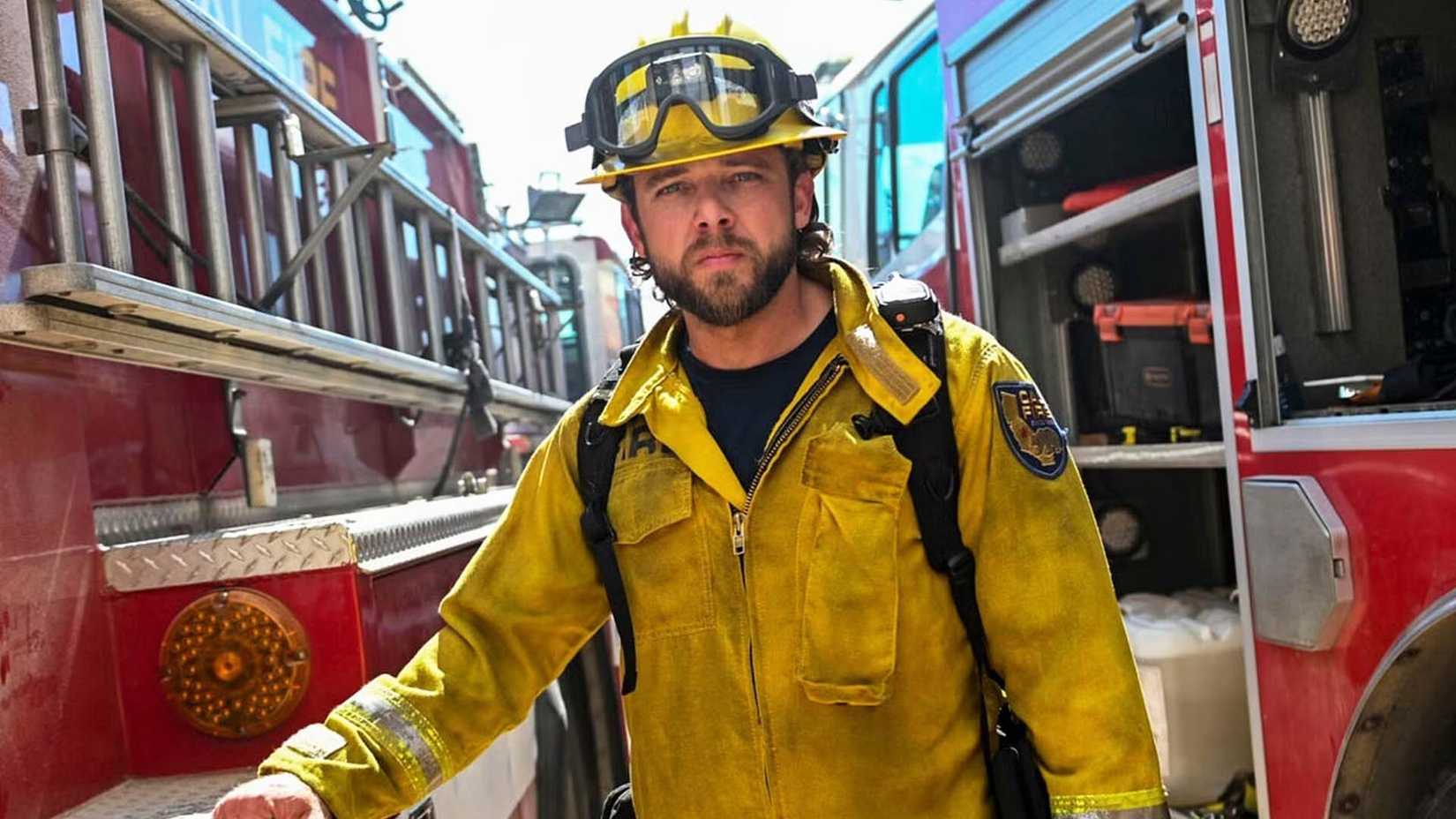
By focusing the premiere on a single, community-shattering event, the creative team has signaled a willingness to listen to audience feedback. The strategy shifts the primary source of tension away from artificial interpersonal misunderstandings and back toward raw, visceral survival—an arena where Fire Country has always punched above its weight class.
Implications for the Remainder of Season 5
The success of the Season 5 premiere carries significant implications for the rest of the broadcast year.
1. Curing "Crowded Town" Syndrome
Edgewater has occasionally suffered from narrative fatigue; when every character is dealing with a major life crisis simultaneously, the emotional impact is diluted. By using the Founder’s Day sinkhole as a narrative bottleneck, the show proves that forcing characters into shared physical and emotional spaces creates sharper, more organic friction. If subsequent episodes adopt this streamlined approach, viewers can expect tighter storytelling and more meaningful character progression.
2. Balancing Procedural Stakes with Serialized Drama
For a broadcast network drama airing on CBS, the eternal challenge is balancing episodic viewers with die-hard serialized fans. A singular-disaster structure solves this dilemma brilliantly: casual viewers can tune in for a thrilling, self-contained disaster movie experience, while loyal fans get deep, character-driven payoffs as their favorite firefighters are pushed to their absolute limits.

3. Setting a New Standard
If Fire Country wishes to avoid the narrative missteps that occasionally derailed its middle seasons, it must take its cues directly from this opener. While staging a massive, town-shaping disaster every single week is logistically impossible, the philosophy of the premiere—prioritizing depth over breadth, and unity over chaos—can easily be applied to smaller-scale calls.
As Season 5 continues to unfold, the message from the Edgewater firehouse is loud and clear: less clutter, higher stakes, and a return to the visceral storytelling that made Fire Country a hit in the first place.
