
SWIT Officially Launches the K7: A 2,800-Nit, 7-Inch On-Camera Monitor Built for Professional Filmmakers
By Matthew Allard ACS
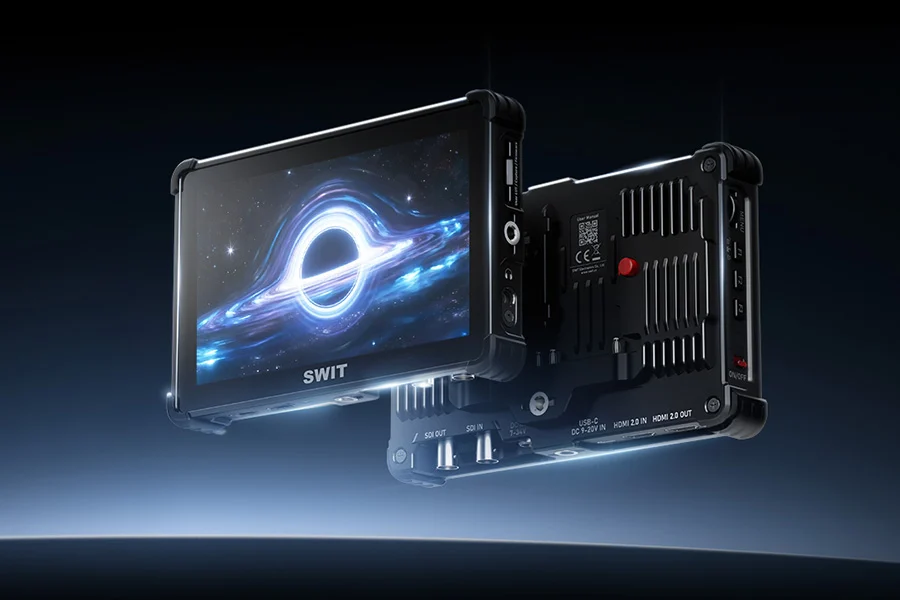
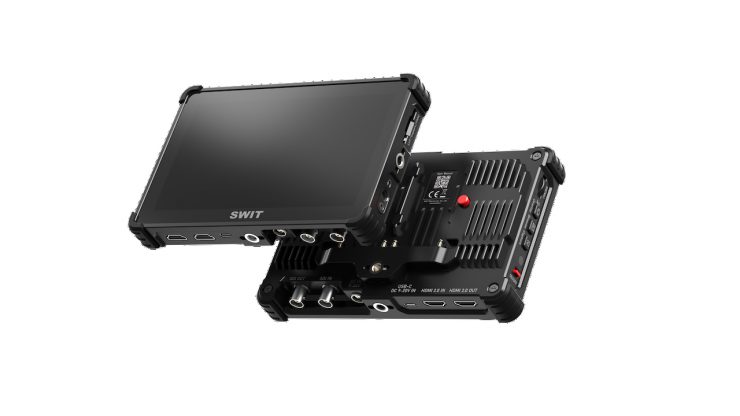
SWIT has officially launched its highly anticipated K7 on-camera monitor, bringing a robust, high-brightness imaging tool to the global production market. First previewed as a promising prototype at the NAB Show in Las Vegas earlier this spring, the production-ready K7 arrives with a comprehensive suite of professional features designed to meet the rigorous demands of modern cinema, broadcast, and documentary workflows.
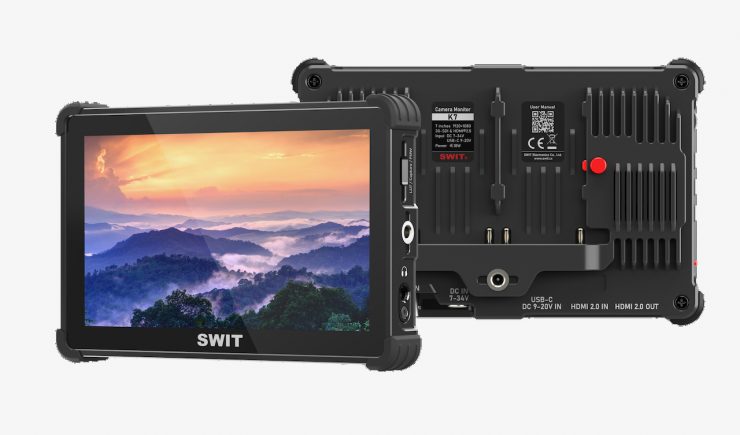
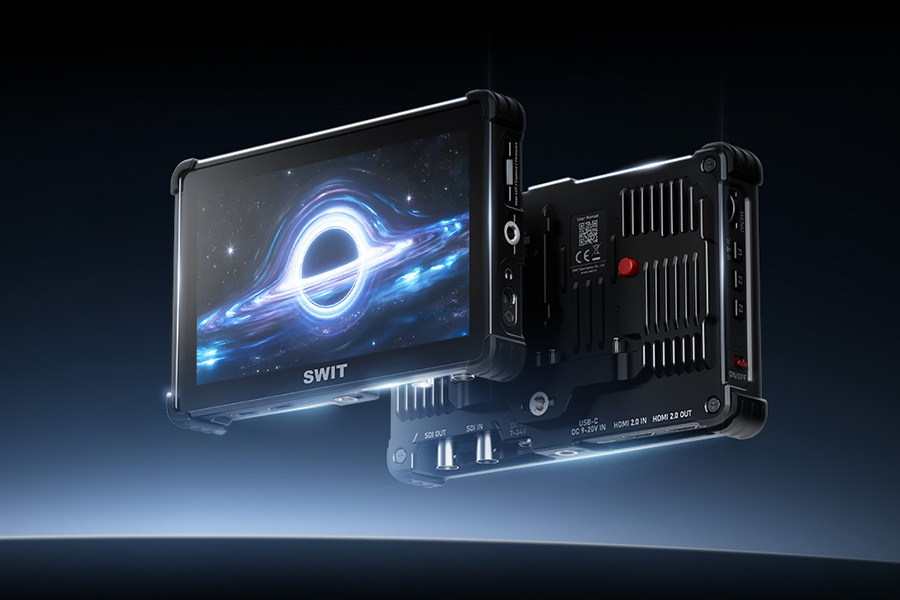
Priced competitively at €599, the 7-inch display combines an ultra-bright optically bonded touchscreen, versatile cross-conversion input/output architecture, and multiple power redundancy options housed within a rugged, all-metal chassis.
Main Facts: What the SWIT K7 Offers
At its core, the SWIT K7 is engineered to solve common on-set visibility and signal routing challenges. Key hardware and software specifications include:
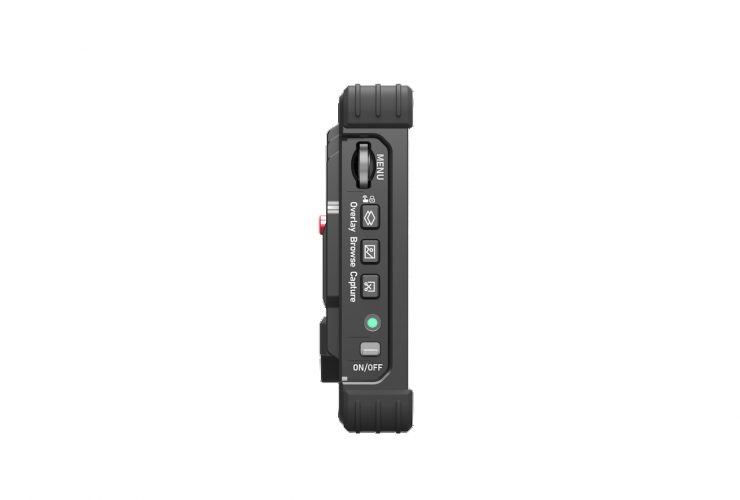
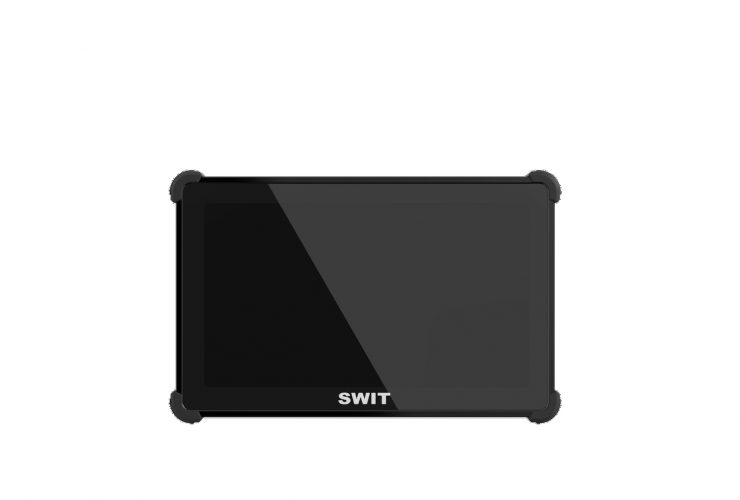
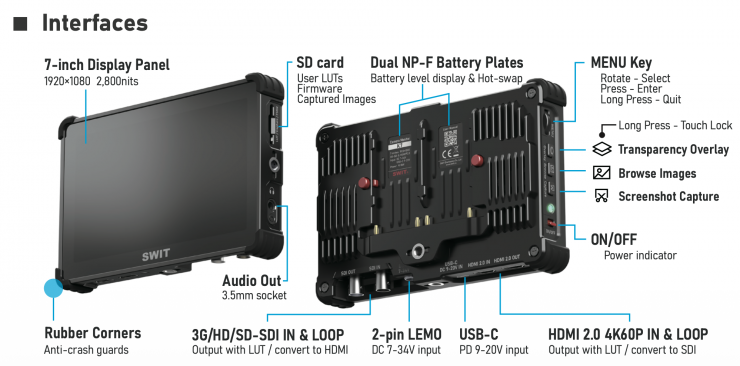
- Display Panel: 7-inch optically bonded Full HD (1920 x 1080) touchscreen with a claimed peak brightness of 2,800 nits.
- Build Quality: All-metal enclosure reinforced with protective rubber corner guards.
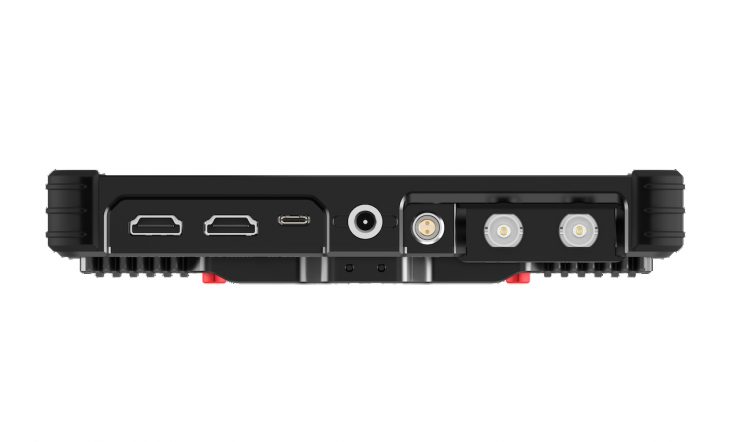
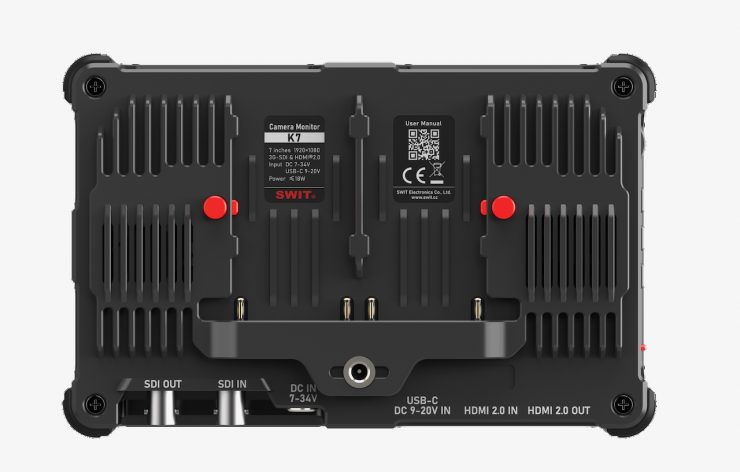
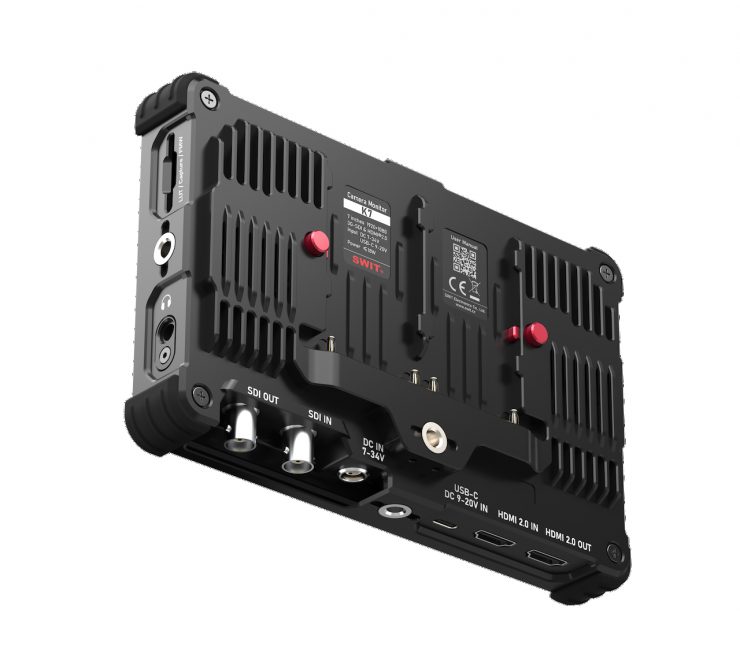
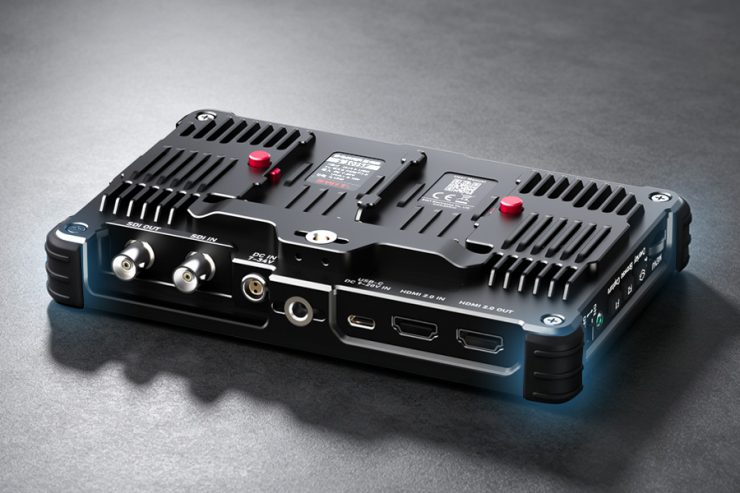
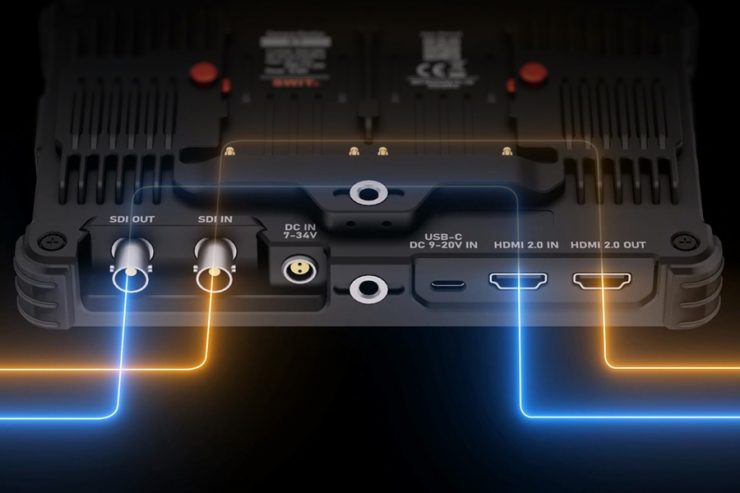
- Connectivity: 3G/HD-SDI and HDMI 2.0 inputs and loop outputs, supporting HDMI signals up to 4K60p alongside built-in SDI/HDMI cross-conversion.
- Power Redundancy: Dual hot-swappable Sony NP-F battery slots, a 2-pin LEMO (7–34V DC) input, and a USB-C Power Delivery (PD) port (9–20V).
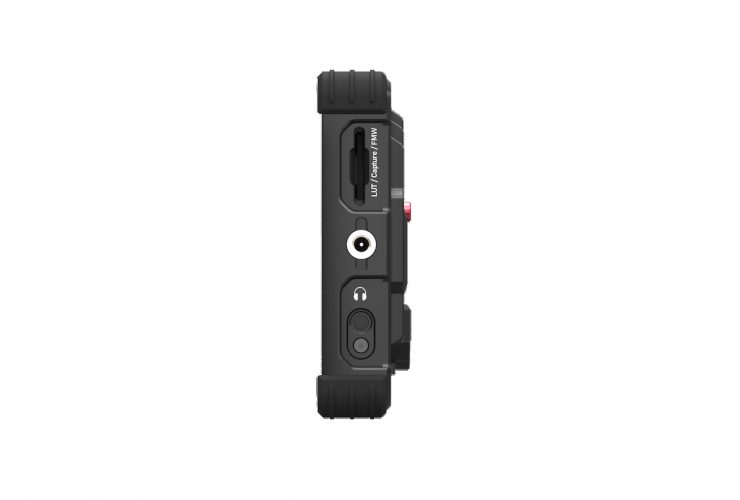
- Color & LUT Management: Built-in DeLog LUTs, user LUT import via SD card, and real-time LUT output over SDI and HDMI.
- Image-Assist Tools: Waveform, vectorscope, histogram, ARRI/Spectrum false color, adjustable zebra (IRE -7 to +109), focus peaking, anamorphic de-squeeze (0.5x to 2x), and custom framing markers.
- Pricing: Retailing at €599 for the standalone monitor, with specialized accessory kits available separately.
Chronology: From NAB Prototype to Global Release
The journey of the SWIT K7 reflects a steady development cycle aimed at incorporating direct feedback from working cinematographers and camera operators.
- April (NAB Show, Las Vegas): SWIT first showcased the K7 as an early prototype. Industry professionals and media outlets, including Newsshooter, got a hands-on look at the unit, evaluating its early firmware, outdoor visibility, and physical build. At the time, the prototype generated considerable interest due to its high-nit panel and solid metal frame—features traditionally reserved for significantly more expensive cinema monitors.
- Intervening Months: SWIT utilized the feedback gathered during the spring convention season to refine the software architecture, optimize power management, and finalize the hardware production lines.
- Late September: SWIT officially lifts the curtain on the production model, publishing finalized specifications, pricing tiers, and accessory lineups, confirming that units are ready for immediate shipping and retail availability.
Supporting Data & Technical Specifications
For camera assistants, DPs, and technical directors, understanding the granular specifications of a monitoring tool is essential before integrating it into a high-stakes production package. Below is the complete breakdown of the SWIT K7 technical data:
| Feature Category | Specification Details |
|---|---|
| Display | 7-inch, 1920 x 1080 Full HD, optically bonded touchscreen |
| Brightness | 2,800 nits |
| Construction | All-metal body with protective rubber corner guards |
| Physical Controls | Multi-touch screen, scroll/enter control wheel, two assignable function keys, touch lock |
| SDI I/O | 3G/HD-SDI input and loop output |
| HDMI I/O | HDMI 2.0 input and loop output (supports input signals up to 4K60p) |
| Signal Conversion | Built-in SDI/HDMI cross-conversion |
| Power Inputs | Dual NP-F slots with hot-swap capability; 2-pin LEMO (7–34V DC); USB-C PD (9–20V) |
| LUT Workflow | Built-in DeLog; user LUT import via SD card; SDI/HDMI LUT output |
| Capture & Reference | Direct screenshot capture to SD card; adjustable-transparency reference image overlay |
| Exposure & Focus Assist | Focus peaking; zebra (-7 to +109 IRE); ARRI or Spectrum false color; waveform, vector, histogram, grids, scale markers, and safe areas |
| Advanced Tools | 0.5x to 2x anamorphic de-squeeze; rotatable and flippable OSD for vertical rigs; four-channel audio meters; 3.5mm audio headphone output |
| Included Accessories | 4GB SD card (for LUTs, firmware, and stills) |
Pricing and Optional Ecosystem
SWIT has also rolled out a targeted ecosystem of accessories to accompany the K7 launch:
- SWIT K7 Monitor: €599 (7-inch 2,800-nit touchscreen cine monitor)
- MA-K7 CAGE: €329 (Dedicated monitor cage and sunhood kit)
- PA-D2L2: €35 (D-Tap to 2-pin LEMO power cable)
- PA-ACL2: €45 (AC to 2-pin LEMO power adaptor)
Implications for Independent Filmmakers and Rental Houses
The introduction of the SWIT K7 at a sub-€600 price point marks a notable shift in the accessible tier of professional cinema gear. Historically, achieving daylight-viewable performance—specifically hitting the 2,800-nit threshold—meant investing in high-end monitors from boutique cinema brands costing thousands of dollars more.
1. Sunlight Legibility in Field Production
One of the most persistent hurdles for outdoor shooters is panel wash-out under direct, harsh sunlight. While many mid-tier monitors claim high brightness, they often throttle their output or suffer from thermal throttling when pushed to maximum candelas for extended periods. SWIT’s 2,800-nit panel, combined with optical bonding to reduce internal reflection, ensures that operators working in bright daylight or desert environments can accurately judge exposure without constantly relying on bulky, light-draining sunhoods.
2. Hybrid Workflows and Cross-Conversion
Modern camera packages frequently involve mixing cinema cameras (outputting clean SDI signals via BNC) with mirrorless or hybrid bodies (outputting 4K60p via HDMI). The inclusion of native SDI and HDMI 2.0 ports—backed by built-in cross-conversion—means the K7 can act as an on-set signal bridge. An incoming HDMI 4K60p signal can be converted and looped out via SDI, streamlining cable management and reducing the need for standalone converter boxes on smaller rigs.
3. Rig Flexibility: Vertical Content and Anamorphic Lenses
As content creation continues to diversify into vertical platforms (TikTok, Instagram Reels, YouTube Shorts), camera rigging has adapted accordingly. The K7 addresses this by allowing the on-screen display (OSD) to be fully rotated and flipped to support vertical setups. Furthermore, built-in anamorphic de-squeeze (ranging from 0.5x to 2.0x) ensures that cinematographers shooting scope or specialized squeeze ratios can view a properly proportioned image on set without sacrificing analytical tools.
4. Power Versatility
Power management on small-to-mid-sized camera builds can quickly become messy. By offering dual hot-swappable Sony NP-F slots alongside professional options like a locking 2-pin LEMO port and modern USB-C Power Delivery, SWIT has ensured the K7 can integrate into existing battery ecosystems. Whether an operator is running light-weight mirrorless batteries or pulling power from a larger V-mount/Gold-mount block via D-Tap, the monitor accommodates multiple power workflows out of the box.
Conclusion
With the K7, SWIT has successfully transitioned a promising NAB prototype into a polished, feature-rich production tool. By balancing high-end specifications—such as 2,800 nits of brightness, professional signal conversion, and comprehensive exposure-assist tools—with a competitive €599 price tag, the K7 is positioned to become a popular choice for independent DPs, camera assistants, and multi-format production crews looking to upgrade their monitoring setups without breaking the budget.
