
Cinematic Catharsis: How Sisa Quispe’s URPI: Her Last Wish Reclaims Indigenous Identity
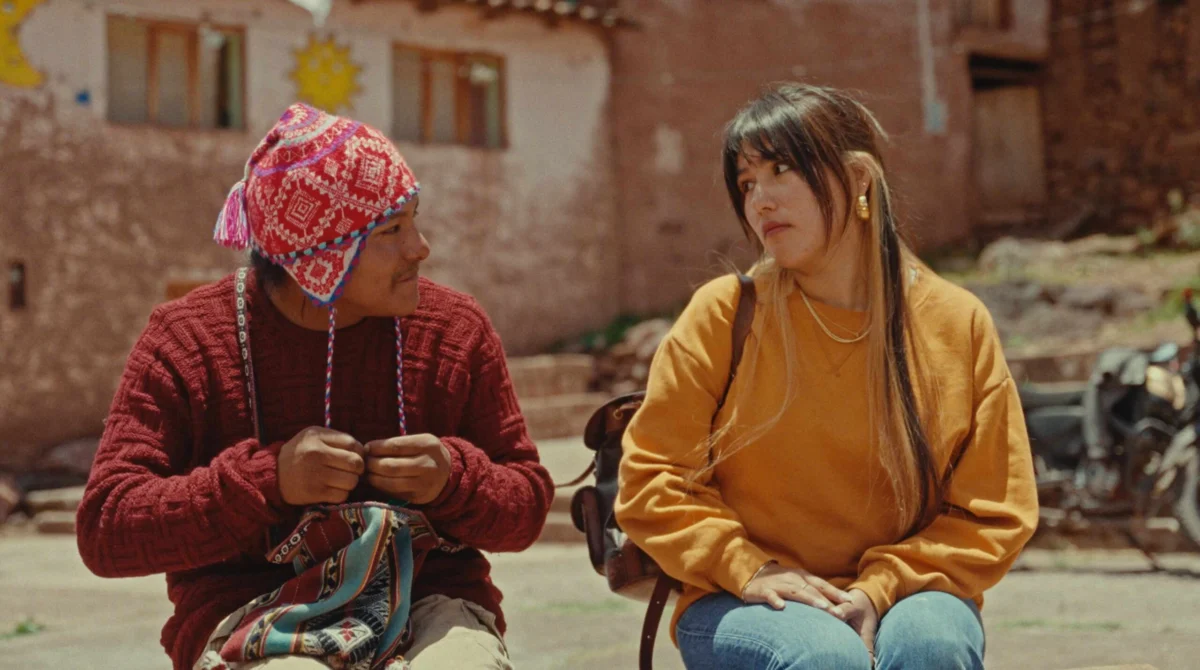
Filmmaking is frequently described as a cathartic endeavor, but rarely does it serve as such a profound vessel for personal and ancestral reconciliation as it does in Sisa Quispe’s latest project, URPI: Her Last Wish. As writer, director, and lead performer, Quispe has crafted more than a film; she has authored a manifesto of self-discovery. By weaving the intimate narrative of a woman’s journey to the Sacred Valley of the Incas with the broader, more defiant goal of honoring her late abuelita (grandmother), Quispe has created a piece of cinema that is as emotionally resonant as it is culturally vital.
In a landscape often dominated by institutional narratives, URPI stands as a quiet but powerful act of rebellion. It is a cinematic reclamation—a way for an Indigenous filmmaker to define herself on her own terms, free from the bureaucratic labels and state-sanctioned identities that have historically constrained Indigenous voices.
The Genesis of a Vision: Main Facts and Motivations
At its core, URPI: Her Last Wish is a road movie that transcends the physical journey of its protagonist. The story follows Urpi as she traverses the breathtaking, rugged terrains of the Andean landscape, accompanied by a young Quechua man she meets along the way. While the film’s narrative engine is driven by this central connection, its true depth is found in the margins—in the faces of the people Urpi meets, the textures of the villages she passes through, and the spiritual weight of the Sacred Valley itself.
For Sisa Quispe, the motivation behind the film was twofold. First, it was a necessary process of mourning and remembrance following the passing of her grandmother. The film acts as a tribute, a way to anchor her family history into the permanent record of visual storytelling. Second, it served as a radical assertion of autonomy. "The film became my protest against the labels imposed on me by governments and institutions," Quispe has noted.
By centering a Quechua narrative, cast, and location, Quispe refuses to allow her identity to be filtered through a colonial lens. The film is a deliberate choice to inhabit space—both geographically and culturally—that is authentically and unapologetically Indigenous.
A Journey of Discovery: The Chronology of Production
The development of URPI did not happen in a vacuum. It was the result of a deliberate, long-term commitment to capturing the essence of the Andes.
Pre-Production: Establishing Cultural Authenticity
Before a single frame was shot, the production team prioritized deep immersion in the Sacred Valley. Unlike many international productions that treat the Andes as a picturesque backdrop, Quispe insisted on a production process that was rooted in lived experience. This involved building relationships with local communities and ensuring that the Quechua language and customs were represented not as artifacts, but as living, breathing realities.
Principal Photography: Capturing the "Tangible Warmth"
Filming on location presented both logistical challenges and artistic rewards. The cinematography, characterized by a rich, vibrant color palette, seeks to mirror the warmth of the culture itself. The crew utilized the natural light of the high-altitude landscape to evoke a sense of connection that feels almost tactile to the viewer. This was a deliberate aesthetic choice; the goal was to avoid the "cold" or "distant" cinematography often associated with documentaries about marginalized groups, opting instead for a style that invites the audience into the protagonist’s emotional intimacy.
Post-Production: Weaving the Protest
In the editing room, the film took on its final form as a "protest." The pacing was carefully calibrated to allow the viewer to linger on the landscapes and the silent, meditative moments between characters. This tempo reflects the slow, deliberate reclamation of heritage—a defiance against the fast-paced, industrial-driven world that often seeks to erase the slow, cyclical nature of Indigenous life.
Supporting Data: Cultural Impact and Critical Reception
The significance of URPI: Her Last Wish is evidenced not only by its aesthetic quality but by the critical acclaim it has garnered within the film industry.
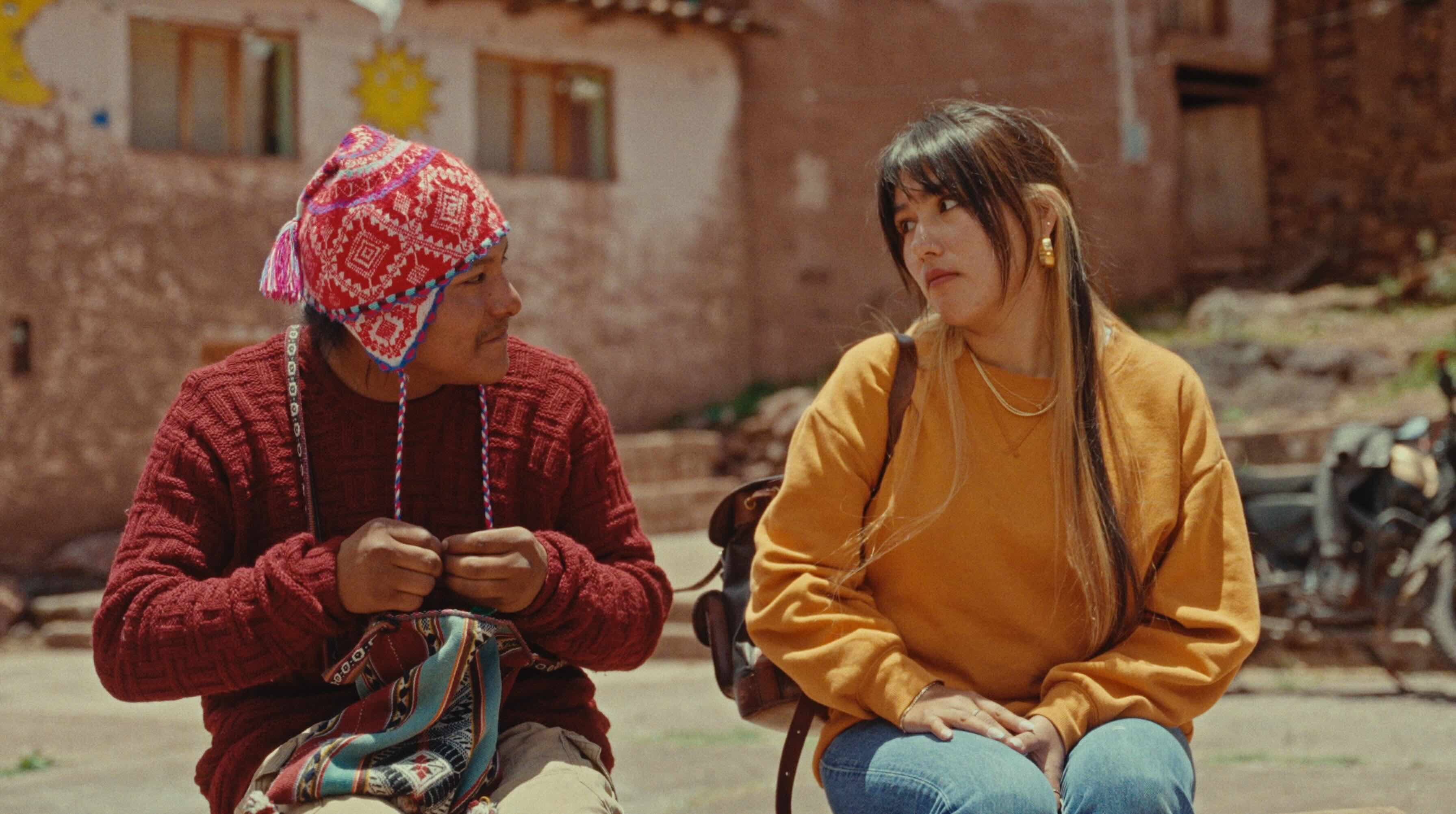
- Industry Recognition: The film secured the prestigious Grand Jury Prize at the Ouray International Film Festival, a testament to its technical mastery and narrative weight.
- The Gotham Connection: Winning the Focus Features Short Film Showcase placed the project on the radar of major industry players, validating the importance of Indigenous stories in the mainstream film festival circuit.
- Accessibility and Reach: By partnering with digital platforms like Short of the Week, the film has transcended the traditional "festival circuit," reaching a global audience and providing an entry point for viewers who may have had little to no prior exposure to Quechua culture.
The choice to premiere and highlight the film on Indigenous Peoples’ Day was not merely a scheduling coincidence. It was a strategic decision to align the film with a broader movement of Indigenous visibility, providing a platform for Quispe to curate a list of other vital Indigenous shorts, thereby amplifying the voices of her peers.
Official Responses and Filmmaker Perspectives
In discussions regarding the film, Quispe has consistently pushed back against the idea that her work is "activism" in the traditional, angry sense of the word. Instead, she frames her work as "defiance through celebration."
"When you are told who you are by someone else," Quispe explains, "you start to believe it. This film is the process of unlearning those labels."
The performance of Juan Abel Ojeda Llanos alongside Quispe is frequently cited as a crucial component of this defiance. Their chemistry is not one of dramatic, conflict-heavy tension, but rather a quiet, shared understanding—a portrayal of solidarity that suggests a collective future for the Quechua people. Critics have noted that the performances feel less like acting and more like an extension of the performers’ own lives, a hallmark of the "lived experience" approach that Quispe champions.
Implications: A New Era for Indigenous Cinema
The implications of URPI: Her Last Wish extend far beyond the runtime of the short film. It represents a shifting tide in independent cinema, where filmmakers are increasingly reclaiming the power of the camera to rewrite their own histories.
Reconnecting Across Divides
The film operates as a bridge. For the non-Indigenous viewer, it serves as an invitation to witness a world that is often rendered invisible by the dominant culture. For the Indigenous viewer, it serves as a mirror, reflecting a reality that is rarely portrayed with such warmth and dignity. This creates a sense of global connection that is increasingly vital in a world characterized by polarization.
Challenging the "Institutional" Gaze
By rejecting the stereotypical tropes of struggle and victimhood often imposed on Indigenous stories, URPI challenges the industry to look deeper. The film proves that stories about identity do not need to be didactic or overly political to be profoundly revolutionary. Instead, by focusing on the beauty of the landscape and the strength of the human connection, the film achieves a more lasting impact: it humanizes, it celebrates, and it persists.
A Roadmap for Future Storytellers
Quispe’s journey serves as a template for emerging filmmakers. The film proves that limited budgets do not necessitate limited ambition. By utilizing authentic locations, casting within the community, and staying true to a personal vision, filmmakers can create work that is both culturally specific and universally understood.
Conclusion: The Persistence of Urpi
As we look toward the future of global cinema, the success of URPI: Her Last Wish is a reminder of the power of the personal. When a filmmaker like Sisa Quispe takes the time to honor her roots, she does more than create a tribute to her grandmother; she invites the world to reconsider its relationship with the people and places it has historically overlooked.
The film is a reminder that the "protest" of the future is not found in the destruction of systems, but in the creation of new, more vibrant ones. Through the lens of URPI, the world feels a little less cold, a little less fragmented, and perhaps, for the first time in a long time, a little more connected. As Quispe continues her work, her journey remains a beacon for those looking to find their own voice in the vast, complex landscape of modern cinema.
