Disney’s "Hexed" Directors Fire Back at Viral Trailer Criticism Over Vertical Video Framing
Main Facts
When Walt Disney Animation Studios dropped the first official trailer for its upcoming 2026 feature film, Hexed, it immediately sparked an unexpected firestorm across social media platforms like X (formerly Twitter), TikTok, and Instagram.
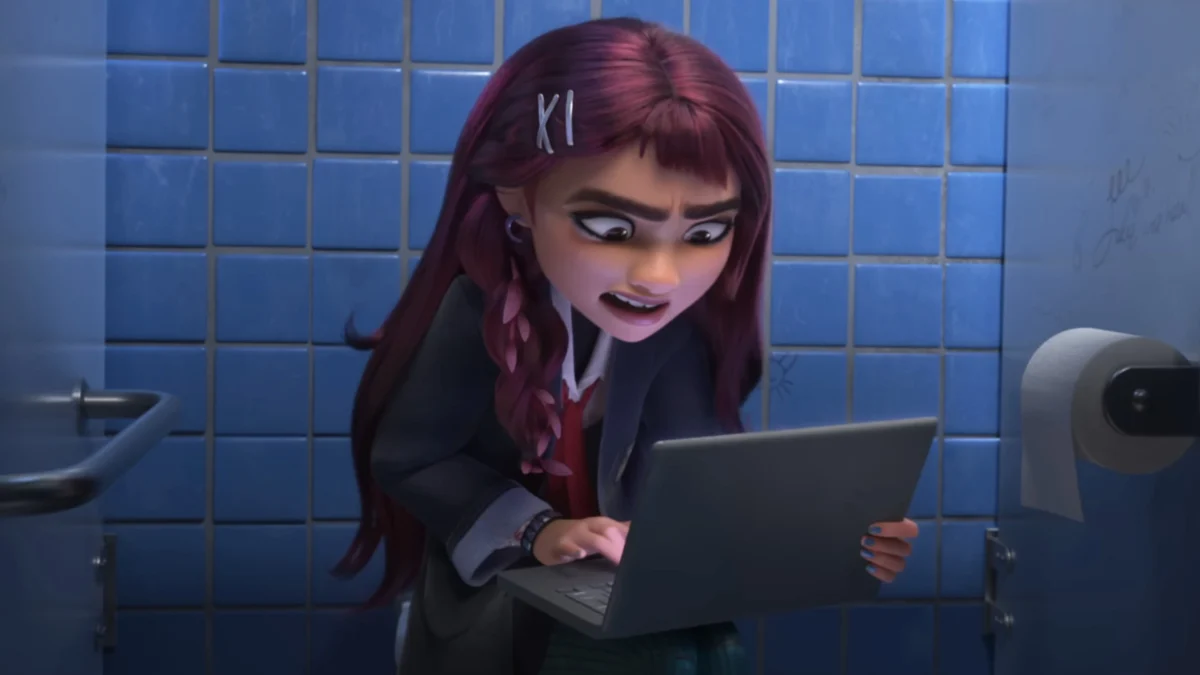
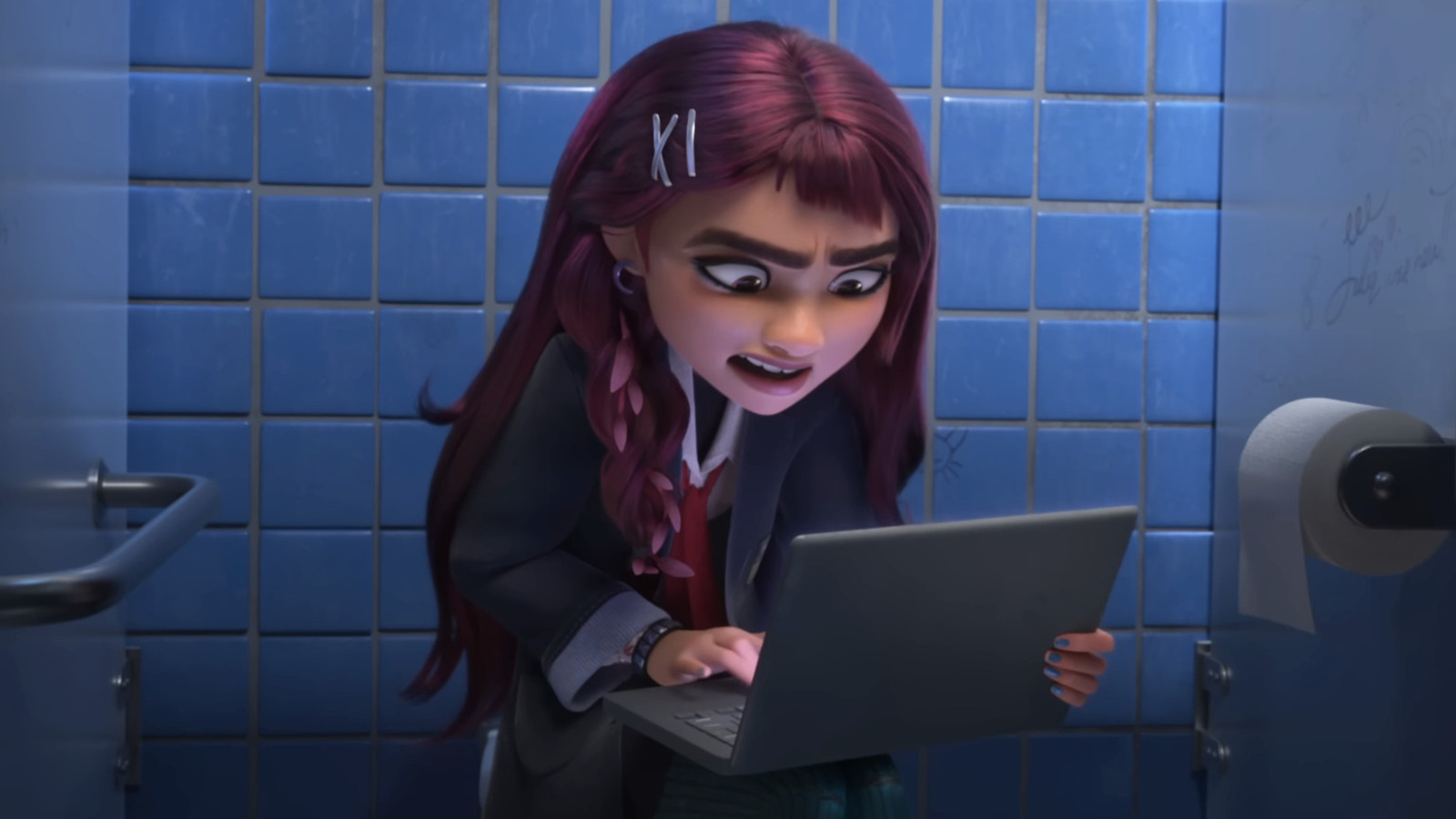
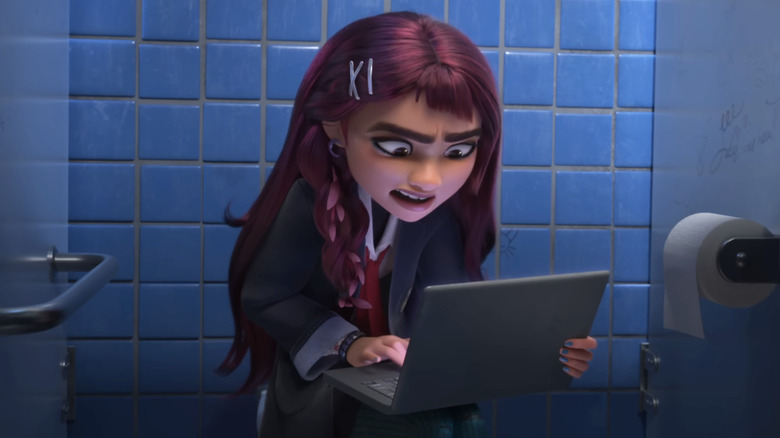
Eagle-eyed internet users quickly went viral with comparisons suggesting that the animated film’s cinematography was heavily optimized for verticalvideo formats. Critics pointed out that numerous shots strategically placed all vital action smack-dab in the center of the widescreen frame, allegedly to make it easier to crop the footage into 9:16 vertical videos for social media sharing.
The online discourse drew direct parallels to other recent animated misfires, raising concerns that traditional cinematic framing might be taking a backseat to algorithmic marketing trends. However, during an exclusive press visit to Disney Animation Studios in Burbank, California, Hexed co-directors Jason Hand (Moana 2) and Fawn Veerasunthorn (Wish) firmly pushed back against these viral assumptions.
According to the filmmakers, the heavy concentration of centered framing in the trailer was not a cynical ploy to cater to TikTok trends, but rather a deliberate, story-driven narrative choice meant to reflect the suffocating, rigid reality of the movie’s protagonist, Billie, during the opening act.
Chronology of the Controversy
The timeline of the Hexed framing controversy unfolded in rapid succession following the promotional rollout:
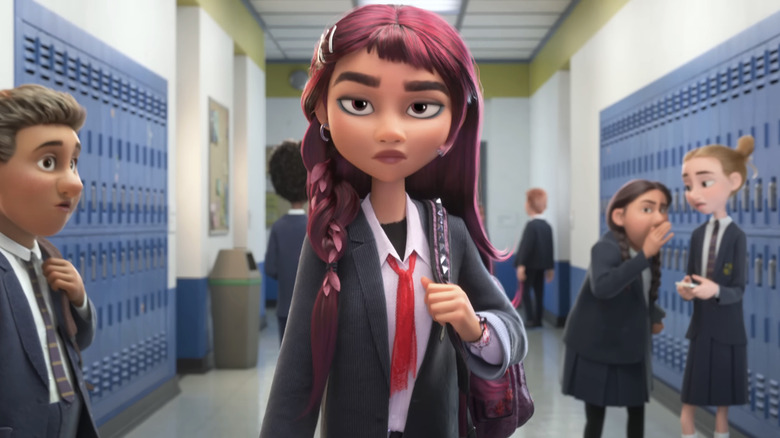
Early June 2026: Disney releases the debut trailer for Hexed, introducing audiences to Billie, an alternative-style teenager with magenta hair and combat boots navigating a dull suburban town.
Mid-June 2026: Social media users begin analyzing the trailer’s aspect ratios and shot composition. A viral post featuring side-by-side comparisons of centered shots accumulates hundreds of thousands of views and reposts, drawing comparisons to other modern box-office trends and algorithmic content creation.
Late June 2026: Film critics and online commentators amplify the debate, questioning whether major studios are shifting their animation pipelines to accommodate mobile-first viewing habits.
Press Day 2026: Journalists visiting Disney Animation Studios in Burbank, California, confront directors Jason Hand and Fawn Veerasunthorn directly regarding the online criticisms.
November 25, 2026 (Scheduled):Hexed is slated for its official theatrical release, where audiences will finally be able to experience the full scope of the film’s visual style beyond the marketing materials.
Supporting Data and Production Context
To understand the controversy, one must look at how modern animation production intersects with modern media consumption habits. In an era where trailers are expected to perform across standard cinematic screens, YouTube players, square Instagram feeds, and vertical TikTok scrolls, framing has become a high-stakes balancing act for studios.
The viral critique specifically targeted the trailer’s conservative use of negative space. In many scenes, characters were positioned rigidly in the center of the horizontal frame. For internet sleuths, this immediately raised red flags, suggesting a "safe zone" mentality designed to protect framing integrity when platforms automatically crop 16:9 videos into 9:16 reels.
Yet, production insights from early press screenings paint a different technical and artistic picture. Journalists who were granted access to roughly 30 minutes of unreleased footage from Hexed noted that the visual language of the film evolves drastically depending on the setting.
The movie is split conceptually between two very different environments:
Plainsville: The mundane, orderly hometown where Billie feels like an outcast. This world is characterized by flat lines, rigid square architecture, conventional lighting, and a deliberately drab color palette.
Hexe: The magical, hidden realm of witches that Billie discovers after accidentally unleashing her dormant powers via a school prank. This world features triangular, witch-hat-inspired architecture, vibrant autumn foliage, and deeply cinematic lighting.
Official Responses from the Filmmakers
Addressing the controversy head-on, co-director Fawn Veerasunthorn explained that the choice of footage featured in the trailer inadvertently fueled the misunderstanding because of where those scenes fall in the narrative structure of the movie.
"I think a lot of the shots that [were] chosen for the trailer [were] happening in the part of the film where we’re [showing] limitation and [it’s] rigid in act one, and then it gets crazier after that. So that was not true…" Veerasunthorn stated during the Burbank press junket.
Co-director Jason Hand echoed these sentiments, emphasizing that the claustrophobic framing was entirely intentional from a storytelling perspective, rather than a concession to social media algorithms.
"Yeah, there’s a purpose cinematic choice to say that Billie is actually stuck in this boxed-in place," Hand added.
Furthermore, Hand noted that the production team was well aware of the online chatter, remaining confident that the finished feature film will completely dispel the notion that the movie’s cinematography is creatively compromised.
"I don’t know if you noticed, but when she goes into Hexe, that completely changes literally. That’s why I think, when we saw that type of stuff, which obviously was out there, we knew that there’s more to come. And when people see the film, they won’t feel like that."
Broader Implications for the Animation Industry
The Hexed trailer controversy touches upon a broader, increasingly anxious conversation within the entertainment industry regarding how digital media consumption shapes artistic expression.
As traditional box offices compete with short-form video platforms for the attention spans of younger demographics, filmmakers are constantly scrutinized for signs that art is bending to the will of algorithms. The fear is that cinematic art—traditionally built on expansive world-building, dynamic rule-of-thirds composition, and sweeping horizontal vistas—might be compromised to fit into the vertical confines of a smartphone screen.
However, industry veterans point out that centering action in a frame is a foundational technique in filmmaking, used routinely to draw the human eye or emphasize psychological isolation long before the invention of TikTok. By anchoring Billie’s early struggles in a tightly centered, rigid visual framework, the directors of Hexed argue they were utilizing classic visual metaphor rather than chasing digital metrics.
Ultimately, whether Disney’s creative gamble pays off will be decided not by social media algorithms, but by audiences when Hexed officially materializes in movie theaters on November 25, 2026. Until then, the debate serves as a fascinating reminder of how closely modern audiences scrutinize every pixel of pre-release marketing.