
The Allure of the Dark Thriller: 5 Essential Films to Watch After Anne Hathaway’s ‘Verity’
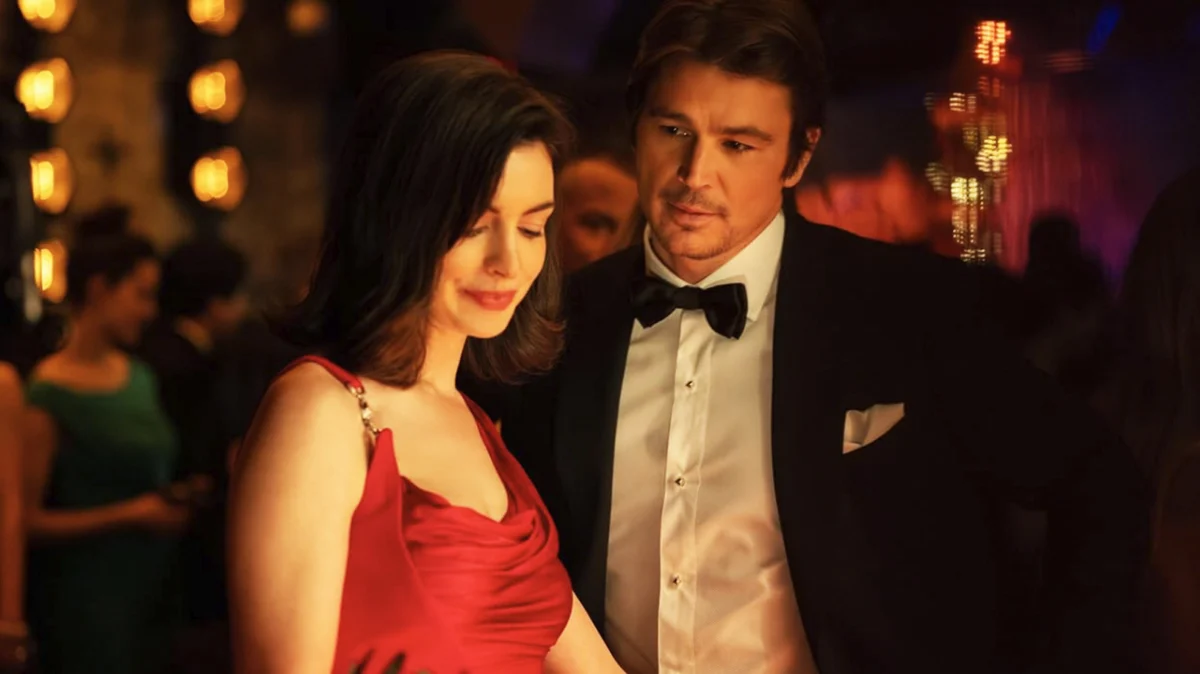
The recent cinematic adaptation of Colleen Hoover’s Verity, directed by Michael Showalter and starring Anne Hathaway, Dakota Johnson, and Josh Hartnett, has solidified its place as a bona fide box-office sensation. By blending the voyeuristic intensity of a psychological thriller with the high-stakes melodrama of a modern potboiler, the film has captivated audiences, leaving them hungry for more tales of betrayal, hidden identities, and the thin, shifting line between truth and deception.
For those who found themselves enthralled by Hathaway’s portrayal of the enigmatic, comatose author Verity Crawford—and the subsequent unmasking of her dark, secret past—the journey into the "sexy thriller" genre does not have to end when the credits roll. The following five films represent the gold standard of the genre, offering a potent mix of suspense, eroticism, and narrative subversion that mirrors the twisted appeal of Verity.
The Anatomy of the Modern Potboiler: Why We Can’t Look Away
To understand why Verity has resonated so deeply, one must examine the fundamental appeal of the "erotic mystery." These films function as a mirror to our own societal anxieties regarding intimacy, domestic safety, and the "masks" we wear in public versus private life.
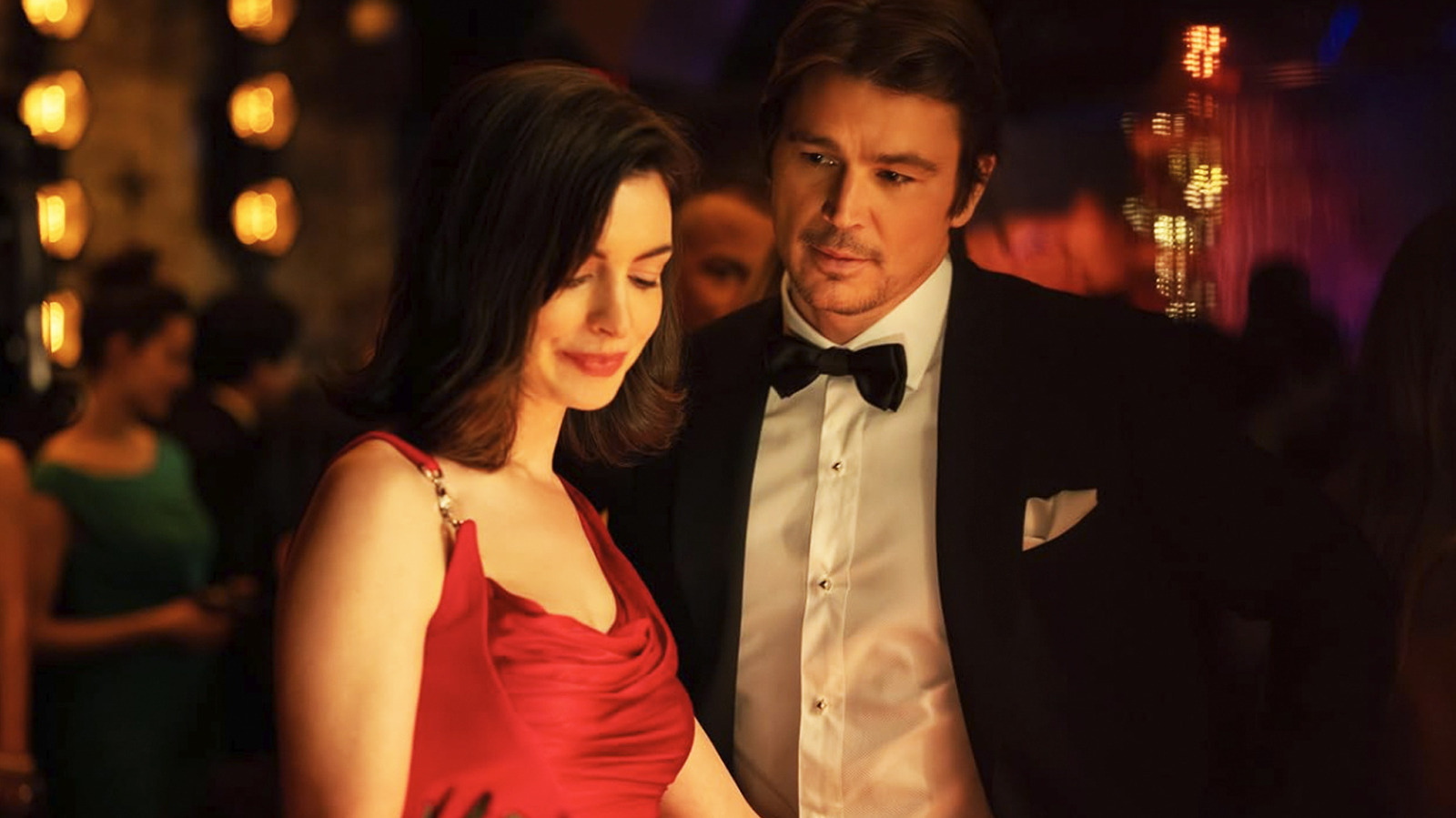
In Verity, the core tension arises from Lowen Ashleigh (Dakota Johnson), a struggling writer hired to complete the works of a bedridden, mysterious literary icon. When Lowen moves into the Crawford estate and discovers a secret autobiography, the film transforms into a labyrinth of gaslighting and moral ambiguity. This structural framework—an outsider entering a domestic sphere only to uncover a festering, lethal secret—is the bedrock of the most successful psychological thrillers in cinema history.
1. Rebecca (1940): The Gothic Blueprint
Alfred Hitchcock’s Rebecca is not merely a film; it is the architectural foundation upon which the modern "ghostly" thriller is built. Based on Daphne du Maurier’s 1938 novel, the story follows a young, unnamed woman (Joan Fontaine) who marries a wealthy widower, Maxim de Winter (Laurence Olivier), only to find that the memory of his first wife, Rebecca, dominates their home at Manderlay.
The Power of the Unseen
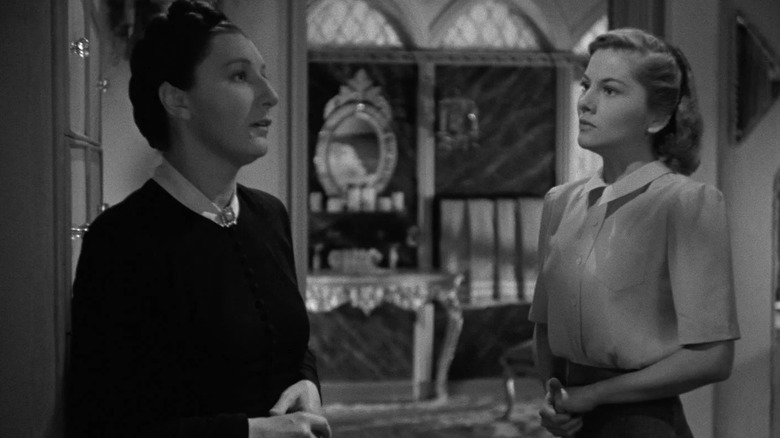
What makes Rebecca so effective—and so similar to Verity—is the way the past exerts physical force over the present. Rebecca is dead, yet her presence is felt in every corner of the estate, maintained by the chillingly devoted housekeeper, Mrs. Danvers. The scene in which Danvers shows the new Mrs. de Winter the pristine, untouched bedroom of her predecessor remains a masterclass in psychological manipulation.
Hitchcock masterfully utilizes subtext, particularly the implied sapphic longing Mrs. Danvers harbors for Rebecca, to create an atmosphere of suffocating unease. For viewers who enjoyed the "haunted by a predecessor" element of the Crawford household, Rebecca provides a timeless, Academy Award-winning exploration of jealousy, obsession, and the haunting nature of secrets.
2. Basic Instinct (1992): The Provocateur of the 90s
If Rebecca is the elegant, shadowy grandmother of the genre, Paul Verhoeven’s Basic Instinct is its loud, provocative, and utterly unapologetic rebel child. Released in 1992, the film sent shockwaves through the industry, challenging the boundaries of what was acceptable to depict on screen regarding human desire and violent impulse.
A Study in Unapologetic Appetites
The plot centers on Catherine Tramell (Sharon Stone), a brilliant, bisexual crime novelist who becomes the prime suspect in a gruesome ice-pick murder. Homicide detective Nick Curran (Michael Douglas) is tasked with the investigation, only to find himself inextricably drawn into Tramell’s web of intellect and lust.
The brilliance of Basic Instinct lies in its refusal to condemn its antagonist. Catherine Tramell is one of cinema’s most formidable characters because she is entirely unashamed of her appetites. The film thrives on the "unsavory undercurrent" scripted by Joe Eszterhas, creating a narrative where sex is both a weapon and a tool for truth-seeking. With a budget of $49 million and a staggering global haul of $353 million, Basic Instinct proved that audiences are perpetually fascinated by the intersection of high-concept crime and unbridled eroticism.
3. Swimming Pool (2003): The French Intellectual Thriller
François Ozon’s Swimming Pool offers a more cerebral take on the genre. The film follows Sarah Morton (Charlotte Rampling), a British mystery author suffering from a creative drought, who retreats to her publisher’s vacation home in the South of France. Her solitude is interrupted by the arrival of Julie (Ludivine Sagnier), the publisher’s free-spirited, sexually adventurous daughter.
The Mirror of Competitive Desires
The dynamic between Sarah and Julie is one of intellectual envy and physical competitiveness. As they engage in a silent battle of wills, the film blurs the lines between reality and the fiction Sarah is writing. Ozon, a master of the "French Thriller," treats sexuality as a natural extension of character, rather than a performative plot device.

The twist at the conclusion of Swimming Pool invites the audience to re-evaluate the entire narrative, much like the final pages of a Colleen Hoover novel. It is a film about the writer’s relationship to their subject, the permeability of truth, and the volatile nature of female friendship, making it a perfect companion piece for those who enjoyed the literary-centric tension of Verity.
4. Gone Girl (2014): The Masterclass in Gaslighting
David Fincher’s adaptation of Gillian Flynn’s Gone Girl redefined the thriller for the modern era. When Nick Dunne (Ben Affleck) discovers his wife, Amy (Rosamund Pike), has disappeared on their fifth anniversary, the subsequent media circus and police investigation reveal a marriage built on a foundation of carefully constructed lies.
The "Good for Her" Revenge Narrative
Gone Girl is a seminal work because it shifts the perspective of the "villain" halfway through the film, effectively turning the audience into complicit observers of a twisted power dynamic. Amy Elliott Dunne’s meticulous planning and her ability to weaponize societal expectations of "the perfect wife" make her one of the most compelling characters in recent cinema history.

The film operates on a level of "righteous indignation," where the audience finds themselves cheering for the antagonist’s Machiavellian brilliance. Its influence on the genre is profound; it solidified the "unreliable narrator" trope as the definitive standard for modern potboilers. For fans of Verity, Gone Girl offers the same "cat-and-mouse" thrill, but with a sharper, more satirical edge.
5. A Simple Favor (2018): The Stylish Subversion
Paul Feig’s A Simple Favor is perhaps the most stylistically aligned with the modern sensibilities of Verity. Starring Blake Lively and Anna Kendrick, the film centers on a suburban mommy-blogger who investigates the sudden disappearance of her glamorous, wealthy best friend.
Wealth, Martinis, and Moral Rot
While many thrillers opt for a grim aesthetic, A Simple Favor leans into a hyper-stylized, "pornographic" depiction of wealth and fashion. It is a film that luxuriates in its own aesthetic beauty, using the bright, pristine suburbs as a backdrop for deep-seated betrayal and dark, familial secrets.

Feig, known primarily for comedy, demonstrated an incredible aptitude for the "sexy potboiler." The film balances dark humor with genuine, pulse-pounding mystery. Much like Verity, it features characters who are constantly performing, hiding their true intentions behind a veil of politeness. It remains a definitive example of how the genre can be both incredibly fun to watch and deeply unsettling in its implications.
Conclusion: The Enduring Appeal of the Twisted Tale
Whether it is the Gothic hauntings of Rebecca or the modern, digital-age gaslighting of Gone Girl, these five films share a common thread: they explore the danger of the secrets we keep from those closest to us.
Verity has reminded audiences of the raw power of a well-told, sexually charged thriller. By weaving together the elements of obsession, identity, and the dangerous pursuit of the truth, these films ensure that the genre continues to evolve. For those who left the theater wanting more of the same, these five selections offer a deep, satisfying dive into the dark, delicious corners of human nature. Each film acts as a testament to the fact that, in cinema as in life, the most dangerous things are often those that remain hidden just beneath the surface.
