
Beneath the Pressure: Why the Sci-Fi Horror Gem ‘Underwater’ Deserves a Second Look

In the often-overlooked graveyard of January theatrical releases, William Eubank’s 2020 sci-fi horror film Underwater stands out as a singular, claustrophobic achievement. While the film arrived in theaters with little fanfare and a middling critical reception, its current life on Prime Video has sparked a quiet reappraisal. Featuring a committed, gritty performance from Kristen Stewart, Underwater is more than a mere creature feature; it is a high-tension masterclass in atmospheric dread that demands the viewer’s full, undivided attention.
The Premise: A Descent into the Mariana Trench
The narrative of Underwater is deceptively simple, stripping away the bloat often found in modern big-budget science fiction. Set in the year 2050, the film follows Norah Price (Kristen Stewart), a mechanical engineer stationed at the Kepler 822, an ultra-deep-sea research and drilling facility situated at the bottom of the Mariana Trench.
The tranquility of their isolated existence is shattered almost immediately. A catastrophic seismic event rips through the facility, compromising the structural integrity of the station and forcing the small band of survivors—including Captain Lucien (Vincent Cassel), biologist Emily (Jessica Henwick), and engineer Rodrigo (Mamoudou Athie)—to navigate a labyrinth of imploding corridors.
The true horror, however, is not just the crushing pressure of the ocean or the failing oxygen supply. As the survivors attempt an arduous trek across the sea floor to reach an escape pod station, they realize they are not alone. Something ancient, hungry, and decidedly Lovecraftian is hunting them in the pitch-black abyss.
Chronology of a Survival Nightmare
The film operates on a "ticking clock" structure, which contributes significantly to its relentless pace.
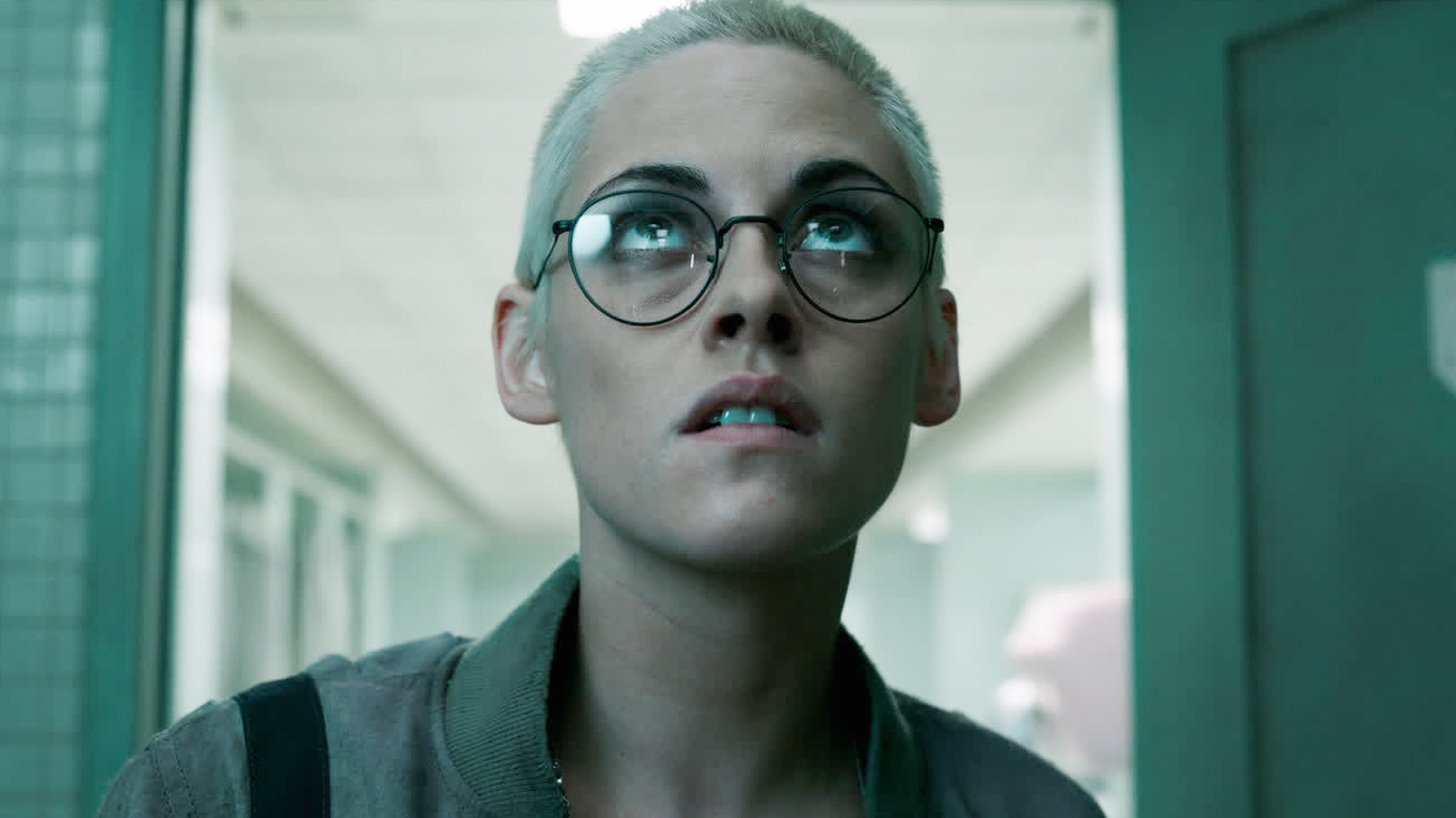
- The Catalyst: The film opens in media res. Norah is brushing her teeth when the station suffers a catastrophic structural failure. Within minutes, the facility is compromised, and the audience is thrust into a desperate fight for survival.
- The Treacherous Trek: Realizing that the facility is doomed, the survivors determine that their only hope is to walk along the ocean floor to the Roebuck station. This segment is arguably the film’s most impressive, as it emphasizes the vulnerability of humans inside high-tech, yet fragile, pressure suits.
- The Reveal: As the crew progresses, they begin to encounter the "beasties"—humanoid, amphibious creatures that seem to be thriving in the extreme conditions of the trench. The tension escalates from a survival-disaster movie to a full-blown cosmic horror scenario.
- The Climax: The final act pushes the scope of the film to a massive, mythic scale, involving a confrontation that links the creatures to the broader H.P. Lovecraft mythos.
Supporting Data: Production and Performance
Despite its $65 million budget, Underwater was a commercial failure, grossing significantly less than its production and marketing costs. This financial underperformance was, in part, a casualty of its release timing. January is traditionally considered a "dumping ground" month for studios, a period where films that lack franchise potential or awards-season buzz are released with minimal expectations.
However, the craft behind the film tells a different story. William Eubank, known for his 2014 breakout The Signal, brought a distinct visual identity to the project. The film’s lighting—utilizing the narrow beams of headlamps and the harsh glow of instrumentation—creates a claustrophobic aesthetic that forces the audience to experience the same limited visibility as the characters. Kristen Stewart’s performance is the anchor of this vision; she eschews traditional "action hero" tropes, playing Norah with a raw, frantic, and grounded desperation that feels earned rather than scripted.
The Lovecraftian Connection: Mythos and Meaning
A defining characteristic of Underwater is its deep—if uncredited—adherence to the H.P. Lovecraft mythos. While the screenplay by Brian Duffield and Adam Cozad does not explicitly adapt a specific Lovecraft short story, it captures the author’s core philosophy: the insignificance of humanity in the face of ancient, indifferent, and god-like entities.
The creatures, with their pale, fish-like features and predatory nature, clearly evoke the "Deep Ones" from The Shadow Over Innsmouth. Furthermore, the inclusion of a colossal entity in the film’s final act serves as an unmistakable nod to Cthulhu. In the world of Underwater, the characters are not fighting an invading alien force; they are stumbling upon an ecosystem that has existed undisturbed for eons, one that finds the sudden intrusion of human industrial drilling to be a nuisance worth eradicating.
This aligns with the film’s subtle environmental undertones. The crew of the Kepler 822 is not "evil," but they are representatives of an extractive industry that has overreached. The ocean floor, in this narrative, is a forbidden territory, and the "gods" that dwell there are the inevitable consequence of humanity’s hubris.
Critical Reception and Industry Perspectives
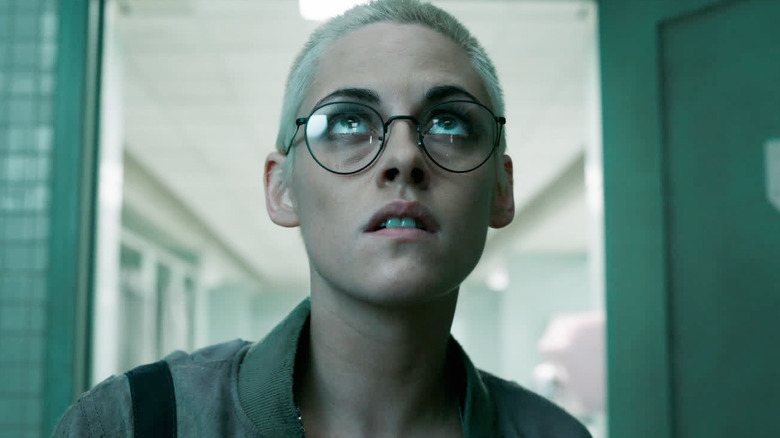
Upon release, the critical response was polarized, resulting in a 48% approval rating on Rotten Tomatoes. The criticism generally centered on the film’s lack of character depth and its perceived redundancy, with some critics arguing that it borrowed too heavily from Alien and The Abyss.
Conversely, those who praised the film, such as Brian Tallerico of RogerEbert.com, highlighted the film’s "lean and mean" efficiency. Tallerico noted that Underwater succeeds precisely because it refuses to waste time on unnecessary exposition. By focusing on the "no-nonsense" survival mechanics, the film creates a pressure-cooker environment that most modern blockbusters fail to replicate.
The film’s failure at the box office was a blow to mid-budget sci-fi, a genre that has struggled to find a home in an era dominated by massive superhero franchises. Underwater represented a type of "pure" B-movie—ambitious, visually distinct, and devoid of cynical franchise-building—that has become increasingly rare.
Implications for Modern Sci-Fi
The reappraisal of Underwater on streaming platforms like Prime Video suggests a shift in how audiences consume and value "failed" theatrical releases. In the era of algorithmic discovery, films that were once dismissed due to poor timing or box-office stigma are finding second lives with audiences who appreciate their specific aesthetic and tonal ambitions.
Underwater serves as a case study for the value of "B-movie" ambition. It does not try to reinvent the wheel, nor does it attempt to build an expansive cinematic universe. Instead, it commits to a singular, terrifying concept and executes it with technical precision. For fans of cosmic horror, the film is a vital entry in the genre, successfully bridging the gap between the industrial grit of Alien and the Lovecraftian existentialism of The Void.

Conclusion: Why You Should Watch It Now
If you have avoided Underwater based on its original critical reception, now is the time to reconsider. Removed from the expectations of a theatrical release, the film reveals itself to be a tight, exhilarating, and visually haunting experience. It is a rare example of a high-budget film that retains the frantic, experimental energy of an indie production.
Whether you are a fan of Kristen Stewart’s evolving career, a devotee of H.P. Lovecraft’s cosmic terrors, or simply someone who appreciates a well-crafted survival thriller, Underwater provides an intense, 95-minute descent into the dark that remains one of the most underrated sci-fi experiences of the last decade. It reminds us that sometimes, the most interesting films are those that are brave enough to sink to the bottom.
