
The OnePlus 16: A Technological Powerhouse Exclusively for the Chinese Market
The global smartphone landscape has witnessed a significant shift in recent years, with top-tier hardware increasingly finding its way exclusively to the Chinese market. The latest entry in this trend is the OnePlus 16, which officially launched in China on October 12. Representing a substantial leap forward over its predecessor, the OnePlus 16 integrates cutting-edge imaging technology, unprecedented display refresh rates, and a massive battery capacity that dwarfs industry standards.
However, for enthusiasts in the United States and Europe, the device serves as a bittersweet reminder of shifting corporate strategies. Following the company’s strategic withdrawal from Western markets earlier this year, the OnePlus 16 will not see an official release outside of China. With a starting price of CNY 5999—roughly $900 USD—the device positions itself as a premium flagship, offering features that make it a formidable competitor to the best phones available globally.
Main Facts: A Hardware Powerhouse
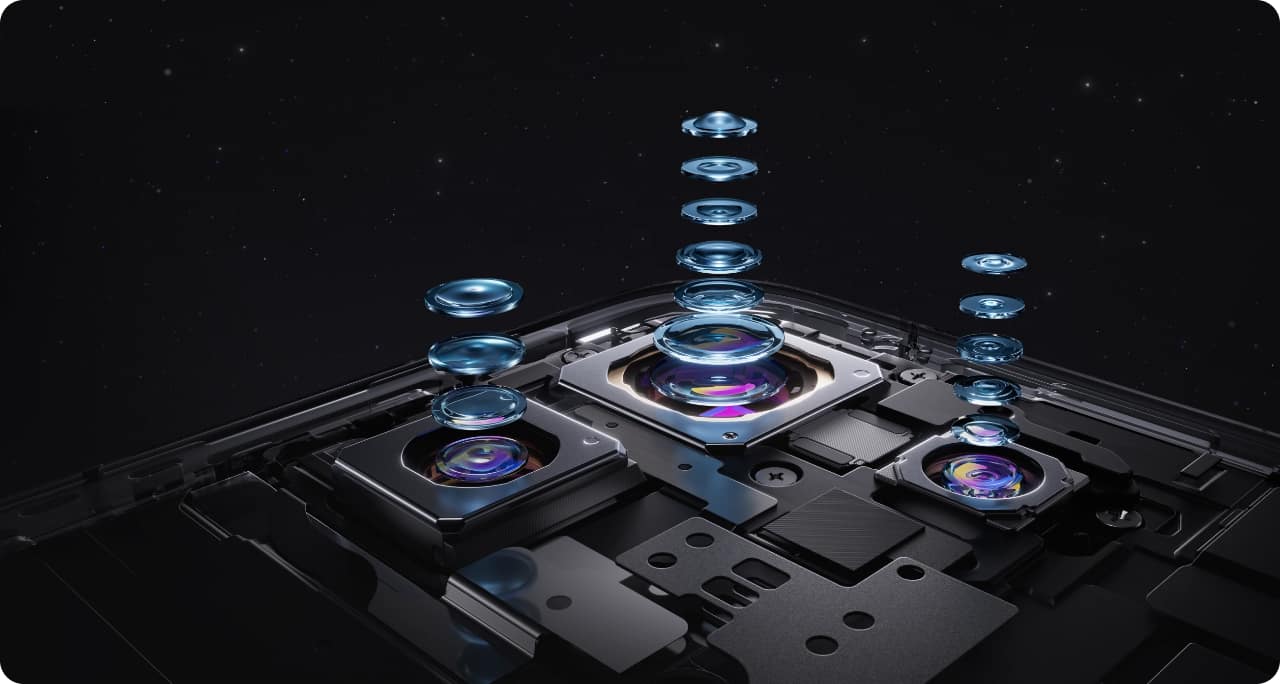
At the heart of the OnePlus 16’s appeal is its comprehensive camera system, which signals a pivot away from the company’s previous partnership with Hasselblad. The device now utilizes the proprietary "LUMO Imaging" system, an in-house tuning suite designed to maximize the potential of its high-end sensor array.
The primary shooter is a 200-megapixel unit, marking a first for the brand. This 1/1.4-inch sensor, paired with an f/1.6 lens and a 23mm equivalent focal length, features two-axis optical image stabilization (OIS) and advanced autofocus. While 200 MP resolution is available, it is not the default setting; users must manually toggle the high-pixel mode for full-resolution captures. The rear system is bolstered by a 50 MP ultrawide camera (16mm equivalent, 116-degree field of view) and a 50 MP periscope telephoto lens. The latter, featuring a Sony IMX882 sensor, provides a 73mm equivalent focal length (3x optical zoom), 6x lossless zoom, and a staggering 120x digital zoom capacity.
Beyond stills, the video capabilities are equally robust. The device supports 8K recording at 30 fps and 4K at up to 120 fps, offering professional-grade flexibility. It also integrates Dolby Vision support across 4K and 1080p resolutions, ensuring high dynamic range for content creators.
Chronology: The Evolution of the OnePlus Flagship
The trajectory of the OnePlus 16 is best understood within the context of the company’s recent history.
- Early 2024: OnePlus formalizes its exit from the North American and European markets, citing a desire to focus on regional growth in Asia. This decision sparked concern among the global enthusiast community that had helped propel the brand to early fame.
- Late Q3 2024: Rumors began circulating regarding a new "Elite" series of devices from OnePlus, specifically highlighting the move toward the Snapdragon 8 Elite Extreme Gen 6 chipset and a departure from Hasselblad-branded software tuning.
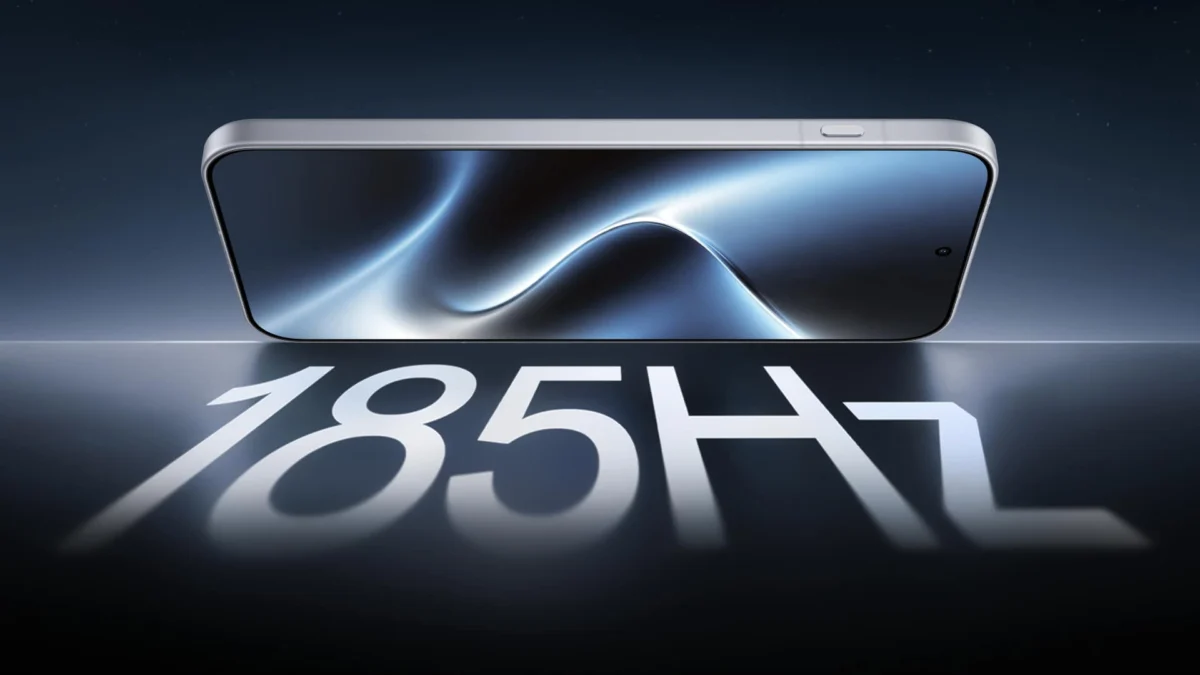
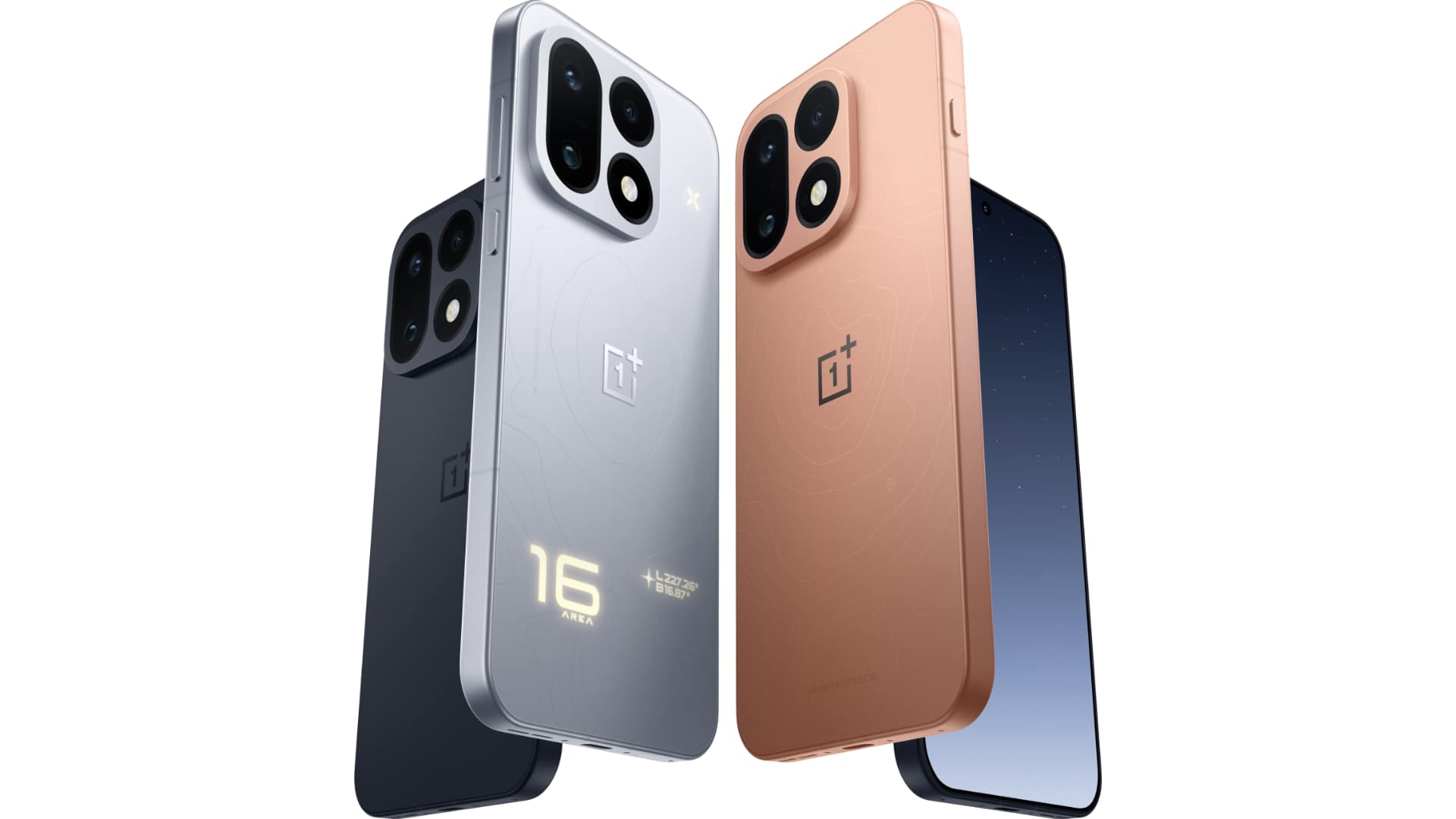
- October 12, 2024: The official launch event in China introduces the OnePlus 16. The event emphasizes the phone’s "Mars Masterpiece" aesthetic and its record-breaking 185 Hz refresh rate screen, positioning it as the ultimate gaming and photography tool.
- Post-Launch: Initial reviews from Chinese tech media underscore the device’s performance, particularly noting the efficiency of the 2nm chipset and the longevity provided by its massive 9000 mAh battery.
Supporting Data: Technical Specifications
The technical specifications of the OnePlus 16 read like a wishlist for the modern power user.
Performance and Display
The device is powered by the Snapdragon 8 Elite Extreme Gen 6, a 2nm architecture chip that represents the pinnacle of mobile processing power. This is paired with a 6.78-inch flat BOE OLED display. While the screen boasts a peak brightness of 2000 nits, its standout feature is the refresh rate. While it operates at a standard 165 Hz for general use, it pushes to 185 Hz during gaming sessions, providing an incredibly fluid experience.
Battery and Charging
Perhaps the most impressive metric is the battery. The OnePlus 16 features a typical capacity of 9000 mAh (rated at 8780 mAh). This is a monumental increase compared to the industry standard of 5000 mAh. To support this, the phone includes 100 W wired charging and 50 W wireless charging. OnePlus claims the device can handle almost a full day of continuous video consumption, a metric that effectively eliminates "range anxiety" for power users.
Build and Durability
The device measures 161.42 x 76.67 mm, with a thickness ranging between 8.45 mm and 8.55 mm depending on the finish. Weight is kept to a manageable 220g, with the "Mars Masterpiece" variant reaching a slightly lighter 217g thanks to a glass fiber reinforced composite back. Durability is a core focus, with the device achieving IP66, IP68, IP69, and IP69K ratings—the latter being a rarity that ensures protection against high-pressure, high-temperature water jets.
Official Responses and Strategic Positioning
OnePlus has remained largely quiet regarding the potential for an international release, confirming the "China-first" strategy as the definitive roadmap for the foreseeable future. In marketing materials for the Chinese domestic launch, the company highlights the "Tomorrow’s Starlight" colorway, which features integrated LED lighting effects. While some critics have labeled these aesthetic choices as "gimmicks," the company maintains that these design elements are intended to appeal to the younger, gaming-focused demographic that drives the Chinese smartphone market.
The replacement of Hasselblad with the in-house LUMO Imaging system is a critical strategic move. By owning the full stack of the imaging pipeline, OnePlus gains greater control over the look and feel of its photographs. This allows for a more cohesive integration with the hardware, particularly in the "Master mode," which the company claims provides a specific, cinematic, film-like aesthetic that traditional computational photography often struggles to replicate.
Implications: A Fragmented Global Market
The absence of the OnePlus 16 from Western markets carries significant implications for the smartphone industry.
The "Innovation Gap"
As Chinese manufacturers continue to push the boundaries of battery capacity and screen refresh rates, Western consumers are increasingly left with devices that feel iterative rather than revolutionary. The OnePlus 16 is a clear example of this "innovation gap." By prioritizing regional dominance in China, OnePlus is effectively opting out of the fierce competition in the US and EU, where consumer brand loyalty is increasingly difficult to maintain without the latest, most cutting-edge hardware.
The Rise of Regional Exclusives
We are entering an era of "geographically gated" hardware. High-end components, such as the latest 2nm processors and massive battery technologies, are being deployed in specific markets to test consumer reception before they are potentially normalized in global flagships. For users outside of China, the only way to access the OnePlus 16 is through unofficial import channels, which often lack the necessary local software support, network band optimization, and warranty protections.
Future Outlook
The OnePlus 16 sets a high bar for what a flagship device can achieve in 2024. Whether this signals a permanent shift for the brand or merely a temporary consolidation of resources remains to be seen. However, one thing is certain: for the smartphone enthusiast, the OnePlus 16 is the "one that got away." Its blend of 8K video recording, a 200 MP camera system, and a 9000 mAh battery makes it one of the most intriguing devices of the year—even if most of the world will only ever see it through a screen.
As the industry moves toward 2025, the pressure will be on other manufacturers to match the endurance and display performance set by this device. For now, the OnePlus 16 stands as a testament to the fact that the most interesting technological developments are happening in the East, and that the global smartphone market is, for the time being, a significantly more fragmented place than it was a decade ago.
